
-
Email:zhao@hyliec.cn
-
Tel:+86 311 85273988
-
WhatsAPP:8613931128750
-
 Afrikaans
 -
 Albanian
 -
 Amharic
 -
 Arabic
 -
 Armenian
 -
 Azerbaijani
 -
 Basque
 -
 Belarusian
 -
 Bengali
 -
 Bosnian
 -
 Bulgarian
 -
 Catalan
 -
 Cebuano
 -
 Corsican
 -
 Croatian
 -
 Czech
Czech -
 Danish
 -
 Dutch
Dutch -
 English
 -
 Esperanto
 -
 Estonian
 -
 Finnish
 -
 French
 -
 Frisian
 -
 Galician
 -
 Georgian
 -
 German
 -
 Greek
Greek -
 Gujarati
 -
 Haitian Creole
 -
 hausa
hausa -
 hawaiian
 -
 Hebrew
 -
 Hindi
Hindi -
 Miao
Miao -
 Hungarian
 -
 Icelandic
 -
 igbo
igbo -
 Indonesian
 -
 irish
irish -
 Italian
 -
 Japanese
 -
 Javanese
 -
 Kannada
 -
 kazakh
 -
 Khmer
Khmer -
 Rwandese
 -
 Korean
 -
 Kurdish
 -
 Kyrgyz
 -
 Lao
Lao -
 Latin
Latin -
 Latvian
 -
 Lithuanian
 -
 Luxembourgish
 -
 Macedonian
 -
 Malgashi
 -
 Malay
Malay -
 Malayalam
 -
 Maltese
 -
 Maori
Maori -
 Marathi
 -
 Mongolian
 -
 Myanmar
 -
 Nepali
 -
 Norwegian
 -
 Norwegian
 -
 Occitan
 -
 Pashto
 -
 Persian
 -
 Polish
 -
 Portuguese
 -
 Punjabi
 -
 Romanian
 -
 Russian
 -
 Samoan
 -
 Scottish Gaelic
 -
 Serbian
 -
 Sesotho
 -
 Shona
Shona -
 Sindhi
 -
 Sinhala
 -
 Slovak
 -
 Slovenian
 -
 Somali
 -
 Spanish
 -
 Sundanese
 -
 Swahili
 -
 Swedish
 -
 Tagalog
 -
 Tajik
Tajik -
 Tamil
Tamil -
 Tatar
Tatar -
 Telugu
 -
 Thai
Thai -
 Turkish
 -
 Turkmen
 -
 Ukrainian
 -
 Urdu
Urdu -
 Uighur
 -
 Uzbek
Uzbek -
 Vietnamese
 -
 Welsh
Welsh -
 Bantu
Bantu -
 Yiddish
 -
 Yoruba
 -
 Zulu
Zulu
types of chicken wire fencing
Types of Chicken Wire Fencing A Comprehensive Guide
Chicken wire fencing is a popular choice for poultry enthusiasts and gardeners alike. It is a versatile product that provides secure enclosures for chickens, protects gardens from pests, and serves as a decorative element in landscapes. However, not all chicken wire is created equal. Understanding the various types available can help you select the best option for your specific needs.
1. Standard Chicken Wire
The most common type of chicken wire is the standard version, which features hexagonal holes. Typically made from galvanized steel, this type provides durability and resistance to rust. Standard chicken wire comes in different gauges, indicating the thickness of the wire. The lower the gauge number, the heavier and stronger the wire, making it more resilient against predators. It is best for keeping chickens contained in a coop or run while preventing smaller animals from entering.
2. Heavy-Duty Chicken Wire
For those with larger flocks or who live in areas with high predator activity, heavy-duty chicken wire is an excellent choice. This type often has a thicker gauge than standard chicken wire, making it more robust and less likely to bend or break under pressure. Additionally, heavy-duty wire is generally treated for increased rust resistance, ensuring longevity even in damp conditions. This robust material is ideal for building robust enclosures that can withstand the test of time and nature.
3. PVC-Coated Chicken Wire
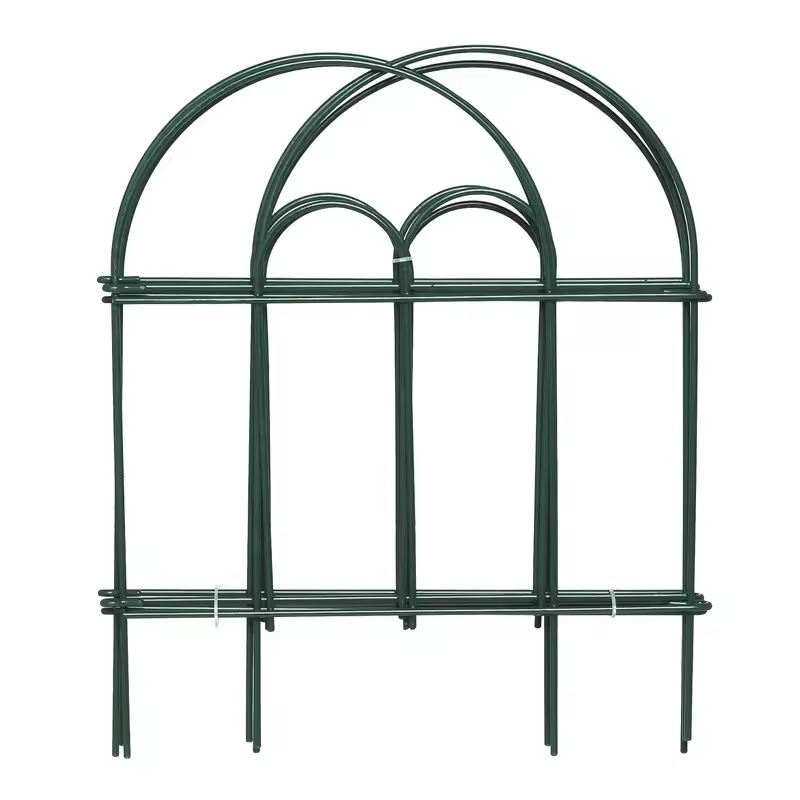
PVC-coated chicken wire offers an aesthetic advantage in addition to functionality. This type of wire is coated with a layer of PVC, which not only adds a touch of color—usually green or black—but also provides extra protection against corrosion. The coating helps the wire blend in with natural surroundings, making it a visually appealing solution for garden fencing. While PVC-coated options are typically more expensive than standard varieties, their durability may justify the investment, especially in moist environments.
types of chicken wire fencing
4. Welded Wire Fencing
While not strictly chicken wire, welded wire fencing is another popular option for poultry enclosures. Unlike traditional chicken wire, which is woven, welded wire fencing consists of vertical and horizontal wires that are welded together at the intersections. This design provides greater strength and stability, making it an excellent choice for both chickens and protection against larger animals such as dogs and raccoons. Welded wire is available in various mesh sizes and heights, allowing for flexibility in design and application.
5. Open Mesh vs. Closed Mesh
When selecting chicken wire, it’s essential to consider the size of the mesh openings. Open mesh options, which feature larger openings, are suitable for adult chickens but may not contain smaller birds or chicks. In contrast, closed mesh fencing is designed with smaller openings, providing increased protection for all life stages of poultry. For those with mixed-flock scenarios or who plan to raise chicks, closed mesh is highly recommended.
6. Galvanized vs. Stainless Steel
When choosing chicken wire, buyers are often faced with the choice between galvanized and stainless steel wire. Galvanized wire is coated in zinc, which protects it against rust but may degrade over time, particularly in harsh environments. Stainless steel wire, while usually more expensive, offers superior corrosion resistance, making it a long-lasting solution for those willing to invest more upfront.
Conclusion
Selecting the right type of chicken wire fencing is essential for protecting your birds and gardens. By considering factors such as the thickness of the wire, the type of coating, the mesh size, and whether to choose welded or traditional styles, you can create an effective barrier against predators while ensuring the safety and comfort of your chickens. The investment in quality fencing will not only keep your flock safe but will also enhance the beauty of your outdoor space. Whether you opt for standard chicken wire, heavy-duty options, or welded fencing, making an informed choice will contribute to a thriving and secure environment for your poultry.
-
Garden Gates: Blending Functionality and Aesthetic Appeal
NewsAug.11,2025
-
Houseplant Supports and Related Products: Essential Aids for Plant Health
NewsAug.11,2025
-
Wire Fencing Rolls: Secure Your Space with Style
NewsJul.17,2025
-
Strong and Durable Round Fence Posts for Every Need
NewsJul.17,2025
-
Square Metal Posts: Strength and Style for Your Outdoor Space
NewsJul.17,2025
-
Revolutionize Your Garden with Innovative Garden Posts
NewsJul.17,2025