
-
Email:zhao@hyliec.cn
-
Tel:+86 311 85273988
-
WhatsAPP:8613931128750
-
 Afrikaans
 -
 Albanian
 -
 Amharic
 -
 Arabic
 -
 Armenian
 -
 Azerbaijani
 -
 Basque
 -
 Belarusian
 -
 Bengali
 -
 Bosnian
 -
 Bulgarian
 -
 Catalan
 -
 Cebuano
 -
 Corsican
 -
 Croatian
 -
 Czech
Czech -
 Danish
 -
 Dutch
Dutch -
 English
 -
 Esperanto
 -
 Estonian
 -
 Finnish
 -
 French
 -
 Frisian
 -
 Galician
 -
 Georgian
 -
 German
 -
 Greek
Greek -
 Gujarati
 -
 Haitian Creole
 -
 hausa
hausa -
 hawaiian
 -
 Hebrew
 -
 Hindi
Hindi -
 Miao
Miao -
 Hungarian
 -
 Icelandic
 -
 igbo
igbo -
 Indonesian
 -
 irish
irish -
 Italian
 -
 Japanese
 -
 Javanese
 -
 Kannada
 -
 kazakh
 -
 Khmer
Khmer -
 Rwandese
 -
 Korean
 -
 Kurdish
 -
 Kyrgyz
 -
 Lao
Lao -
 Latin
Latin -
 Latvian
 -
 Lithuanian
 -
 Luxembourgish
 -
 Macedonian
 -
 Malgashi
 -
 Malay
Malay -
 Malayalam
 -
 Maltese
 -
 Maori
Maori -
 Marathi
 -
 Mongolian
 -
 Myanmar
 -
 Nepali
 -
 Norwegian
 -
 Norwegian
 -
 Occitan
 -
 Pashto
 -
 Persian
 -
 Polish
 -
 Portuguese
 -
 Punjabi
 -
 Romanian
 -
 Russian
 -
 Samoan
 -
 Scottish Gaelic
 -
 Serbian
 -
 Sesotho
 -
 Shona
Shona -
 Sindhi
 -
 Sinhala
 -
 Slovak
 -
 Slovenian
 -
 Somali
 -
 Spanish
 -
 Sundanese
 -
 Swahili
 -
 Swedish
 -
 Tagalog
 -
 Tajik
Tajik -
 Tamil
Tamil -
 Tatar
Tatar -
 Telugu
 -
 Thai
Thai -
 Turkish
 -
 Turkmen
 -
 Ukrainian
 -
 Urdu
Urdu -
 Uighur
 -
 Uzbek
Uzbek -
 Vietnamese
 -
 Welsh
Welsh -
 Bantu
Bantu -
 Yiddish
 -
 Yoruba
 -
 Zulu
Zulu
Exploring Sustainable Solutions for Field Fencing and Agricultural Boundaries
The Importance of Field Fences in Agriculture
Field fences play a crucial role in modern agriculture, serving not only as boundaries but also as protective barriers that help manage livestock and cultivate crops effectively. A well-constructed field fence can significantly enhance the productivity of farming operations while safeguarding the interests of farmers.
Firstly, field fences are essential for containing livestock
. Farmers often rear animals such as cattle, sheep, and goats, which require secure enclosures to prevent them from wandering off or getting lost. A sturdy fence not only ensures that the animals remain within designated areas but also protects them from potential predators. The psychological comfort that comes with knowing their livestock are safe allows farmers to focus on other critical aspects of their operations.In addition to containing animals, field fences also serve as a deterrent against wildlife. Many farmers face challenges from wild animals that can damage crops or pose a threat to livestock. By erecting a robust fence, farmers can minimize the risk of wildlife intrusion, thus protecting their investments. This is particularly vital in areas where the proximity of natural habitats may lead to frequent interactions between domestic animals and wildlife.
Field fences also play a significant role in land management. Different types of crops may require isolation from one another to prevent cross-pollination or contamination. In such cases, strategic fencing can help farmers designate specific areas for specific crops, thereby maintaining the purity and quality of their produce. Moreover, fences can facilitate rotational grazing practices, allowing farmers to manage grazing areas effectively and promote soil health.
field fence
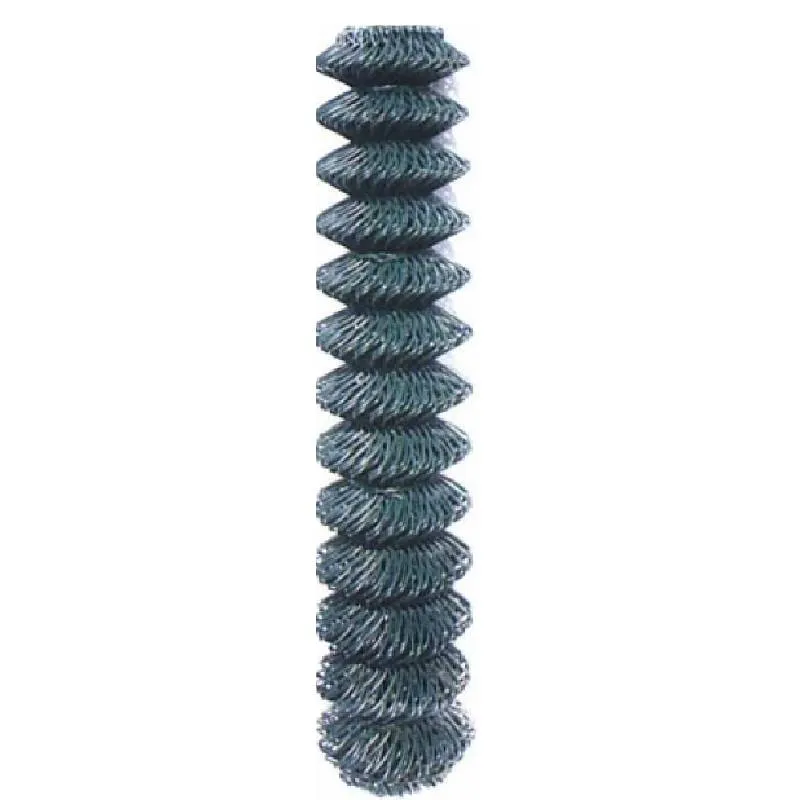
Another important aspect of field fencing is its contribution to aesthetics and land delineation. Clear boundaries established by fences help maintain a sense of order within agricultural settings. They assist in clarifying ownership and usage rights, thereby reducing disputes among neighboring landowners. Additionally, well-maintained fences can enhance the overall appearance of a farm, which can be particularly beneficial for agritourism ventures, where aesthetic appeal is key to attracting visitors.
While the functions of field fences are numerous, the materials and design choices also significantly impact their effectiveness. Farmers may choose from a variety of fencing materials such as wood, wire, or synthetic options based on the specific needs of their land and livestock. For instance, barbed wire is commonly used for cattle enclosures due to its strength and durability, while woven wire fencing may be preferred for sheep because it allows even the smallest animals to be contained. Each choice has its own set of advantages, and farmers must consider factors such as cost, maintenance, and longevity when deciding on the best option.
Furthermore, investing in proper maintenance of fences is paramount. Regular inspections can identify wear and tear, thus preventing potential failures that could jeopardize livestock or crops. In the long run, maintaining a well-kept fence can save farmers time, money, and heartache.
In conclusion, field fences are a vital component of successful agricultural practices. They not only aid in the management of livestock and crops but also provide security and delineation, thereby enhancing the overall efficiency of farming operations. As agriculture continues to evolve, the importance of investing in durable and effective fencing solutions will remain a key factor in ensuring sustainability and productivity in the field.
-
Garden Gates: Blending Functionality and Aesthetic Appeal
NewsAug.11,2025
-
Houseplant Supports and Related Products: Essential Aids for Plant Health
NewsAug.11,2025
-
Wire Fencing Rolls: Secure Your Space with Style
NewsJul.17,2025
-
Strong and Durable Round Fence Posts for Every Need
NewsJul.17,2025
-
Square Metal Posts: Strength and Style for Your Outdoor Space
NewsJul.17,2025
-
Revolutionize Your Garden with Innovative Garden Posts
NewsJul.17,2025