
-
Email:zhao@hyliec.cn
-
Tel:+86 311 85273988
-
WhatsAPP:8613931128750
Comprehensive Guide to 90x90 Fence Post Selection and Installation
Understanding Your Options: A Guide to 90x90 Fence Post
Selecting the right fence post is crucial for the longevity and security of any fencing project. A 90x90 fence post, known for its robust size and strength, is a popular choice for a wide range of applications. This article will delve into the details of 90x90 fence posts, covering their uses, materials, installation considerations, and where to find quality options. Whether you're a homeowner embarking on a DIY project or a professional contractor, understanding these posts will ensure a successful and lasting fence. Explore the best options available at Hyliecfence.com for all your fencing needs.
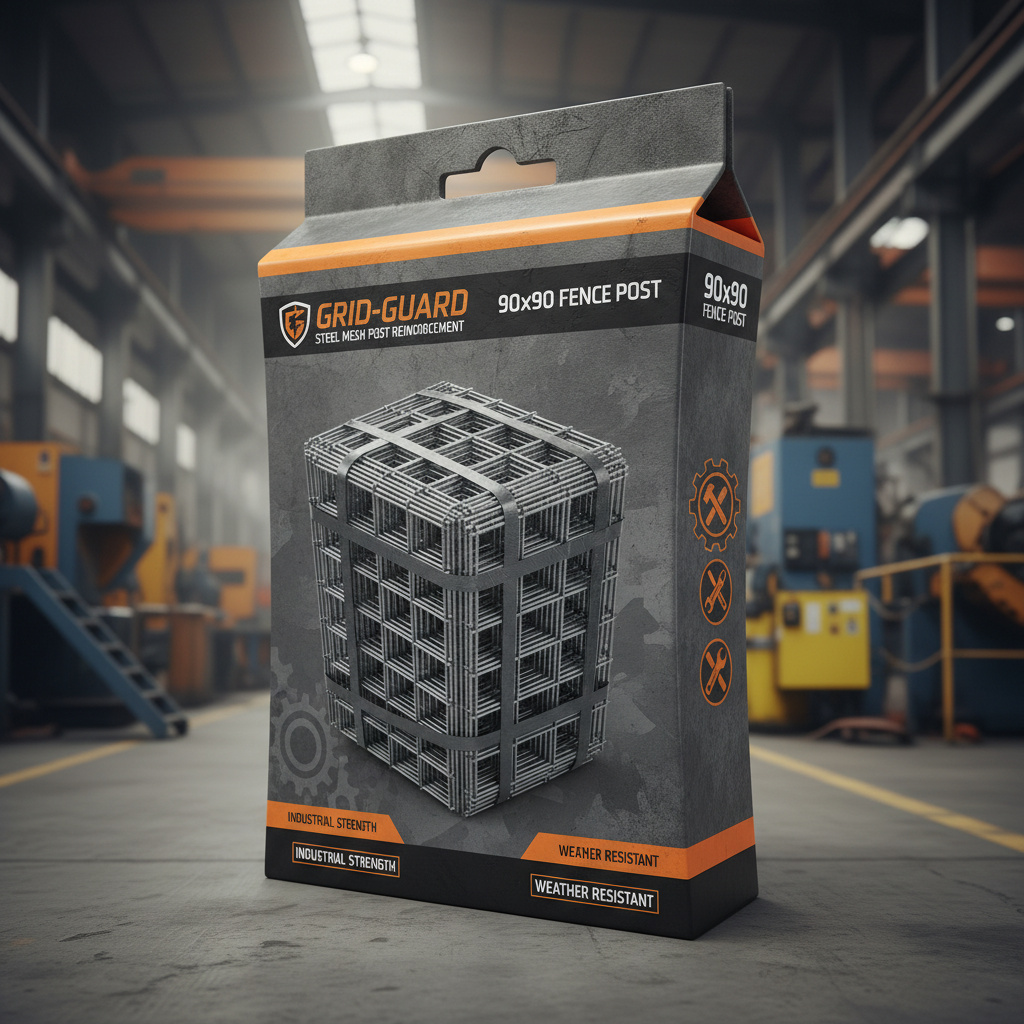
What Exactly is a 90x90 Fence Post?
The term "90x90" refers to the dimensions of the fence post – 90 millimeters by 90 millimeters (approximately 3.5 inches by 3.5 inches). This square or rectangular profile provides significantly greater strength and stability compared to smaller posts, making them ideal for supporting heavier fences, gates, and in areas prone to high winds. They're frequently used in rural properties, agricultural fencing, and situations where security is a paramount concern. Choosing the right size post directly impacts the fence’s resilience and overall lifespan. You can find a comprehensive selection of 90x90 posts at Hyliecfence.
Key Benefits: Offers superior strength, suitable for heavy-duty applications, and provides increased stability in windy conditions.
Materials for 90x90 Fence Posts: A Comparative Overview
90x90 fence posts are commonly available in several materials, each with its own advantages and disadvantages. The most popular choices include pressure-treated pine, hardwood, and steel. Pressure-treated pine is cost-effective and readily available, but requires regular maintenance to prevent rot and decay. Hardwood posts, such as cypress or cedar, are naturally rot-resistant but are typically more expensive. Steel posts are the most durable and require minimal maintenance, but they can be more costly upfront and may require specialized installation techniques. Consider the longevity you need and your budget when selecting a material.
Material Comparison:
• Pressure-Treated Pine: Cost-effective, requires maintenance.
• Hardwood (Cypress/Cedar): Naturally rot-resistant, more expensive.
• Steel: Most durable, minimal maintenance, higher upfront cost.
90x90 Fence Post Applications: Where They Excel
Due to their strength, 90x90 posts are suitable for various fencing applications. They’re commonly used for boundary fences, livestock enclosures, security fencing, and gate posts. They are particularly well-suited for areas with high wind loads or where the fence will be subjected to significant stress. For example, a farm needing to contain large animals would benefit significantly from the stability a 90x90 post provides. Explore diverse fencing solutions and the benefits of a 90x90 post at Hyliecfence.com.
Proper Installation: Ensuring Long-Lasting Stability
Correct installation is just as important as choosing the right post. Posts should be set at a sufficient depth – generally, at least one-third of the post's length should be buried underground. Using concrete to secure the posts provides added stability, especially in loose or sandy soil. Ensure posts are plumb (perfectly vertical) before the concrete sets. Proper drainage around the base of the post is also essential to prevent rot. For professional installation advice, check out the resources at Hyliecfence.
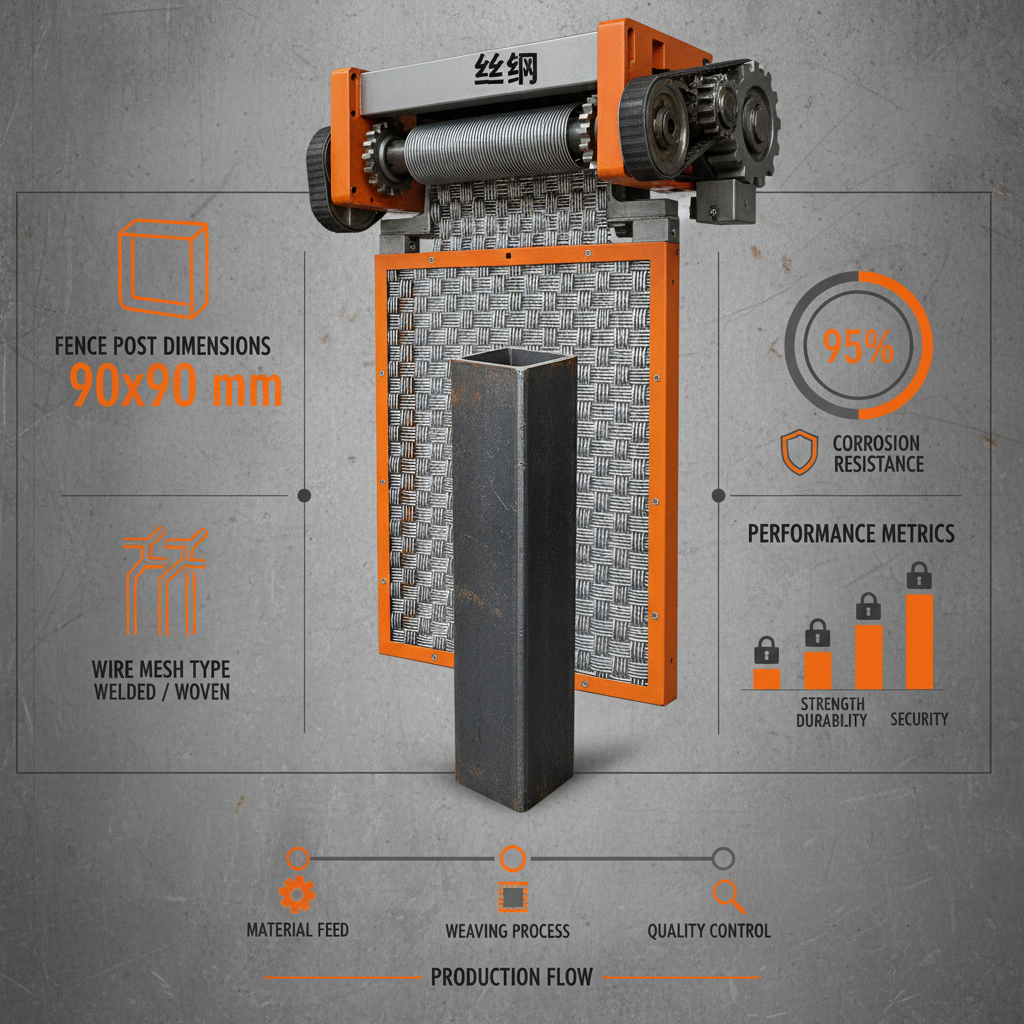
Finding the Right 90x90 Fence Post for Your Project
When selecting a 90x90 fence post, consider the specific requirements of your project, your budget, and the local climate. Hyliecfence offers a wide range of high-quality 90x90 fence posts in various materials and lengths, along with expert advice to help you choose the best option for your needs. We're committed to providing durable, reliable fencing solutions for both residential and commercial clients.
Conclusion: Invest in Quality for a Lasting Fence
Choosing the right 90x90 fence post is a crucial step in creating a durable and secure fence. By considering the material, application, and proper installation techniques, you can ensure a long-lasting investment. Hyliecfence is your trusted partner for all your fencing needs, offering quality products and expert guidance.
Frequently Asked Questions (FAQs)
How deep should a 90x90 fence post be buried?
As a general rule, a 90x90 fence post should be buried at least one-third of its total length. For example, a 2.4-meter (8-foot) post should be buried at least 80 centimeters (approximately 32 inches). In areas with frost heave, you may need to bury the post deeper to prevent movement. Using concrete around the base of the post significantly increases stability. The type of soil also matters – looser soils require greater depth and concrete support. This ensures the fence remains stable and secure, even in challenging weather conditions.
What is the best way to protect a pressure-treated pine post from rot?
While pressure treatment protects wood from decay, it’s not foolproof. Regularly inspect the post for any signs of damage or wear. Applying a water-repellent sealant annually can help prevent moisture absorption. Ensure good drainage around the base of the post to prevent water from pooling. Avoid direct contact between the wood and the ground. Consider using post caps to protect the top of the post from water damage. Proper maintenance can significantly extend the lifespan of pressure-treated pine.
Can I use a 90x90 post for a gate?
Yes, a 90x90 post is an excellent choice for a gate, especially for heavier gates. However, you’ll likely need to use two 90x90 posts for the gate frame to provide adequate support. The size and weight of the gate will dictate the required post depth and the need for additional reinforcement, such as concrete footings. Steel posts are generally recommended for very heavy gates or high-security applications. For gate post specifics, contact the experts at Hyliecfence.
What's the difference between a square and rectangular 90x90 post?
While both offer similar strength, square 90x90 posts generally provide slightly greater rigidity and resistance to racking (sideways movement). Rectangular posts can be a more cost-effective option, and the difference in strength is often negligible for many fencing applications. The aesthetic preference is also a factor, as square posts offer a more modern look, while rectangular posts might blend better with traditional styles. Consult with Hyliecfence to determine the best shape for your needs.
-
Professional Guide to fix leaning fence post and Stabilize Fences
NewsApr.16,2026
-
Professional Guide for Effective Leaning Fence Post Repair
NewsApr.09,2026
-
Comprehensive Guide to Effectively Fix Fence Post and Ensure Stability
NewsApr.07,2026
-
Comprehensive Guide to Effective and Lasting Fence Post Repair Solutions
NewsApr.04,2026
-
A Comprehensive Guide to Successfully Installing Fence Posts for Longevity
NewsMar.31,2026
-
Comprehensive Guide to Effective and Lasting Repairing Fence Post Solutions
NewsMar.28,2026