
-
Email:zhao@hyliec.cn
-
Tel:+86 311 85273988
-
WhatsAPP:8613931128750
Professional Guide for Effective Leaning Fence Post Repair
The Ultimate Guide to Leaning Fence Post Repair
A sturdy fence is essential for privacy, security, and curb appeal. However, over time, weather shifts, soil erosion, or heavy impacts can lead to the frustrating sight of a tilting perimeter. Knowing how to handle leaning fence post repair can save you from the high cost of a full fence replacement. Whether you are dealing with a single loose post or a whole section that has shifted, addressing the root cause of the instability is key to a long-term fix. In this guide, we will walk you through the professional methods to straighten your posts and ensure they stay upright for years to come.
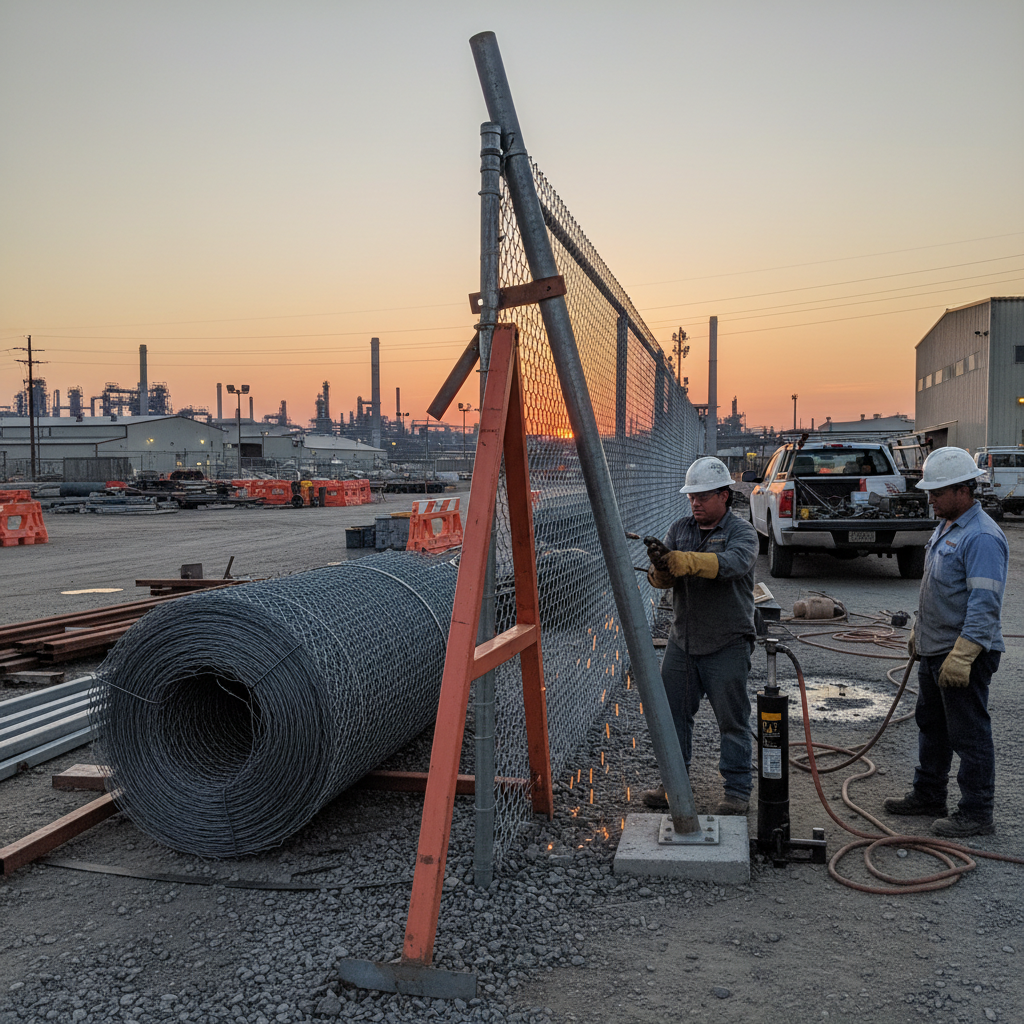
Common Causes of Leaning Posts
Before jumping into the leaning fence post repair process, it is vital to understand why the post leaned in the first place. The most common culprit is soil saturation; heavy rains can soften the ground, causing the post to shift under the weight of the fence panels. Other factors include post rot, where the wood decays at the ground level, and poor initial installation, where the concrete footer was either too small or not deep enough to reach the frost line. Identifying these causes helps you decide whether a simple brace will work or if the post needs a complete replacement.
Quick Diagnosis Tip: Gently push the post. If it moves at the base, the issue is soil or concrete failure. If the post snaps or crumbles at the soil line, you are dealing with wood rot, which requires a post replacement rather than a simple repair.
Comparing Methods for Leaning Fence Post Repair
Depending on the severity of the lean and your budget, there are several ways to approach the repair. Some homeowners prefer a "quick fix" using steel spurs, while others opt for the "gold standard" of resetting the post in new concrete. Choosing the right method depends on whether the post is still structurally sound. For instance, if the post is rotting, a metal brace is only a temporary bandage. To ensure a professional result, comparing the efficiency and longevity of each method is recommended.
Step-by-Step Process for Leaning Fence Post Repair
If you've decided to perform a manual leaning fence post repair using the resetting method, follow these steps for the best results. First, detach the fence panels from the leaning post to relieve pressure. Use a shovel to dig out the soil around the base. Once the post is loose, use a level to push it back into a perfectly vertical position. To keep it there, drive wooden stakes into the ground to act as a temporary brace. Finally, pour high-strength concrete into the hole, ensuring it is well-tamped to remove air pockets. This structural reinforcement ensures the post can withstand wind and pressure.
Tools and Materials for Efficient Repair
Having the right tools on hand prevents mid-project trips to the hardware store and ensures the quality of your leaning fence post repair. For basic stabilization, a spirit level and a heavy-duty mallet are essential. For more permanent solutions, you will need quick-set concrete, a mixing tub, and a post-hole digger. If you are using metal spurs, ensure you have a hammer and a drill to secure the brackets. Investing in professional-grade materials from trusted suppliers ensures that your fence won't lean again after the first storm.
Preventing Future Lean: Pro Maintenance Tips
The best repair is the one you don't have to do twice. To avoid future leaning fence post repair, focus on drainage and material protection. Ensure that water does not pool at the base of your posts; installing a French drain or grading the soil away from the fence can prevent soil softening. Additionally, applying a high-quality waterproof sealant to wooden posts prevents rot at the ground line. Regularly inspecting your fence for small shifts allows you to make minor adjustments before a full-scale collapse occurs.
Technical Specifications for Post Stability
For those looking for technical standards to ensure their fence is built to last, following industry guidelines for post depth and concrete volume is critical. A general rule of thumb is that one-third of the post should be underground. For a 6-foot fence, this means at least 2 to 3 feet of the post should be embedded in the ground. Below is a technical specification table for standard residential post installations to guide your repair efforts.
Conclusion: Ensuring a Stable Perimeter
Addressing a leaning post promptly prevents the entire fence line from collapsing, which would result in a much more expensive project. Whether you choose a quick fix with steel spurs or a full concrete reset, the key to successful leaning fence post repair is precision and quality materials. By following the technical guidelines for depth and using the right tools, you can restore your fence's strength and aesthetic. For those who prefer professional installation or need high-quality fencing supplies, visiting experts ensures a job done right the first time.
Frequently Asked Questions (FAQs)
Can I fix a leaning fence post without digging up the concrete?
Yes, it is possible to stabilize a post without full excavation using steel post spurs or "post savers." These are heavy-duty metal stakes that are driven into the ground next to the existing post and then bolted to it. This method provides immediate lateral support and is an excellent choice for posts that are still structurally sound but are shifting due to soil movement. However, this is generally considered a secondary fix and may not be as permanent as resetting the post in a new concrete footing.
How do I know if my fence post is rotten?
The easiest way to check for rot is the "screwdriver test." Take a flat-head screwdriver and press it firmly into the wood at the base of the post, specifically where it meets the soil. If the screwdriver sinks easily into the wood or if the wood feels spongy and soft, the post is rotting. Rotting posts cannot be effectively repaired with braces or extra concrete because the structural integrity of the wood itself has failed. In these cases, a full post replacement is the only viable solution.
What is the best concrete to use for fence post repair?
For most residential fence repairs, a high-strength, fast-setting concrete mix is the best choice. Fast-setting concrete allows you to secure the post quickly without needing to keep it braced for several days. Look for mixes that are specifically labeled for "post-setting." Some homeowners also use expanding structural foam, which is faster to apply and doesn't require mixing, though traditional concrete remains the gold standard for heavy-duty stability and long-term durability against wind loads.
How deep should I dig for a new fence post?
As a general rule, you should dig the hole to a depth of approximately one-third of the post's total length. For a standard 6-foot fence, a hole depth of 30 to 36 inches is typically sufficient. However, if you live in a region with severe winters, it is crucial to dig below the frost line to prevent "frost heave," where freezing and thawing soil push the post upward and cause it to lean over time. Always check your local building codes for specific depth requirements in your area.
-
Professional Guide to fix leaning fence post and Stabilize Fences
NewsApr.16,2026
-
Comprehensive Guide to Effectively Fix Fence Post and Ensure Stability
NewsApr.07,2026
-
Comprehensive Guide to Effective and Lasting Fence Post Repair Solutions
NewsApr.04,2026
-
A Comprehensive Guide to Successfully Installing Fence Posts for Longevity
NewsMar.31,2026
-
Comprehensive Guide to Effective and Lasting Repairing Fence Post Solutions
NewsMar.28,2026