Mesh fence panels are integral to modern security and enclosure solutions, finding widespread application across diverse sectors from industrial facilities and agricultural holdings to residential properties and public spaces. These panels, typically constructed from welded wire mesh, offer a robust and cost-effective means of perimeter control, asset protection, and crowd management. Their increasing prevalence reflects a growing need for scalable, durable, and visually appealing fencing solutions.
The global market for fencing, including mesh fence panels, is experiencing consistent growth, driven by factors such as increasing infrastructure development, heightened security concerns, and a rising demand for livestock protection in agricultural regions. According to market research reports, the fencing market is projected to reach significant values in the coming years, underlining the importance of understanding the characteristics and applications of various fencing types.
Understanding mesh fence panels isn’t just about choosing a fencing material; it’s about investing in security, safety, and long-term value. From optimizing operational efficiency in industrial settings to safeguarding homes and communities, these panels play a vital role in shaping a more secure and controlled environment. Their adaptability and ease of installation further contribute to their increasing popularity.
Understanding Mesh Fence Panels
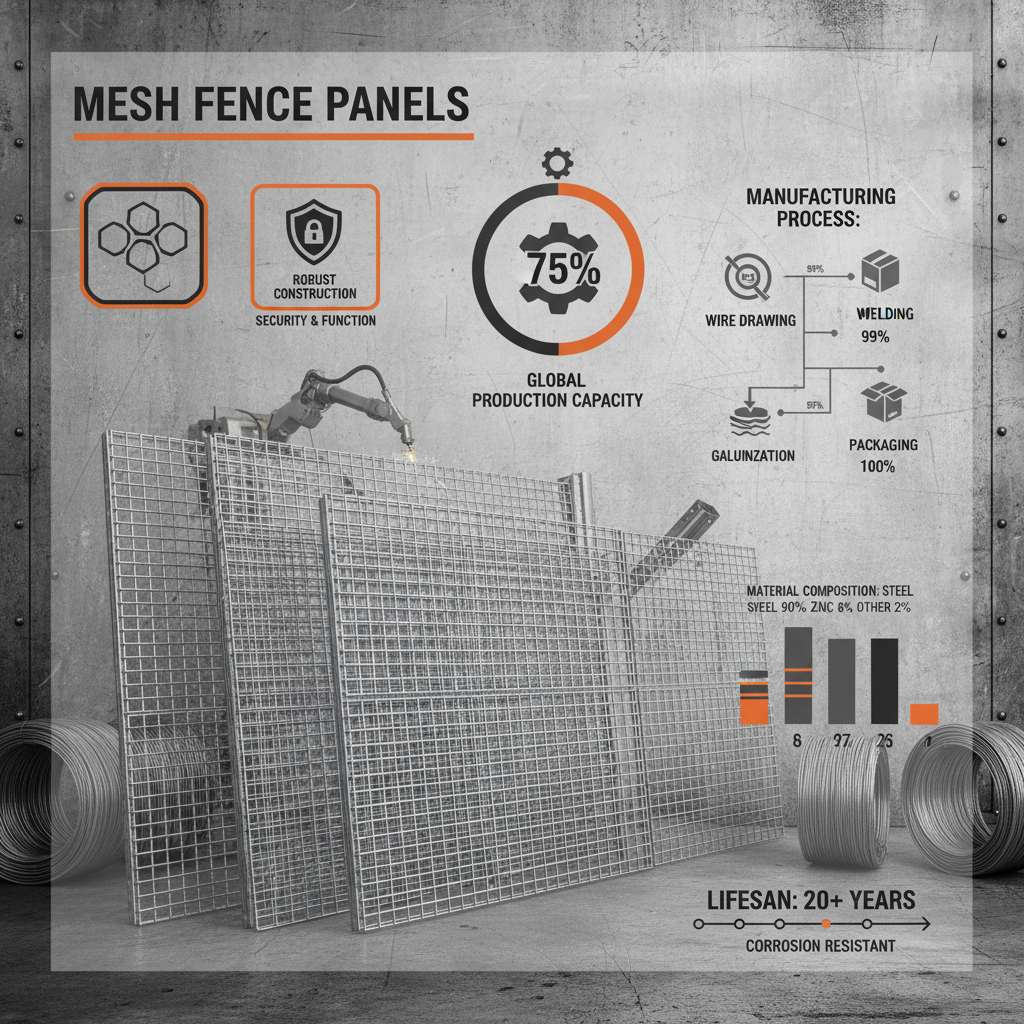
Mesh fence panels are fabricated from interwoven wires, typically steel or stainless steel, creating a robust barrier used for a wide range of applications. The wires are welded at each intersection, providing structural integrity and preventing deformation. The mesh size, wire gauge, and overall panel dimensions are key factors influencing the panel’s strength and suitability for specific security or containment needs.
These panels represent a versatile alternative to traditional solid fences, offering a balance between security, visibility, and cost-effectiveness. They allow for airflow and natural light, making them ideal for applications where these factors are important, such as agricultural fencing or perimeter security around recreational facilities. Modern manufacturing techniques ensure consistent quality and durability, making mesh fence panels a reliable choice for a wide spectrum of clients.
The Global Significance of Mesh Fence Panels
The demand for mesh fence panels is globally distributed, reflecting a universal need for security, containment, and property demarcation. Developed nations rely on them for infrastructure protection and residential security, while developing countries utilize them for agricultural applications and establishing perimeter defenses. The United Nations High Commissioner for Refugees (UNHCR) frequently employs fencing solutions, including mesh panels, in refugee camps and temporary settlements to provide safe and secure environments.
The growth of urbanization and industrialization, particularly in Asia-Pacific and Latin America, has further fueled the demand for robust fencing solutions. Countries experiencing rapid economic development are investing heavily in infrastructure projects that require secure perimeters and asset protection. This has led to a surge in demand for mesh fence panels from manufacturers and suppliers worldwide.
Furthermore, increasingly stringent safety regulations and security protocols across industries are driving the adoption of standardized fencing solutions, with mesh fence panels often meeting the necessary compliance requirements due to their predictable performance and durable construction. The global standardization of fencing materials also streamlines procurement and installation processes for large-scale projects.
Defining Mesh Fence Panels: Components and Construction
At its core, a mesh fence panel comprises a network of interconnected wires, creating a grid-like structure. These wires can be galvanized to prevent corrosion, powder-coated for aesthetic appeal and enhanced durability, or PVC-coated for additional protection against harsh environmental conditions. The wire gauge, referring to the wire’s thickness, significantly impacts the panel’s strength and resistance to cutting or bending.
The construction process typically involves welding the intersecting wires together, creating a rigid and stable panel. The weld points are crucial for the panel’s structural integrity, and manufacturers employ advanced welding techniques to ensure consistent and reliable connections. Different welding methods, such as spot welding and continuous welding, can influence the panel’s overall performance and longevity.
The panel's dimensions – height and width – are determined by the intended application. Standard sizes are readily available, but custom fabrication is often possible to meet specific project requirements. Accessories such as posts, gates, and fastening hardware are essential components of a complete fencing system and are typically selected to complement the mesh fence panels.
Key Attributes of High-Quality Mesh Fence Panels
When selecting mesh fence panels, several key attributes should be considered to ensure optimal performance and longevity. Durability is paramount, influenced by the material quality, wire gauge, and coating type. A robust panel will withstand environmental factors, resist corrosion, and maintain its structural integrity over time.
Scalability is another crucial factor, allowing for easy expansion or modification of the fencing system as needs evolve. Mesh fence panels can be easily connected and adjusted to accommodate varying site conditions and security requirements. Cost-effectiveness is also essential, balancing initial investment with long-term value and maintenance costs.
Comparative Analysis of Mesh Fence Panel Attributes
Diverse Applications of Mesh Fence Panels Worldwide
Mesh fence panels find application across a broad range of sectors and geographical locations. In agriculture, they are widely used for livestock containment, protecting crops from animals, and establishing secure farm perimeters. In industrial settings, they provide perimeter security for factories, warehouses, and storage facilities, safeguarding valuable assets and preventing unauthorized access.
Residential applications include garden fencing, pool enclosures, and property demarcation. Their aesthetically pleasing appearance and relatively low maintenance requirements make them a popular choice for homeowners. Public spaces such as parks, schools, and recreational areas also benefit from the security and containment provided by mesh fence panels.
The Long-Term Value and Benefits of Mesh Fencing
Investing in mesh fence panels delivers tangible long-term benefits beyond initial security. Their durability minimizes maintenance costs, reducing the need for frequent repairs or replacements. The relatively low weight of the panels simplifies installation, lowering labor expenses and project timelines.
From a sustainability perspective, many mesh fence panels are manufactured from recyclable materials, minimizing environmental impact. The ability to customize panel dimensions and configurations ensures optimal resource utilization and reduces waste. The inherent security provided by these panels contributes to peace of mind and a sense of safety for property owners and communities.
Future Trends and Advancements in Mesh Fence Panel Technology
The future of mesh fence panel technology is poised for innovation, driven by advancements in materials science and manufacturing techniques. The development of lighter, yet stronger, alloys will enhance panel durability and reduce installation costs. Integration with smart security systems, such as sensors and cameras, will provide real-time monitoring and intrusion detection.
Sustainable manufacturing practices, utilizing recycled materials and minimizing waste, will become increasingly prevalent. Furthermore, advancements in coating technologies will enhance corrosion resistance and extend the lifespan of the panels, reducing the need for replacements and minimizing environmental impact.
There's also a growing trend towards aesthetically versatile designs, allowing mesh fence panels to seamlessly integrate with various architectural styles. These advancements will position mesh fence panels as a technologically advanced and sustainable solution for a wide range of security and containment needs.
Summary of Key Considerations for Mesh Fence Panel Selection
| Material Composition |
Corrosion Resistance |
Security Level |
Cost-Effectiveness |
| Galvanized Steel |
Moderate |
Medium |
High |
| PVC Coated Steel |
High |
Medium |
Medium |
| Stainless Steel |
Excellent |
High |
Low |
| Welded Wire (Low Carbon) |
Low (requires coating) |
Low to Medium |
Very High |
| Powder Coated Steel |
Good |
Medium |
Medium |
| Galvanized & PVC Coated |
Excellent |
Medium to High |
Medium |
FAQS
Mesh fence panels are commonly fabricated from low-carbon steel wire, often galvanized to prevent corrosion. Stainless steel is also used for higher corrosion resistance and durability. The wire gauge and mesh size vary depending on the intended application, impacting strength and security. Furthermore, many panels are coated with PVC or powder coating for added protection and aesthetic appeal.
The ideal mesh size depends on the level of security and containment required. Smaller mesh sizes offer greater security, preventing the passage of smaller objects or animals. Larger mesh sizes provide better visibility and airflow but offer less restrictive containment. Consider the potential threats and desired level of control when selecting the appropriate mesh size for your application.
Galvanization provides a layer of zinc that protects the steel from rust and corrosion, extending the lifespan of the panel. PVC coating adds an additional layer of protection, offering enhanced corrosion resistance and aesthetic appeal. Both coatings are crucial for outdoor applications, particularly in harsh weather environments, reducing maintenance requirements and ensuring long-term performance.
Mesh fence panels are relatively easy to install, especially when compared to solid fencing options. They are lightweight and can be easily handled, requiring minimal specialized tools. Installation typically involves securing the panels to posts using appropriate fasteners. Professional installation is recommended for larger projects or complex configurations, but DIY installation is feasible for many applications.
Yes, many manufacturers offer custom fabrication services for mesh fence panels. This allows you to specify the desired height, width, and mesh size to meet your exact requirements. Customization is particularly useful for projects with unique site conditions or specific security needs. Ensure you provide accurate measurements and specifications to the manufacturer for a precise fit.
With proper maintenance, a well-constructed mesh fence panel can last for 15-20 years or even longer. Regular inspection for corrosion or damage, along with timely repairs and re-coating as needed, can significantly extend the panel's lifespan. Choosing high-quality materials and coatings initially contributes to long-term durability and minimizes the need for premature replacement.
Conclusion
In conclusion, mesh fence panels represent a versatile, cost-effective, and durable solution for a wide range of security and containment applications. Their adaptability, ease of installation, and long-term value make them a compelling choice for both residential and commercial clients. Understanding the key attributes and advancements in mesh fence panel technology empowers informed decision-making and ensures optimal performance.
Looking ahead, the future of mesh fencing lies in continued innovation, with a focus on sustainable materials, smart security integration, and aesthetically pleasing designs. By embracing these advancements, mesh fence panels will continue to play a crucial role in safeguarding properties, protecting assets, and creating secure environments for generations to come. For reliable, high-quality mesh fence panels and expert guidance, visit our website today.