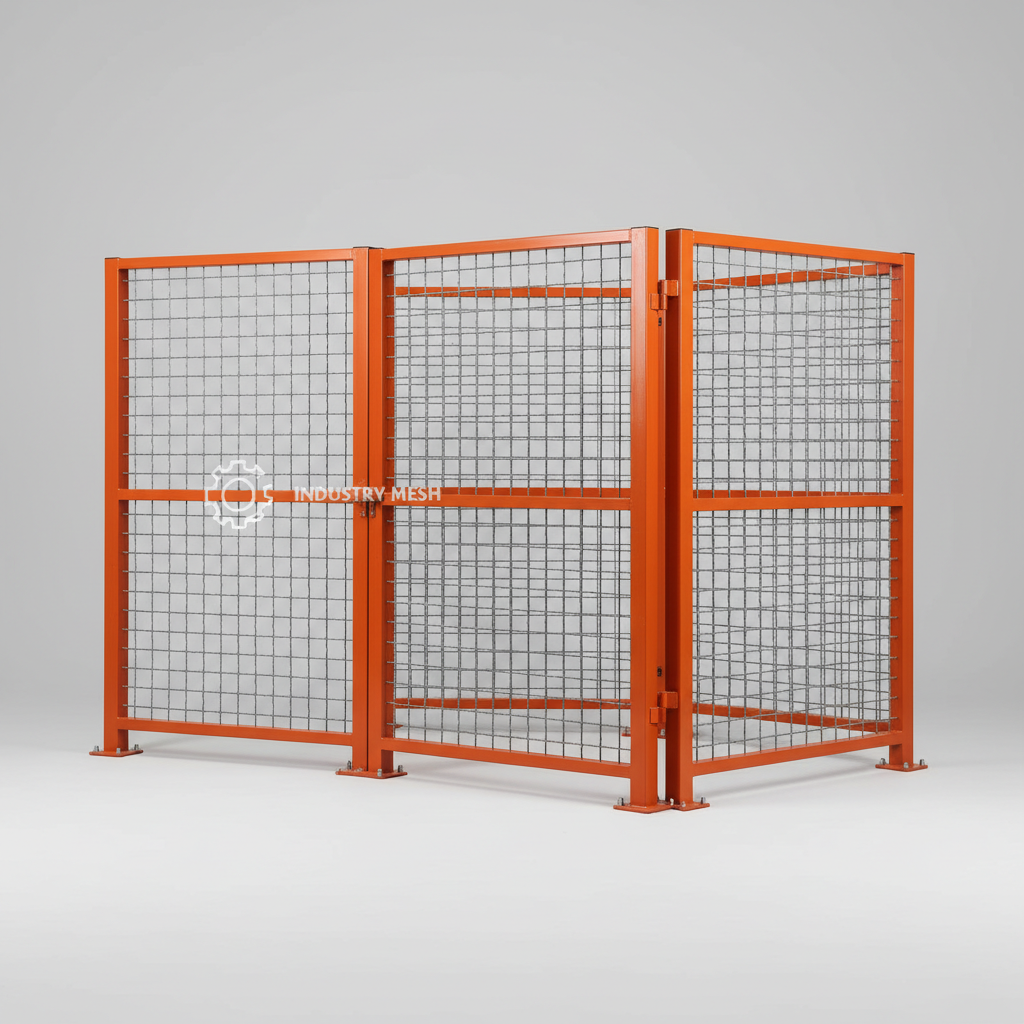
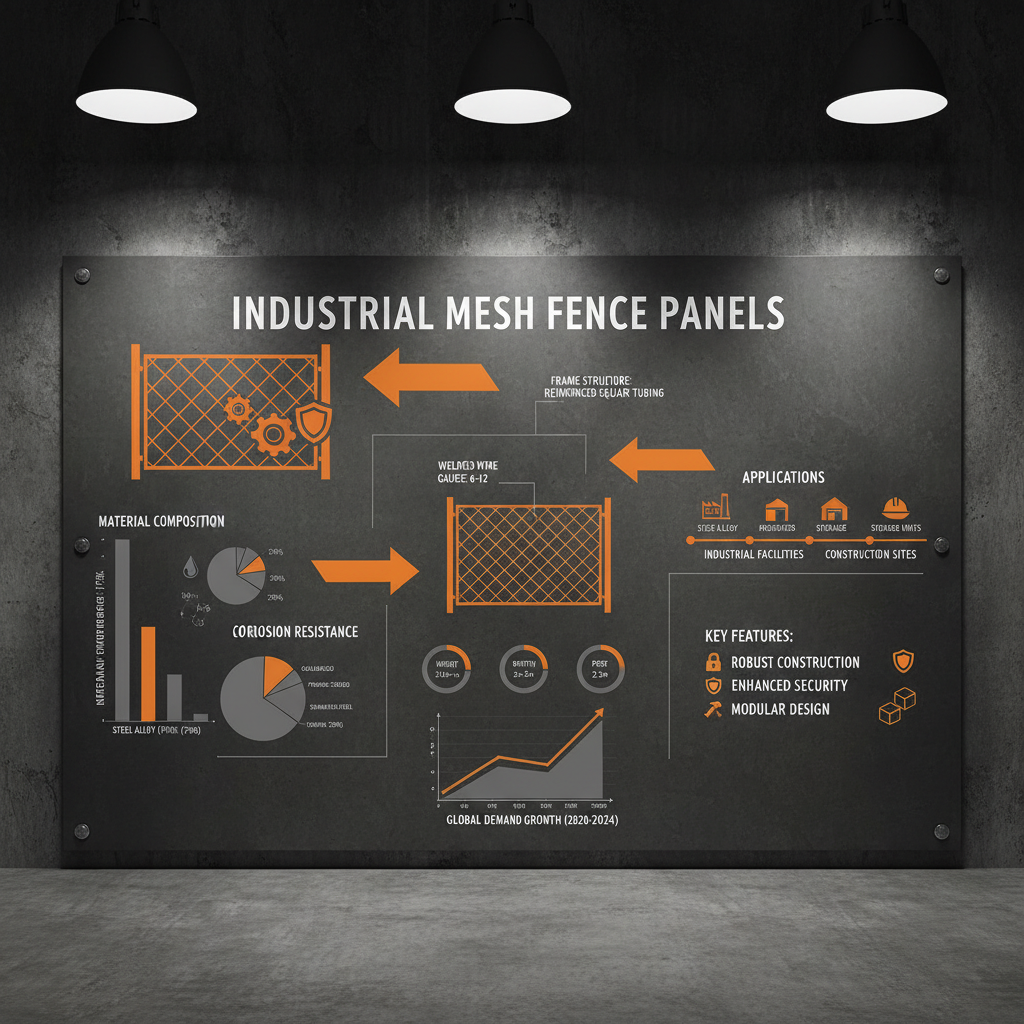
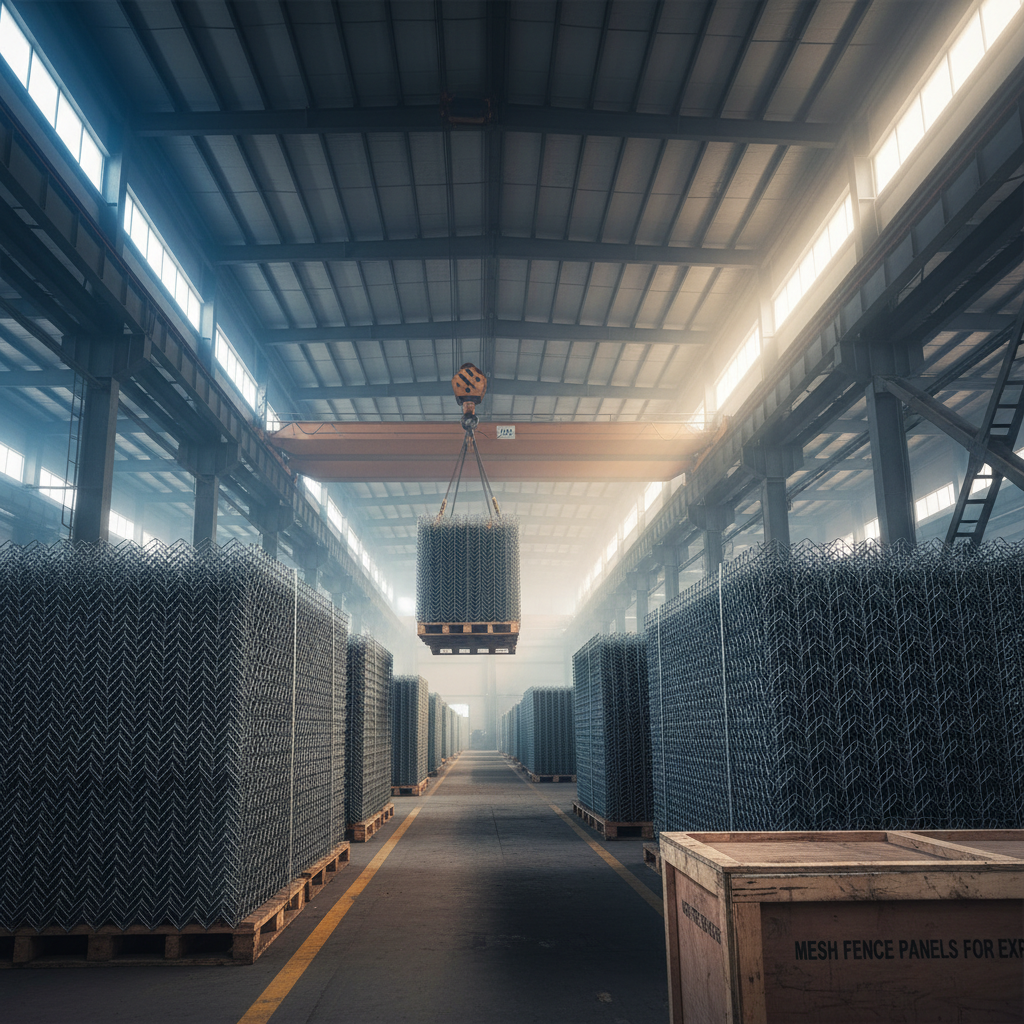
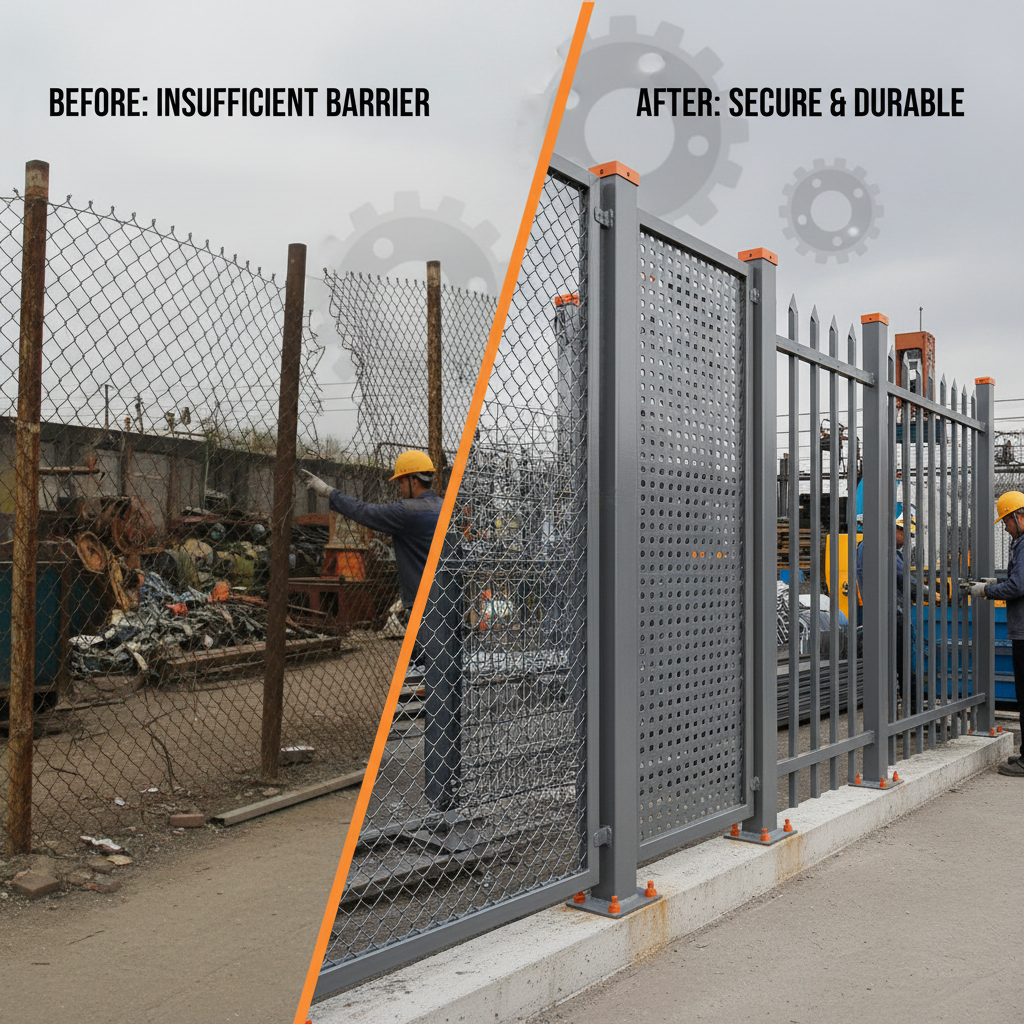
Industrial fence panels represent a crucial element in modern infrastructure, providing security, defining boundaries, and ensuring safety across diverse applications. From safeguarding industrial sites and commercial properties to delineating residential areas and containing agricultural livestock, these panels play a vital role in protecting assets and personnel. The global demand for robust and reliable fencing solutions is consistently growing, driven by increased urbanization, infrastructure development, and heightened security concerns.
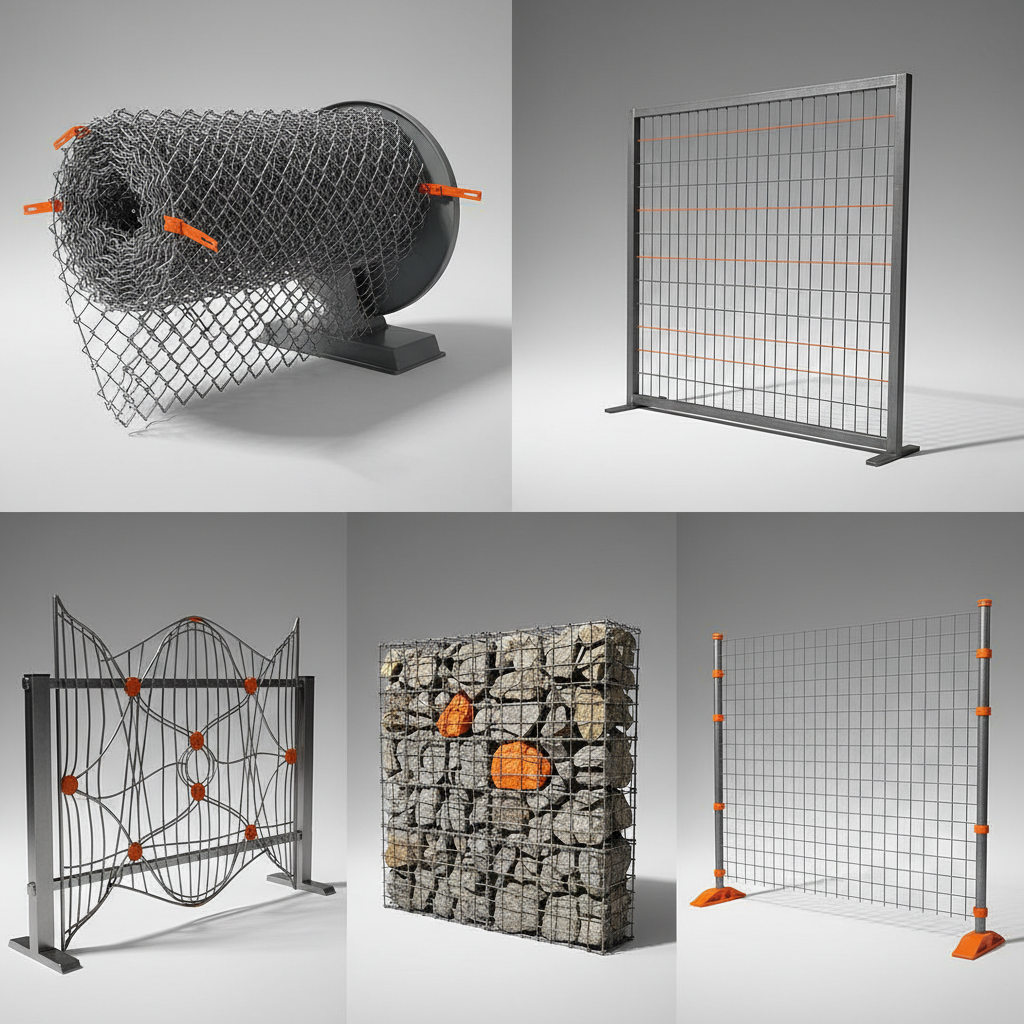
The importance of understanding industrial fence panels extends beyond simple containment. Selecting the appropriate panel type – be it welded mesh, chain link, 3D panel, or double wire – directly impacts operational efficiency, long-term maintenance costs, and overall security posture. Furthermore, advancements in materials and manufacturing processes are continuously enhancing the performance and sustainability of these systems.
Choosing the right industrial fence panels is an investment in long-term security and peace of mind, essential for businesses and individuals alike.
Defining Industrial Fence Panels
Industrial fence panels are robust, pre-fabricated fencing systems designed to provide perimeter security and containment for a wide range of industrial, commercial, and residential applications. They are typically constructed from welded wire mesh, chain link, or expanded metal, and are often galvanized or powder-coated for enhanced durability and corrosion resistance. industrial fence panels differ from traditional fencing by offering a streamlined installation process and a consistently high level of security.
These panels address the fundamental need for controlled access and protection against unauthorized entry, vandalism, and theft, crucial for safeguarding valuable assets, protecting employees, and maintaining operational continuity. They are a critical component of comprehensive security strategies, and their effective implementation contributes to a safer and more secure environment.
Global Relevance and Applications
The demand for industrial fence panels is truly global, driven by factors such as increasing industrialization, urbanization, and growing security concerns. Countries undergoing rapid economic development, particularly in Asia and Africa, are experiencing significant demand for robust fencing solutions to secure industrial parks, construction sites, and critical infrastructure. The UN's Sustainable Development Goals (SDGs), particularly those related to infrastructure development and sustainable cities, indirectly contribute to the demand for high-quality fencing systems.
These panels find applications across a diverse range of sectors. In the energy sector, they protect power plants, substations, and pipelines. In transportation, they secure railway yards, airports, and port facilities. And in the commercial sector, they provide perimeter security for warehouses, factories, and distribution centers. The World Bank estimates that infrastructure investment in developing countries will exceed $1 trillion annually, creating substantial demand for supporting products like industrial fence panels.
From securing remote mining operations in Australia to protecting agricultural lands in Europe, industrial fence panels are a universally recognized solution for perimeter security and asset protection.
Core Components and Material Science
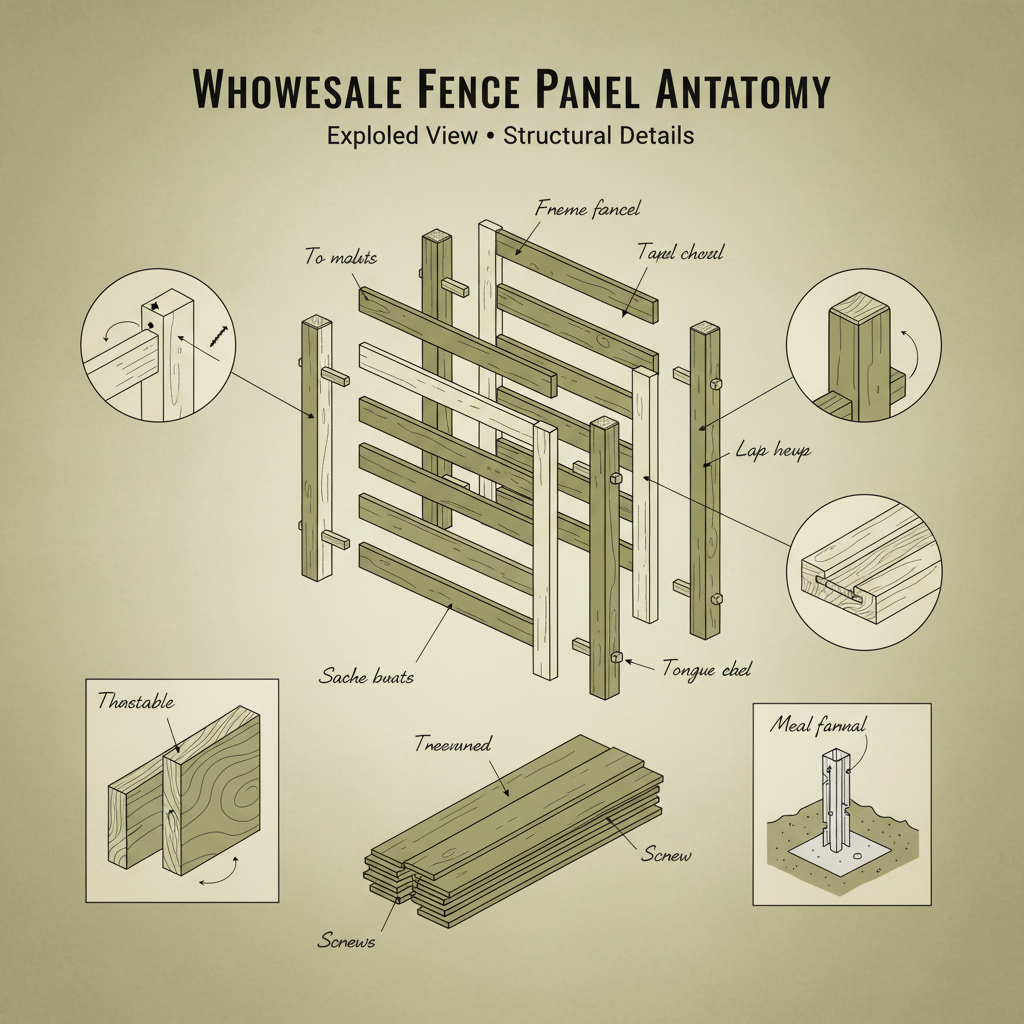
The core components of industrial fence panels typically include the wire mesh or expanded metal itself, the support rails or frames, and the connecting hardware. The material selection is paramount, with galvanized steel being the most common choice due to its cost-effectiveness and corrosion resistance. However, stainless steel is often preferred for applications requiring higher levels of durability and resistance to harsh environments.
Advances in material science have led to the development of innovative coatings, such as polyester powder coating, which offer enhanced UV resistance and aesthetic appeal. The wire gauge (thickness) and mesh aperture (opening size) are critical factors determining the panel's strength and security level. Understanding these material properties is essential for selecting the optimal panel for a specific application.
Furthermore, the manufacturing process plays a crucial role. Welded wire mesh panels offer superior strength and rigidity compared to woven wire panels, making them ideal for high-security applications. The quality of the welding and the consistency of the mesh aperture are key indicators of panel quality.
Key Performance Indicators of industrial fence panels
Evaluating the performance of industrial fence panels requires considering several key indicators. Durability, measured by resistance to corrosion and physical impact, is paramount. Scalability, or the ease with which the system can be extended or modified, is crucial for evolving security needs. Cost-efficiency, considering both upfront investment and long-term maintenance costs, is a key decision-making factor.
Another critical indicator is security level, which depends on the wire gauge, mesh aperture, and overall panel design. Aesthetics also play a role, particularly in residential or commercial applications where visual appeal is important. Finally, compliance with relevant industry standards and regulations ensures the panel meets required safety and performance criteria.
Industrial Fence Panel Performance Comparison
Real-World Applications & Case Studies
Industrial fence panels are integral to securing critical infrastructure around the globe. Consider the protection of major airports, where high-security industrial fence panels, often coupled with surveillance systems, prevent unauthorized access to runways and terminals. Similarly, in the oil and gas industry, these panels safeguard pipelines and processing facilities from potential threats.
In post-disaster relief operations, temporary industrial fence panels are often deployed to establish secure perimeters around aid distribution centers, protecting vital supplies and ensuring orderly access. Furthermore, many agricultural businesses rely on these panels to contain livestock, deter poaching, and protect crops from wildlife damage.
Advantages and Long-Term Value Proposition
Investing in high-quality industrial fence panels delivers a compelling long-term value proposition. The initial cost is offset by reduced security breaches, lower maintenance requirements, and increased asset protection. Compared to traditional fencing materials like wood, industrial fence panels offer superior durability and resistance to weathering, minimizing replacement costs.
The enhanced security provided by these panels contributes to a safer working environment, reducing the risk of accidents and injuries. Furthermore, a well-defined perimeter instills a sense of security and trust among employees and customers, enhancing brand reputation and customer loyalty. The long-term reliability and minimal maintenance translate to significant cost savings over the panel’s lifespan.
Future Trends and Technological Advancements
The future of industrial fence panels is poised for innovation, driven by advancements in materials science and smart technology. The development of self-healing coatings that automatically repair minor damage is one promising area of research. Integrating sensors and IoT (Internet of Things) devices into the panels will enable real-time monitoring of perimeter security, alerting authorities to potential breaches or intrusions.
Sustainable manufacturing practices, utilizing recycled materials and minimizing environmental impact, are gaining prominence. The integration of AI-powered video analytics with fencing systems will allow for more accurate threat detection and automated response capabilities. These trends point towards a future where industrial fence panels are not merely physical barriers, but intelligent security systems.
Challenges and Solutions
Despite their benefits, challenges remain in the effective implementation of industrial fence panels. Theft of panels, particularly in areas with high metal prices, can be a concern. Proper installation is critical; inadequate foundation support or incorrect panel connections can compromise the system's integrity. Maintaining the aesthetic appeal of the panels over time, especially in harsh environments, requires regular cleaning and maintenance.
Solutions include utilizing anti-theft fasteners, implementing robust installation procedures, and employing protective coatings. Regular inspections and proactive maintenance programs are essential for identifying and addressing potential issues before they escalate. Utilizing advanced materials and innovative designs can enhance the panels' resistance to corrosion and weathering, minimizing maintenance requirements.
Addressing these challenges proactively ensures the long-term effectiveness and value of industrial fence panel systems.
Overview of Common Challenges and Corresponding Solutions for Industrial Fence Panels
| Challenge |
Severity (1-10) |
Potential Impact |
Recommended Solution |
| Panel Theft |
7 |
Security Breach, Replacement Costs |
Anti-Theft Fasteners, Surveillance Systems |
| Corrosion |
8 |
Reduced Durability, Structural Weakness |
Galvanized or Powder-Coated Panels, Regular Inspections |
| Improper Installation |
9 |
Compromised Security, Panel Failure |
Certified Installers, Strict Adherence to Guidelines |
| Vandalism |
6 |
Panel Damage, Security Breach |
Robust Panel Design, Surveillance Systems |
| Aesthetic Degradation |
5 |
Reduced Visual Appeal, Brand Image |
Regular Cleaning, Protective Coatings |
| Foundation Issues |
7 |
Panel Instability, Potential Collapse |
Proper Foundation Design, Soil Analysis |
FAQs
The lifespan of industrial fence panels varies depending on the material, coating, and environmental conditions. Galvanized steel panels typically last 15-20 years, while stainless steel panels can exceed 30 years. Regular maintenance, such as cleaning and re-coating, can significantly extend the panel's lifespan. Consider the local climate and potential corrosive elements when estimating longevity, as coastal areas or industrial zones with high pollution can accelerate degradation.
Compliance with security regulations depends on the specific application and location. Many industrial fence panels are designed to meet or exceed relevant standards, such as those set by government agencies or industry organizations. Ensure that the panels selected have been tested and certified to meet the required security levels for your specific needs. Look for certifications demonstrating compliance with recognized standards for impact resistance, climb resistance, and cut resistance.
The appropriate height of industrial fence panels depends on the level of security required, the nature of the site, and any local regulations. Higher panels generally offer greater security but may also be more expensive. Consider the potential for climbing or scaling the fence when determining the height. Consult with a security professional to assess your specific needs and recommend the optimal height for your application.
Galvanizing is a process of coating steel with zinc to protect it from corrosion. Powder coating involves applying a dry powder coating to the steel, which is then cured under heat. Powder coating offers superior UV resistance and a wider range of color options, while galvanizing provides a more robust barrier against corrosion, particularly in harsh environments. Often, panels will be galvanized first, then powder-coated for a dual layer of protection.
Installation difficulty varies depending on the panel type, site conditions, and the installer's experience. Generally, industrial fence panels are relatively easy to install compared to traditional fencing systems, as they require minimal on-site fabrication. However, proper foundation preparation and accurate panel alignment are crucial for ensuring a secure and stable fence. Professional installation is recommended for complex projects or when security is a top priority.
Maintenance requirements are generally minimal. Regular inspections for damage or corrosion are recommended. Cleaning the panels periodically with a mild detergent and water can help prevent the buildup of dirt and debris. Touch-up painting may be necessary for powder-coated panels to repair any scratches or chips. Promptly addressing any damage or corrosion can significantly extend the panel's lifespan and maintain its security effectiveness.
Conclusion
In conclusion, industrial fence panels are a vital component of modern security infrastructure, providing reliable protection for a wide range of applications. Their durability, scalability, and cost-effectiveness make them an essential investment for businesses, governments, and individuals seeking to safeguard their assets and ensure peace of mind. From protecting critical infrastructure to securing commercial properties, these panels play a crucial role in maintaining a safe and secure environment.
Looking ahead, advancements in materials science and smart technology promise to further enhance the performance and functionality of industrial fence panels. Embracing these innovations and adopting proactive maintenance practices will ensure the long-term effectiveness and value of these systems. Visit www.hyliecfence.com to learn more about our comprehensive range of industrial fence solutions and discover how we can help you protect what matters most.