Look, I’ve spent the last fifteen years walking construction sites, getting dust in my boots, and talking to the guys actually building things. And let me tell you, the biggest headache isn't always the weather or the subcontractors – it’s managing materials. Specifically, fencing. Traditional fencing is a beast: slow to install, a pain to move, and always seems to be the wrong length when you need it. That's where the real value of individual fence panels comes in. It’s not just about keeping people in or out; it’s about efficiency, adaptability, and frankly, making everyone’s lives a little easier on site.
We're seeing a massive shift in how projects are planned and executed. Everything is about modularity and prefabrication. But fencing? It’s often an afterthought. That’s changing. Contractors are realizing that the cost of wasted time and labor trying to wrangle traditional fencing far outweighs the initial price difference. They need something that integrates seamlessly with modern construction practices – something flexible, durable, and quick to deploy. individual fence panels offer precisely that solution, and the demand is growing rapidly.
From securing a demolition site to creating temporary pedestrian walkways, or even setting up compound barriers, reliable perimeter control is vital. Too often, we see corners cut on temporary fencing, leading to safety issues and delays. Investing in a robust and easily managed system like individual fence panels is a small price to pay for peace of mind and a smoother project workflow. It’s a subtle change, but the ripple effect through a whole construction schedule can be significant.
The Core Value of Individual Fence Panels
From where I stand, the biggest win with individual fence panels isn’t just the product itself, but the mindset shift. It’s about thinking in terms of a system, not just a barrier. You're not wrestling with awkward lengths of chain link; you’re building a perimeter solution piece by piece. This fundamentally changes how you approach site security and flow.
We’ve seen project managers cut fencing installation time by as much as 40% just by switching to a panelized system. That’s 40% more time for crews to focus on actual construction! And when you factor in the reduced waste and the ability to reuse panels on multiple projects, the cost savings become incredibly significant.
Global Relevance and Rising Demand
This isn't a trend that's limited to North America or Europe. I’ve worked on projects in Southeast Asia, the Middle East, and even remote locations in Africa, and the need for efficient, reliable fencing is universal. The construction boom in developing nations is driving demand for quicker, more adaptable solutions. They don’t have the time or the resources to mess around with outdated fencing methods.
According to a recent report by the International Federation of Construction (IFC), the global construction industry is projected to reach $15.4 trillion by 2025. That growth will inevitably lead to an increased demand for efficient construction materials and processes, including perimeter security. individual fence panels are perfectly positioned to capitalize on this trend.
We’re also seeing a huge increase in demand from the event management sector, particularly for large-scale festivals and outdoor concerts. They need to quickly create secure perimeters and manage crowd flow, and traditional fencing just doesn’t cut it.
Defining Individual Fence Panels: More Than Just Barriers
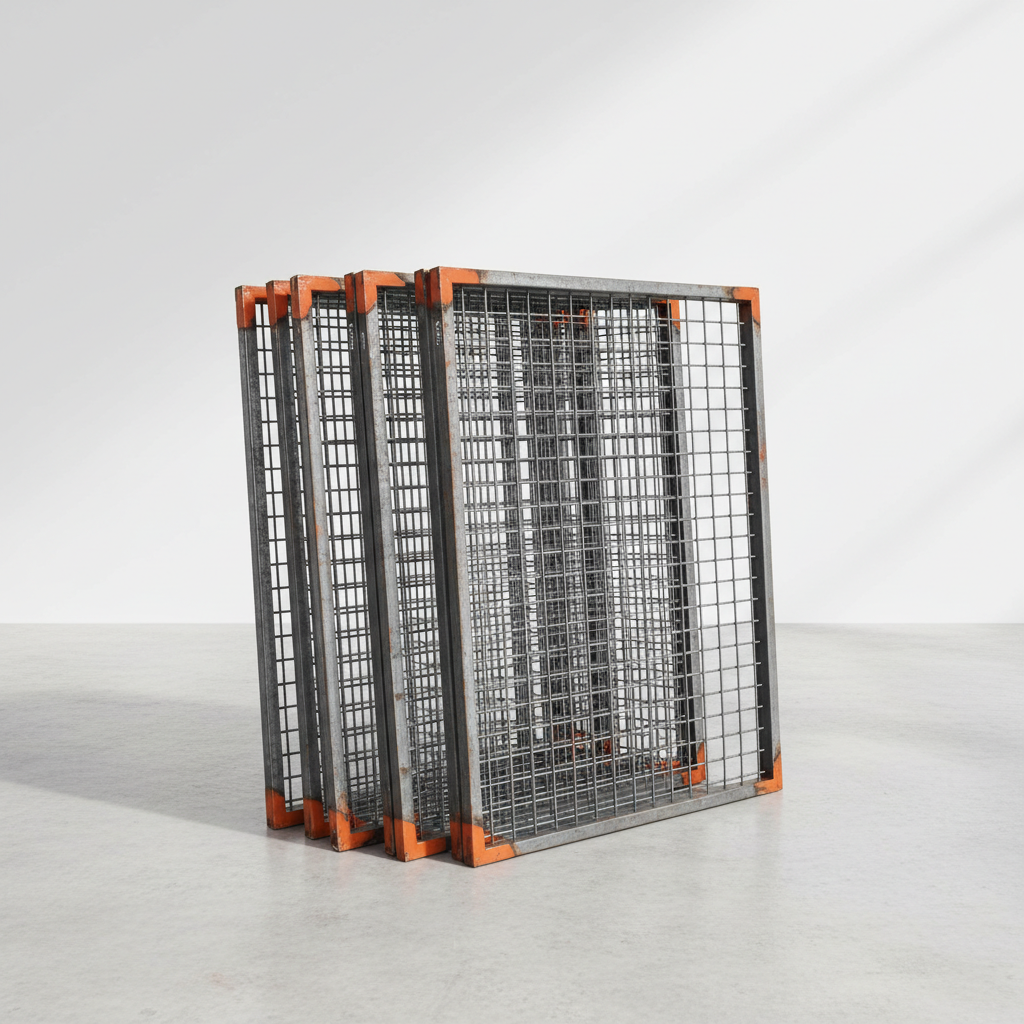
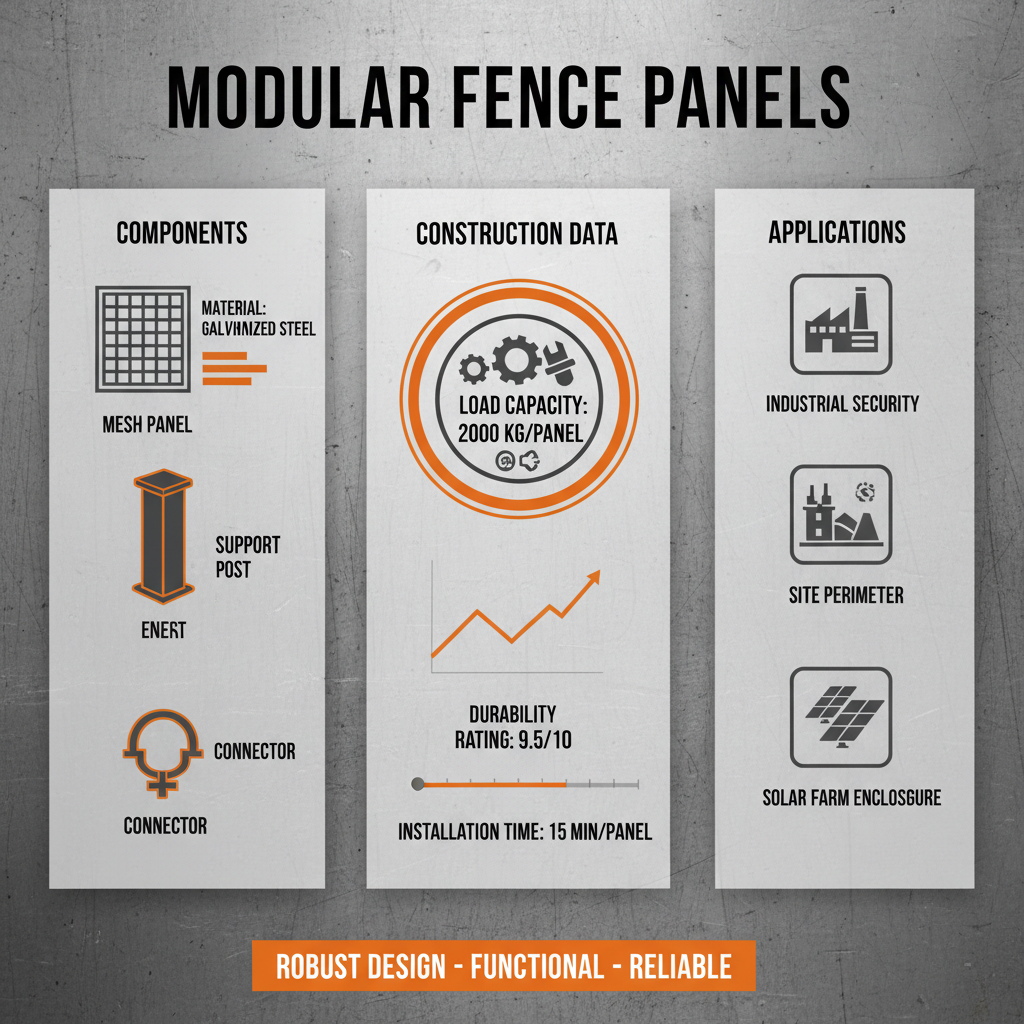
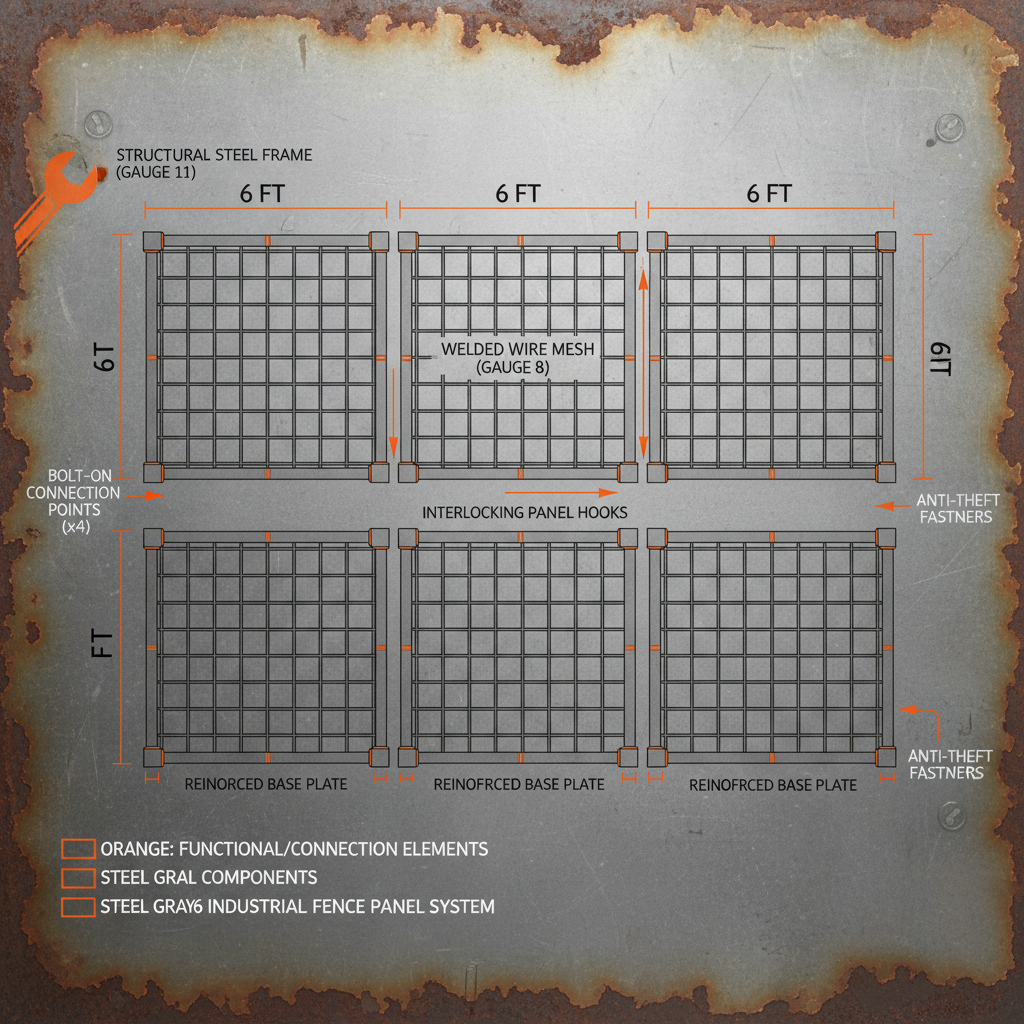
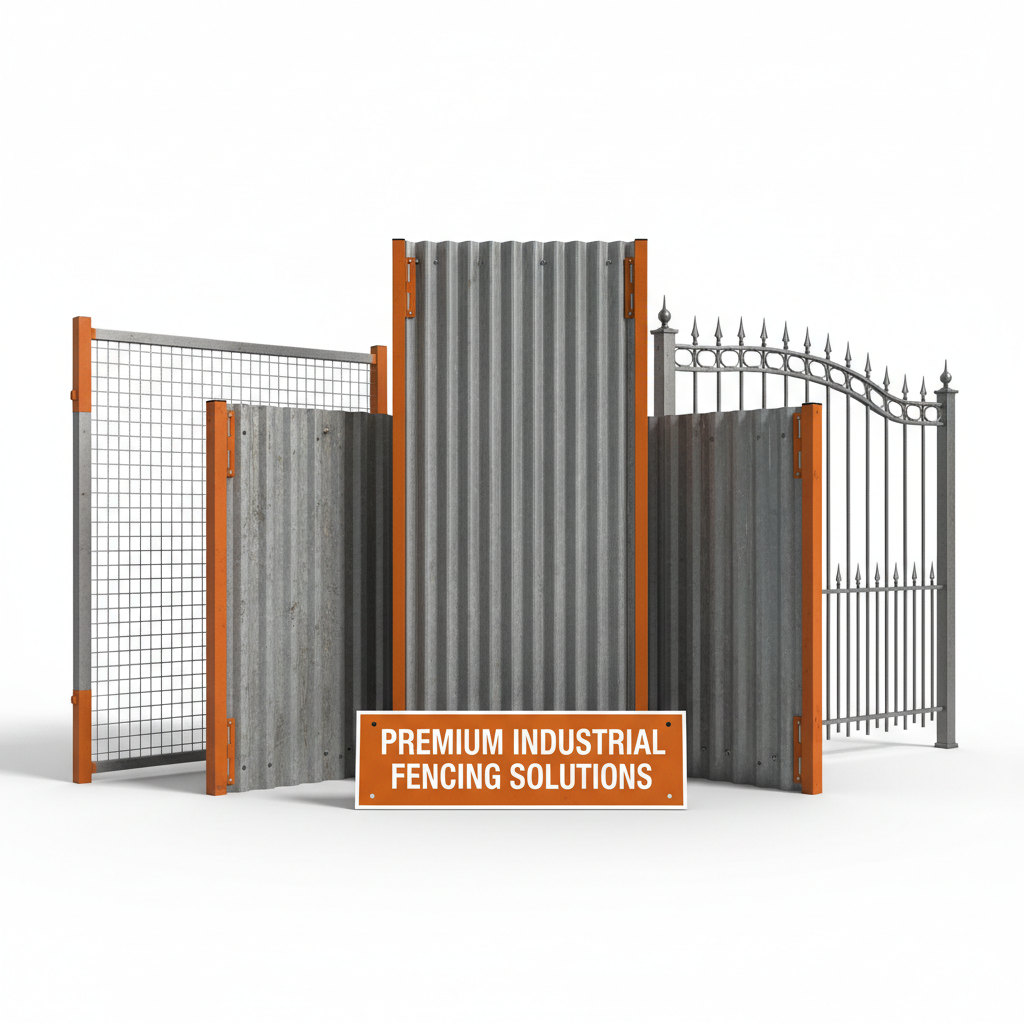
Let's be clear: individual fence panels aren’t just sections of fencing. They're engineered components designed for rapid deployment and reconfigurability. They typically consist of a robust frame – often steel or aluminum – with infill options ranging from chain link to solid panels or even privacy screens. The key is the standardized connection points that allow you to quickly assemble and disassemble sections.
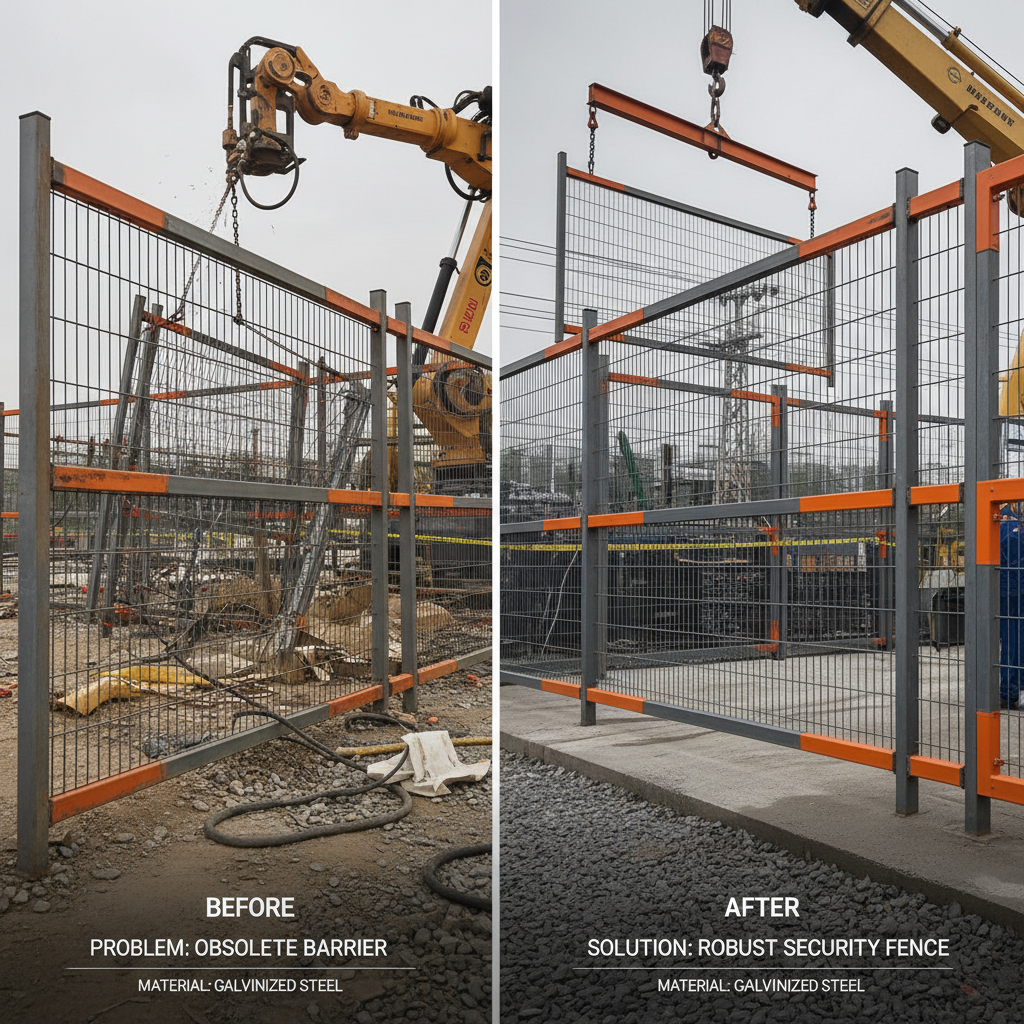
This modularity is crucial. It means you can adapt to changing site conditions, easily expand or contract the perimeter, and even repurpose the panels for different applications. Think about a phased construction project where the security needs evolve over time. With traditional fencing, you’re constantly cutting, welding, and adjusting. With individual panels, you're simply adding or removing sections.
It’s a fundamentally different approach to site security, and it’s becoming the new standard. It’s a system designed to integrate into the overall project plan, instead of being an afterthought.
Key Factors: Durability, Adaptability, and Cost
I’ve seen fencing systems buckle under pressure, rust after a single season, and generally fall apart. Durability is paramount, and that starts with the materials. High-quality steel, corrosion-resistant coatings, and robust connection points are essential. You’re not just buying a fence; you’re investing in a system that needs to withstand the rigors of a construction site.
Adaptability is the second key factor. Can the system be easily reconfigured to accommodate changing site conditions? Can it be used for a variety of applications, from perimeter security to crowd control? individual fence panels excel in both of these areas.
Cost Comparison: Individual Fence Panels vs. Traditional Methods
Applications Across Diverse Construction Sites
I’ve seen individual fence panels used in everything from high-rise construction projects to road building and even pipeline installations. The flexibility is a huge asset. For example, on a recent highway project, we used them to create temporary pedestrian walkways and reroute traffic safely around construction zones.
They are invaluable for securing demolition sites, preventing unauthorized access and protecting valuable equipment. They’re also perfect for creating temporary compounds for storing materials and providing secure work areas for crews. And, as I mentioned earlier, they’re becoming increasingly popular for event management.
Long-Term Benefits: Efficiency and Safety
The efficiency gains are real. Less time spent on installation and maintenance translates directly into cost savings. But the biggest benefit, in my opinion, is improved safety. A well-defined perimeter is crucial for protecting workers, preventing accidents, and ensuring the security of the site.
When you have a system that’s easy to install and reconfigure, you’re less likely to take shortcuts or compromise on safety. And a secure site is a more productive site. It builds trust with the local community and reduces the risk of theft and vandalism.
Investing in quality individual fence panels isn't just about complying with regulations; it’s about creating a culture of safety and professionalism.
Future Trends and Material Innovations
We're starting to see some exciting innovations in fencing materials. Lightweight, high-strength alloys are becoming more common, reducing the overall weight of the panels without sacrificing durability. Smart fencing systems, incorporating sensors and monitoring technology, are also on the horizon. Imagine a fence that can automatically detect breaches and alert security personnel.
There’s also a growing emphasis on sustainability. Manufacturers are exploring the use of recycled materials and developing more environmentally friendly coatings. The demand for greener construction practices is driving innovation across the board.
I predict that in the next few years, we’ll see individual fence panels become even more integrated with digital construction tools, such as BIM (Building Information Modeling) software, allowing for seamless perimeter planning and management.
Summary of Key Factors Influencing Individual Fence Panel Selection
| Material Quality |
Connection Type |
Corrosion Resistance |
Panel Weight/Handling |
| High-grade steel or aluminum alloy (Rating: 8/10) |
Secure locking mechanism, minimizing gaps (Rating: 9/10) |
Galvanized coating with powder coat finish (Rating: 7/10) |
Panels designed for single-person handling (Rating: 8/10) |
| Recycled plastic composite (Rating: 6/10) |
Simple hook-and-loop system (Rating: 5/10) |
Limited corrosion resistance (Rating: 3/10) |
Requires two-person lift (Rating: 4/10) |
| Stainless steel (Rating: 10/10) |
Bolted connection with tamper-proof fasteners (Rating: 10/10) |
Excellent corrosion resistance (Rating: 9/10) |
Slightly heavier panels, but manageable (Rating: 7/10) |
| Low-carbon steel (Rating: 5/10) |
Wire tie system (Rating: 4/10) |
Requires regular maintenance (Rating: 4/10) |
Bulky and difficult to handle (Rating: 3/10) |
| Aluminum with protective coating (Rating: 7/10) |
Clamp-based connection (Rating: 7/10) |
Good corrosion resistance in most environments (Rating: 6/10) |
Lightweight and easy to maneuver (Rating: 9/10) |
| Composite wood and plastic (Rating: 6/10) |
Interlocking panel design (Rating: 6/10) |
Susceptible to UV damage (Rating: 5/10) |
Moderate weight (Rating: 6/10) |
FAQS
Individual fence panels offer significantly faster installation, reduced labor costs, and greater flexibility for site layout changes. Unlike chain link, you’re not constantly cutting and adjusting; you're building a perimeter with pre-engineered components. This also reduces waste, as panels can be reused on multiple projects. The modularity is a game-changer for projects with evolving security needs.
Absolutely. The modular design of these panels allows for easier adjustment to uneven ground. Many systems offer adjustable feet or the ability to add bracing to compensate for slopes. You can also strategically place panels to follow the contours of the land, minimizing the need for extensive site preparation. It’s a huge advantage over trying to conform traditional fencing to uneven surfaces.
With proper care, high-quality individual fence panels can last for 10-15 years or even longer. Maintenance primarily involves regular inspections for damage or corrosion, and occasional tightening of fasteners. Galvanized steel and powder-coated finishes provide excellent protection against the elements. It’s far less maintenance than constantly repairing chain link or replacing damaged sections.
The initial cost of individual fence panels can be slightly higher than traditional chain link. However, when you factor in labor savings, reduced waste, and the potential for reuse, the overall cost of ownership is often lower. The faster installation time alone can save you significant money on a large project. Plus, the durability reduces the need for frequent replacements.
Yes, there’s a wide range of infill options to choose from, including chain link, solid panels, privacy screens, and even transparent polycarbonate. This allows you to customize the panels to meet specific security, privacy, and aesthetic requirements. You can also easily swap out infill panels to change the appearance of the fence without replacing the entire system.
One of the biggest advantages is portability. The modular design allows the panels to be stacked efficiently for transport and storage, minimizing space requirements. They can be easily loaded onto trucks or trailers and moved to different locations as needed. This is a huge benefit for contractors working on multiple projects simultaneously.
Conclusion
In the end, individual fence panels represent a fundamental shift in how we approach perimeter security on construction sites. They're not just a product; they're a system designed to improve efficiency, reduce costs, and enhance safety. They offer adaptability, durability, and a level of convenience that traditional fencing simply can't match.
Looking ahead, I expect to see even wider adoption of this technology as more contractors recognize the benefits. And as material science continues to advance, we’ll see even more innovative and sustainable fencing solutions emerge. If you’re looking for a smarter, more efficient way to secure your next project, I highly recommend exploring the possibilities of individual fence panels.