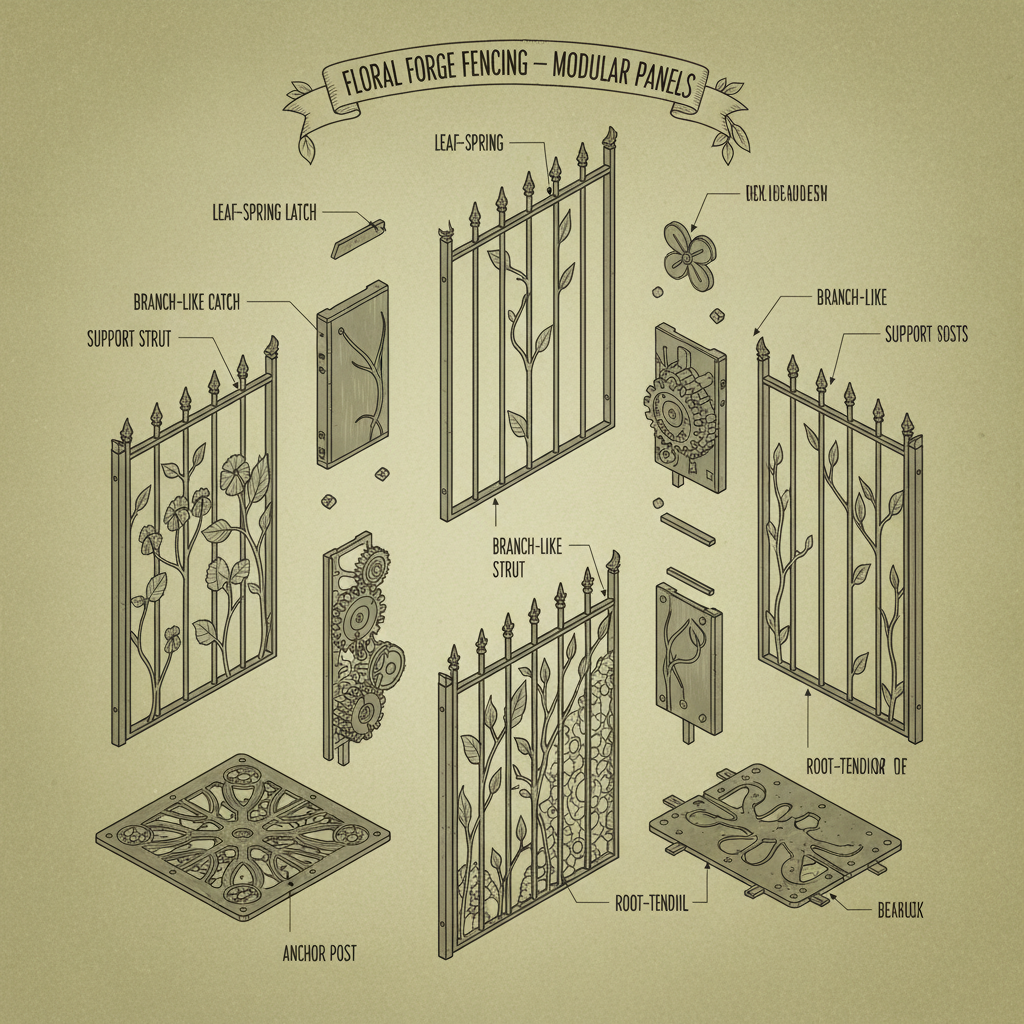
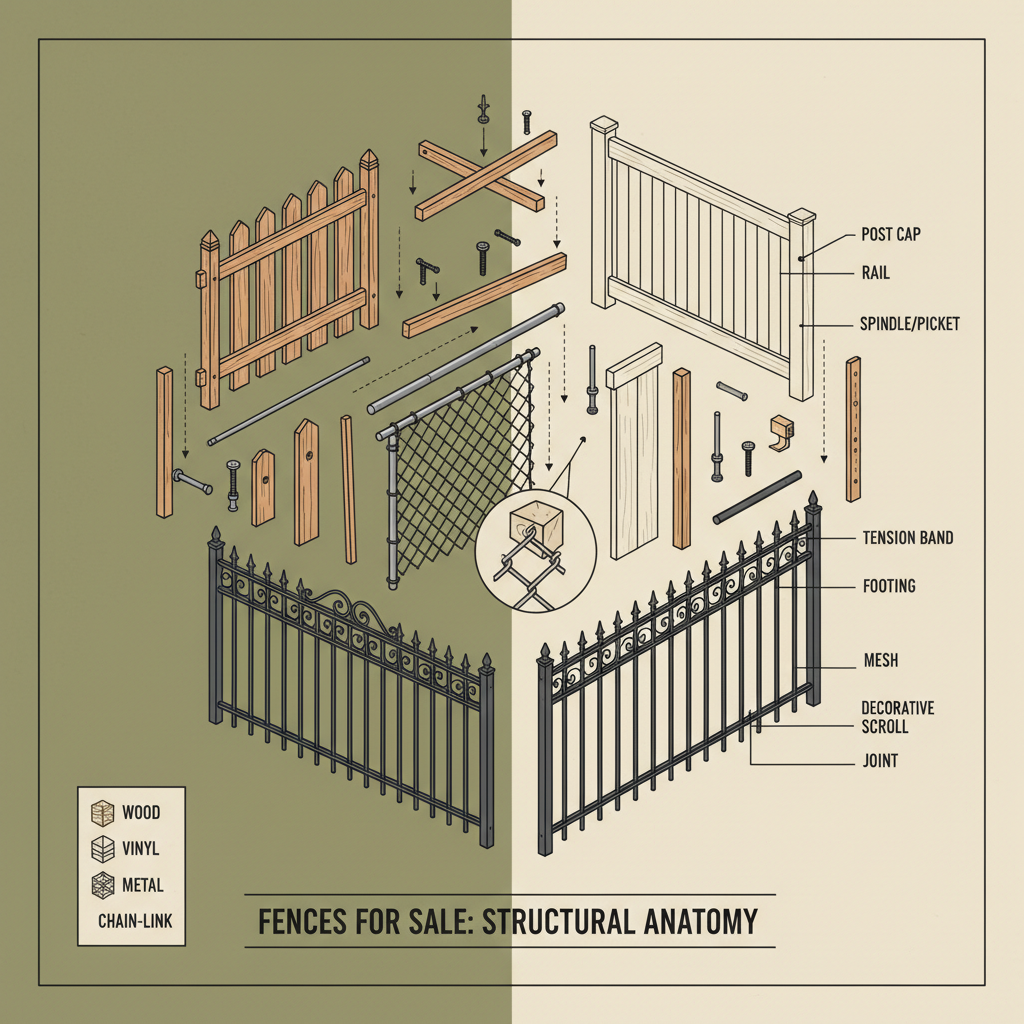
Types of fence panels are a critical component of security, privacy, and aesthetic appeal for residential, commercial, and industrial properties. The global fence market is experiencing steady growth, driven by increasing construction activity, infrastructure development, and a heightened focus on property protection. According to a report by Grand View Research, the global fencing market size was valued at USD 48.82 billion in 2022 and is projected to reach USD 67.97 billion by 2030, growing at a CAGR of 4.9% from 2023 to 2030. Understanding the diverse types of fence panels available is essential for making informed decisions that align with specific needs and budgets.
The widespread adoption of different fence panel solutions directly impacts various sectors, from real estate and agriculture to government and public works. Choosing the right panel material, design, and installation method can significantly affect the longevity, security, and overall value of a property. Therefore, a comprehensive understanding of available options, including wood, vinyl, metal, and composite panels, is crucial for professionals and homeowners alike.
The demand for specialized fence panels is also on the rise, including noise reduction barriers, privacy screens, and decorative elements. This reflects a broader trend toward creating more functional and aesthetically pleasing outdoor spaces. Properly selected types of fence panels can contribute to environmental sustainability, enhance property value, and improve the overall quality of life for communities worldwide.
Introduction to types of fence panels
The landscape of fencing is diverse, with a multitude of types of fence panels catering to varying needs and preferences. From traditional wooden picket fences to modern vinyl and metal designs, the selection process can be complex. The choice depends on several factors, including aesthetic considerations, security requirements, budget limitations, and local building codes. Properly selecting the correct panel construction for each situation is vital.
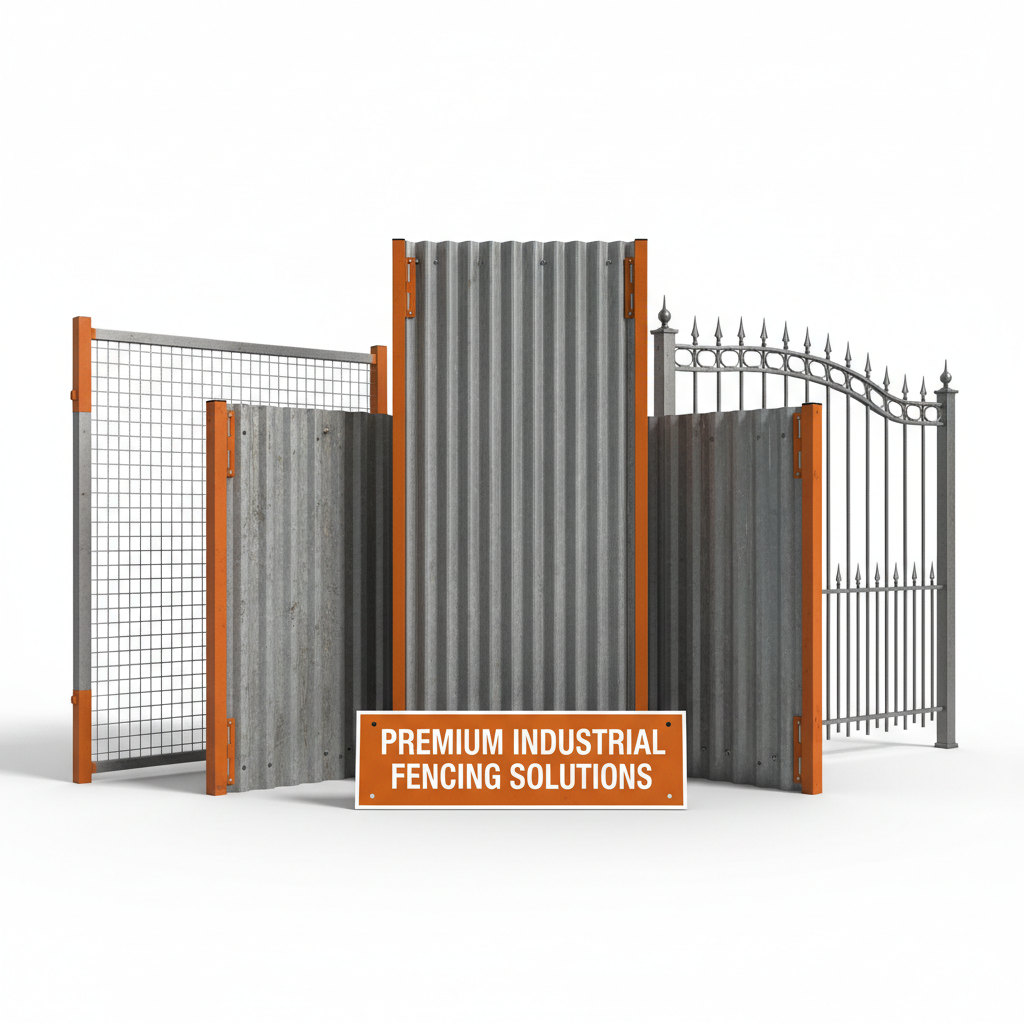
Different types of fence panels offer distinct advantages and disadvantages. Wood is often favored for its natural beauty and affordability but requires regular maintenance. Vinyl provides durability and low maintenance but can be more expensive upfront. Metal panels, such as wrought iron or aluminum, offer high security and longevity but may lack the warmth of wood. Ultimately, the ideal solution depends on the specific priorities of the property owner.
Defining types of fence panels
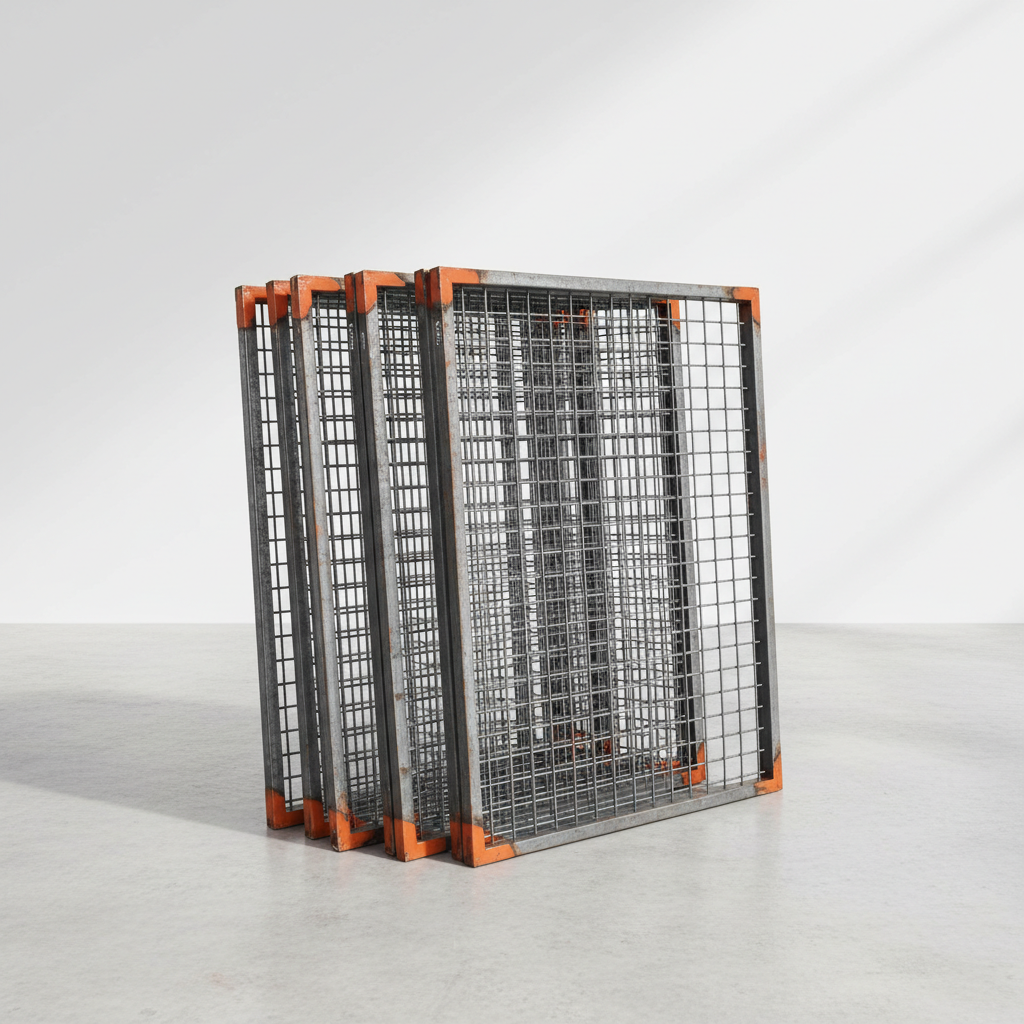
In its simplest form, a fence panel is a prefabricated section of fencing used to create a barrier between properties or to enclose an area. They are typically constructed from materials like wood, vinyl, aluminum, steel, or composite materials. These panels are designed to be easily installed between fence posts, providing a quick and efficient way to create a functional and visually appealing boundary. The term "types of fence panels" encompasses a broad range of designs, materials, and construction methods.
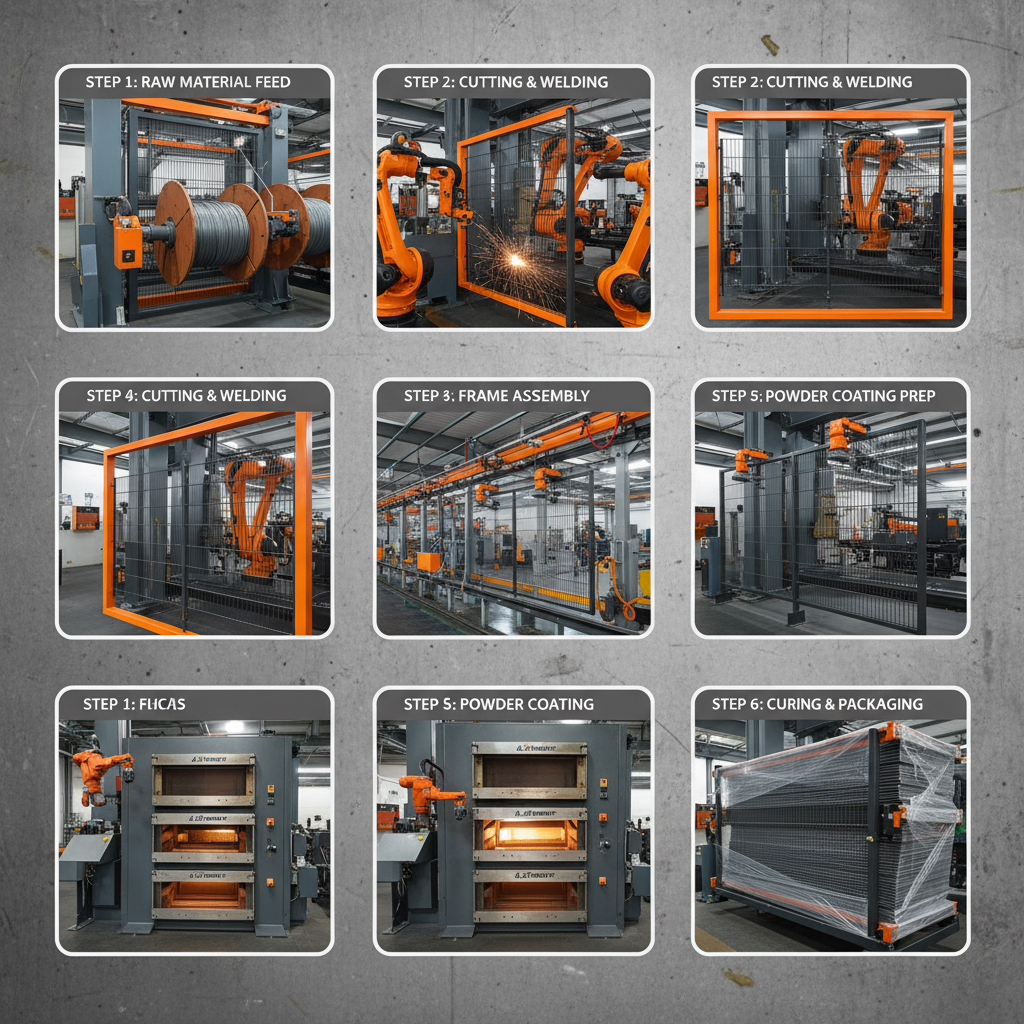
The concept of fence panels has evolved significantly over time. Historically, fences were often constructed entirely on-site using individual boards or pickets. However, the development of prefabricated panels has revolutionized the fencing industry, offering faster installation times, improved consistency, and greater design flexibility. Today’s panels often feature advanced features, such as integrated locking systems or noise reduction technology.
Understanding the specific composition and construction of different types of fence panels is essential for assessing their suitability for a particular application. Factors like panel height, width, thickness, and the type of infill material all contribute to the overall performance and longevity of the fence.
Core Characteristics of Fence Panels
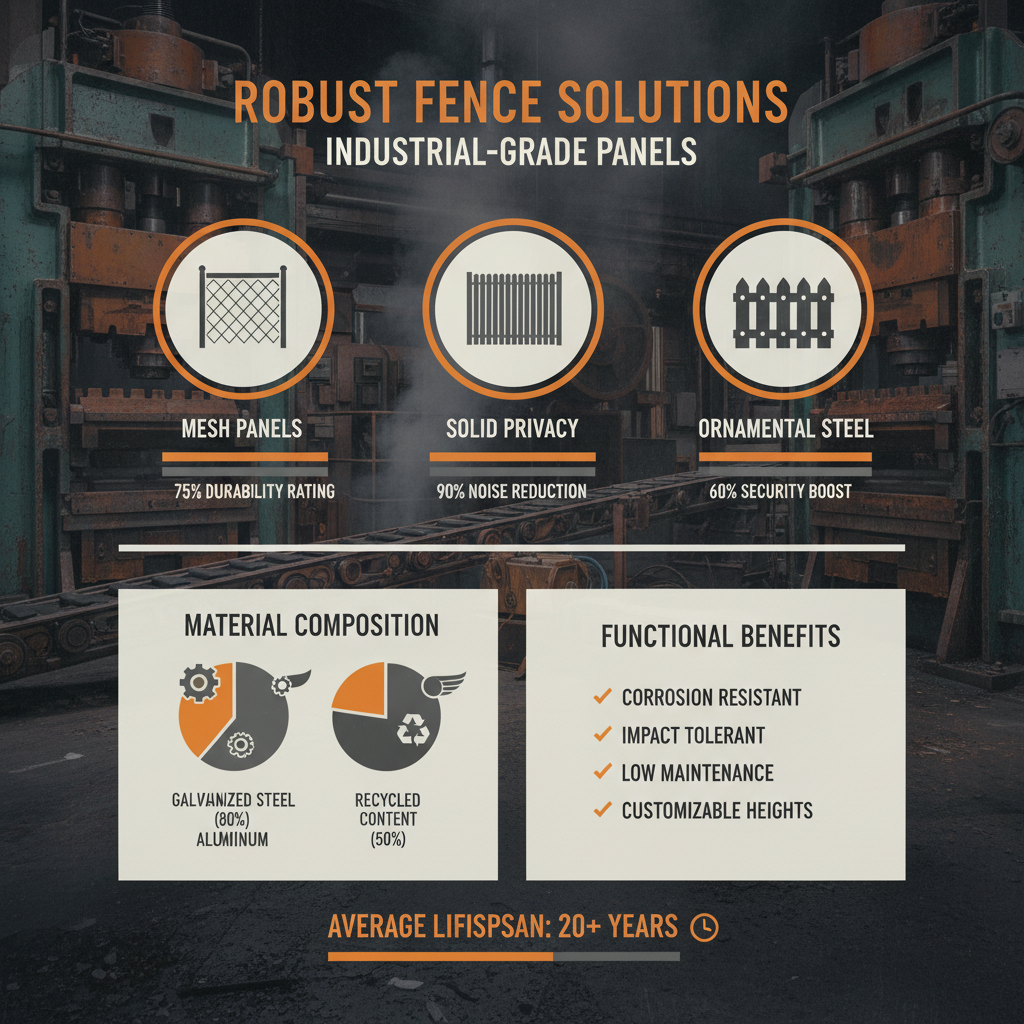
Several core characteristics define the quality and performance of types of fence panels. Durability is paramount, as fences are exposed to harsh weather conditions and potential physical impact. Material selection plays a crucial role, with options like vinyl and aluminum offering superior resistance to rot, corrosion, and weathering compared to wood. A fence's ability to withstand the elements directly impacts its lifespan and the frequency of required maintenance.
Security is another critical aspect. Metal panels, particularly those constructed from wrought iron or steel, provide the highest level of protection against intruders. The design of the panels, including the spacing between pickets or bars, also influences their security effectiveness. A properly designed fence can deter unauthorized access and enhance the overall safety of a property.
Aesthetic appeal is equally important, especially for residential properties. Types of fence panels are available in a wide range of styles, colors, and textures to complement any architectural design. From traditional picket fences to modern horizontal slatted panels, there's a solution to match every taste and preference. Ultimately, the goal is to create a visually pleasing boundary that enhances the curb appeal of the property.
Practical Applications Across Industries
The applications of types of fence panels extend far beyond residential properties. In agriculture, fencing is essential for containing livestock, protecting crops, and defining property boundaries. Heavy-duty wire or metal panels are commonly used in agricultural settings due to their durability and ability to withstand the rigors of farm life.
Industrial facilities utilize fencing for security, perimeter control, and noise reduction. High-security chain-link or steel panels are often employed to protect valuable assets and prevent unauthorized access. These fences may also incorporate features like barbed wire or razor wire for added protection.
In public spaces, such as parks and schools, types of fence panels are used to delineate boundaries, enhance safety, and create a welcoming environment. Vinyl or wood panels are often preferred in these settings due to their aesthetic appeal and relatively low maintenance requirements. In post-disaster relief operations, temporary fencing panels can be quickly deployed to establish secure zones and provide privacy for affected populations.
Fence Panel Application Breakdown
Advantages and Long-Term Value
Investing in quality types of fence panels yields numerous tangible benefits. Cost efficiency is a key advantage, as durable materials like vinyl and metal require minimal maintenance and have a longer lifespan than wood. This reduces long-term repair and replacement costs. Furthermore, certain panels contribute to sustainability by utilizing recycled materials or reducing the need for frequent treatment with harmful chemicals.
Security is often a primary driver for fence panel selection. A well-constructed fence provides a strong deterrent against intruders and enhances the safety of a property. This peace of mind translates into a significant emotional benefit for homeowners and business owners alike. Properly installed types of fence panels can significantly reduce the risk of theft and vandalism.
Beyond the practical benefits, well-chosen fence panels can enhance the aesthetic appeal of a property, increasing its curb appeal and potentially boosting its market value. The ability to customize the design and style of the fence allows property owners to create a unique and visually pleasing environment. This improves the overall quality of life and creates a welcoming atmosphere.
Future Trends in types of fence panels
The fencing industry is constantly evolving, with ongoing innovations in materials, design, and technology. One prominent trend is the increasing use of composite materials, which combine the best properties of wood and plastic to create durable, low-maintenance, and aesthetically pleasing panels. These composites are also often manufactured from recycled materials, contributing to environmental sustainability.
Smart fencing systems are another emerging trend. These systems incorporate sensors and connectivity features to provide real-time monitoring of fence integrity, intrusion detection, and remote access control. Smart fences can send alerts to property owners via mobile apps, enhancing security and providing greater peace of mind.
Sustainability will continue to be a major driver of innovation. Manufacturers are increasingly focused on developing types of fence panels from renewable resources and reducing the environmental impact of their production processes. This includes using eco-friendly coatings, minimizing waste, and optimizing transportation logistics.
Challenges and Innovative Solutions
Despite the many advancements in fencing technology, certain challenges remain. One common issue is the high cost of some premium materials, such as wrought iron or composite panels. This can be a barrier for budget-conscious property owners. Innovative financing options and the development of more affordable composite alternatives are helping to address this challenge.
Installation complexities can also be a concern, particularly for DIY projects. Incorrect installation can compromise the structural integrity and security of the fence. Manufacturers are responding by developing easier-to-install panel systems and providing comprehensive installation guides and support resources.
Addressing long-term maintenance requirements is another challenge. While some types of fence panels are relatively low maintenance, all fences eventually require some degree of upkeep. Regular cleaning, inspection, and minor repairs are essential to prolong the lifespan and maintain the appearance of the fence.
Summary of Challenges and Solutions for Fence Panels
| Challenge |
Impact on Fence Panels |
Proposed Solution |
Implementation Difficulty (1-10) |
| High Material Costs |
Limits accessibility for budget-conscious customers. |
Develop more affordable composite options and explore financing. |
6 |
| Complex Installation |
Compromises structural integrity and security if done incorrectly. |
Design easier-to-install systems and provide detailed guides. |
5 |
| Long-Term Maintenance |
Requires ongoing effort to preserve appearance and lifespan. |
Develop self-cleaning or low-maintenance panel coatings. |
7 |
| Environmental Impact |
Traditional materials may have significant carbon footprints. |
Utilize recycled materials and sustainable manufacturing processes. |
4 |
| Vandalism and Damage |
Can lead to costly repairs and security breaches. |
Develop more vandal-resistant panel designs and coatings. |
8 |
| Lack of Standardization |
Creates difficulties in sourcing replacement parts and components. |
Promote industry-wide standards for panel dimensions and materials. |
9 |
FAQS
Coastal areas present unique challenges for fencing due to salt spray and high winds. Vinyl and aluminum fence panels are generally considered the most durable options for these environments. Vinyl is resistant to corrosion and doesn't require painting, while aluminum won't rust. Wood fences are less suitable as they are susceptible to rot and warping from moisture. Regularly washing the fence to remove salt buildup will extend the life of any panel. Proper installation, using corrosion-resistant fasteners, is also critical to withstand strong winds.
Wood fences require regular staining or sealing to protect them from the elements and prevent rot. The frequency depends on your climate and the type of stain or sealant used. As a general guideline, it’s recommended to stain or seal a wood fence every 1-3 years. Inspect the fence annually for signs of fading, cracking, or peeling, and address these issues promptly. Proper preparation, including cleaning and sanding, is crucial for optimal stain or sealant adhesion.
Vinyl fence panels typically have a higher upfront cost than wood fence panels. However, when considering long-term costs, vinyl can be more economical. Wood fences require regular maintenance, such as staining and sealing, which adds to the overall expense. Vinyl fences are virtually maintenance-free, saving you time and money over the lifespan of the fence. The price difference can vary depending on the quality and style of the panels, as well as installation costs.
Yes, many municipalities and homeowner associations (HOAs) have building codes and regulations regarding fence height, style, and materials. Before installing a fence, it’s essential to check with your local government and HOA to ensure compliance. Regulations may vary depending on your location, so it’s important to obtain accurate information. Violating these regulations can result in fines or the requirement to remove or modify the fence.
Reducing noise pollution with a fence requires choosing panels designed for sound absorption. Solid vinyl or wood panels are more effective at blocking sound than chain-link or picket fences. Increasing the fence height can also help reduce noise transmission. Adding a sound-dampening material, such as acoustic blankets or foam, to the back of the panels can further improve noise reduction. Landscaping with dense shrubs and trees can also contribute to noise reduction.
Composite fence panels offer numerous advantages over traditional wood. They are more durable, resistant to rot and insect damage, and require minimal maintenance. Composite panels don’t need to be stained or sealed, saving you time and money. They are also environmentally friendly, as they are often made from recycled materials. While the initial cost may be higher than wood, the long-term benefits of composite panels make them a worthwhile investment.
Conclusion
In conclusion, understanding the diverse types of fence panels available is crucial for making informed decisions that align with specific needs and budgets. From the practical applications across industries to the long-term benefits of durability, security, and aesthetic appeal, selecting the right fence panels can significantly enhance property value and quality of life. Choosing the optimal panels involves balancing factors like material cost, maintenance requirements, and aesthetic preferences.
Looking ahead, the fencing industry will continue to innovate with sustainable materials, smart technologies, and easier installation methods. By embracing these advancements, property owners and professionals can create more secure, attractive, and environmentally responsible boundaries. For more information about types of fence panels and to explore our comprehensive selection, visit our website today.