Different types of fence panels are a crucial element in defining boundaries, ensuring security, and enhancing the aesthetic appeal of properties worldwide. From residential homes to large-scale industrial complexes, the demand for effective and visually pleasing fencing solutions is consistently high. Understanding the variety available – wood, vinyl, metal, composite – and their respective benefits is key to making informed decisions. This knowledge allows for tailoring fencing solutions to meet specific needs, budgets, and environmental considerations.
The global fencing market is a multi-billion dollar industry, driven by factors such as population growth, urbanization, and increasing security concerns. According to recent reports, the market is expected to continue expanding, particularly in developing nations where infrastructure development is accelerating. The choice of different types of fence panels isn’t merely about aesthetics; it's often a critical component of safety regulations, property value maintenance, and overall community wellbeing.
This exploration will delve into the nuances of different types of fence panels, outlining their applications, advantages, and future trends. From traditional wood pickets to modern composite materials, a comprehensive understanding of these options empowers homeowners, contractors, and policymakers to make sound decisions, contributing to safer, more secure, and aesthetically pleasing environments.
The Importance of Understanding Different Types of Fence Panels
Choosing the right fencing is about more than just aesthetics. Different types of fence panels offer varying degrees of security, privacy, and maintenance requirements. A well-informed decision considers not only the initial cost but also the long-term investment in property value and peace of mind. Understanding these factors is particularly vital in regions prone to extreme weather or with specific security needs.
Furthermore, awareness of material options—like treated wood, vinyl, aluminum, and composite—impacts environmental sustainability. Choosing eco-friendly materials can minimize your carbon footprint and contribute to a healthier environment. Properly selecting different types of fence panels demonstrates a responsible approach to property ownership and community development.
Defining Different Types of Fence Panels
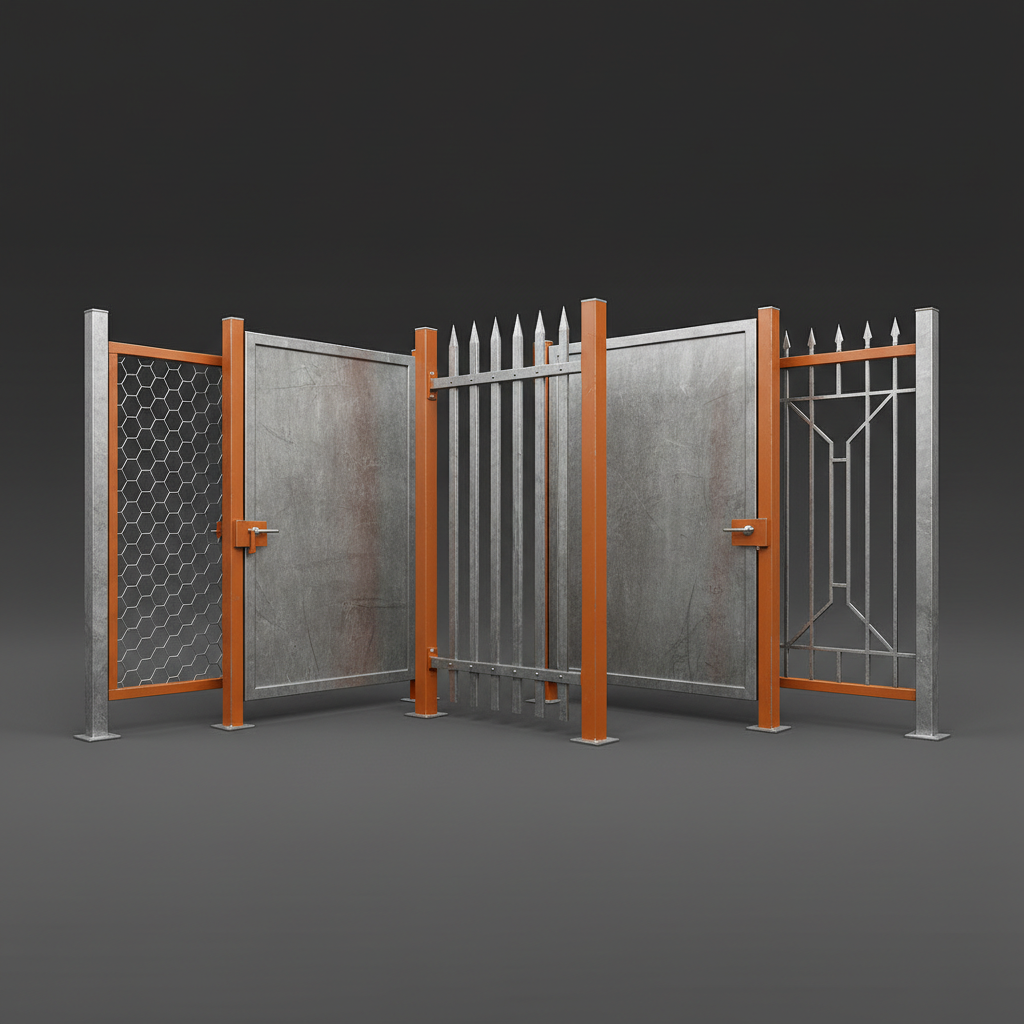
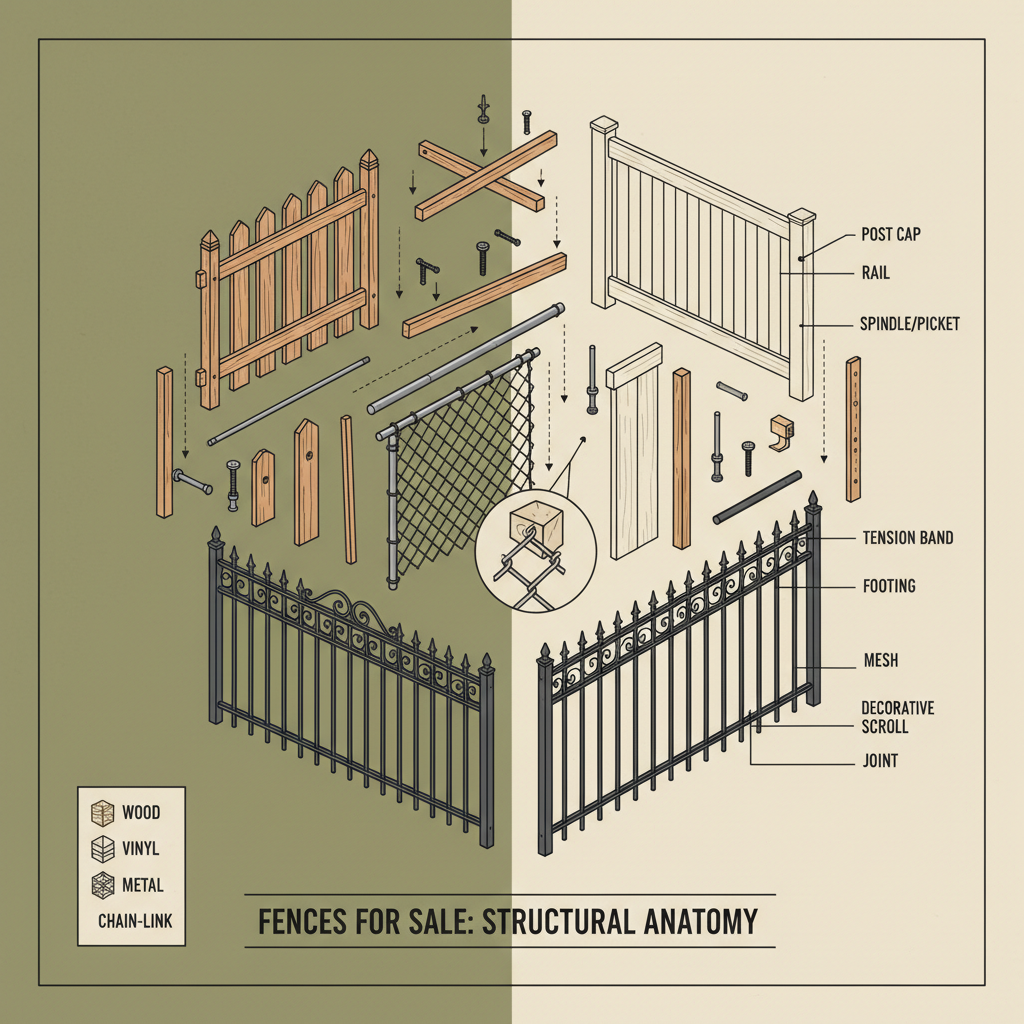
Different types of fence panels broadly fall into categories based on their material composition. Wood panels, a classic choice, provide a natural aesthetic and are relatively affordable, though they require regular maintenance. Vinyl panels offer a low-maintenance alternative with excellent durability and resistance to rot and insects. Metal fence panels, including aluminum and wrought iron, are known for their strength and security, often used for perimeter fencing.
Composite fence panels, a blend of wood fibers and recycled plastics, provide the look of wood with the benefits of reduced maintenance and increased longevity. Chain-link fencing, while often associated with utility, provides cost-effective security and is a common choice for containing pets or defining property lines. The "best" type of panel ultimately depends on the specific application and desired characteristics.
The versatility of different types of fence panels allows for customization to match architectural styles and personal preferences. Whether seeking privacy, security, or simply enhancing curb appeal, understanding these fundamental distinctions is essential for a successful fencing project.
Key Factors in Selecting Fence Panels
Several key factors influence the selection of different types of fence panels. Cost is often a primary consideration, but it should be balanced against long-term maintenance expenses. Durability is crucial, particularly in climates with harsh weather conditions. The level of privacy desired also plays a significant role, influencing the choice between solid panels, spaced pickets, or materials like vinyl or composite that offer full opacity.
Aesthetic appeal is another important factor, as the fence will contribute significantly to the overall look of the property. Considerations include the style of the house, landscaping, and surrounding neighborhood. Additionally, local regulations and homeowner association rules may dictate specific restrictions on fence height, materials, or colors. Understanding and adhering to these guidelines is crucial for a smooth installation process.
Finally, the level of security required should be assessed. Metal fence panels offer the highest level of security, while wood and vinyl panels provide moderate protection. For properties with valuable assets or concerns about intrusion, reinforced fencing options may be necessary. Careful consideration of these factors ensures that the chosen different types of fence panels meet both functional and aesthetic needs.
Durability and Longevity of Various Panel Types
The durability and longevity of different types of fence panels vary significantly. Wood fences, while aesthetically pleasing, typically have a lifespan of 10-20 years, depending on the type of wood and the level of maintenance. Regular staining or painting is essential to prevent rot, insect damage, and weathering. Vinyl panels, on the other hand, can last for 20-30 years or more with minimal maintenance.
Metal fence panels, particularly those made from aluminum or galvanized steel, offer exceptional durability and can last for decades with proper care. Composite fence panels are also highly durable, resisting rot, insects, and fading, and typically come with warranties of 25 years or more. Evaluating the long-term cost of ownership, including maintenance and replacement, is crucial when comparing different options.
Durability Rating of Different Types of Fence Panels
Global Applications of Different Fence Panels
The application of different types of fence panels varies widely across the globe, influenced by climate, security concerns, and cultural preferences. In North America, wood and vinyl fences are prevalent in residential areas, while chain-link and metal fences are common for commercial and industrial properties. Europe often favors ornate wrought iron fences for aesthetic purposes, alongside more practical options for rural properties.
In regions prone to extreme weather, such as hurricane-prone areas in the Caribbean or areas with heavy snowfall, durable materials like vinyl and metal are preferred for their ability to withstand harsh conditions. Developing nations often utilize chain-link fencing for security purposes, particularly around critical infrastructure and residential compounds. Different types of fence panels also play a vital role in agricultural settings worldwide, containing livestock and defining property boundaries.
The Advantages of Modern Fence Panel Materials
Modern fence panel materials offer significant advantages over traditional wood fencing. Composite materials, for example, eliminate the need for staining and sealing, saving homeowners time and money. Vinyl panels resist fading, cracking, and warping, providing a long-lasting aesthetic appeal. Aluminum fences are lightweight, rust-resistant, and require minimal maintenance.
These materials also contribute to environmental sustainability. Many composite panels are made from recycled plastics, reducing landfill waste. Vinyl is a durable material with a long lifespan, minimizing the need for frequent replacements. Choosing these modern options represents a smart investment in both property value and environmental responsibility.
Future Trends and Innovations in Fence Panel Technology
The future of different types of fence panels is marked by several emerging trends. Smart fencing, incorporating sensors and connectivity, is gaining traction, offering features like automated gate control and security alerts. Sustainable materials, such as bamboo and recycled plastics, are becoming increasingly popular. Nanotechnology is being explored to enhance the durability and weather resistance of fence panels.
Furthermore, advancements in manufacturing techniques are enabling the creation of more aesthetically diverse and customizable fencing options. 3D printing is also being investigated as a potential method for producing unique and complex fence designs. These innovations promise to revolutionize the fencing industry, offering greater functionality, sustainability, and aesthetic appeal.
The drive towards eco-friendly solutions and increased security will continue to shape the development of new fence panel technologies, ensuring that fencing remains a critical component of modern infrastructure and property protection.
Future Trends and Innovations in Fence Panel Technology
The future of different types of fence panels is marked by several emerging trends. Smart fencing, incorporating sensors and connectivity, is gaining traction, offering features like automated gate control and security alerts. Sustainable materials, such as bamboo and recycled plastics, are becoming increasingly popular. Nanotechnology is being explored to enhance the durability and weather resistance of fence panels.
Furthermore, advancements in manufacturing techniques are enabling the creation of more aesthetically diverse and customizable fencing options. 3D printing is also being investigated as a potential method for producing unique and complex fence designs. These innovations promise to revolutionize the fencing industry, offering greater functionality, sustainability, and aesthetic appeal.
The drive towards eco-friendly solutions and increased security will continue to shape the development of new fence panel technologies, ensuring that fencing remains a critical component of modern infrastructure and property protection.
A Comparative Analysis of Fence Panel Features
| Material Type |
Maintenance Level (1-10, 1=Low) |
Security Rating (1-10, 1=Low) |
Estimated Lifespan (Years) |
| Wood |
7 |
5 |
10-20 |
| Vinyl |
2 |
6 |
20-30 |
| Aluminum |
3 |
7 |
25+ |
| Composite |
2 |
6 |
25+ |
| Chain-Link |
4 |
4 |
15-20 |
| Wrought Iron |
6 |
9 |
50+ |
FAQS
For large properties, chain-link fencing generally offers the most cost-effective solution. While not the most aesthetically pleasing, it provides substantial perimeter security at a lower price point than wood, vinyl, or metal options. Consider exploring different gauges of chain-link to balance cost with durability. However, always compare total costs, including installation and potential maintenance, before making a final decision. Different types of fence panels can be evaluated based on the size of your property.
A properly installed and maintained vinyl fence can easily last 20-30 years, and often longer. Vinyl is highly resistant to rot, insects, and fading, minimizing the need for repairs or replacements. However, extreme weather events or accidental impacts can cause damage. Choosing a high-quality vinyl formulation and ensuring professional installation will maximize the lifespan of your fence. Different types of fence panels will change in their longevity.
Composite fence panels can be considered eco-friendly because many are made from recycled plastics and wood fibers, diverting waste from landfills. They also require less maintenance than wood, reducing the need for harsh chemicals like stains and sealants. However, the manufacturing process does consume energy, so it's important to consider the overall environmental impact. Look for panels with a high percentage of recycled content to maximize their eco-friendliness. Choose different types of fence panels with eco-friendly materials.
For maximum privacy, solid vinyl or composite panels are excellent choices. They offer complete opacity and block views effectively. Alternatively, a wood picket fence with closely spaced pickets can also provide good privacy. Consider the height of the fence as well; taller fences generally offer more privacy. The best option depends on your budget and aesthetic preferences. Explore various different types of fence panels for your need.
Yes, some metal fence panels, particularly those made of steel, can rust over time. However, galvanized steel and aluminum fences are highly rust-resistant. To prevent rust, ensure that any exposed metal surfaces are properly coated with a rust-inhibiting primer and paint. Regularly inspect the fence for any signs of corrosion and address them promptly. Proper maintenance will significantly extend the lifespan of metal fencing. Be aware of the rust possibilities when exploring different types of fence panels.
Permit requirements for fence installation vary significantly depending on your location. Generally, you'll need to check with your local city or county planning department to determine if a permit is required. Factors that often trigger permit requirements include fence height, proximity to property lines, and location in a historic district. Failure to obtain necessary permits can result in fines or the requirement to remove the fence. Confirm specific requirements for different types of fence panels in your area.
Conclusion
In conclusion, the world of different types of fence panels is diverse and offers solutions for a wide array of needs – from enhancing property aesthetics and security to providing privacy and sustainable material choices. Understanding the strengths and weaknesses of each material—wood, vinyl, metal, composite—is crucial for making informed decisions that align with your budget, lifestyle, and environmental values.
Looking ahead, innovations in fencing technology, such as smart fencing and advanced materials, promise even greater functionality and sustainability. By staying informed about these trends and prioritizing quality installation and maintenance, you can ensure that your fence remains a valuable asset for years to come. For a comprehensive range of high-quality fence panels and expert advice, visit our website: different types of fence panels.