You know, fences. Seems simple, right? But let me tell you, after years spent crawling around construction sites, breathing in sawdust and concrete dust, it’s anything but. What's trending now is this push for composite materials, trying to ditch the wood. Everyone's chasing "low maintenance," which, to be honest, usually just means "someone else's problem down the line.”
Have you noticed how every manufacturer swears their stuff is weather-resistant? It always is… until it isn’t. That’s where you really see the difference in quality. I encountered this at a factory in Zhejiang province last time, they were pushing a new PVC blend. Looked good in the showroom, but the guys on site said it got brittle in the winter. Brittle! You can’t have brittle fences.
We’re doing a lot with vinyl, of course. It's got that plasticky smell, you know, like a new inflatable pool toy. Easy to work with, cuts clean, doesn't splinter. But it expands and contracts with the temperature, and if you don’t account for that in the design… well, you get buckling. A lot of buckling. And then everyone's calling you.
The Current Landscape of fences for sale
It’s all about longevity these days, folks. Everyone wants a fence that'll outlive them, but few are willing to pay for it upfront. Strangely, we’re seeing a resurgence in wrought iron, but with a catch – it's often coated in this thin, powder-coated finish that scratches if you look at it wrong. The demand for wood is still there, naturally, but with more emphasis on sustainably sourced lumber. Which is good, but it also drives up the price, you know?
And then there’s the whole “privacy” thing. Everyone wants a taller fence, a solid fence, a fence that screams "stay away." Which, frankly, creates more problems than it solves. Homeowner associations, permits, nosy neighbors… it’s a headache. But hey, it keeps us employed.
Design Pitfalls and Common Mistakes in fences for sale
The biggest mistake I see? Underestimating the ground. Seriously. People build these beautiful fences, all straight lines and perfect angles, and then they forget that the ground isn’t level. Or it shifts. Or it freezes. Then you’ve got a saggy fence, and nobody wants a saggy fence. Also, post depth. I’ve seen guys burying posts barely two feet deep in sandy soil. Two feet! It's practically inviting disaster.
Another thing: gate design. Gates are always the weak point. Too flimsy, not enough support, hinges that rust… it's always the gate. And people try to get cute with the designs. Intricate patterns, curved tops...look, a simple, sturdy gate is always better. Keep it simple, stupid, that's what I always say.
And don’t even get me started on corner posts. Those things need to be rock solid. I've seen corner posts pull out of the ground like a tooth. It’s not a pretty sight.
Material Deep Dive: What We’re Actually Using in fences for sale
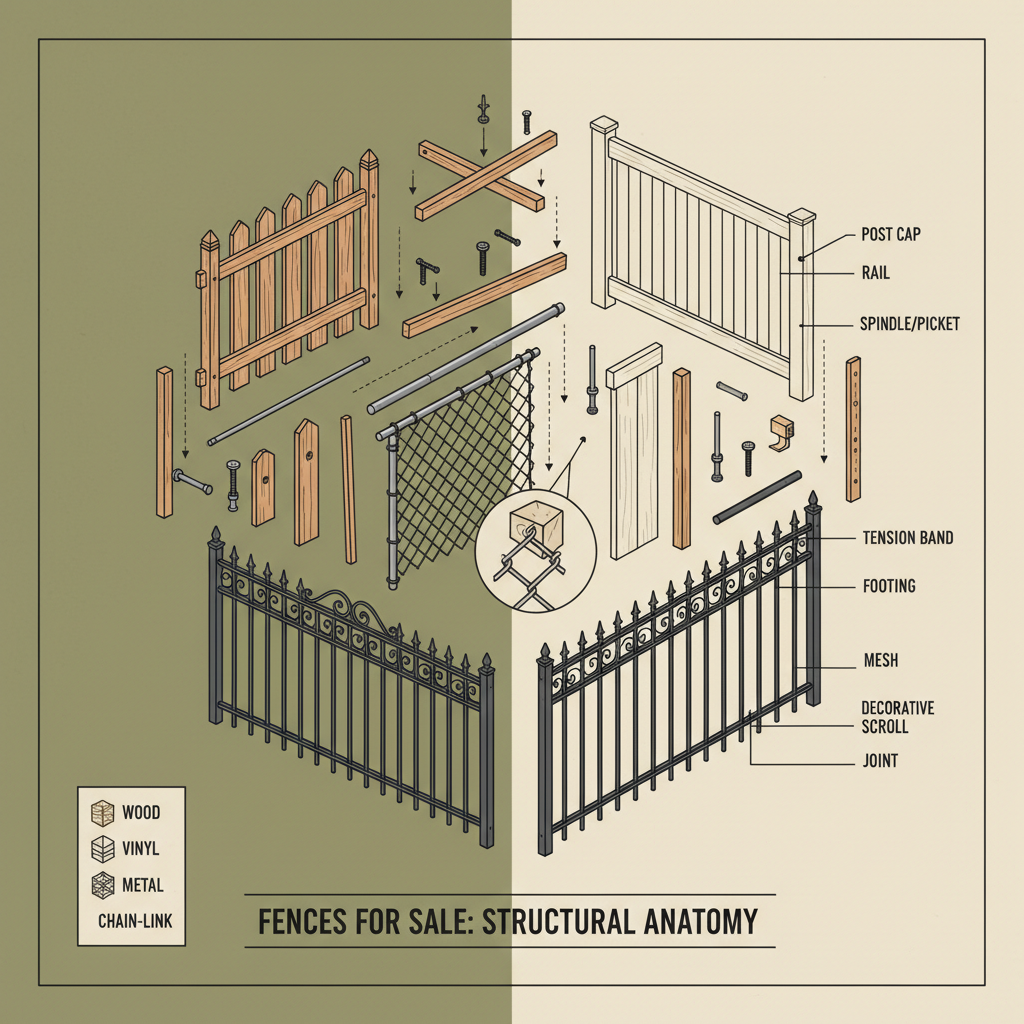
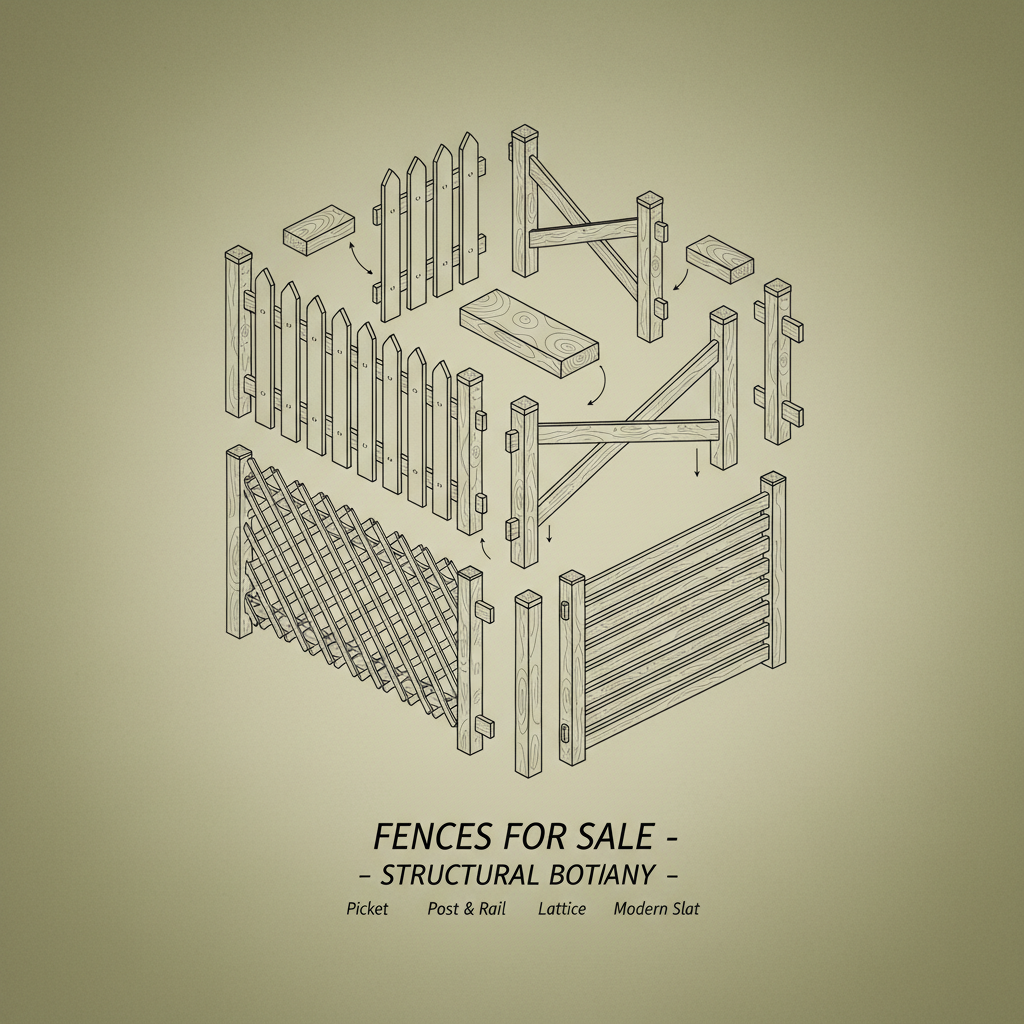
Okay, let’s talk materials. Redwood and cedar are still king for natural wood. Smells fantastic, works easy, naturally rot-resistant. But it’s expensive. Pressure-treated pine is the workhorse – cheap, readily available, but requires regular staining and sealing. You get what you pay for.
Composite fencing… that's a whole different beast. It’s usually a mix of wood fibers and plastic. Some of the newer stuff is pretty convincing, looks almost like real wood. But it feels…dead. And it gets hot in the sun. Really hot. You can’t even comfortably lean against it on a summer day. Anyway, I think the longevity claims are often overstated.
Vinyl, as I mentioned, is ubiquitous. It’s durable, low maintenance (until it cracks, then it's a disaster). And aluminum… that’s good for ornamental fences, lightweight, doesn't rust. But it dents easily, so not ideal for high-traffic areas.
Real-World Testing and Performance of fences for sale
Forget the lab tests. Those are nice, but they don't tell you much. We test our fences the old-fashioned way: we build them and then let the weather and the users beat them up. We put samples up in different climates – desert, mountains, coastal areas – and see what happens. We've got a test yard out behind the warehouse where we literally run into the fences with a truck. Not a full-speed run, mind you, but enough to see if they can withstand a reasonable impact.
We also do "pull tests" on the posts, to see how much force it takes to dislodge them. And we subject the materials to freeze-thaw cycles, to see if they crack or become brittle. The real test, though, is just watching how people use them. Do they lean on them? Do they tie things to them? Do their kids climb on them? That tells you a lot.
fences for sale Material Performance Ratings
How Customers Really Use fences for sale
It’s never what you expect. People don't just use fences to define boundaries or provide privacy. They use them as trellises for climbing plants, as backdrops for wedding photos, as makeshift goalposts for soccer games. I saw one guy using a section of fence as a screen for an outdoor movie theater. Ingenious, really.
And kids… they always find a way to climb them. No matter how smooth or slippery you make them, they’ll figure it out. So you gotta design for that. That means sturdy construction, no sharp edges, and a height that’s… well, discouraging, but not impossible.
The Pros and Cons: A Practical Look at fences for sale
Okay, let’s be honest. Wood looks good, but it requires maintenance. Constant maintenance. Vinyl is low maintenance, but it looks…plastic. Composite tries to bridge the gap, but it’s often expensive and doesn’t quite get there. Aluminum is lightweight and durable, but it's not very private. And wrought iron? Beautiful, but a rust magnet. There’s no perfect material, just trade-offs.
The biggest pro, across the board, is security. A good fence can deter trespassers and give people peace of mind. The biggest con? Cost. A well-built fence isn’t cheap, and the labor can add up quickly. And don't forget about the hidden costs – permits, inspections, post-hole digging. It all adds up.
Customization Options and a Customer Story about fences for sale
We do a lot of customization. Height, length, style, color… you name it. One guy, last month, a small boss in Shenzhen who makes smart home devices, insisted on changing the interface to for a perimeter fence around his factory – said it was “future proofing.” I tried to tell him it was ridiculous, a fence doesn't need a USB port, but he wouldn't listen. The result? It cost him three times as much, added a week to the installation time, and the electrician almost short-circuited the whole system.
We also do a lot of custom gate designs. People want arched tops, intricate patterns, whatever. I usually try to talk them down to something simpler, but sometimes you just gotta give the customer what they want. As long as it’s structurally sound. And it doesn’t violate any building codes.
The most common customization request is height. People always want a taller fence than they need. I guess they think it makes them feel safer.
Table Summarizing Common fences for sale Customization Options
| Customization Category |
Typical Client Request |
Implementation Complexity |
Estimated Cost Increase |
| Height Adjustment |
Increase fence height by 1-2 feet. |
Low |
10-15% |
| Material Change |
Switch from pine to redwood. |
Medium |
30-50% |
| Color/Finish |
Custom paint color or stain. |
Low |
5-10% |
| Gate Design |
Arched gate, custom hardware. |
High |
20-40% |
| Post Spacing |
Reduce post spacing for added stability. |
Medium |
15-25% |
| Access Control Integration |
Adding card readers or automated gate openers. |
Very High |
50%+ |
FAQS
Honestly, it depends on the wood, the climate, and how well you maintain it. Pressure-treated pine, with regular staining and sealing, might give you 15-20 years. Redwood or cedar, even longer. But if you neglect it, it'll start to rot in five. I’ve seen it happen way too many times. It’s not glamorous work, but a good coat of sealant every couple of years is crucial. Don’t skimp on that.
Digging the holes is just the beginning. You gotta make sure the bottom of the hole is wider than the top, to create a bell shape. And you gotta compact the soil around the post, layer by layer, as you backfill. Using gravel at the bottom helps with drainage, too. A lot of guys skip these steps, and then their fences start leaning. It's a pain to fix later.
That’s a tough one. They require less maintenance, that’s true, and they won't rot. But they don’t have the natural beauty of wood, and they can get really hot in the sun. If you’re willing to pay a premium for low maintenance, then maybe. But I’ve seen plenty of people regret spending the extra money. I think it depends on your priorities.
Underestimating the work involved. It looks easy, but it’s not. Digging post holes, setting posts, leveling everything… it’s physically demanding. And people often don't bother with permits, which can lead to problems down the road. I’ve seen guys get fined for building a fence that’s too tall or too close to the property line. It's just not worth the hassle.
Proper construction is key. Use quality lumber, make sure the posts are plumb, and space the pickets evenly. Also, apply a good sealant to all sides of the wood, including the ends. And don’t forget to account for expansion and contraction. Leave a small gap between the pickets to allow for movement. A little preventative maintenance goes a long way.
Depends on how bad it is. If it’s just a small section, you might be able to replace the damaged posts and pickets. But if it’s widespread, you’re probably better off replacing the whole fence. Trying to patch it up will just be a temporary fix. And make sure you address the underlying cause of the rot, like poor drainage or lack of ventilation.
Conclusion
So, there you have it. Fences – seemingly simple, yet surprisingly complex. We've talked about materials, design, installation, and maintenance. Ultimately, it all comes down to quality and attention to detail. There’s no shortcut to a long-lasting, reliable fence.
And really, at the end of the day, whether this thing works or not, the worker will know the moment he tightens the screw. You can have all the fancy materials and intricate designs in the world, but if it’s not built right, it’s not going to last. And that’s just the truth of it.