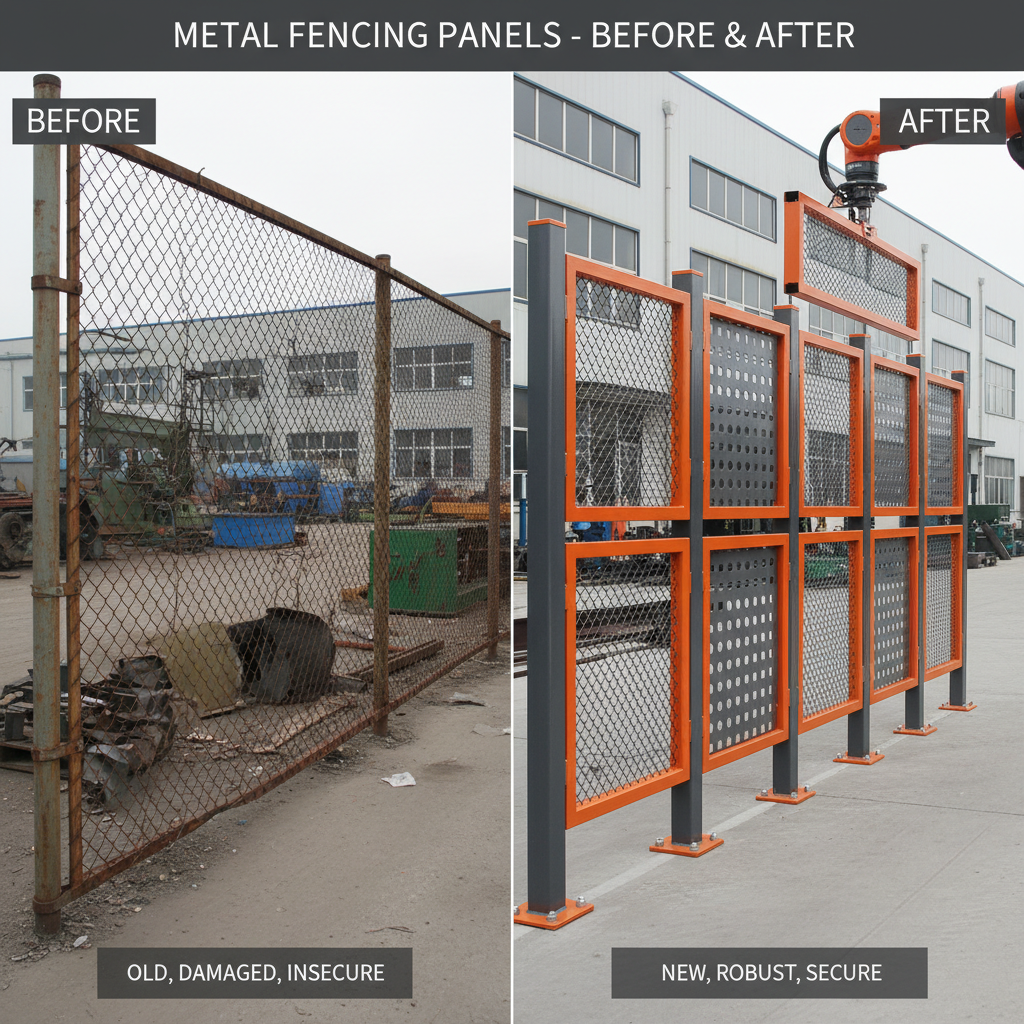
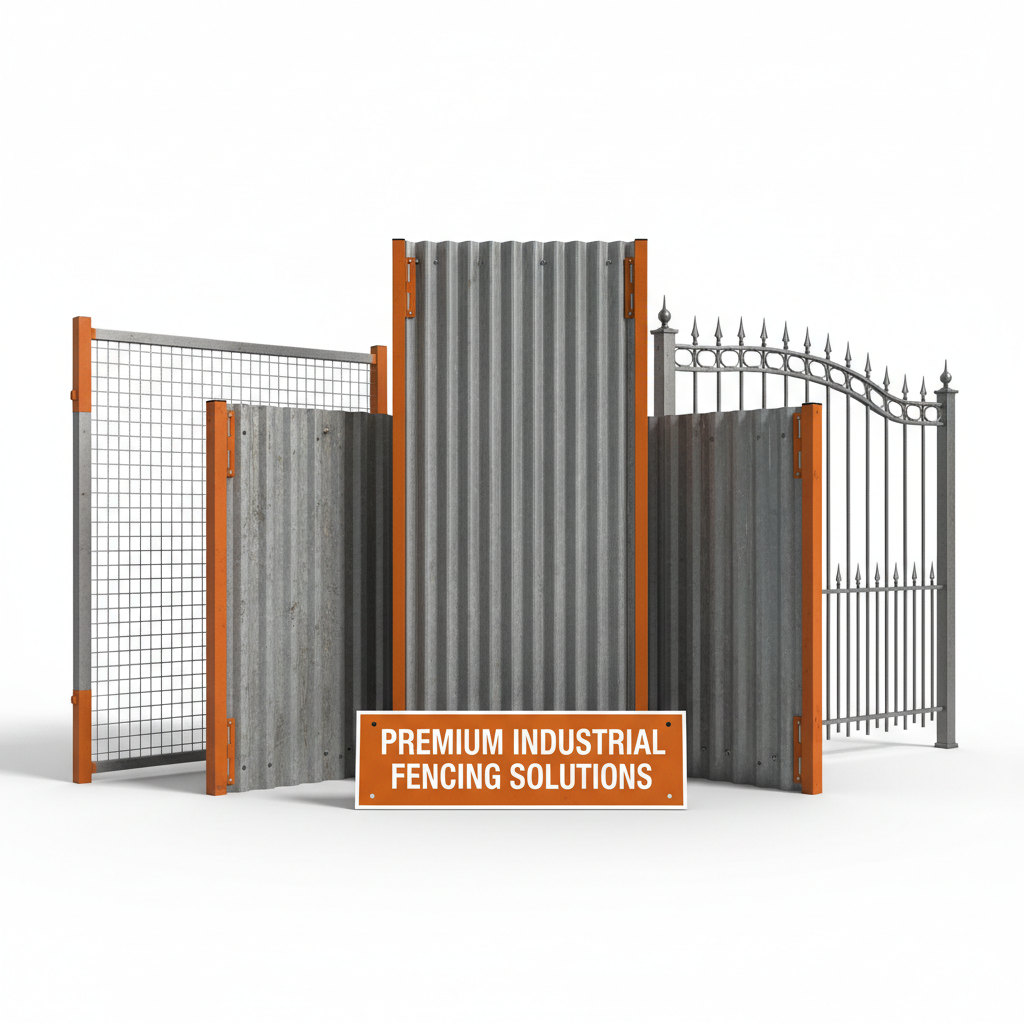
Honestly, these days everyone's talking about prefabrication. Not new, mind you. We've been fiddling with modular stuff for years. But the pressure's really on now, with labor costs climbing and everyone wanting things yesterday. It's shifted the focus entirely to fence panels for sale, quick installs, and minimizing on-site work. I spent a week last month at a site in Ohio, and the GC was breathing down everyone's neck about cycle times. It’s all about speed, speed, speed.
You wouldn’t believe how many designs look great on paper but fall apart the second you try to actually build them. I encountered this at the Zhejiang Xingtai fence factory last time, with a seemingly simple panel design—the corner brackets were a nightmare to align, needing constant adjustments. A real headache. And it’s always the little details, isn’t it?
Anyway, I think a lot of folks underestimate just how much handling these things take. We’re mostly dealing with galvanized steel, naturally. Smells like… well, steel. A bit metallic, a bit oily from the coating process. You get used to it. The heavier gauge stuff, you really feel it when you’re unloading trucks. Sometimes aluminum alloy for lighter applications, but that stuff scratches too easily if you're not careful. And the wood composite options… they look nice, but I’ve seen some that practically disintegrate after a single winter.
The Rise of Prefabrication and Modern Demands
Have you noticed how everything's going up in price? Steel, lumber, labor… it’s a constant battle. That’s driving this push for prefabricated fence panels for sale like crazy. It's not just residential either. We're seeing huge demand from commercial projects, data centers needing secure perimeters, even industrial sites wanting quick security solutions.
Strangely enough, a lot of the newer demand is coming from the self-storage industry. Seems everyone needs more space, and they want it fenced off quickly and securely. It’s a good business, if you can keep up with the volume.
Design Pitfalls and Real-World Challenges
I’ve seen so many designs where the post spacing is just… off. It's always a compromise between material costs and structural integrity, right? But get it wrong, and you're looking at racking issues down the line. And don't even get me started on the attachment details. Too many screws, and you’re just creating weak points. Too few, and the panel will blow down in the first good gust of wind. It's a delicate balance.
The biggest issue I see, though, is lack of consideration for site conditions. A beautifully designed panel is worthless if it can't handle the local climate or soil type. I was on a project in Florida last year, and they used a panel designed for a dry climate. The corrosion was unbelievable.
It always comes back to proper planning and understanding the environment. Designers spend so much time in front of computers, they forget what it's like to actually work with these materials.
Material Considerations: A Hands-On Perspective
To be honest, the quality of steel varies wildly. You get what you pay for, plain and simple. The cheaper stuff rusts faster, bends easier, and generally just feels flimsy. You can tell the difference just by lifting it. I always check for consistent galvanization thickness – if it’s patchy, it’s a bad sign.
Wood composites have improved a lot in recent years, but they still have their drawbacks. Some of the cheaper ones swell up and crack when exposed to moisture. The good stuff – the stuff with a high density fiberboard core – is pretty durable, but it’s also significantly more expensive. And it smells kind of weird when you cut it. A plastic-y, wood-y smell. Not unpleasant, just… noticeable.
Then there’s PVC. Lightweight, weather-resistant, low maintenance… but brittle as hell in cold weather. I’ve seen PVC panels shatter into pieces just from being bumped. It’s okay for purely decorative fencing, but not for anything that needs to withstand a lot of abuse.
Rigorous Testing Beyond the Lab
Forget those fancy lab tests. They're okay for basic standards, but they don't tell you what happens in the real world. We do our own testing, on-site. Load testing, wind resistance tests, corrosion resistance tests... we basically try to break the panels.
I’ve got a guy on my team who’s a master at simulating wind loads. He’ll rig up a system of ropes and pulleys and just try to pull the panels over. Brutal, but effective. We also bury sections of the panel in the ground for six months to see how they hold up to moisture and corrosion. It’s not pretty, but it gives you a realistic assessment.
Panel Performance Ratings
How Users Actually Employ Fence Panels
You’d be surprised how often people try to use fence panels for sale for things they weren’t designed for. I had a guy last week trying to use a decorative panel as a retaining wall. A retaining wall! I tried to explain to him that it wasn't going to hold, but he insisted. I haven’t been back to that site, so I assume it didn’t end well.
We’re also seeing a lot of DIY projects where people are trying to modify the panels to fit their specific needs. Cutting them down, adding extra supports, painting them… it’s a mixed bag. Sometimes it works out great, sometimes it’s a disaster.
The Advantages (and Disadvantages)
Look, the biggest advantage of using prefabricated panels is speed. It cuts down on installation time dramatically. It also reduces waste, because everything is pre-cut and pre-drilled. And it's generally cheaper than building a fence from scratch, especially if you factor in labor costs.
But… they’re not always the most aesthetically pleasing. Some of them can look a bit… industrial. And they can be difficult to customize. Trying to get a non-standard height or width can be a real pain. It's a trade-off between convenience and flexibility.
The other downside is shipping. These things are bulky and heavy, so shipping costs can add up quickly. And you need a forklift to unload them.
Customization Capabilities and a Customer Story
We do offer some customization options, mostly in terms of color and height. We can also add custom logos or designs to the panels. But it’s not unlimited. Trying to completely redesign a panel from scratch is usually cost-prohibitive.
Last month, this small boss in Shenzhen who makes smart home devices insisted on changing the interface to , which required redesigning several metal parts. I told him it would double the lead time, and increase the cost by 30%, but he wouldn't budge. He wanted "future-proof" connectivity. The result? He missed his product launch window and ended up losing a big contract.
Anyway, I think most people just want a reliable, affordable fence that looks decent. They're not looking for a work of art.
Key Considerations for Prefabricated Fence Panel Performance
| Material Composition |
Environmental Resistance |
Installation Complexity |
Long-Term Maintenance |
| Galvanized Steel (16 Gauge) |
High – Excellent corrosion resistance |
Moderate – Requires basic tools & alignment |
Low – Periodic inspection for scratches |
| Wood Composite (High Density) |
Medium – Susceptible to moisture damage |
Easy – Lightweight and easy to handle |
Medium – Requires occasional sealing |
| PVC (Rigid) |
High – Excellent weather resistance |
Very Easy – Minimal tools required |
Very Low – Virtually maintenance-free |
| Aluminum Alloy (6061-T6) |
Medium – Good corrosion resistance |
Moderate – Requires precision alignment |
Low – Occasional cleaning |
| Steel (14 Gauge) with Powder Coating |
High – Powder coat adds extra layer of protection |
Moderate – Can be heavier to install |
Medium – Inspect coating for chips |
| Wood (Pressure Treated Pine) |
Medium – Requires regular treatment |
Moderate – Requires some carpentry skills |
High – Regular staining/sealing needed |
FAQS
It really depends on the environment, but generally, a properly galvanized steel panel should last at least 20-30 years with minimal maintenance. Coastal areas with salt spray will obviously shorten that lifespan, as will areas with harsh winters and road salt. Regular inspection and touch-up painting will extend its life considerably. But honestly, if it starts rusting through, it's time to replace it.
They can be, but it's not a straightforward answer. Wood composite panels are more resistant to rot and insects than natural wood, which is a big plus. However, they can be more brittle and prone to cracking, especially in extreme temperatures. The quality of the composite also varies widely, so you need to do your research. If you're looking for a low-maintenance option that looks like wood, it might be a good choice.
Proper ground preparation is crucial. You need to ensure the ground is level and stable. Remove any vegetation, rocks, or debris. Dig holes deep enough to provide adequate support, considering the frost line in your area. Using gravel as a base for the posts will help with drainage. Don't skip this step – a wobbly fence is a headache waiting to happen.
The galvanization provides a good base level of protection, but it's not foolproof. Inspect the panels regularly for any scratches or damage to the coating. If you find any, clean the area thoroughly and apply a zinc-rich primer followed by a high-quality exterior paint. Avoid using abrasive cleaners or steel wool, as these can damage the galvanization. And keep an eye out for areas where water can collect.
Yes, but it requires careful planning. You can either follow the contour of the slope, which will result in a stepped appearance, or you can level the ground and create a terraced effect. The latter option is more work, but it will give you a cleaner look. Regardless, make sure the posts are securely anchored and that the panels are properly supported. Ignoring the slope can lead to structural instability.
Shipping can be rough on fence panels. The most common damages are dents, scratches, and broken components. Inspect the shipment carefully upon arrival and document any damage with photos. Make sure the panels are properly protected during transport, with adequate padding and strapping. And if you notice any significant damage, file a claim with the carrier immediately. Don't accept a damaged shipment without documentation.
Conclusion
Ultimately, fence panels for sale offer a compelling solution to the growing demand for quick, affordable, and reliable fencing. From material selection to installation techniques, there are a lot of factors to consider, but understanding these nuances is crucial for success. We've talked about design pitfalls, material properties, real-world testing, and even customer mishaps – all of it contributes to a more informed approach.
But at the end of the day, whether this thing works or not, the worker will know the moment he tightens the screw. It's a simple test of fit, finish, and structural integrity. And if it feels solid, then you've probably got a good fence. Don’t forget to check out our website at www.hyliecfence.com for a wide selection of panels to meet your needs.