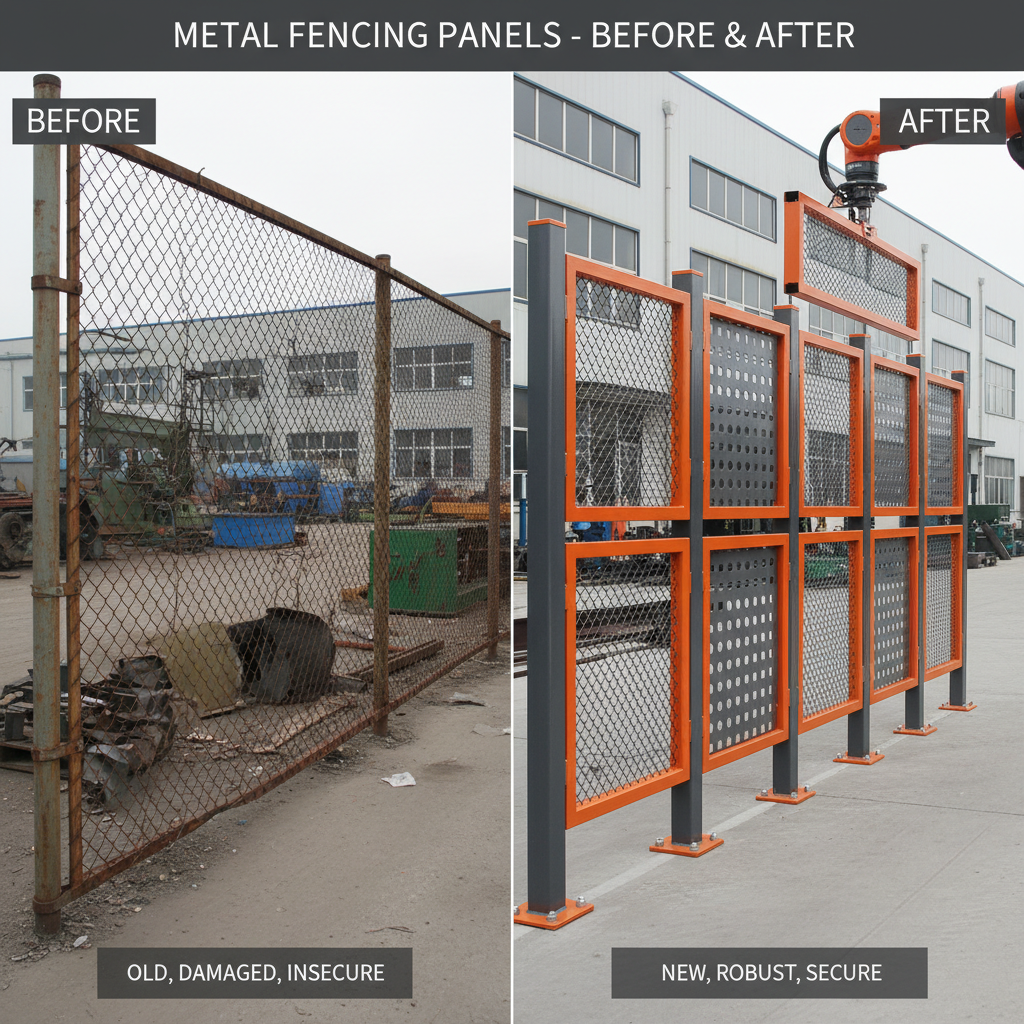
Metal fencing panels represent a vital component of security, aesthetics, and property delineation across the globe. From protecting critical infrastructure to defining residential boundaries, these panels play a multifaceted role in modern society. The demand for robust and versatile fencing solutions is consistently increasing, driven by factors like urbanization, heightened security concerns, and a growing desire for visually appealing perimeter control. Understanding the different types of metal fencing panels available – from welded wire to ornamental iron – is crucial for making informed decisions that align with specific needs and budgetary constraints.
The global fencing market is a substantial industry, projected to reach significant growth in the coming years. According to industry reports, the market is influenced by construction trends, government regulations regarding security, and advancements in materials science. Specifically, the demand for durable and corrosion-resistant metal fencing is increasing in regions prone to harsh weather conditions or experiencing rapid industrialization. Addressing the challenges associated with material sourcing, installation expertise, and long-term maintenance remains critical for sustained growth in this sector.
Ultimately, the effective selection and implementation of types of metal fencing panels translates to enhanced security, property value, and peace of mind. Properly chosen fencing acts as a physical deterrent to intruders, protects assets, and contributes to the overall safety and wellbeing of communities. This makes a thorough understanding of available options essential for homeowners, businesses, and government entities alike.
The Core Characteristics of types of metal fencing panels
One of the defining characteristics of effective types of metal fencing panels is durability. Metal, by its very nature, offers superior resistance to impact, weathering, and attempted breaches compared to many other fencing materials. This longevity translates to reduced replacement costs and minimal maintenance over time. Furthermore, the inherent strength of metal provides a robust barrier against both accidental intrusion and intentional vandalism. types of metal fencing panels often undergo specialized treatments like galvanization or powder coating to further enhance their resistance to corrosion and environmental damage.
Beyond sheer strength, the versatility of metal allows for a wide range of design options. From classic ornamental ironwork to modern welded wire configurations, metal fencing can be tailored to complement any architectural style or aesthetic preference. This adaptability extends to height, panel spacing, and the inclusion of decorative elements, providing a customized solution for diverse applications. The ability to seamlessly integrate security features, such as anti-climb designs and reinforced posts, further underscores the inherent flexibility of metal fencing.
The Expanding Global Reach of Metal Fencing
The demand for types of metal fencing panels is not confined to any single region; it's a global phenomenon driven by varying security needs and infrastructural developments. In rapidly urbanizing areas of Asia and Africa, metal fencing is increasingly employed to secure residential compounds, commercial properties, and critical infrastructure projects. The cost-effectiveness and durability of metal make it a particularly attractive option in regions where budgets are constrained and long-term resilience is paramount.
North America and Europe continue to be significant markets for metal fencing, with a strong emphasis on aesthetic appeal and compliance with stringent safety regulations. Ornamental iron fencing remains a popular choice for high-end residential properties, while welded wire and chain-link fencing are widely used for industrial and commercial applications. The growing awareness of sustainable building practices is also driving demand for recycled metal fencing options.
Even in remote or challenging environments, such as mining operations in Australia or oil and gas facilities in the Arctic, metal fencing plays a crucial role in perimeter security and asset protection. The ability of metal to withstand extreme temperatures, corrosive environments, and potential sabotage makes it an indispensable component of security protocols in these sectors.
Defining the Landscape of types of metal fencing panels
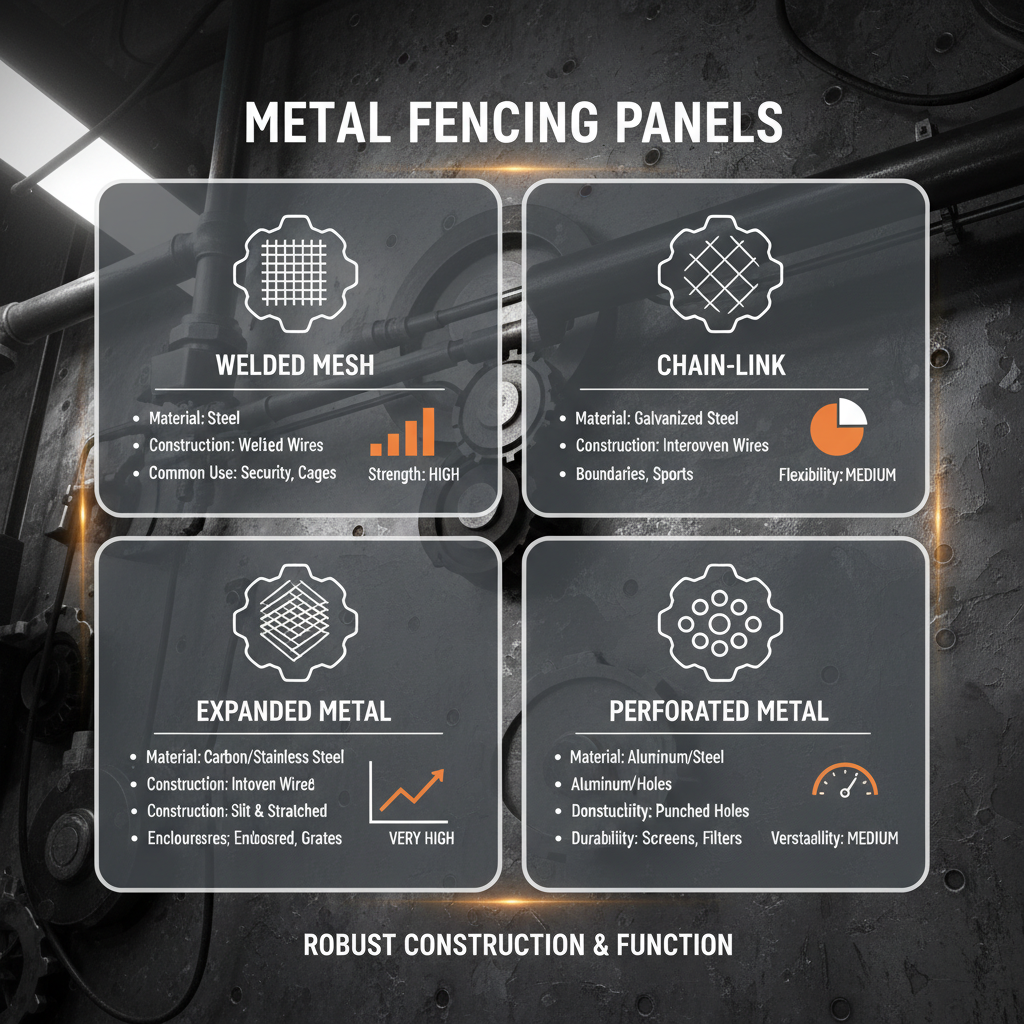
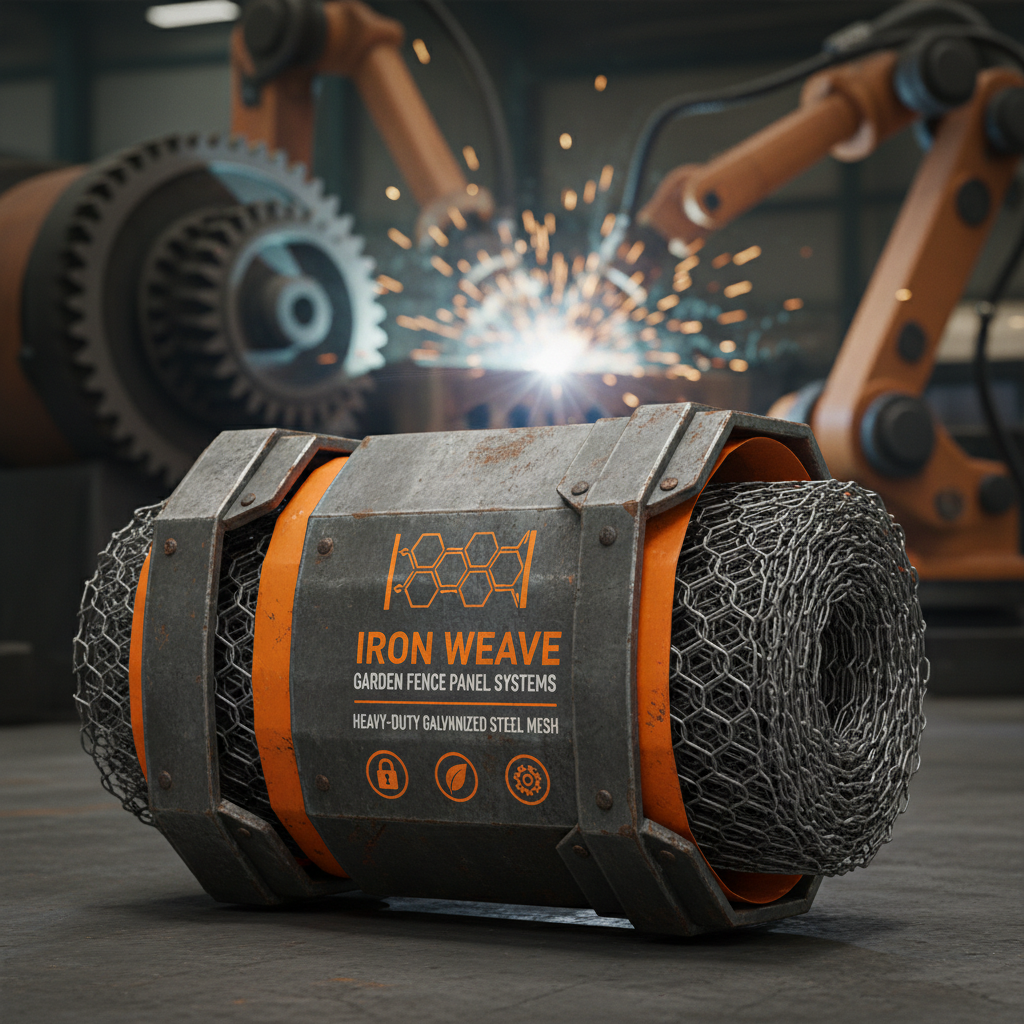
The term 'types of metal fencing panels' encompasses a broad spectrum of materials and designs, each with its own unique advantages and disadvantages. Welded wire fencing, known for its affordability and ease of installation, is commonly used for agricultural applications, pet enclosures, and general perimeter control. Chain-link fencing, another popular choice, offers a balance of security and visibility, making it suitable for sports fields, schools, and industrial sites.
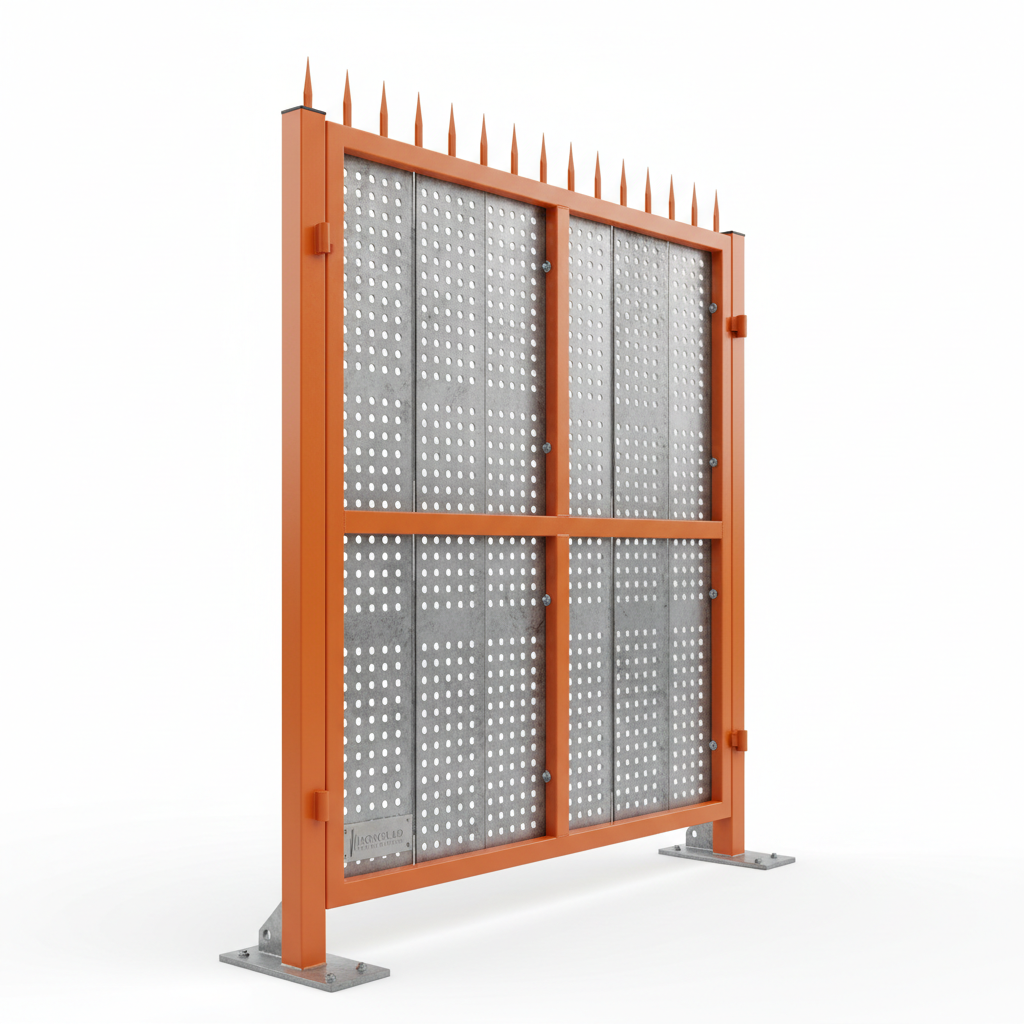
Ornamental iron fencing, characterized by its elegant designs and intricate detailing, is a premium option often chosen for residential properties and historic preservation projects. Aluminum fencing, a lightweight and corrosion-resistant alternative to iron, provides a similar aesthetic appeal with reduced maintenance requirements. More specialized options like high-security palisade fencing offer maximum protection for critical infrastructure and sensitive areas.
Choosing the appropriate type of metal fencing panel requires careful consideration of factors such as security needs, aesthetic preferences, budgetary constraints, and environmental conditions. Understanding the properties of each material and design is essential for making an informed decision that aligns with specific requirements.
Key Performance Indicators in Metal Fencing Selection
Selecting the right types of metal fencing panels involves evaluating several key performance indicators (KPIs). Durability, often measured by the gauge of the metal and the quality of the coating, is a primary concern. Scalability refers to the ease with which the fencing can be extended or modified to accommodate changing needs. The initial cost, including materials, labor, and installation, is a crucial factor, but it should be weighed against the long-term cost of maintenance and replacement.
Aesthetic appeal and architectural compatibility are also important KPIs, particularly for residential and commercial applications where visual impact is a consideration. Security level, determined by the height of the fencing, the spacing of the panels, and the presence of anti-climb features, is paramount for protecting assets and deterring intruders. Finally, environmental sustainability, including the use of recycled materials and the energy efficiency of the manufacturing process, is becoming increasingly important for environmentally conscious buyers.
Metal Fencing Panel Performance Comparison
Real-World Applications of Metal Fencing Solutions
Metal fencing is ubiquitous in a wide range of applications. In residential settings, it defines property lines, enhances curb appeal, and provides security for families and pets. Commercial properties utilize metal fencing to secure warehouses, factories, and retail establishments. Agricultural operations rely on metal fencing to contain livestock, protect crops, and delineate property boundaries.
Critical infrastructure, such as power plants, water treatment facilities, and airports, depends on high-security metal fencing to deter unauthorized access and protect sensitive assets. Government facilities, including military bases and correctional institutions, employ robust metal fencing systems to maintain strict perimeter control.
Long-Term Value & Sustainable Benefits
Investing in quality types of metal fencing panels delivers substantial long-term value. The durability and minimal maintenance requirements translate to lower lifecycle costs compared to alternative materials like wood or vinyl. The inherent strength of metal provides a robust and reliable security solution, protecting assets and deterring intruders for years to come.
Furthermore, the use of recycled metal in fencing manufacturing promotes sustainability and reduces environmental impact. Choosing metal fencing over less sustainable options demonstrates a commitment to responsible building practices and contributes to a greener future. The aesthetic appeal of metal fencing also enhances property value, making it a worthwhile investment for homeowners and businesses alike.
Future Trends and Emerging Technologies
The future of types of metal fencing panels is poised for innovation. Advancements in materials science are leading to the development of even more durable and corrosion-resistant alloys. Smart fencing systems, incorporating sensors, cameras, and automated access control, are gaining traction as a means of enhancing security and streamlining operations.
The integration of digital technologies, such as remote monitoring and predictive maintenance, will further optimize the performance and longevity of metal fencing systems. Sustainable manufacturing practices, including the use of renewable energy and the reduction of waste, will become increasingly important as environmental concerns continue to grow.
We can also anticipate increased use of prefabricated metal fencing panels, accelerating installation times and reducing labor costs. This shift toward prefabrication aligns with the broader trend toward modular construction and efficient building practices.
Analysis of Factors Influencing Metal Fencing Performance
| Material Type |
Corrosion Resistance (1-10) |
Security Level (1-10) |
Maintenance Effort (1-10) |
| Galvanized Steel |
7 |
8 |
4 |
| Aluminum |
9 |
6 |
2 |
| Powder-Coated Steel |
8 |
9 |
3 |
| Stainless Steel |
10 |
9 |
1 |
| Weld Mesh |
6 |
5 |
3 |
| Palisade Fencing |
7 |
10 |
5 |
FAQS
The most prevalent types include chain-link, welded wire, ornamental iron, aluminum, and palisade fencing. Chain-link is cost-effective and versatile, welded wire offers a secure and visually appealing option, ornamental iron provides an elegant aesthetic, aluminum is lightweight and corrosion-resistant, and palisade fencing delivers maximum security. The best choice depends on your specific requirements for security, budget, and aesthetic appeal.
Consider your security needs, the aesthetic of your property, and your budget. For high security, palisade or robust welded wire are ideal. For aesthetic appeal, ornamental iron or aluminum are excellent choices. Factor in the climate; galvanized or powder-coated steel offer superior corrosion resistance in harsh environments. Finally, check local regulations regarding fencing height and materials.
With proper maintenance, metal fencing can last for decades. Galvanized steel typically lasts 20-30 years, while aluminum and stainless steel can last even longer. Regular inspection and cleaning, along with timely repairs of any damage, are crucial for maximizing the lifespan of your metal fencing. Powder coating adds an extra layer of protection against the elements.
The cost of installation varies depending on the type of fencing, the length of the fence, the terrain, and labor rates. Chain-link is typically the most affordable option, while ornamental iron is the most expensive. Obtain quotes from multiple fencing contractors to compare prices and ensure you're getting a fair deal. Consider hidden costs, such as permits and site preparation.
Minimal maintenance is usually required, but regular inspection is essential. Remove any debris, such as leaves and vines, that can contribute to corrosion. Periodically clean the fencing with soap and water to remove dirt and grime. Touch up any scratches or chips in the coating to prevent rust. Inspect posts for stability and address any issues promptly.
Metal fencing can be environmentally friendly, especially when made from recycled materials. Steel and aluminum are both highly recyclable. Choosing a powder coating finish over liquid paint reduces volatile organic compound (VOC) emissions. Proper disposal of old fencing is also crucial to minimize environmental impact. Look for manufacturers committed to sustainable practices.
Conclusion
In conclusion, understanding the diverse landscape of types of metal fencing panels is crucial for making informed decisions that prioritize security, aesthetics, and long-term value. From the robust protection of palisade fencing to the elegant appeal of ornamental iron, metal fencing offers a versatile solution for a wide range of applications. By carefully considering factors such as material properties, performance indicators, and environmental sustainability, individuals and organizations can select the ideal fencing system to meet their specific needs.
Looking ahead, continued innovation in materials science and smart fencing technologies promises to further enhance the performance and functionality of metal fencing systems. Embracing these advancements will not only improve security and protect assets but also contribute to a more sustainable and resilient built environment. Visit our website at www.hyliecfence.com to explore our extensive range of metal fencing solutions and discover how we can help you achieve your perimeter security goals.