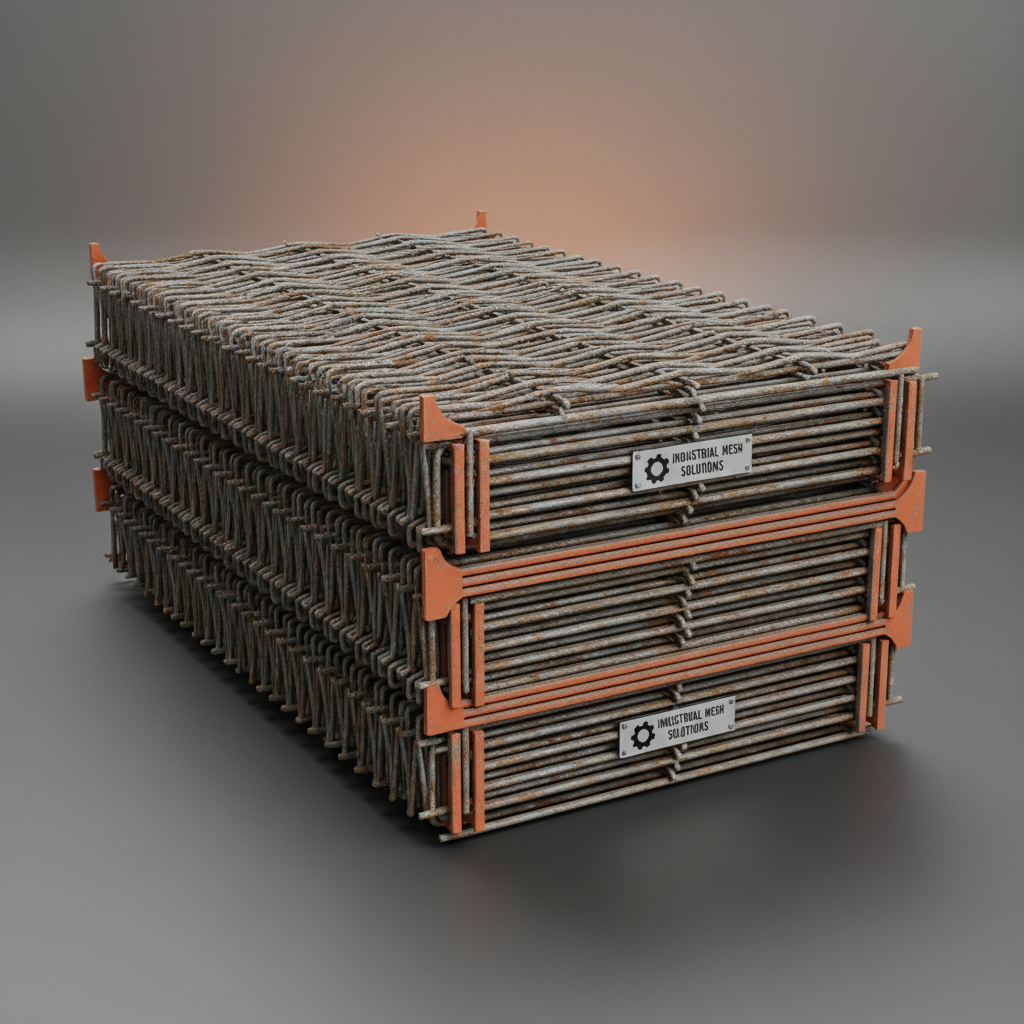
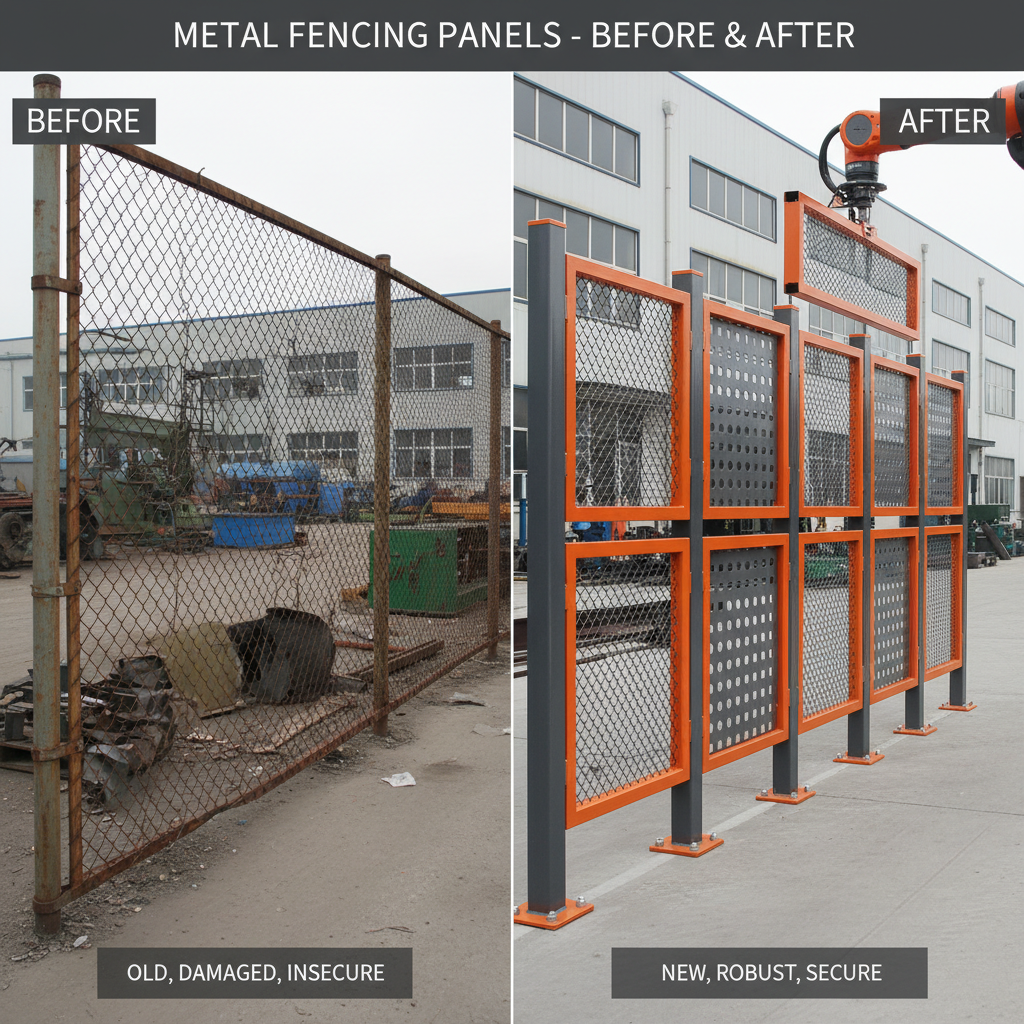
Metal fence panels represent a critical component in modern security, property demarcation, and aesthetic design. Globally, the demand for robust and versatile fencing solutions is driven by factors like increasing urbanization, heightened security concerns, and a growing emphasis on property value. Understanding the different types of metal fence panels is crucial for architects, contractors, homeowners, and security professionals alike, enabling informed decisions based on specific needs and budgets. From industrial complexes to residential landscapes, the appropriate choice of metal fencing can significantly impact safety, durability, and overall property appeal.
The importance of selecting the right type of metal fence panel extends beyond mere functionality. Considerations such as corrosion resistance, ease of installation, and long-term maintenance play a vital role in the total cost of ownership. Furthermore, advancements in metalworking techniques and material science have led to a diverse range of options, each offering unique advantages. The increasing global emphasis on sustainability is also driving demand for eco-friendly metal fencing solutions, such as recycled materials and durable coatings that minimize environmental impact.
Ultimately, a comprehensive understanding of types of metal fence panels empowers individuals and organizations to create secure, aesthetically pleasing, and long-lasting fencing systems that meet their specific requirements. The market is constantly evolving, with new materials and technologies emerging to address challenges related to cost, security, and environmental responsibility.
Introduction to types of metal fence panels
The landscape of types of metal fence panels is diverse, ranging from traditional wrought iron to modern aluminum and galvanized steel. Each material offers a unique combination of strength, durability, and aesthetic appeal, catering to a wide spectrum of applications. The selection process often involves balancing factors like budget, security requirements, and architectural style.
Understanding the core properties of each material is essential for making informed decisions. For instance, wrought iron is known for its classic elegance and robust strength but requires regular maintenance to prevent rust. Aluminum, on the other hand, is lightweight, corrosion-resistant, and relatively low-maintenance, making it ideal for residential applications.
Defining Metal Fence Panel Varieties
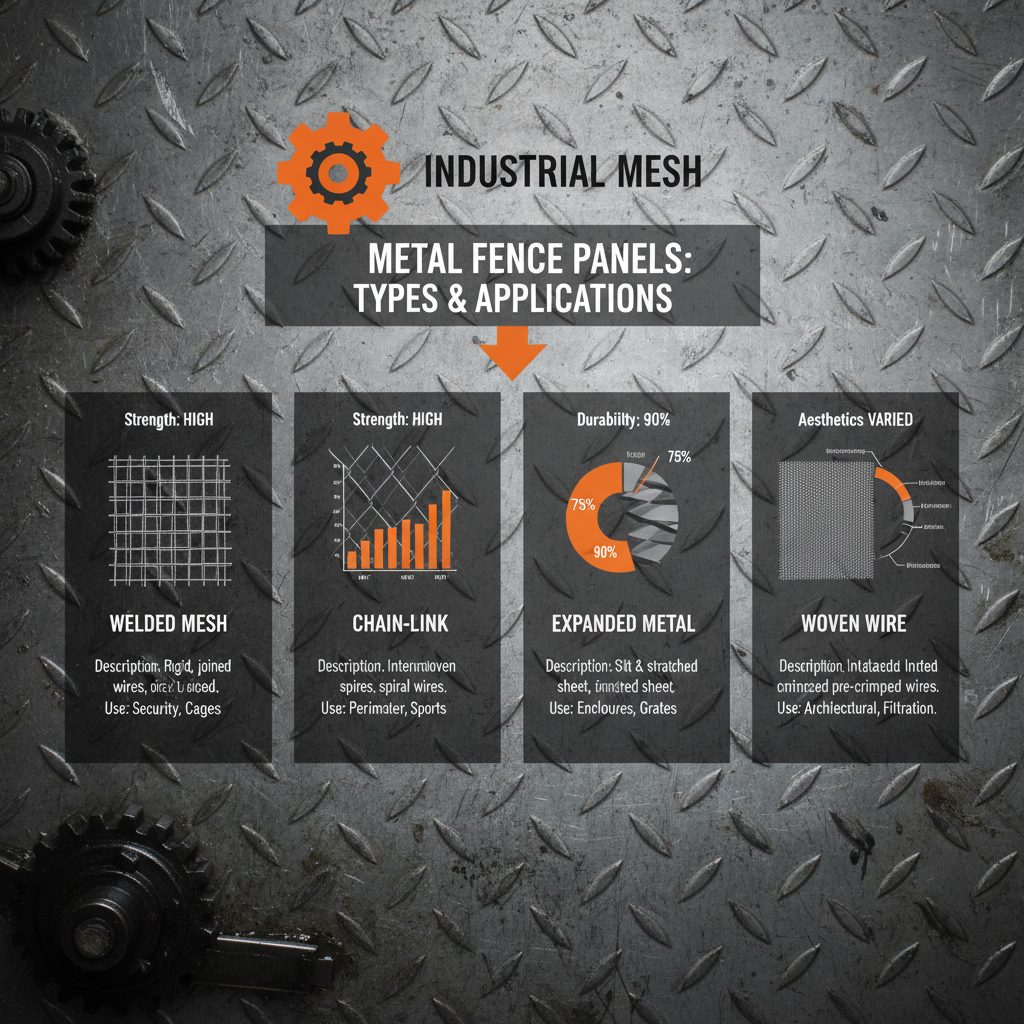
Different types of metal fence panels serve distinct purposes. Wrought iron panels, often characterized by intricate designs, are a popular choice for decorative fencing and gates. Aluminum fence panels are widely used for pool enclosures and residential boundaries due to their corrosion resistance and aesthetic versatility. Chain-link fencing, constructed from galvanized steel wire, offers a cost-effective solution for security and containment.
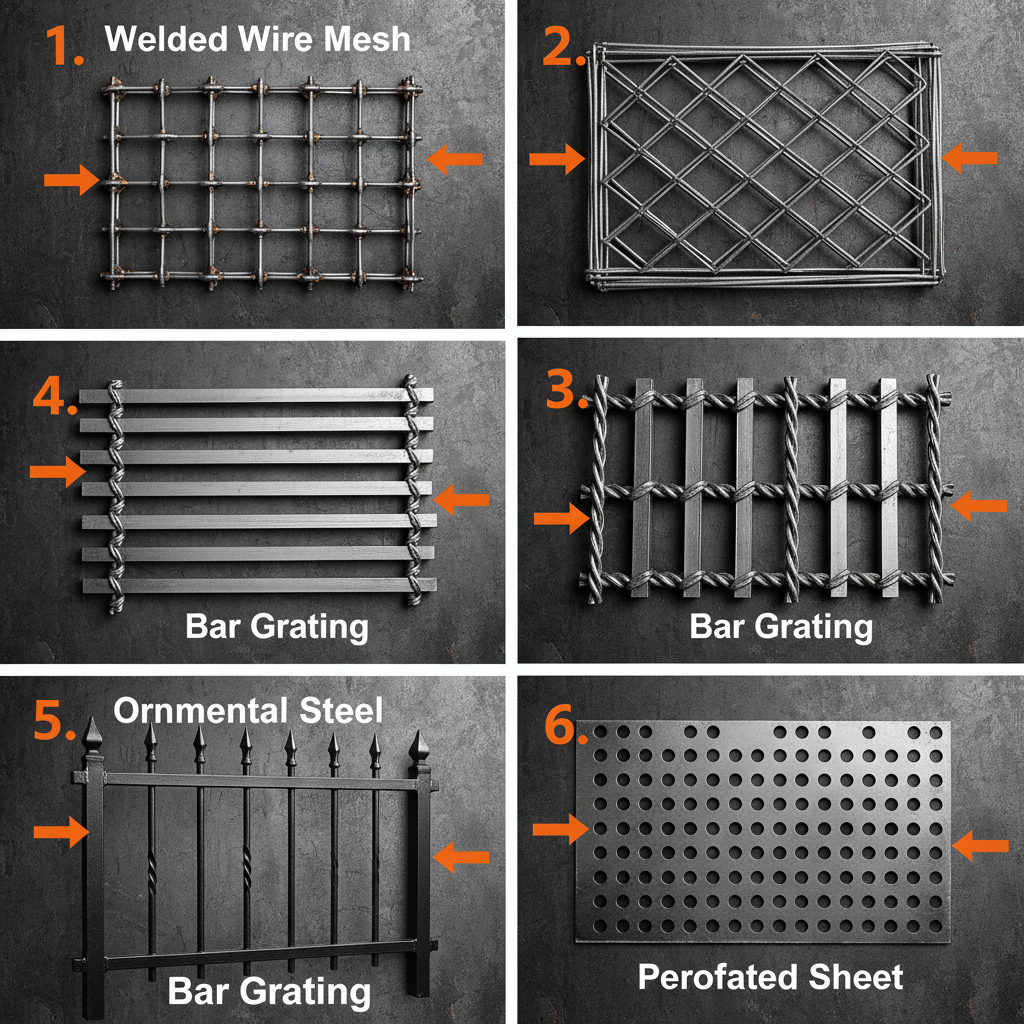
Steel fence panels, particularly those made from galvanized or powder-coated steel, provide exceptional strength and durability, making them suitable for industrial and high-security applications. More specialized options include ornamental steel panels, which combine the strength of steel with decorative elements, and expanded metal panels, known for their unique visual appearance and security features.
Beyond the base material, panels also vary in their construction methods—welded wire, pickets, rails, and mesh—each influencing the panel’s strength, aesthetic, and cost. Knowing these nuances allows for a precise match between fencing requirements and available options.
Key Characteristics of Metal Fence Panels
Several key characteristics define the performance and suitability of types of metal fence panels. Durability, measured by resistance to weathering, impact, and corrosion, is paramount for long-term value. Security, encompassing the panel’s ability to deter intrusion, is crucial for protecting property and ensuring safety.
Aesthetic appeal is also a significant consideration, as fencing often contributes substantially to a property’s overall appearance. Ease of installation and maintenance are practical factors impacting the total cost of ownership. Furthermore, the weight and flexibility of the panel can affect installation procedures and structural requirements.
These characteristics are often interlinked; for example, a more durable material may also offer enhanced security, but could require more complex installation procedures. Choosing the right panel demands a holistic assessment of these factors to align with the specific context of the application.
Global Applications of Metal Fencing
The applications of types of metal fence panels are globally widespread and diverse. In residential settings, aluminum and wrought iron panels are commonly used for property boundaries, pool enclosures, and decorative accents. Commercial and industrial facilities often rely on galvanized steel and chain-link fencing for security and perimeter control.
In infrastructure projects, such as airports and power plants, high-security steel panels are employed to protect critical assets. Agricultural applications utilize metal fencing for livestock containment and crop protection. Across regions, specific climate conditions and security concerns dictate material choices and design preferences.
Comparative Performance of Different types of metal fence panels
Advantages and Long-Term Value
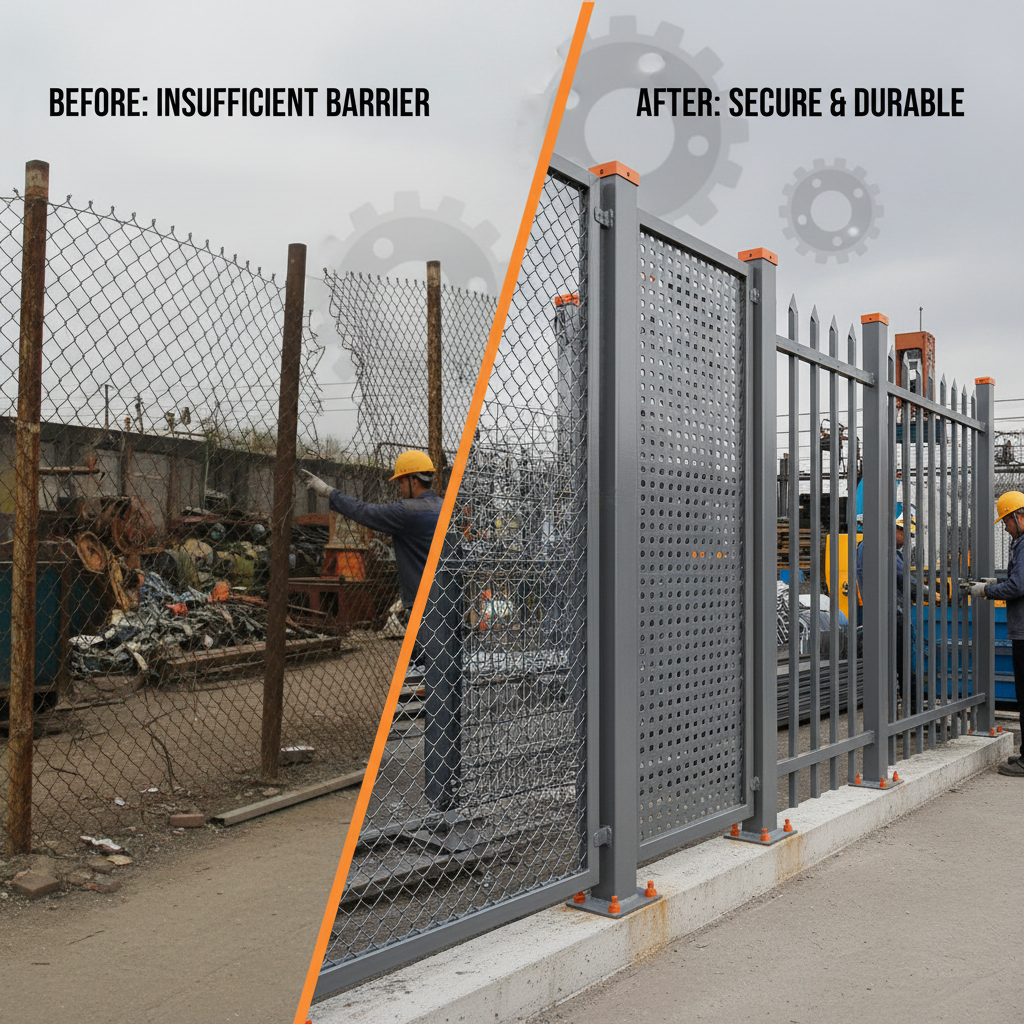
Investing in quality types of metal fence panels yields numerous advantages. Enhanced security safeguards property and deters unauthorized access. Increased property value stems from the aesthetic appeal and perceived security of a well-maintained fence.
Reduced maintenance costs, particularly with corrosion-resistant materials like aluminum, translate to long-term savings. Durability ensures a long service life, minimizing the need for frequent repairs or replacements. The peace of mind provided by a secure perimeter contributes to a sense of safety and well-being.
Future Trends in Metal Fence Panel Technology
The future of types of metal fence panels is poised for innovation. Advancements in materials science are leading to the development of even more durable and corrosion-resistant alloys. Smart fencing systems, incorporating sensors and connectivity, are emerging to provide real-time security monitoring and access control.
Sustainable manufacturing processes and the use of recycled materials are gaining prominence, driven by environmental concerns. Automation and robotic welding are improving production efficiency and precision. These trends will result in fencing solutions that are more secure, sustainable, and cost-effective.
Furthermore, we can expect to see more integration of aesthetic elements and customization options, allowing for greater design flexibility and personalized security solutions.
Challenges and Solutions in Metal Fencing
Despite their advantages, types of metal fence panels face certain challenges. Corrosion remains a concern, particularly in harsh environments. High upfront costs can be a barrier for some applications. Installation can be labor-intensive and require specialized skills.
Solutions include employing corrosion-resistant coatings, such as galvanization and powder coating. Exploring modular fencing systems can reduce installation time and costs. Investing in proper surface preparation and installation techniques ensures long-term durability and performance.
Addressing these challenges through continuous innovation and best practices will further enhance the value and applicability of metal fencing systems.
Summary of Solutions to Common Challenges in Metal Fence Panel Applications
| Challenge |
Material Solution |
Installation Solution |
Maintenance Solution |
| Corrosion in Coastal Areas |
Aluminum or Marine-Grade Stainless Steel |
Proper Grounding and Isolation |
Regular Cleaning and Protective Coating Reapplication |
| High Initial Cost |
Galvanized Steel or Aluminum (Cost-Effective Alternatives) |
Modular Fence Systems for Easier Installation |
Preventative Maintenance Schedule |
| Complex Installations |
Pre-Fabricated Panels |
Professional Installation Services |
Regular Inspection for Structural Integrity |
| Vandalism and Damage |
Reinforced Steel Panels |
Strategic Placement and Security Lighting |
Prompt Repair of Damaged Sections |
| Uneven Terrain |
Adjustable Fence Panels |
Terracing or Stepping Installation Techniques |
Monitoring for Ground Shifts |
| Security Breaches |
High-Security Mesh or Solid Panels |
Secure Gate and Locking Mechanisms |
Regular Security Audits |
FAQS
For harsh climates, galvanized steel or aluminum fence panels are highly recommended due to their excellent corrosion resistance. Galvanization provides a protective zinc coating, while aluminum naturally forms a protective oxide layer. When selecting, consider the specific climate conditions—such as salt air near the coast—and opt for panels with thicker coatings or specialized alloys to maximize longevity. Regular maintenance, including cleaning and re-coating as needed, is also crucial.
Choosing between aluminum and steel for a residential fence depends on your priorities. Aluminum is lighter, more corrosion-resistant, and requires less maintenance, making it ideal for pool enclosures and decorative boundaries. Steel is stronger and more affordable initially, but needs regular maintenance to prevent rust. Consider your budget, aesthetic preferences, and the level of security required when making your decision.
With proper maintenance, a well-maintained metal fence panel can last for decades. Aluminum fences can easily last 20-30 years or more, while galvanized steel fences can last 15-25 years. Wrought iron, if properly treated and maintained, can last for generations. Regular cleaning, re-coating, and prompt repair of any damage are essential to maximize the lifespan of any metal fence panel.
Yes, there are increasingly environmentally friendly options available. Look for fence panels made from recycled metal, as this reduces the demand for new resources. Additionally, consider panels with powder-coated finishes, as they contain fewer volatile organic compounds (VOCs) compared to traditional paint. Choosing sustainable manufacturing practices is also important.
The cost of installing metal fence panels varies widely depending on the material, height, length, and complexity of the installation. Chain-link fencing is typically the most affordable, ranging from $10-$20 per linear foot. Aluminum fences range from $20-$40 per linear foot, while steel fences can cost $25-$50 per linear foot or more. Wrought iron is the most expensive, often exceeding $50 per linear foot.
Preventing rust on steel metal fence panels requires proactive measures. Galvanization provides a foundational layer of protection. Apply a high-quality rust-inhibiting primer before painting. Use a durable, weather-resistant paint specifically formulated for metal. Regularly inspect the fence for any signs of rust and address them promptly with wire brushing and re-coating. Maintain proper drainage around the fence to prevent water accumulation.
Conclusion
In conclusion, understanding the diverse types of metal fence panels is paramount for making informed decisions regarding security, aesthetics, and long-term value. From the classic elegance of wrought iron to the durability of galvanized steel and the versatility of aluminum, each material offers unique benefits suited to specific applications and budgets. Prioritizing factors like corrosion resistance, installation complexity, and maintenance requirements ensures a successful and lasting fencing solution.
Looking ahead, advancements in materials science and smart fencing technologies promise to further enhance the performance and functionality of metal fencing systems. By embracing sustainable practices and focusing on preventative maintenance, we can maximize the lifespan and minimize the environmental impact of these essential structures. Visit our website at Hyliec Fence to explore our comprehensive selection of metal fence panels and find the perfect solution for your needs.