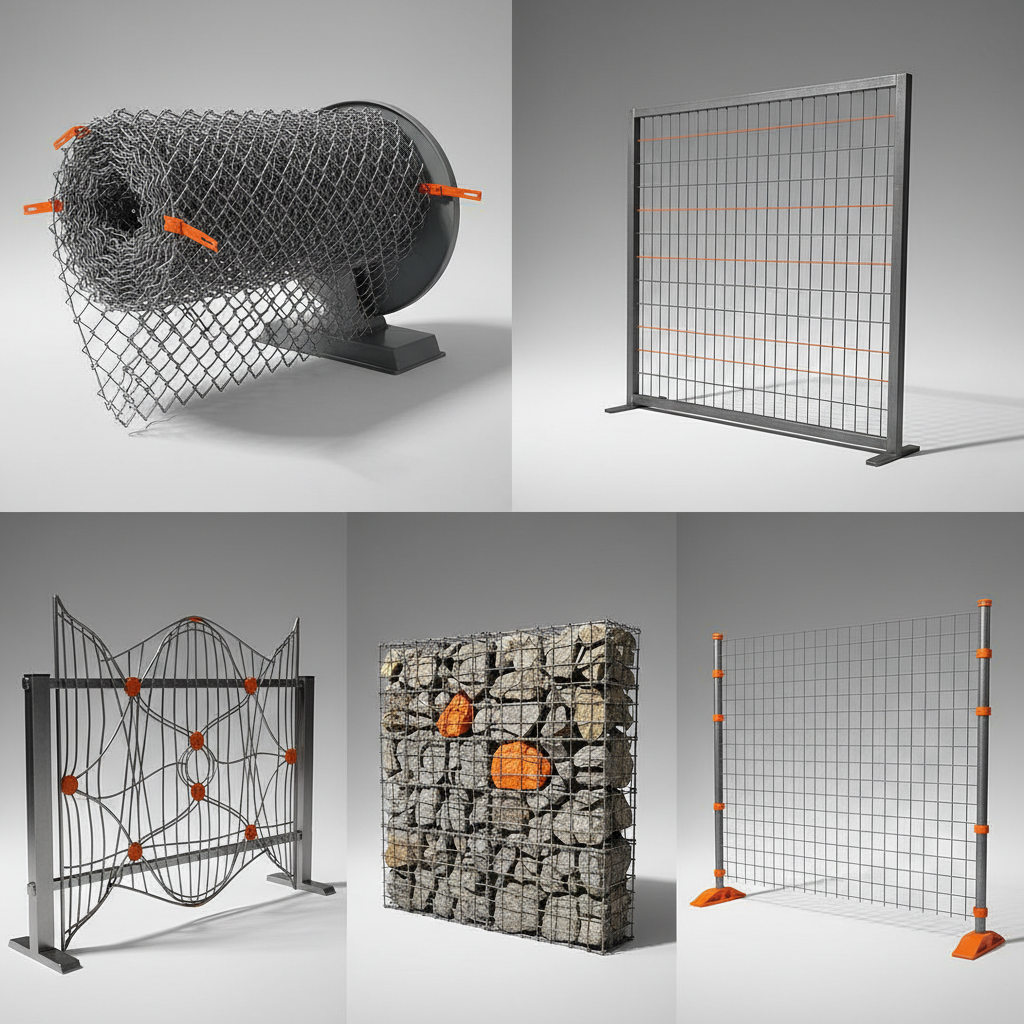
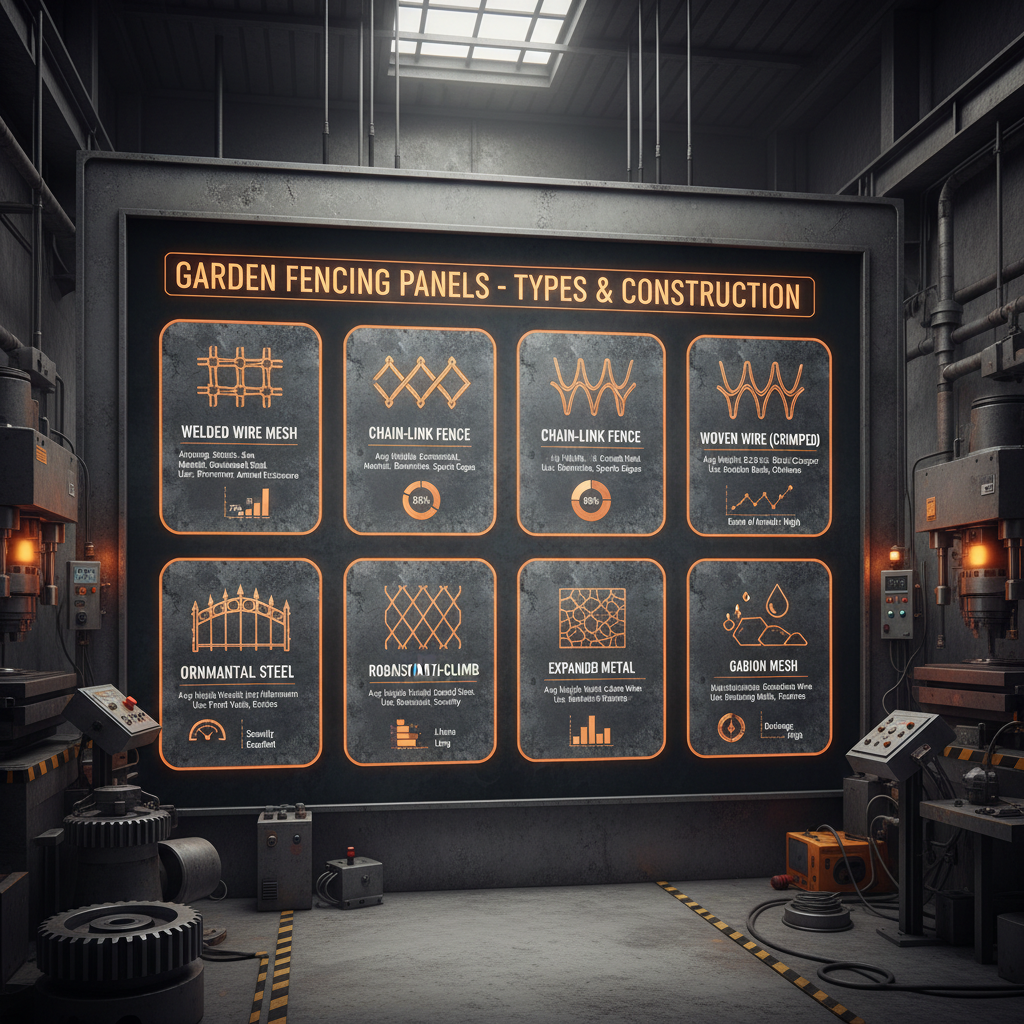
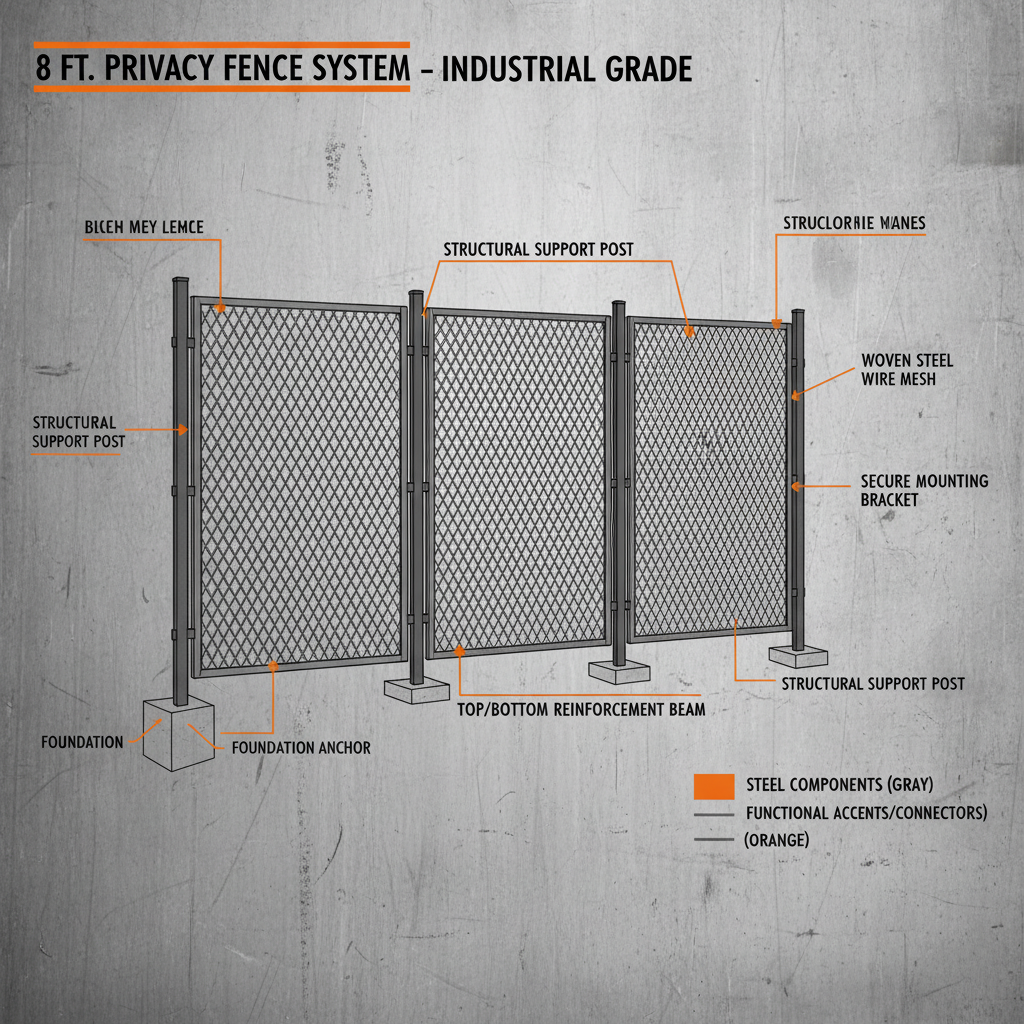
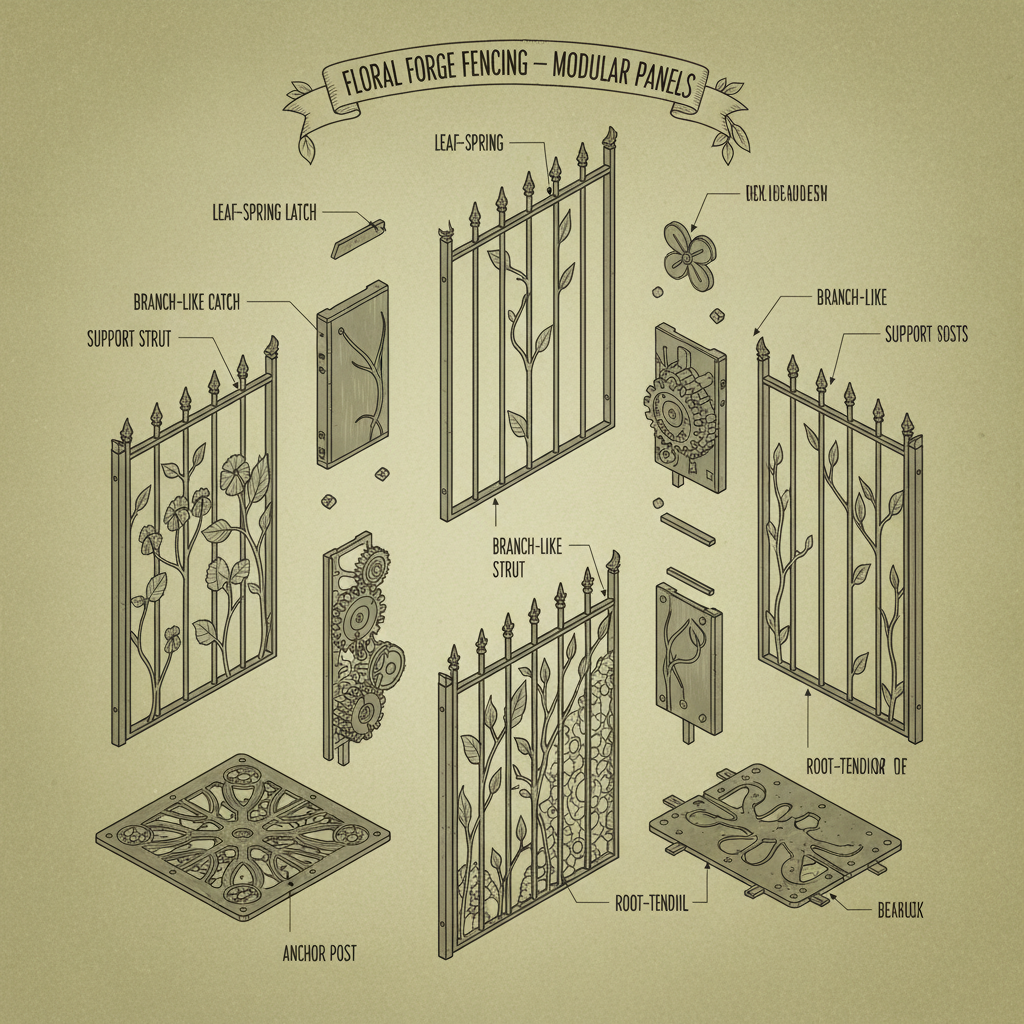
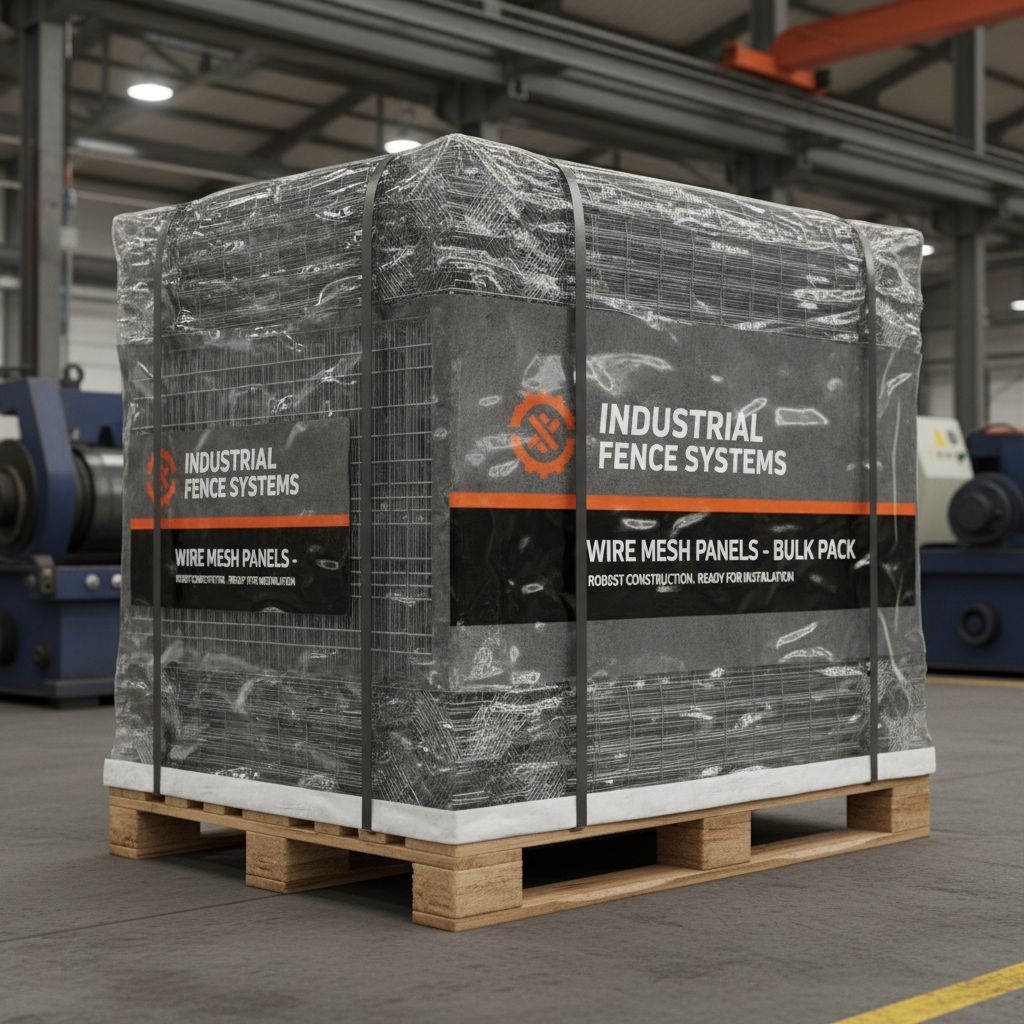
Garden fencing panels are a crucial element in defining outdoor spaces, offering privacy, security, and aesthetic appeal. The sheer variety of types of garden fencing panels available today reflects evolving design preferences, material innovations, and functional needs. Understanding these different types allows homeowners, landscapers, and developers to select the optimal fencing solution for their specific requirements, enhancing both property value and lifestyle. This guide delves into the diverse world of garden fencing panels, exploring their characteristics, applications, and future trends.
The global market for fencing, including garden panels, is substantial and continuously growing. According to market research reports, the global fencing market was valued at over $35 billion in 2023 and is projected to reach $45 billion by 2030, driven by increasing construction activities, infrastructural development, and a rising demand for home improvement products. This growth is particularly pronounced in developing economies, where rapid urbanization and a growing middle class fuel demand for secure and attractive property boundaries. Choosing the right types of garden fencing panels is vital.
A key challenge in selecting the appropriate fencing is balancing cost, durability, aesthetics, and environmental impact. With the increasing emphasis on sustainable practices, there’s a growing demand for eco-friendly fencing materials and manufacturing processes. Understanding the different types of garden fencing panels enables informed decision-making, ensuring a solution that meets both practical and ethical considerations.
The Significance of Types of Garden Fencing Panels
The choice of garden fencing isn't simply about aesthetics; it’s a multifaceted decision impacting security, privacy, and property value. Different types of garden fencing panels offer varying levels of protection against intrusions, providing peace of mind for homeowners. Proper fencing also defines property lines, preventing disputes and ensuring clear boundaries.
Furthermore, carefully selected fencing can significantly enhance a garden's aesthetic appeal, complementing landscaping and architectural styles. The right fencing can create a welcoming and visually appealing outdoor environment, making a lasting positive impression.
Defining Types of Garden Fencing Panels
Types of garden fencing panels encompass a broad spectrum of materials, designs, and construction methods. Generally, they can be categorized based on the material used – wood, vinyl, composite, metal, and even woven materials like willow. Wood panels, traditionally popular, offer a natural aesthetic but require regular maintenance. Vinyl and composite panels provide durability and low maintenance, though they may lack the warmth of wood. Metal panels offer strength and security, frequently appearing in contemporary designs.
Panel designs themselves vary widely, from traditional close-boarded fencing for maximum privacy to slatted panels that allow for some visibility and airflow. Lattice panels, often used as decorative elements or to support climbing plants, add visual interest and vertical gardening opportunities.
Essentially, 'types of garden fencing panels' refer to prefabricated sections of fencing, ready for installation between posts, offering a quicker and more convenient alternative to constructing a fence from individual components. These panels represent a significant innovation in fencing technology.
Key Characteristics of Garden Fencing Panels
Several key characteristics determine the suitability of different types of garden fencing panels for specific applications. These include material composition, panel height and width, panel thickness, and the method of construction. Material composition impacts durability, maintenance requirements, and aesthetic appeal. Panel dimensions dictate the visual impact and the level of privacy provided.
The construction method, such as whether the panels are tongue-and-groove, overlap, or are constructed with vertical or horizontal slats, influences the structural integrity and weather resistance. For example, tongue-and-groove panels offer a tight fit, minimizing gaps and providing enhanced privacy. Proper evaluation of these characteristics is essential for selecting a fencing solution that meets your needs.
Furthermore, considerations like panel weight and ease of installation are crucial. Lighter panels are easier to handle and install, reducing labor costs. Panels designed for easy installation, with pre-drilled holes and clear instructions, can save significant time and effort.
Durability and Longevity of Different Panel Types
The durability and longevity of types of garden fencing panels vary significantly depending on the materials used and the local climate conditions. Wood panels, while aesthetically pleasing, are susceptible to rot, decay, and insect damage, requiring regular treatments and maintenance to extend their lifespan. Pressure-treated wood offers improved resistance but still necessitates periodic upkeep.
Vinyl and composite panels are renowned for their durability and resistance to weathering, rot, and insect infestation. They generally require minimal maintenance, making them a cost-effective long-term solution. Metal panels, particularly those made from galvanized steel or aluminum, offer exceptional strength and longevity, capable of withstanding harsh weather conditions.
Longevity Comparison of Garden Fencing Panel Types
Global Applications of Garden Fencing Panels
Types of garden fencing panels find applications in diverse settings worldwide. In residential areas, they demarcate property boundaries, provide privacy, and enhance aesthetic appeal. In agricultural regions, fencing panels are used to enclose livestock, protect crops, and prevent unauthorized access. Increasingly, they are employed in commercial and industrial settings to secure premises and define perimeters.
In Europe, traditional wooden fencing remains popular, often seen in rural landscapes and historic gardens. In North America, vinyl and composite fencing are widely adopted for their low-maintenance characteristics. In Australia, metal fencing, particularly colorbond steel, is favored for its durability and resistance to bushfire-prone conditions.
Advantages of Well-Chosen Garden Fencing
Selecting the appropriate types of garden fencing panels delivers a multitude of benefits. Enhanced security is paramount, deterring intruders and protecting property. Increased privacy allows for greater enjoyment of outdoor spaces, shielded from prying eyes. Aesthetically, well-chosen fencing enhances curb appeal and complements the surrounding landscape.
Furthermore, quality fencing can increase property value, making a home more attractive to potential buyers. Eco-friendly fencing options, such as those made from recycled materials or sustainably sourced wood, contribute to a greener environment and promote responsible consumption.
Future Trends in Garden Fencing Panel Technology
The garden fencing industry is undergoing continuous innovation, driven by advancements in materials science and manufacturing techniques. One emerging trend is the development of composite fencing panels made from recycled plastics and wood fibers, offering a sustainable and durable alternative to traditional materials. Smart fencing systems, incorporating sensors and connectivity features, are also gaining traction, providing remote monitoring and security alerts.
Another notable trend is the increasing demand for low-maintenance fencing solutions, fueled by busy lifestyles and a desire to minimize upkeep. Self-healing polymers and anti-graffiti coatings are being developed to further enhance the durability and aesthetic appeal of fencing panels.
The integration of digital design tools and 3D printing technologies is also poised to revolutionize the fencing industry, allowing for customized designs and efficient production.
Challenges and Considerations for Sustainable Fencing
Despite the numerous benefits, challenges remain in the realm of sustainable fencing. The environmental impact of manufacturing processes, particularly the production of vinyl and composite panels, is a concern. Sourcing sustainable materials, reducing carbon emissions, and minimizing waste are crucial steps toward mitigating these impacts.
Another challenge is ensuring the longevity of fencing panels in harsh climates. Exposure to extreme temperatures, UV radiation, and moisture can degrade materials over time. Developing innovative coatings and treatments to enhance weather resistance is essential.
Finally, the cost of eco-friendly fencing options can be a barrier to adoption for some consumers. Incentives, such as tax credits or rebates, can help make sustainable fencing more accessible and affordable.
Summary Table of Sustainable Fencing Options
| Material Type |
Environmental Impact |
Durability Rating (1-10) |
Cost (Low/Medium/High) |
| Recycled Plastic Composite |
Reduces plastic waste, lower carbon footprint than virgin plastic. |
8 |
Medium |
| Sustainably Sourced Wood |
Renewable resource, supports responsible forestry practices. |
6 |
Medium |
| Bamboo |
Fast-growing renewable resource, minimal environmental impact. |
7 |
Medium to High |
| Recycled Metal (Aluminum) |
Reduces energy consumption compared to virgin aluminum production. |
9 |
High |
| Thermally Modified Wood |
Enhances durability and reduces the need for chemical treatments. |
7 |
Medium to High |
| Bio-Based Composites |
Utilizes plant-based materials, reducing reliance on fossil fuels. |
6 |
High |
FAQS
Galvanized steel and aluminum panels generally offer the highest durability, resisting corrosion, rot, and insect damage. They require minimal maintenance and can withstand harsh weather conditions. While more expensive upfront, their longevity makes them a cost-effective choice in the long run. Composite panels also offer excellent durability, resisting weathering and rot, though they may not match the sheer strength of metal.
Wooden fencing panels should ideally be treated every 1-2 years to protect against rot, decay, and insect infestation. This typically involves applying a wood preservative, stain, or paint. Regular cleaning and inspection are also important to identify any signs of damage or deterioration. Proper treatment will significantly extend the lifespan of your wooden fence.
Composite fencing panels can be eco-friendly if they are made from recycled materials, such as plastic bottles and wood fibers. However, it's important to consider the manufacturing process, which can still have an environmental impact. Look for panels certified by organizations that promote sustainable practices.
Wood fencing is typically the least expensive upfront, but requires ongoing maintenance costs. Vinyl fencing is mid-range in terms of cost, with lower maintenance but higher initial expense. Metal fencing, especially aluminum or steel, is generally the most expensive upfront, but offers the longest lifespan and minimal maintenance, potentially making it the most cost-effective over time.
Yes, many homeowners can install garden fencing panels themselves, particularly if they have some basic DIY experience. However, it’s crucial to ensure proper post installation and alignment. For more complex installations or if you’re unsure about any aspect of the process, it's best to hire a professional fencing contractor.
Height restrictions for garden fencing vary depending on local building codes and regulations. Typically, fences in front yards are limited to lower heights (e.g., 4 feet), while fences in backyards may be allowed to be taller (e.g., 6-8 feet). It's essential to check with your local authorities before installing a fence to ensure compliance.
Conclusion
In conclusion, understanding the diverse types of garden fencing panels is paramount for making informed decisions about property security, privacy, aesthetics, and sustainability. From traditional wood to innovative composites and durable metals, each material offers unique advantages and disadvantages. Careful consideration of factors such as climate, budget, and maintenance requirements is crucial for selecting the optimal fencing solution.
Looking ahead, the garden fencing industry is poised for continued innovation, driven by advancements in materials science and a growing emphasis on eco-friendly practices. By embracing these developments, homeowners and landscapers can create beautiful, functional, and sustainable outdoor spaces that enhance property value and quality of life. Visit our website at www.hyliecfence.com to explore our extensive range of garden fencing panels.