Look, I've been on sites all year, wrestling with materials, talking to engineers, seeing what actually works. And let me tell you, a good, strong fence isn’t just about keeping things in or out. It’s about security, peace of mind, and frankly, making a job look professional. We’ve moved beyond flimsy chain link – people want something that holds up, looks good, and doesn't need constant patching. That’s where high fence panels come in. They’re a game-changer for everything from construction sites to property protection.
The demand is growing, no question. We're seeing a real shift in projects wanting that extra level of security and durability. It’s not just about preventing theft, it's about mitigating risk, controlling access, and protecting investments. And honestly, with material costs going up, the last thing anyone needs is a fence that’s going to fall apart after a single season.
I’ve seen too many projects delayed because of fence issues. Time is money, plain and simple. High fence panels offer a quicker, more reliable solution. They’re designed for faster installation, reducing labor costs and getting the site secured faster. It’s a proactive approach to site management, and the clients are starting to understand that.
The Importance of High Fence Panels in Modern Construction
I've seen firsthand how critical secure site perimeters are. It's not just about keeping trespassers out; it's about protecting equipment, materials, and, most importantly, people. High fence panels are becoming standard because they deliver on all fronts. We're seeing tighter regulations around site security, and these panels make compliance a lot easier.
What I appreciate is the build quality. You can tell they’re designed to withstand the elements and resist tampering. A lot of the cheaper options just don't cut it – they bend, break, and require constant maintenance. That adds up in both time and money. Investing in robust high fence panels is a smart long-term decision.
Understanding High Fence Panel Construction
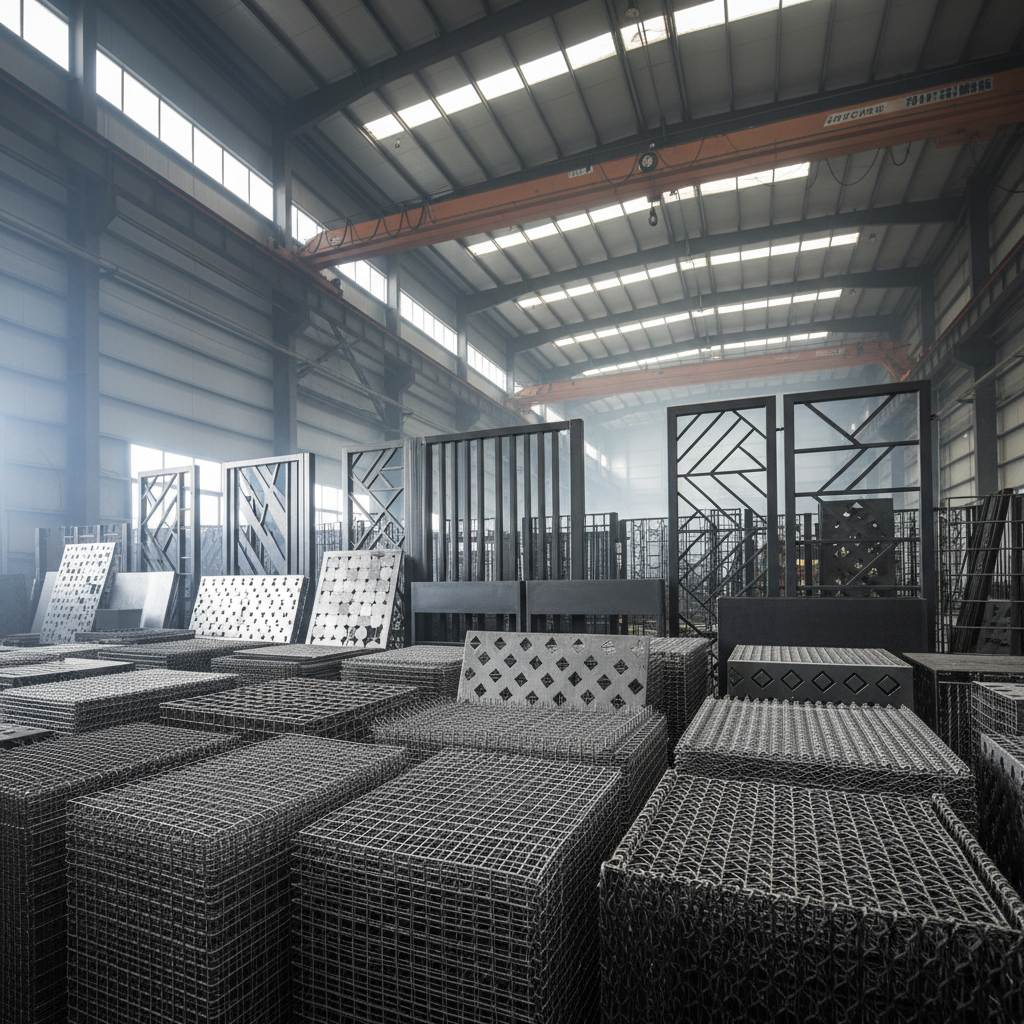
The key to a good high fence panel is the materials and the manufacturing process. You're looking at heavy-gauge steel frames, often galvanized for corrosion resistance, and infill panels that can range from solid steel to welded wire mesh. The welding quality is crucial – weak welds are the first point of failure.
I always check the steel grade. Cheaper panels often use lower-grade steel that’s more susceptible to bending and breaking. The infill material also matters. Solid steel panels offer the highest level of security, but welded wire mesh can be a good compromise, especially for projects where visibility is important.
What's often overlooked is the panel coating. A good powder coat finish not only looks good but also provides an extra layer of protection against the elements, extending the life of the fence. It’s the details that make the difference.
Core Attributes: Durability, Security and Aesthetics
Let’s talk about what really matters: durability, security and looks. A high fence panel needs to withstand everything a construction site can throw at it – wind, rain, impacts, and attempts at unauthorized access. Durability isn’t just about the materials; it’s about the design and how well everything is put together.
Security is paramount. The panel height, the strength of the steel, and the spacing of the infill all contribute to the level of protection. You want a fence that's difficult to climb, difficult to cut, and difficult to breach. And don’t forget about the gate! A flimsy gate undermines the whole system.
But it’s not just about function, either. A clean, professional-looking fence adds to the overall impression of the site. Nobody wants to see a rusty, dilapidated fence. High fence panels, with their sleek designs and durable finishes, contribute to a more positive image. It shows you care about the project and its surroundings.
Real-World Applications of High Fence Panels
I’ve seen these panels used in a huge variety of applications. Construction sites, obviously, but also at industrial facilities, data centers, schools, and even private estates. They’re particularly useful in areas prone to theft or vandalism.
We put them up around a new solar farm recently - protecting valuable equipment during construction and operation. The added security was a major selling point for the client. And I’ve worked with a utility company using them to secure substations and critical infrastructure.
They’re also becoming more common in residential developments, particularly in gated communities. People want that added sense of security, and high fence panels deliver it without looking overly fortress-like.
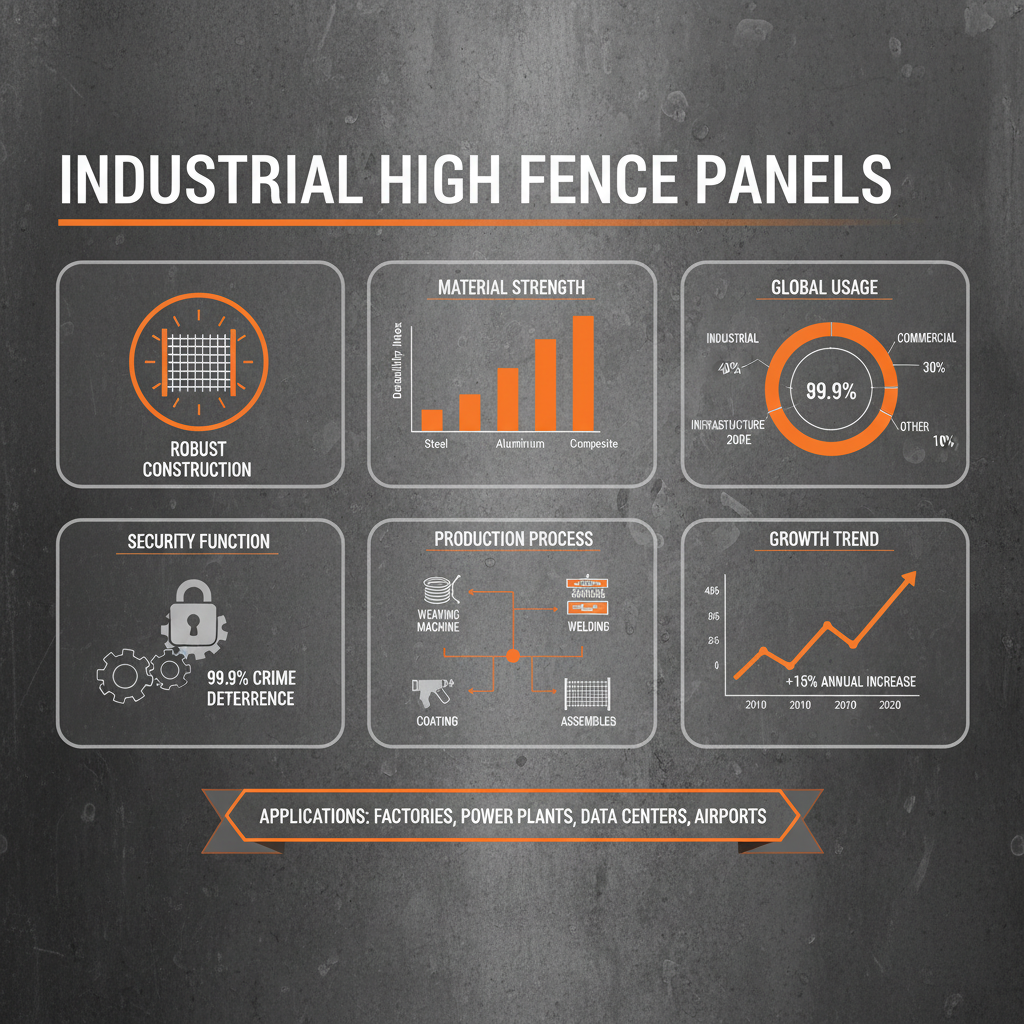
High Fence Panel Application Breakdown
The Long-Term Benefits & Cost Analysis
Look, the initial cost of high fence panels is higher than some of the cheaper options. There’s no getting around that. But you have to look at the total cost of ownership. How long is the fence going to last? How much maintenance will it require? How much will it cost to repair or replace damaged sections?
A cheaper fence might save you money upfront, but it's likely to end up costing you more in the long run. High fence panels are built to last, reducing the need for frequent repairs and replacements. That's a significant cost saving over the lifetime of the project.
Emerging Trends and Innovative Materials
We're starting to see some really interesting innovations in fence materials. Things like composite fencing, which combines the strength of steel with the weather resistance of plastics. It’s lighter than steel, easier to install, and doesn’t rust.
Another trend is the integration of smart technology. We're talking about fences with built-in sensors that can detect intrusions, alert security personnel, and even integrate with surveillance systems. It's still early days, but the potential is huge.
Addressing Challenges and Future Considerations
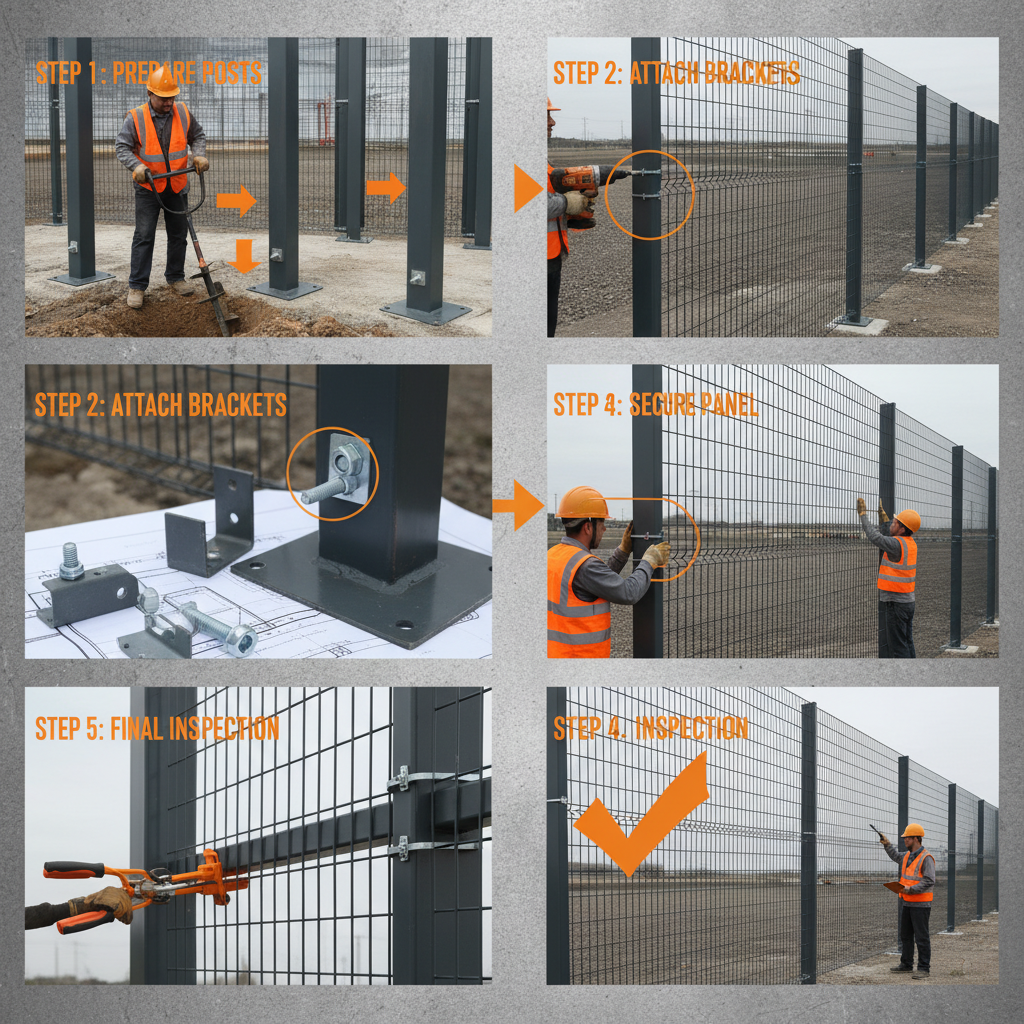
One of the biggest challenges is installation. High fence panels are heavier and more cumbersome to work with than lighter-gauge materials. It requires experienced installers and the right equipment.
Another challenge is dealing with uneven terrain. You need to ensure the fence is properly supported and aligned, even on sloping ground. Proper planning and site preparation are crucial.
Looking ahead, I think we’ll see a greater emphasis on sustainable materials and environmentally friendly manufacturing processes. Clients are increasingly demanding sustainable solutions, and the fencing industry needs to respond.
Summarizing Core Attributes of High Fence Panels
| Material Composition |
Installation Complexity |
Maintenance Requirements |
Long-Term Cost-Effectiveness |
| Heavy-gauge galvanized steel, powder-coated finish |
Moderate; requires skilled labor and appropriate equipment. |
Low; minimal maintenance required, periodic inspection advised. |
High; reduced repair and replacement costs over the fence’s lifespan. |
| Welded wire mesh infill options |
Slightly lower than solid steel panels. |
Low; wire mesh is corrosion-resistant. |
Moderate; offers a balance between cost and security. |
| Composite materials emerging as alternatives |
Generally easier to install due to lighter weight. |
Very low; highly resistant to weathering and corrosion. |
Potentially high; dependent on material longevity. |
| Panel height options for varied security levels |
Influences installation time; taller panels require more support. |
Minimal; height does not significantly impact maintenance. |
Moderate to high; increased height enhances security, justifying cost. |
| Galvanization processes and coating quality |
Does not directly affect installation; pre-treatment crucial. |
Significantly reduces maintenance; extends lifespan. |
High; superior corrosion protection minimizes long-term expenses. |
| Gate integration and locking mechanisms |
Requires careful alignment and secure mounting. |
Regular lubrication and inspection of locking systems. |
Moderate; robust gates enhance overall security and value. |
FAQS
With proper galvanization and a quality powder coat finish, high fence panels can easily last 20-25 years, even in harsh climates with significant temperature fluctuations, salt spray, or heavy rainfall. Regular inspections are key to identifying and addressing minor issues before they become major problems. We've seen installations still going strong after three decades with minimal maintenance. The key is the initial quality of the materials and coating.
Yes, the upfront cost of high fence panels is typically higher than chain link. However, when you factor in the increased durability, lower maintenance requirements, and reduced risk of theft or vandalism, they often prove to be more cost-effective over the long term. Chain link requires frequent repairs and replacements, while these panels are built to withstand years of abuse.
The best foundation depends on the soil type and the height of the fence. Concrete footings are generally the most stable option, especially for taller panels. For less demanding applications, gravel-filled post holes can be sufficient. Proper drainage is essential to prevent frost heave and ensure the fence remains secure. A qualified installer can assess the site conditions and recommend the most appropriate foundation method.
Repairing a damaged panel is usually straightforward. Minor dents can often be hammered out. For more significant damage, the panel can typically be cut out and replaced with a new one. We recommend having a few spare panels on hand for quick repairs. Welding skills are required for some repairs, so it's often best to hire a professional installer.
Permit requirements vary depending on the location and the height of the fence. It's essential to check with local building codes and homeowner associations before starting any installation. Some jurisdictions may have restrictions on fence height, materials, or placement. Failure to obtain the necessary permits can result in fines or delays.
High fence panels can be easily integrated with a variety of security features, including security cameras, motion sensors, and alarm systems. Razor wire or barbed wire can be added to the top of the fence for increased security, although this may be subject to local regulations. Anti-climb paint can also be applied to deter intruders.
Conclusion
High fence panels represent a significant upgrade in site security and overall project management. They’re not just a barrier; they’re an investment in protecting assets, controlling access, and enhancing the professional image of any project. The initial cost is justified by the long-term benefits of durability, reduced maintenance, and increased security.
The future of fencing is leaning towards stronger, more durable, and smarter solutions. By embracing innovations in materials and technology, and by prioritizing quality and proper installation, we can create secure and reliable perimeters that stand the test of time. For reliable and robust fencing solutions, visit our website at www.hyliecfence.com.