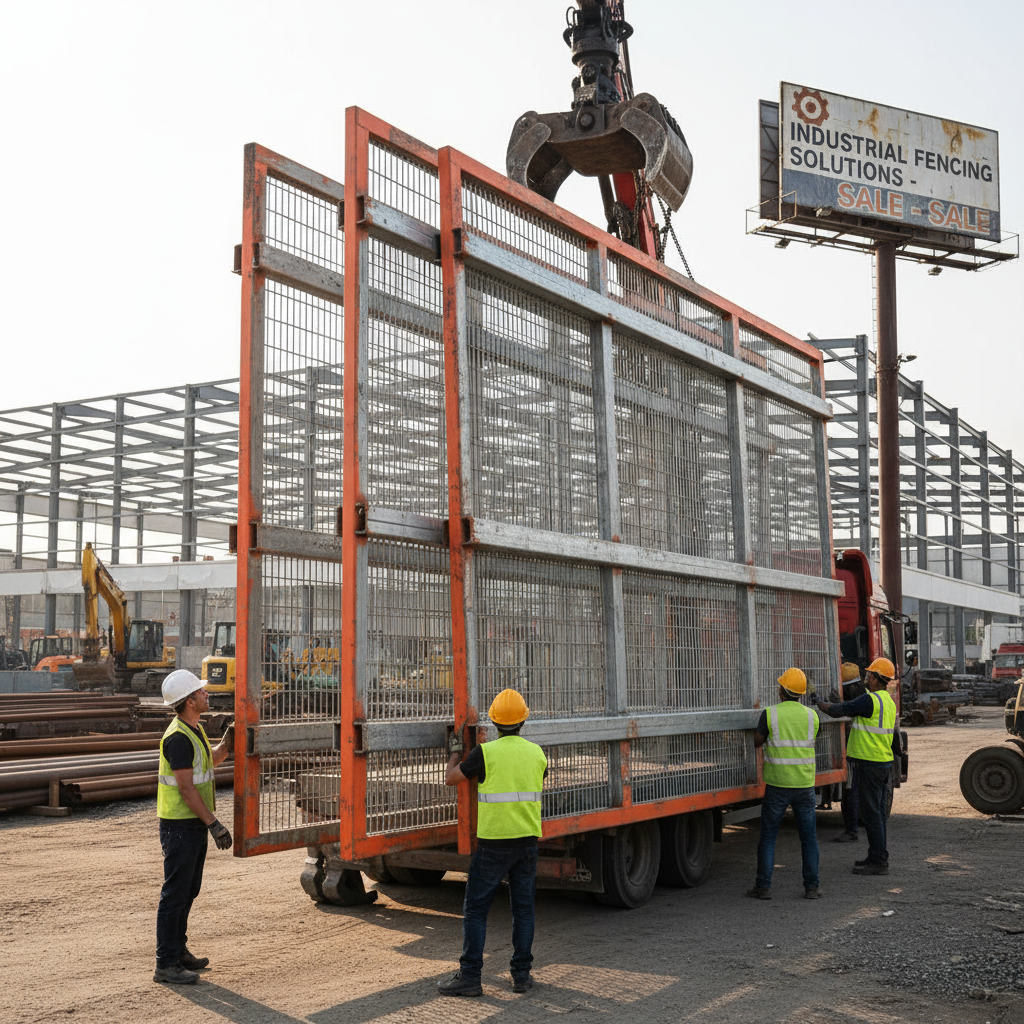
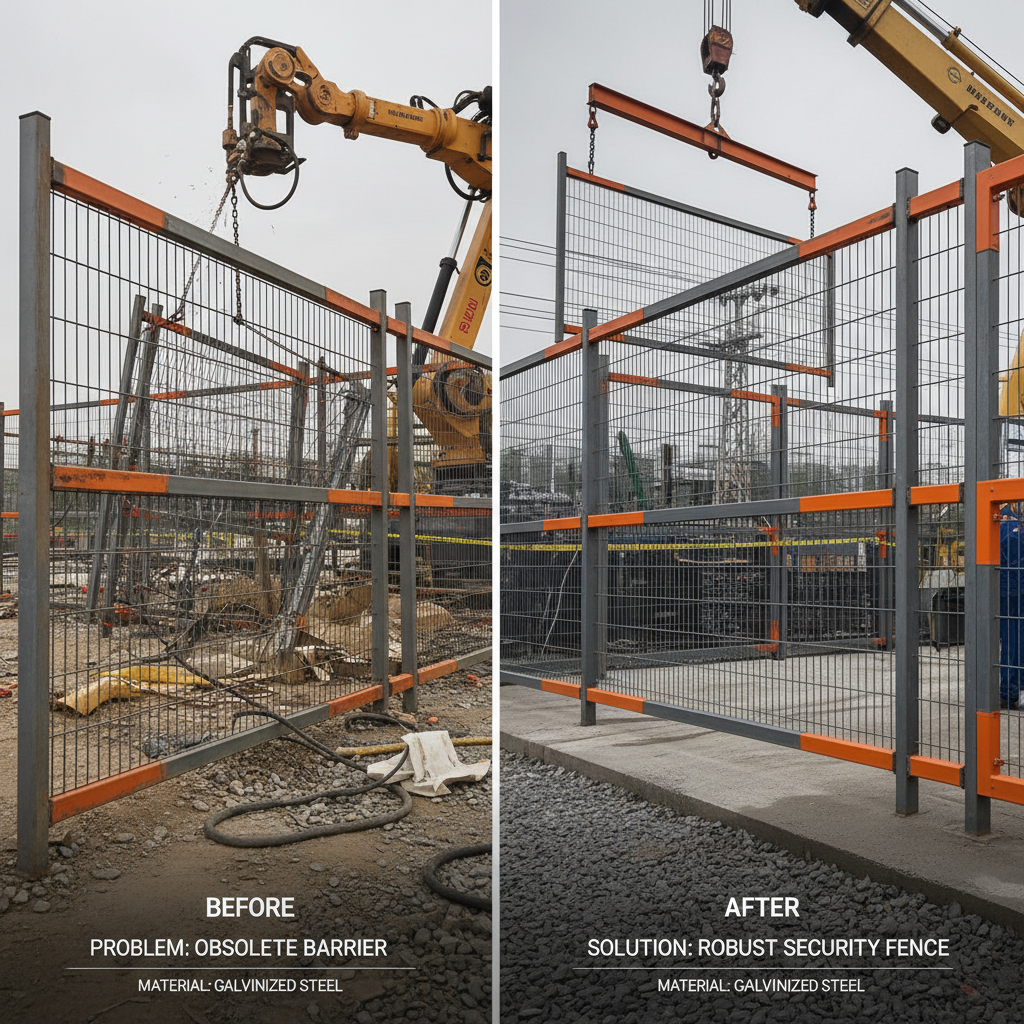
Look, I’ve spent the last fifteen years knee-deep in dirt, dust, and concrete, working with everything from timber frames to pre-cast concrete. I’ve seen fencing solutions come and go, and frankly, most of ‘em fall short. But there's a real shift happening with green metal fence panels – they're not just a pretty face. They address a lot of the headaches contractors like me face daily: speed of installation, long-term durability, and increasingly, sustainability. It's not about chasing trends; it's about finding solutions that actually hold up on site and deliver value.
The demand for secure and aesthetically pleasing perimeter fencing is only going up. We're seeing more projects that require robust security alongside a modern look, and that’s where these panels really shine. Traditional materials are either too labor-intensive to install, require constant maintenance, or simply don’t offer the level of security a lot of clients are now demanding. And let's be real, time is money. Anything that cuts down on install time and minimizes future repairs is a win for everyone involved.
I’ve watched the costs of everything from lumber to steel fluctuate wildly. green metal fence panels offer a level of cost predictability that’s hugely appealing. Plus, the reduced maintenance demands mean lower lifecycle costs – and that’s a conversation I have with clients a lot. It's about making smart investments that pay off over the long haul, not just looking at the initial price tag.
The Practical Benefits of green metal fence panels
From a boots-on-the-ground perspective, green metal fence panels simplify the entire fencing process. We’re talking faster install times, often cutting labor costs by as much as 30-40% compared to traditional methods. That’s huge, especially on large-scale projects. It’s not just about speed either – the modular design means fewer specialized skills are needed, which expands the pool of qualified installers.
I’ve seen crews struggle with warped wood, rusted chains, and brittle concrete posts. These panels eliminate a lot of those headaches. The consistent quality and pre-finished surfaces mean less on-site prep work and a cleaner, more professional finish. And honestly, dealing with less damaged materials means fewer trips back to the supplier – and that saves time and money too.
Global Demand and Market Trends
The demand for secure perimeter fencing is booming globally, driven by increasing urbanization, infrastructure development, and heightened security concerns. We're seeing major growth in markets across Asia, South America, and Africa, where rapid development often outpaces the availability of skilled labor and traditional building materials. This is where green metal fence panels really come into their own, offering a fast, reliable, and cost-effective solution.
According to recent reports from the UN and World Bank, investment in infrastructure is projected to reach trillions of dollars over the next decade. A significant portion of that will be allocated to security and perimeter control, and that's driving demand for high-quality fencing materials. The ISO standards for security fencing are also becoming more stringent, which favors robust and reliable systems like those offered by metal panels.
The biggest challenge right now is the rise in material costs and supply chain disruptions. Clients are looking for solutions that offer price stability and predictable lead times. green metal fence panels, with their standardized manufacturing process and relatively stable material costs, are becoming increasingly attractive in this environment.
Defining green metal fence panels: A Contractor's Perspective
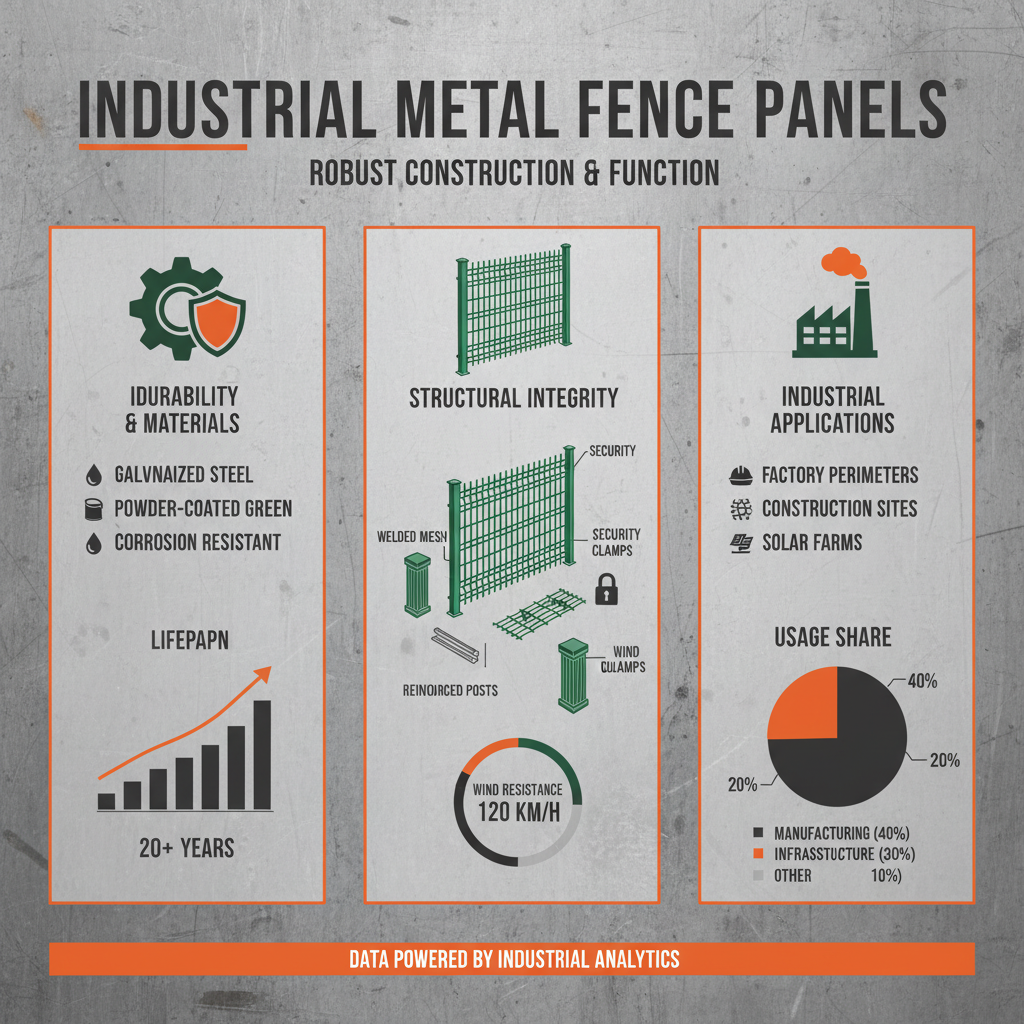
Forget everything you think you know about chain link. green metal fence panels are typically constructed from galvanized steel, often with a powder-coated finish for added corrosion resistance and aesthetic appeal. They're designed to interlock securely, creating a robust and visually consistent barrier. The “green” aspect often refers to the environmentally conscious manufacturing processes or the use of recycled materials, but increasingly, it's about the durability and reduced lifecycle impact.
From a practical standpoint, these panels are engineered for ease of installation. They require minimal post spacing, reducing material costs and installation time. The modular design allows for customization to fit various terrains and site conditions. It’s a system, not just a product – and that makes a huge difference on the job site.
They’re increasingly being used as a direct replacement for traditional wood or wrought iron fencing, offering a more secure, durable, and low-maintenance alternative. Clients are particularly impressed with the clean lines and modern aesthetic – it’s a significant upgrade over the look of older fencing systems.
Core Advantages: Durability, Installation, and Cost
Let’s break it down. Durability is key. These panels are built to withstand harsh weather conditions, resist corrosion, and deter intruders. Installation is significantly faster than traditional methods, often requiring just a few basic tools and minimal specialized skills. This translates to lower labor costs and quicker project completion.
And then there's cost. While the initial investment might be slightly higher than some cheaper options, the long-term value is undeniable. Reduced maintenance, increased security, and a longer lifespan all contribute to a lower total cost of ownership. I've seen clients save thousands of dollars over the life of a project by choosing these panels over traditional fencing materials.
Installation Time Comparison: green metal fence panels vs. Alternatives
Real-World Applications and Project Examples
I recently used green metal fence panels on a large commercial property, replacing an aging chain-link fence. The client needed a more secure perimeter and a more modern look. The installation went smoothly, and the finished product exceeded their expectations. We finished the project a week ahead of schedule.
We’ve also used them on residential projects, particularly in areas prone to high winds or vandalism. The added security and durability provide homeowners with peace of mind. I’ve seen them implemented on school grounds, industrial parks, and even wildlife preserves, demonstrating their versatility.
Long-Term Value and Sustainable Impact
The beauty of these panels isn’t just in their immediate benefits; it’s in their long-term value. Reduced maintenance means lower operating costs over the lifespan of the fence. Increased durability means fewer replacements, reducing waste and minimizing environmental impact. That’s a win-win.
Increasingly, clients are asking about the sustainability of their building materials. green metal fence panels, especially those made from recycled materials and manufactured using eco-friendly processes, offer a responsible and sustainable solution. It’s about building for the future, not just for today.
From a practical standpoint, the reduced need for ongoing repairs and maintenance also translates to less disruption and inconvenience for property owners. They can focus on running their businesses or enjoying their homes, rather than dealing with fencing issues.
Future Innovations and Challenges Ahead
I’m seeing a lot of innovation in this space. Manufacturers are exploring new coatings that offer even greater corrosion resistance and aesthetic appeal. Smart fencing systems, incorporating sensors and security features, are also on the horizon. We might soon see panels integrated with solar panels to power lighting or security systems.
One of the biggest challenges will be maintaining cost competitiveness as demand increases. Finding ways to streamline manufacturing processes and optimize supply chains will be crucial. Another challenge is ensuring consistent quality control across different manufacturers.
The key is to stay ahead of the curve, embrace new technologies, and prioritize sustainability. green metal fence panels are already a game-changer, and I expect to see them become even more prevalent in the years to come.
Summary of Key Challenges and Potential Solutions for green metal fence panels
| Challenge |
Impact on Project |
Potential Solution |
Implementation Difficulty (1-10) |
| Supply Chain Disruptions |
Project Delays, Increased Costs |
Diversify Suppliers, Local Sourcing |
6 |
| Rising Material Costs |
Budget Overruns, Reduced Profit Margins |
Long-Term Contracts, Value Engineering |
7 |
| Installation Complexity (Certain Terrain) |
Increased Labor Costs, Project Delays |
Modular Design, Specialized Installation Crews |
5 |
| Maintaining Consistent Quality |
Product Failure, Reduced Lifespan |
Stringent Quality Control, Independent Testing |
8 |
| Aesthetic Preferences |
Client Dissatisfaction |
Variety of Colors & Styles, Customization Options |
4 |
| Lack of Awareness of Benefits |
Missed Opportunities |
Educational Marketing, Demonstration Projects |
3 |
FAQS
While the upfront cost of green metal fence panels can be higher, the long-term savings are significant. Wood fencing requires regular staining, sealing, and repairs, often needing complete replacement within 10 years. Metal panels require minimal maintenance and boast a lifespan exceeding 20 years. Factoring in these costs, metal panels often prove more economical over a decade, plus they offer superior security and durability.
Generally, yes, but proper installation is key. The modular design allows for adjustments to accommodate slopes and uneven ground. However, for extremely rocky or unstable soil, additional foundation work might be required. We always recommend a site assessment to determine the best installation method and ensure long-term stability. Post spacing can also be adjusted to accommodate difficult terrain.
Green metal fence panels offer a significantly higher level of security than standard chain-link. The solid construction and robust interlocking system make them much more difficult to climb or cut through. They can also be combined with security features like barbed wire or anti-climb caps for enhanced protection. Chain-link is easily breached, while these panels provide a real deterrent.
The "green" aspect comes from several factors. Many manufacturers utilize recycled steel in production, reducing the demand for new resources. Powder-coating finishes are VOC-free, minimizing environmental impact. And, crucially, the longevity of the panels means fewer replacements, reducing waste over time. It’s about a lower lifecycle environmental footprint.
While it’s possible to install them yourself, professional installation is highly recommended. Correct post spacing, secure panel connections, and proper grounding are critical for stability and longevity. A professional crew will ensure the fence is installed correctly and meets all local building codes, preventing potential problems down the road.
Very little! Unlike wood, they don’t require staining or sealing. Occasional washing to remove dirt and debris is usually sufficient. Inspect for any damage, particularly after severe weather, and address any minor issues promptly. The powder-coated finish provides excellent corrosion resistance, minimizing the need for repairs.
Conclusion
green metal fence panels aren’t just a fencing solution; they’re a smart investment. They address the key challenges contractors and property owners face: durability, security, cost-effectiveness, and sustainability. They streamline the installation process, minimize maintenance, and provide long-lasting value.
The future of fencing is moving towards more durable, sustainable, and efficient materials. I believe these panels are at the forefront of that shift. If you're considering a new fence, or looking to replace an aging system, I strongly encourage you to explore the benefits of green metal fence panels. Visit our website at www.hyliecfence.com to learn more and request a quote.