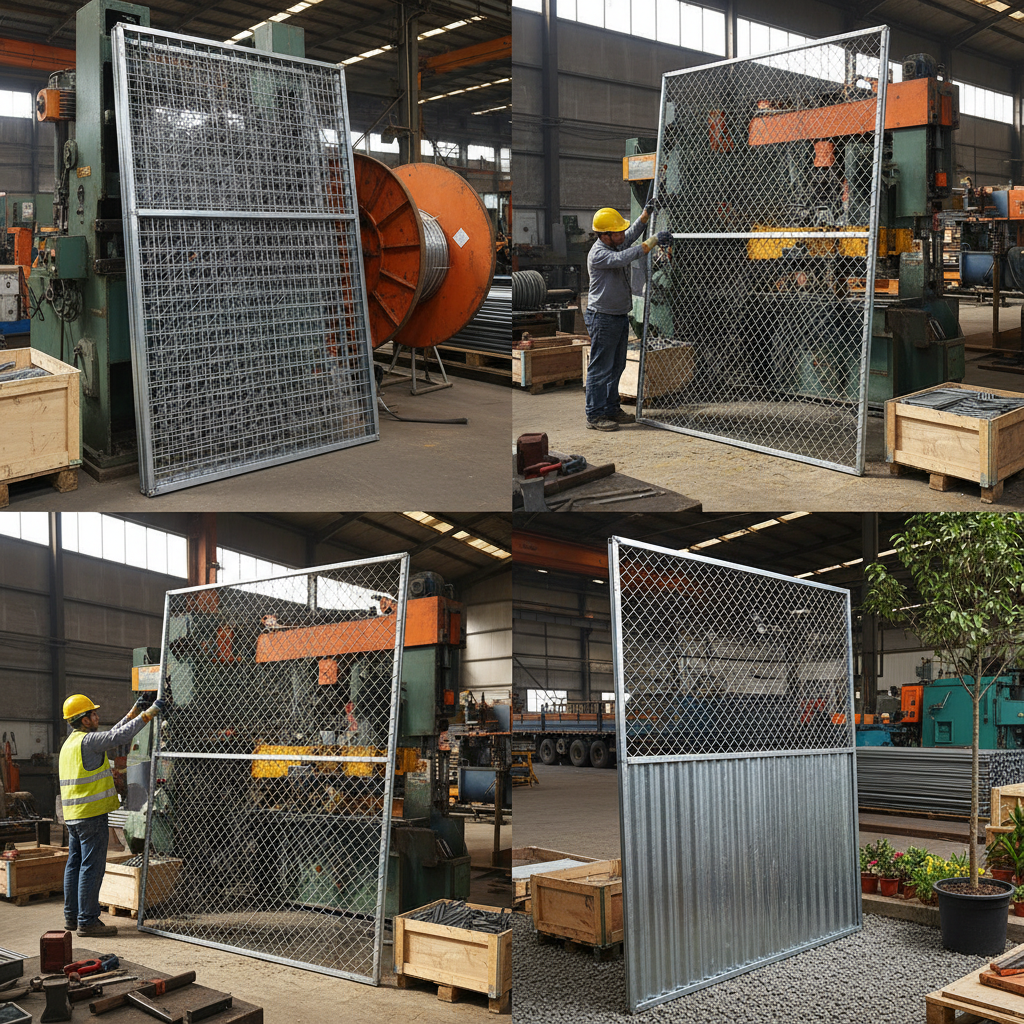
Garden fence panels are an essential element in defining outdoor spaces, providing security, and enhancing aesthetic appeal. Understanding the diverse types of garden fence panels available is crucial for homeowners, landscapers, and property developers alike. From traditional wood to modern composite materials, the choices are vast, impacting cost, maintenance, and overall longevity. This knowledge empowers informed decision-making for creating functional and beautiful boundaries.
Globally, the demand for garden fencing is driven by increasing urbanization, a growing emphasis on home improvement, and rising security concerns. According to industry reports, the global fencing market is projected to reach billions of dollars in the coming years, with a significant portion attributed to residential fencing. Factors like climate, regional building codes, and aesthetic preferences influence the specific types of garden fence panels chosen in different areas. Addressing the need for durable, aesthetically pleasing, and cost-effective fencing solutions is a key challenge.
Essentially, types of garden fence panels refer to the prefabricated sections used to construct a boundary around a garden or property. These panels come in a variety of materials, designs, and heights, offering a range of options to suit different needs and budgets. They represent a convenient and relatively quick method for establishing a secure and visually appealing perimeter. Selecting the appropriate types of garden fence panels is vital for both practical functionality and the enhancement of outdoor living spaces.
The Importance of Understanding Garden Fence Panel Options
Choosing the right garden fence panels isn't just about aesthetics; it's about investing in security, privacy, and the longevity of your property. Different materials offer varying levels of durability against weather, pests, and wear and tear. Recognizing these differences allows you to select panels suited to your specific climate and environmental challenges.
Moreover, understanding the various types of garden fence panels allows you to align your choice with your budget and desired level of maintenance. Some options require regular staining or treatment, while others are virtually maintenance-free. A well-informed decision prevents costly repairs or replacements down the line and ultimately enhances your property's value.
Global Context and Market Trends in Garden Fencing
The global garden fencing market is heavily influenced by housing trends and construction activity. Regions experiencing rapid urbanization and population growth, such as Asia-Pacific and Latin America, are witnessing increased demand for fencing materials. The construction of new residential developments and the renovation of existing properties drive a significant portion of this demand.
Furthermore, the growing emphasis on outdoor living spaces globally is also impacting the market. As people spend more time enjoying their gardens, the need for attractive and functional fencing solutions increases. The trend towards “staycations” and home-based leisure activities has further fueled this demand. Manufacturers are responding by offering a wider range of types of garden fence panels to cater to diverse aesthetic preferences.
Sustainability is also becoming a major factor. Consumers are increasingly seeking eco-friendly fencing options, leading to a rise in the popularity of recycled materials and sustainably sourced timber. Regulations surrounding timber sourcing and environmental impact are also shaping market trends in many countries.
Defining Types of Garden Fence Panels
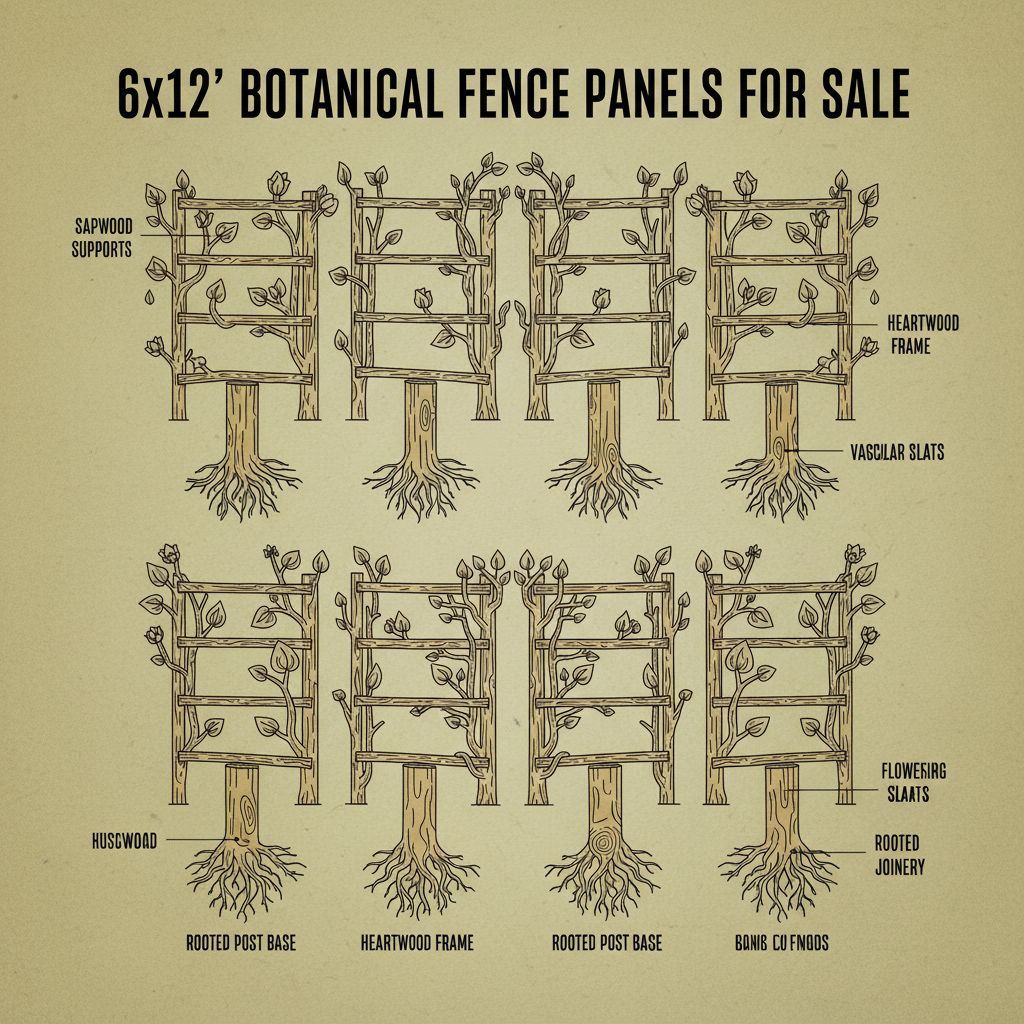
The term 'types of garden fence panels' encompasses a broad spectrum of materials, designs, and construction methods. At its core, a garden fence panel is a prefabricated section designed to create a boundary. The primary differentiation lies in the material used. Commonly found options include wooden panels (pine, cedar, redwood), composite panels (wood and plastic blends), vinyl panels (PVC), metal panels (wrought iron, aluminum), and even woven willow or bamboo panels.
Beyond material, panels are categorized by style – close-boarded (offering maximum privacy), picket (traditional, decorative), lattice (allowing airflow and light), and contemporary designs with geometric patterns. The height and width of panels also vary, offering flexibility to suit different garden sizes and layouts. The choice often reflects a balance between privacy, aesthetics, and budget constraints.
Importantly, the construction quality greatly influences the panel’s longevity. Panels constructed with pressure-treated timber or robust composite materials will inherently withstand the elements better than cheaper alternatives. Understanding these distinctions allows for a targeted search for the most suitable types of garden fence panels for any given application.
Key Factors Influencing Garden Fence Panel Selection
Several key factors come into play when selecting the appropriate garden fence panels. Durability is paramount, especially in regions with harsh weather conditions. Materials like cedar and composite are known for their resistance to rot, decay, and insect damage. Cost-effectiveness is another crucial consideration, as prices can vary significantly between materials and styles.
Aesthetic appeal plays a significant role, with homeowners often choosing panels that complement their property’s architecture and landscaping. Privacy requirements also influence the decision – close-boarded panels offer maximum privacy, while lattice panels provide a more open and airy feel. Lastly, maintenance needs should be factored in, with some materials requiring regular staining or sealing to maintain their appearance and structural integrity.
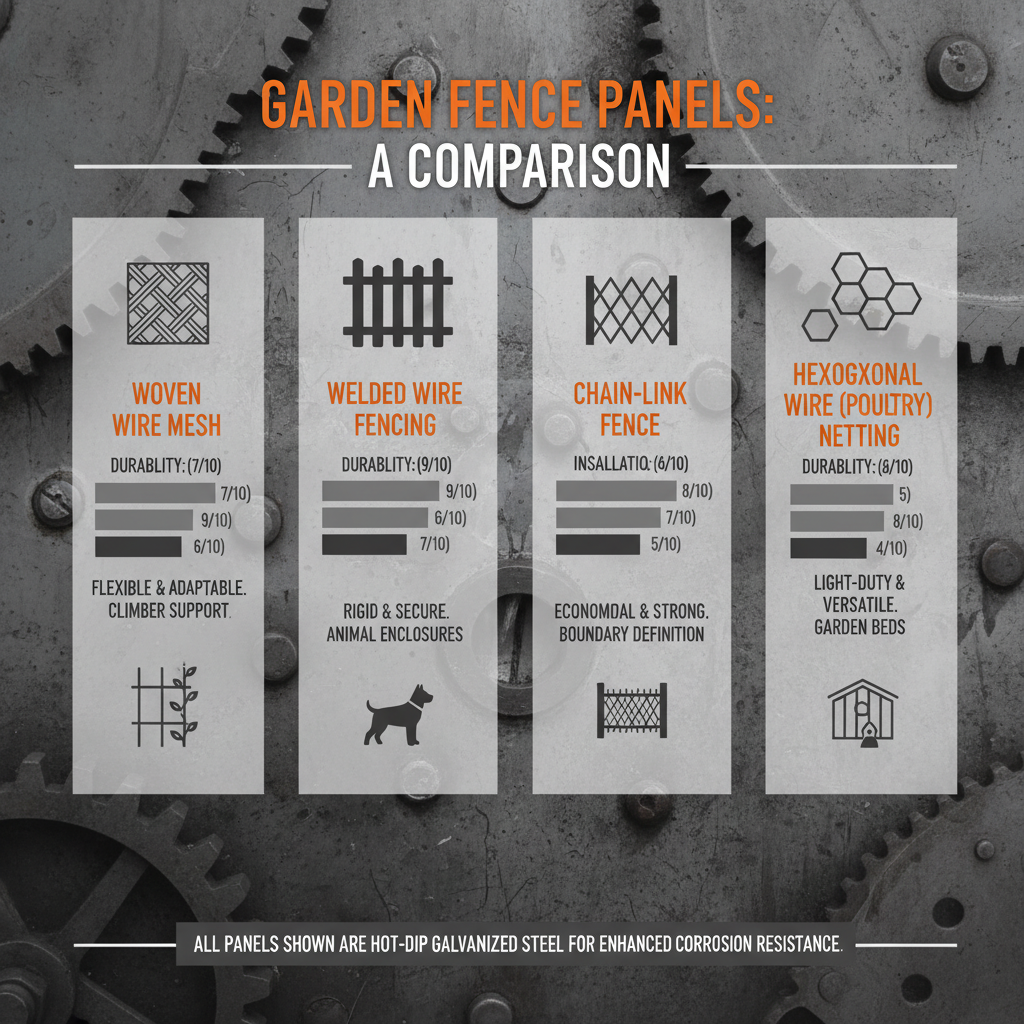
Durability Ratings for Different Types of Garden Fence Panels
Applications of Different Garden Fence Panel Types
Different types of garden fence panels are suited to specific applications. Close-boarded panels are ideal for creating private garden spaces or concealing unsightly areas. Picket fences offer a charming, decorative boundary, often used in front gardens or around flower beds. Lattice panels are popular for supporting climbing plants or creating a semi-transparent screen.
Composite panels are a versatile option, suitable for a wide range of applications, from boundary fencing to garden dividers. Vinyl panels are often used in areas with high humidity or saltwater exposure due to their resistance to corrosion. Metal panels, such as wrought iron, are frequently chosen for their elegant appearance and security features.
Advantages and Long-Term Value of Quality Fencing
Investing in quality garden fence panels delivers numerous advantages. Increased security and privacy are primary benefits, providing peace of mind and a sense of safety. Well-maintained fencing enhances property value, making it more attractive to potential buyers. Furthermore, a visually appealing fence creates a welcoming and aesthetically pleasing outdoor space.
The long-term value stems from reduced maintenance costs, increased durability, and enhanced curb appeal. Choosing durable materials minimizes the need for frequent repairs or replacements, saving both time and money. A well-designed and constructed fence adds character to your property and contributes to a positive impression.
Future Trends and Innovations in Garden Fence Panels
The garden fence panel industry is witnessing exciting innovations focused on sustainability and smart technology. The development of fully recycled composite materials is gaining momentum, reducing the environmental impact of fencing. Manufacturers are exploring the use of bio-based plastics and alternative wood sources.
Smart fencing solutions, incorporating features like integrated lighting, security sensors, and automated gates, are also emerging. These technologies enhance convenience, security, and energy efficiency. Further advancements in manufacturing processes are leading to more durable, weather-resistant, and aesthetically appealing types of garden fence panels.
We can also anticipate a greater emphasis on customizable fencing solutions, allowing homeowners to create unique designs tailored to their individual preferences and property styles.
Analysis of Future Trends in Garden Fence Panel Development
| Trend Category |
Innovation Focus |
Potential Impact (1-10) |
Adoption Timeline |
| Sustainability |
Recycled Composites |
8 |
2-5 Years |
| Smart Technology |
Integrated Security Systems |
7 |
5-10 Years |
| Material Science |
Bio-Based Plastics |
6 |
5-7 Years |
| Manufacturing Processes |
Automated Production |
5 |
3-5 Years |
| Design Customization |
Modular Panel Systems |
9 |
1-3 Years |
| Weather Resistance |
Advanced Coatings |
7 |
2-4 Years |
FAQS
Wrought iron generally offers the highest level of durability, resisting rot, decay, and significant physical damage. However, it’s also the most expensive option. Composite panels and cedar wood are excellent choices offering substantial durability and lower maintenance compared to pine. The best choice depends on your budget and desired lifespan.
Wooden fence panels typically require treatment every 1-3 years, depending on the type of wood and the climate. Pressure-treated pine needs annual treatment to maintain its protective coating. Cedar and redwood require less frequent treatment due to their natural resistance to decay, but still benefit from regular sealing or staining to prevent weathering.
Composite panels often contain recycled plastic, which reduces waste. However, the manufacturing process can still have an environmental impact. Look for panels made from a high percentage of recycled content and manufactured using sustainable practices. Fully recycled composite options are the most environmentally friendly choice.
The cost of installation varies based on the type of panel, the length of the fence, and labor rates in your area. Wooden panels typically range from $15-$30 per linear foot, while composite panels can cost $30-$50 per linear foot. Wrought iron fencing is the most expensive, often exceeding $60 per linear foot. Installation costs will add to this price.
Regular maintenance is key. Clean panels annually to remove dirt and debris. Address any damage promptly, such as replacing broken slats or repairing loose posts. Apply appropriate treatments (stain, sealant) as needed, and ensure proper drainage around the fence to prevent moisture buildup.
Building codes vary by location. Most municipalities have restrictions on fence height (often 6 feet is the maximum without a permit) and placement (setbacks from property lines). Check with your local building department to ensure your fence complies with all applicable regulations before starting installation. Ignoring these regulations can result in fines or the requirement to remove the fence.
Conclusion
Understanding the diverse types of garden fence panels available empowers homeowners and professionals to make informed decisions. From selecting durable materials and considering aesthetic appeal to embracing sustainable practices and innovative technologies, the choices are vast and impactful. Prioritizing quality, longevity, and responsible sourcing ensures a secure, attractive, and environmentally conscious boundary for your property.
Looking ahead, the garden fencing industry will continue to evolve, driven by a growing demand for sustainable solutions and smart technologies. By staying informed about these trends and prioritizing long-term value, you can invest in a fence that enhances your property for years to come. Visit our website at www.hyliecfence.com to explore our wide range of garden fence panels and find the perfect solution for your needs.