0%

Table of Contents

Garden fence panel types are an essential element of property demarcation, security, and aesthetics. Globally, the demand for effective and visually appealing fencing solutions is consistently high, driven by population growth, increasing homeownership, and a rising emphasis on privacy and outdoor living spaces. Understanding the diverse range of garden fence panel types available – from traditional wooden panels to modern composite materials – empowers homeowners and landscapers to make informed decisions tailored to their specific needs and budgets. This knowledge is crucial for creating functional, durable, and attractive boundaries that enhance property value and lifestyle.

The market for garden fence panel types is a multi-billion dollar industry, with significant regional variations in preference and materials used. According to a recent report by the Freedonia Group, the global fencing market is projected to reach \$32.5 billion by 2027. This growth is fuelled by infrastructure development, particularly in emerging economies, and the increasing demand for perimeter security solutions. However, the industry faces challenges related to sustainability, material costs, and the need for innovative, low-maintenance fencing options. Choosing the correct garden fence panel types is no longer simply about looks; it's a decision that impacts longevity, environmental impact, and overall cost of ownership.

Consequently, a thorough understanding of garden fence panel types is paramount for professionals in landscaping, construction, and property management, as well as for homeowners seeking to enhance their outdoor spaces. Selecting the optimal panel type requires careful consideration of factors such as climate, soil conditions, aesthetic preferences, and budget constraints. Moreover, staying abreast of emerging trends and sustainable materials is increasingly important in this evolving market.

Exploring Diverse Garden Fence Panel Types for Enhanced Property Value

Introduction to Garden Fence Panel Types

Exploring Diverse Garden Fence Panel Types for Enhanced Property Value

Garden fence panel types represent a versatile solution for defining boundaries, enhancing privacy, and adding aesthetic appeal to outdoor spaces. They come in a wide array of materials, styles, and sizes, catering to diverse homeowner preferences and budgetary considerations. The selection of the appropriate garden fence panel type is critical, as it directly influences the longevity, maintenance requirements, and overall visual impact of the fencing system.

Understanding the different garden fence panel types available – including wood, vinyl, composite, metal, and woven wire – allows for informed decision-making. Factors like climate, local regulations, and desired level of privacy all play a significant role in the selection process. Choosing the right panel not only enhances the curb appeal of a property but also provides a valuable return on investment.

Defining Garden Fence Panel Types

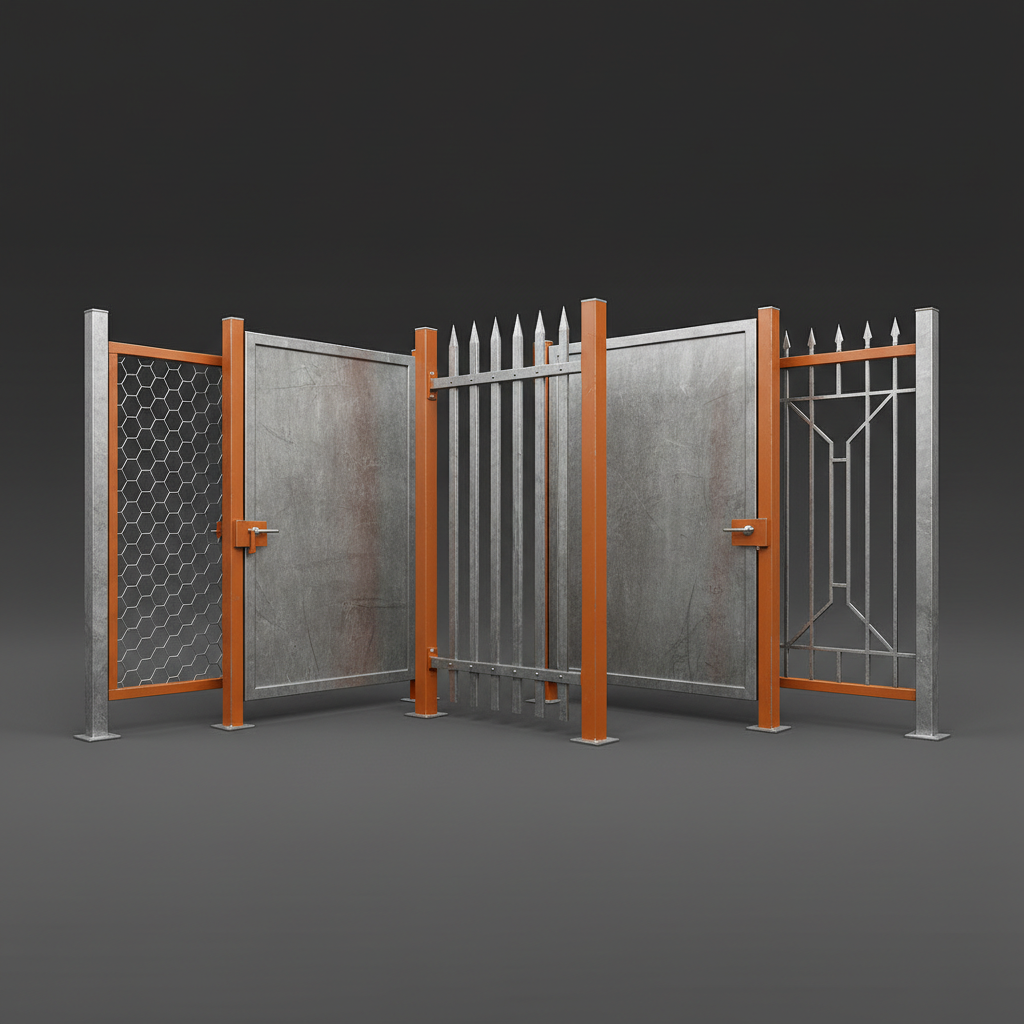
Garden fence panel types are prefabricated sections of fencing, typically constructed from a variety of materials and designed for easy installation between posts. Unlike building a fence entirely from individual planks or pickets, panels offer a quicker and more consistent aesthetic result. They are commonly used to enclose gardens, yards, and other outdoor areas, providing privacy, security, and a decorative element. The term encompasses a broad spectrum of designs, ranging from solid panels offering complete visual obstruction to open-lattice panels allowing for airflow and partial visibility.

These panels are fundamentally a component of a larger fencing system, requiring supporting posts, gravel boards (to protect against ground contact), and fixings. The choice of panel type directly impacts the overall style and functionality of the fence. Modern garden fence panel types increasingly prioritize durability, low maintenance, and environmentally friendly materials.

The availability of diverse garden fence panel types reflects a growing demand for customization and personalized outdoor spaces. From classic picket fences to contemporary slatted designs, homeowners have a vast selection to choose from, enabling them to create a unique and appealing boundary solution.

Core Characteristics of Garden Fence Panels

When evaluating garden fence panel types, several key characteristics should be considered. Durability is paramount, as the fence will be exposed to the elements and require long-term resilience. This is directly linked to the material used – for example, treated softwood offers affordability but requires regular maintenance, while composite panels boast exceptional longevity with minimal upkeep.

Aesthetic appeal is another critical factor, with homeowners seeking panels that complement their property’s style and enhance its curb appeal. Options range from traditional vertical panels to more modern horizontal designs, and the level of privacy offered (solid versus spaced panels) is also a key consideration. The visual impact of garden fence panel types should blend seamlessly with the surrounding landscape.

Finally, cost-effectiveness plays a crucial role in the decision-making process. The initial cost of the panels must be weighed against the long-term maintenance requirements and expected lifespan. While cheaper options may seem appealing initially, they often result in higher overall costs due to frequent repairs or replacements.

Practical Applications of Garden Fence Panels

Garden fence panel types find application in a multitude of scenarios, from simple garden demarcation to creating secure and private outdoor living spaces. Residential properties are the primary market, utilizing panels for boundary definition, pet containment, and enhancing privacy from neighbors. The style and height of the garden fence panel types will vary greatly depending on these needs.

Commercial applications include delineating property lines, providing security for business premises, and creating aesthetically pleasing enclosures for outdoor amenities. Schools, parks, and recreational facilities frequently employ garden fence panel types for safety and boundary control.

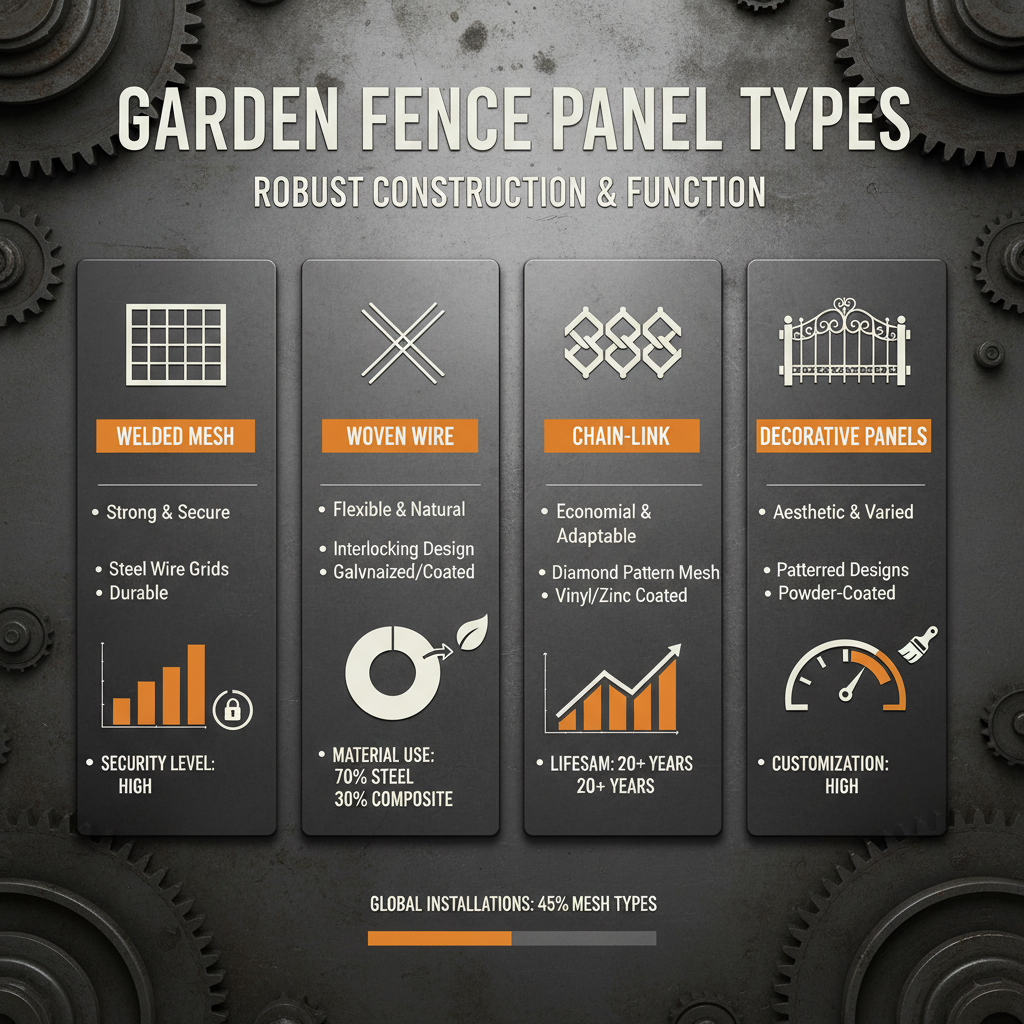
Comparison of Garden Fence Panel Types Performance


Global Adoption and Benefits of Garden Fence Panels

The adoption of garden fence panel types is widespread across the globe, with variations in popularity based on regional preferences, climate conditions, and economic factors. In Europe, traditional wooden panels remain prevalent, while North America shows a growing demand for vinyl and composite options. Australia frequently utilizes metal panels due to its harsh climate and bushfire risk.

The benefits of utilizing garden fence panel types are multifaceted. They provide enhanced security, protecting properties from unauthorized access. They offer increased privacy, creating secluded outdoor spaces. They add aesthetic value, enhancing curb appeal and property value. They also provide windbreaks and noise reduction, contributing to a more comfortable outdoor environment.

Long-Term Value and Advantages

Investing in quality garden fence panel types delivers significant long-term value. Durable materials like composite and vinyl minimize maintenance requirements, reducing ongoing costs associated with painting, staining, or repairs. A well-maintained fence enhances property value, making it a worthwhile investment for homeowners planning to sell in the future.

Beyond the financial benefits, garden fence panel types contribute to a sense of security and privacy, improving the quality of life for residents. They also offer environmental advantages, particularly when choosing sustainable materials like recycled plastic or responsibly sourced wood.

The reliability of garden fence panel types, when properly installed and maintained, ensures lasting performance, protecting properties for years to come. Choosing wisely adds both a practical and aesthetic asset to any landscape.

Future Trends and Innovations

The future of garden fence panel types is poised for innovation, driven by sustainability concerns and advancements in materials science. Expect to see increased use of recycled plastics and bio-based composites, reducing the environmental impact of fencing solutions. Smart fencing technologies, incorporating sensors and connectivity, are also emerging, offering features like automated gate control and security alerts.

Digital fabrication techniques, such as 3D printing, may revolutionize the manufacturing process, allowing for customized designs and on-demand production. The trend towards low-maintenance, durable materials will continue, with a growing emphasis on products that require minimal upkeep and offer extended warranties.

Summary of Key Characteristics of Garden Fence Panel Types

Material Composition Maintenance Level Cost Range (per panel) Lifespan Expectancy
Treated Softwood High (Requires regular staining/painting) \$30 - \$60 10 - 15 years
Vinyl Low (Wash with soap and water) \$80 - \$150 20 - 30 years
Composite Very Low (Minimal maintenance) \$100 - \$200 25 - 50 years
Aluminum Low (Occasional cleaning) \$120 - \$250 30+ years
Woven Wire (with Wooden Frame) Medium (Frame requires staining/painting) \$40 - \$80 15 - 20 years
Bamboo Medium (Requires sealing/treatment) \$50 - \$100 8 - 12 years

FAQS

What are the most durable garden fence panel types?

When considering durability, composite and vinyl garden fence panel types consistently rank highest. These materials resist rot, decay, and insect damage far better than wood. Aluminum panels are also highly durable, offering resistance to rust and corrosion. The lifespan of these panels can easily exceed 25 years with minimal maintenance, making them a worthwhile long-term investment. While treated wood is more affordable, it requires consistent upkeep to maintain its structural integrity.

How much do garden fence panels typically cost?

The cost of garden fence panels varies significantly depending on the material, size, and style. Treated softwood panels are the most affordable, typically ranging from \$30 to \$60 per panel. Vinyl panels usually cost between \$80 and \$150, while composite panels can range from \$100 to \$200. Aluminum and more elaborate designs can exceed \$250 per panel. Installation costs should also be factored in, which can add a significant amount to the total project expense.

What is the best garden fence panel type for privacy?

For maximum privacy, solid garden fence panel types are the best choice. These panels offer complete visual obstruction, shielding your property from view. Vinyl and composite panels are particularly effective for privacy, as they are often available in solid designs and are durable enough to withstand the elements. Consider the height of the panels as well; taller fences provide greater privacy.

Are composite garden fence panels environmentally friendly?

Composite garden fence panels are increasingly being manufactured using recycled materials, making them a more sustainable option than traditional wood or vinyl. Many composite panels are made from a blend of recycled plastic and wood fibers, diverting waste from landfills. Look for panels certified by organizations that verify the use of sustainable materials and manufacturing processes. While not entirely carbon-neutral, composite options significantly reduce the environmental impact compared to purely virgin plastic or continually harvested wood.

How do I maintain my garden fence panels?

Maintenance requirements vary depending on the panel material. Wood panels require regular staining or painting to protect against the elements. Vinyl and composite panels typically only need occasional washing with soap and water. Metal panels may require occasional cleaning to remove rust or corrosion. Inspect your fence regularly for any signs of damage, such as cracks or loose panels, and address these issues promptly to prevent further deterioration.

What are the local regulations regarding garden fence height and style?

Before installing garden fence panel types, it's essential to check your local zoning regulations. Many municipalities have restrictions on fence height, style, and materials. These regulations are in place to maintain community aesthetics and ensure safety. Failing to comply with local rules can result in fines or the requirement to remove the fence. Contact your local building department for specific requirements in your area.

Conclusion

In conclusion, the selection of garden fence panel types is a critical decision that impacts not only the aesthetic appeal of your property but also its security, privacy, and long-term value. Understanding the diverse range of materials, styles, and characteristics available empowers homeowners and professionals to make informed choices tailored to their specific needs and budgets. From the enduring strength of composite to the classic charm of wood, there is a garden fence panel type to suit every preference.

Looking ahead, innovation in sustainable materials and smart fencing technologies promises to further enhance the functionality and environmental friendliness of garden fencing solutions. By staying informed about emerging trends and prioritizing quality construction, you can ensure a durable, attractive, and valuable boundary for years to come. For a wide selection of high-quality garden fence panel types and expert advice, visit our website: www.hyliecfence.com.

James Anderson

James Anderson

James Anderson is a Senior Product Specialist at Hebei Yelang, focusing on high-security fencing and gate systems. He works closely with clients in South Africa to understand their specific security needs and provide customized fencing solutions. James possesses a deep understanding of perimeter security principles and is adept at recommending
Previous Exploring Diverse Types of Garden Fence Panels for Enhanced Outdoor Spaces
Next Exploring Different Types of Garden Fence Panels for Enhanced Security and Aesthetics