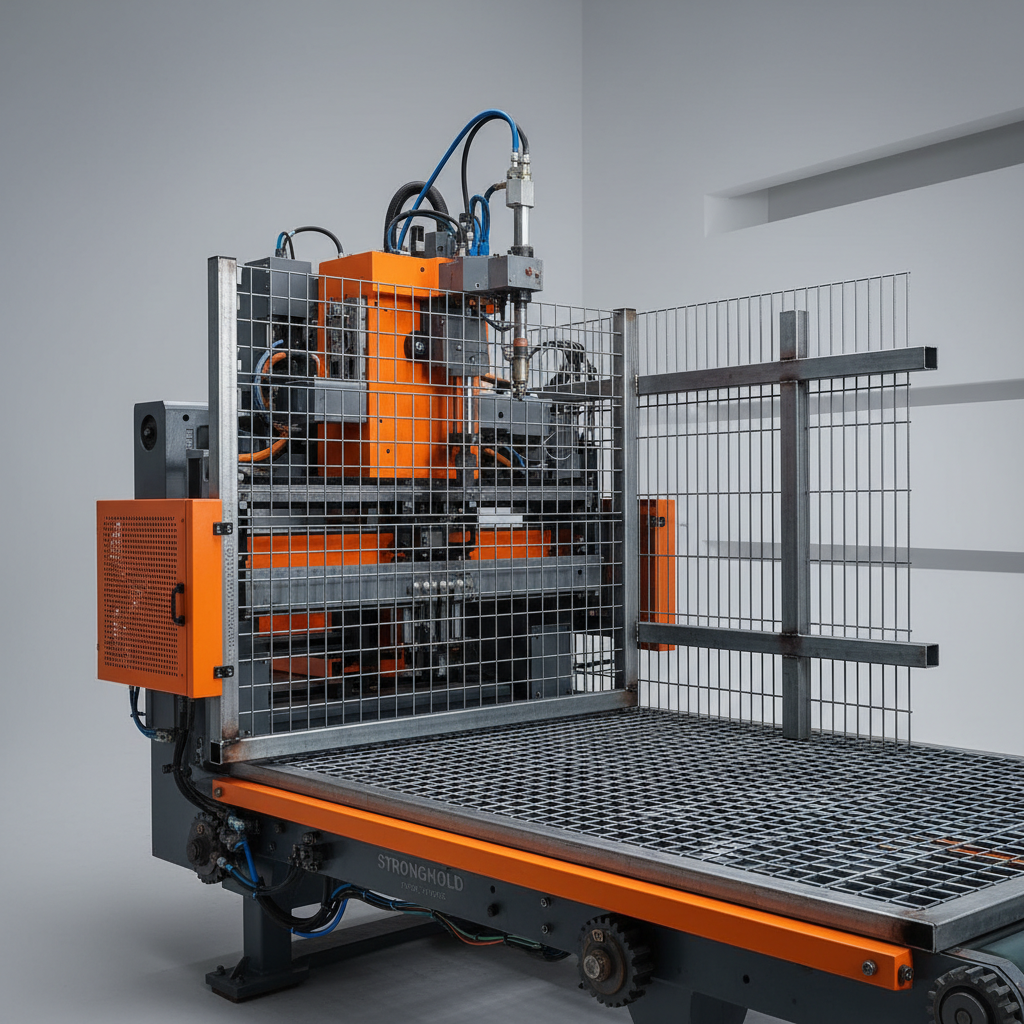
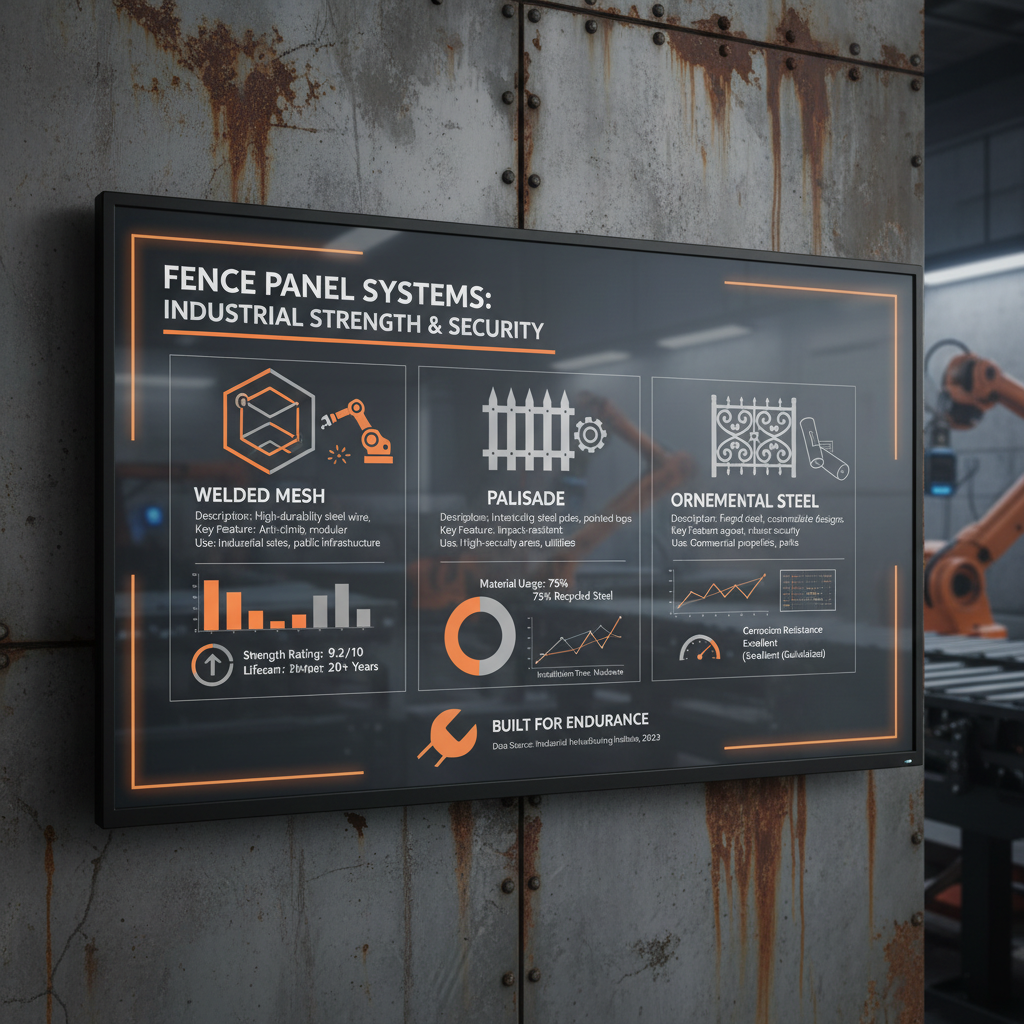
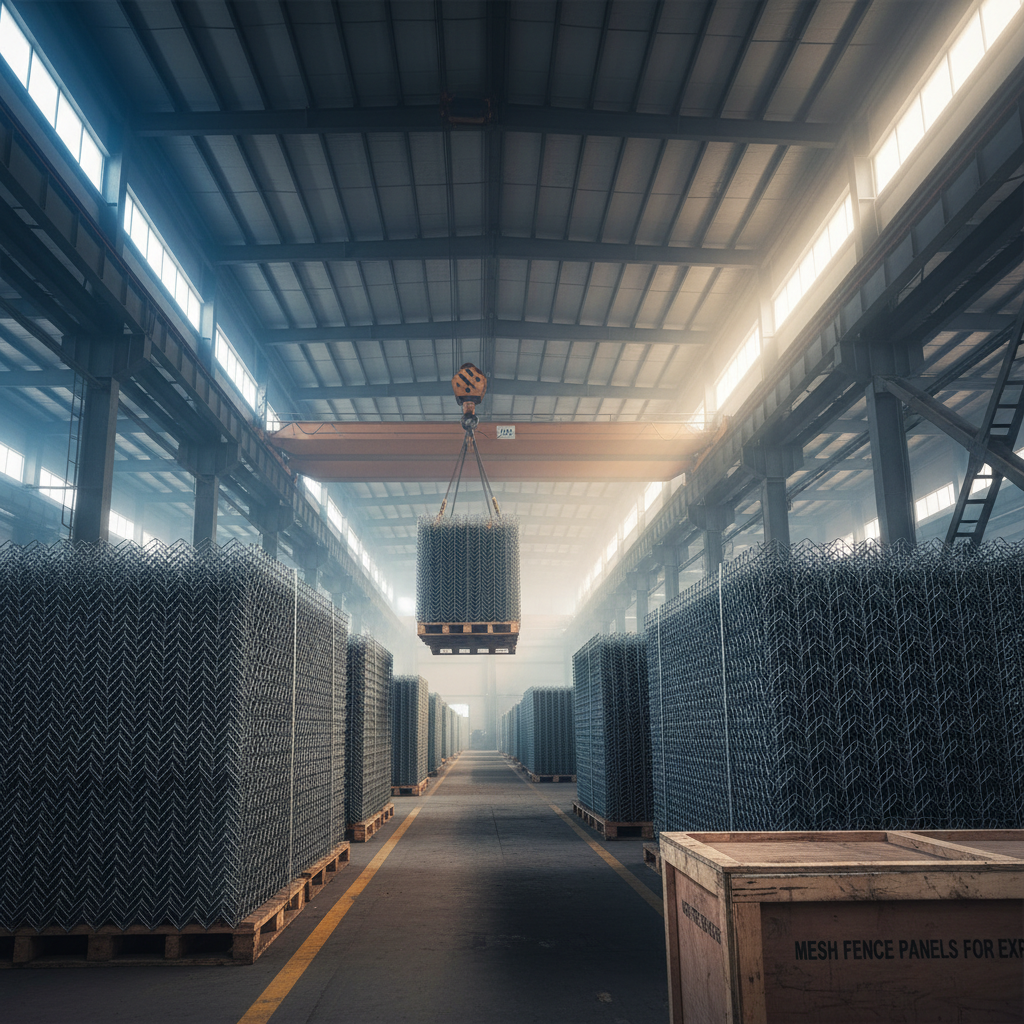
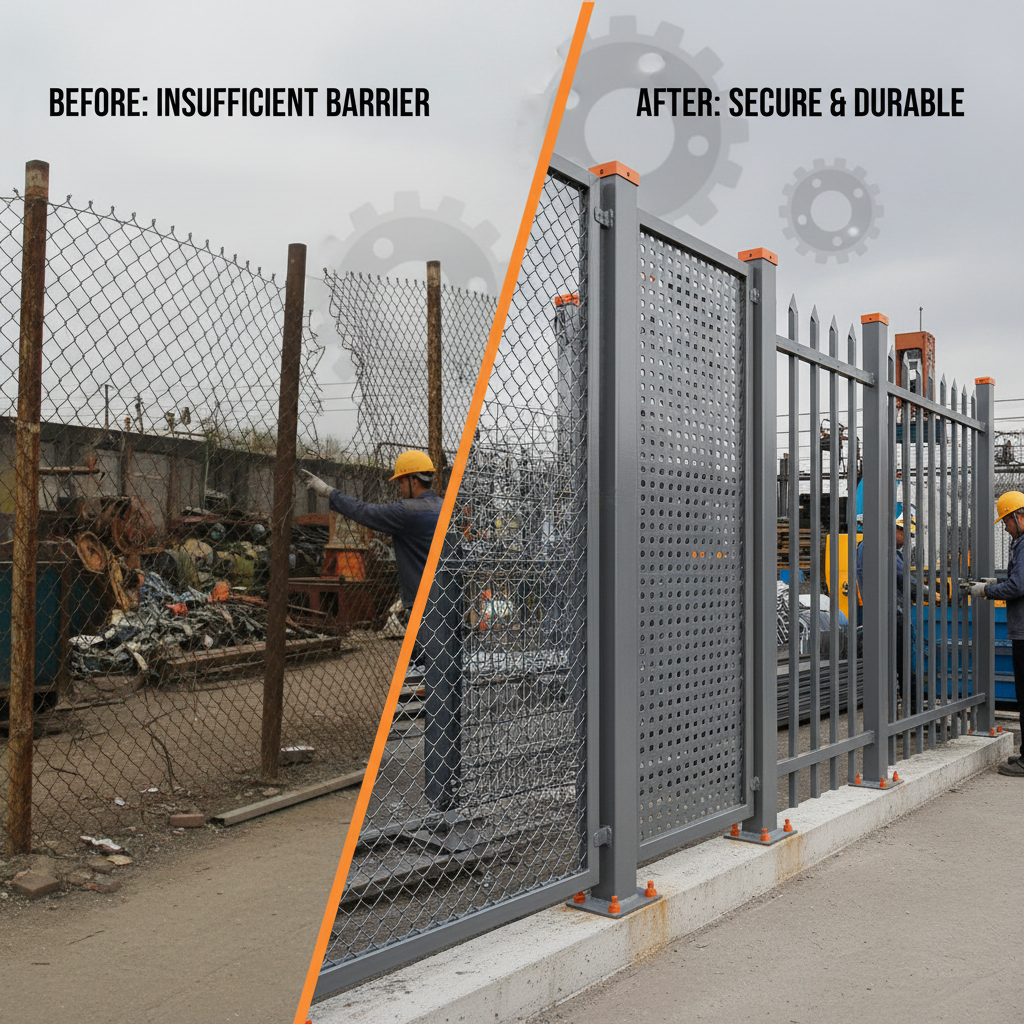
Fence panels types represent a crucial aspect of modern infrastructure and security, encompassing a diverse range of materials, designs, and applications. Understanding the nuances of these different types is essential for effective property demarcation, security enhancement, and aesthetic integration. From traditional wooden panels to contemporary composite materials, the selection of the appropriate fence panel type depends on factors such as budget, environmental conditions, security requirements, and desired appearance. This knowledge empowers individuals and organizations to make informed decisions, ensuring long-term value and optimal performance.
The global market for fence panels types is experiencing substantial growth, driven by increasing urbanization, heightened security concerns, and a growing demand for residential and commercial property improvements. According to industry reports, the market is projected to reach significant valuations in the coming years, particularly in developing economies. This growth is fueled by factors such as rising disposable incomes, increased construction activity, and a greater awareness of the importance of property protection. Understanding these trends is critical for stakeholders involved in the manufacturing, distribution, and installation of fence panels.
Beyond simple barriers, fence panels types now play a significant role in creating aesthetically pleasing outdoor spaces, enhancing property value, and promoting a sense of community. The availability of diverse materials and designs allows for customized solutions that complement architectural styles and landscape designs. Choosing the right fence panels types contributes to both the functional and visual aspects of a property.
Introduction to fence panels types
Understanding fence panels types is becoming increasingly important in a world where security, privacy, and aesthetic appeal are paramount. The diverse range of options available, from traditional wood to modern composites, caters to a wide spectrum of needs and preferences. Selecting the appropriate fence panels types involves carefully considering factors such as the intended use, local climate conditions, and budgetary constraints.
The benefits of choosing the right fence panels types extend beyond simply creating a physical barrier. They can enhance property value, improve curb appeal, and provide a sense of security for homeowners and businesses alike. Properly installed and maintained fence panels can also offer significant long-term cost savings by reducing the need for frequent repairs or replacements.
Defining fence panels types
Fence panels types can be broadly defined as pre-assembled sections of fencing, designed for easy installation and offering a consistent aesthetic appearance. These panels typically consist of vertical or horizontal slats attached to horizontal rails, forming a self-contained unit. They come in a vast array of materials, including wood, vinyl, composite, metal, and chain-link, each offering unique characteristics and benefits.
In the context of modern construction and landscaping, fence panels types represent a convenient and efficient alternative to traditional fencing methods, such as building a fence from individual pickets. They streamline the installation process, reduce labor costs, and ensure a uniform and professional finish. They are key in defining boundaries and enhancing security.
The definition extends beyond the physical structure to encompass the functional purpose. Fence panels types aren't just barriers; they are visual statements, privacy screens, and security measures, all rolled into one adaptable system.
Key Factors in Selecting fence panels types
Several key factors influence the selection of appropriate fence panels types. Durability is paramount, particularly in regions with harsh weather conditions. Materials like vinyl and composite offer excellent resistance to rot, decay, and insect damage, while metal options provide superior strength and security. fence panels types are also categorized by these differences.
Cost-effectiveness is another crucial consideration. While some materials, like wood, may have a lower initial cost, they often require more frequent maintenance and eventual replacement, potentially increasing long-term expenses. Vinyl and composite panels, while more expensive upfront, offer lower maintenance costs and a longer lifespan.
Aesthetic appeal plays a significant role, especially in residential settings. Fence panels types come in a wide range of styles, colors, and textures, allowing homeowners to choose options that complement their property’s architecture and landscaping. Privacy considerations also influence panel selection, with solid panels offering maximum concealment.
Global Applications of fence panels types
Fence panels types find widespread application across diverse sectors globally. In residential areas, they are used to define property boundaries, enhance privacy, and create secure enclosures for children and pets. Commercial properties utilize fence panels types for security perimeters, access control, and aesthetic landscaping.
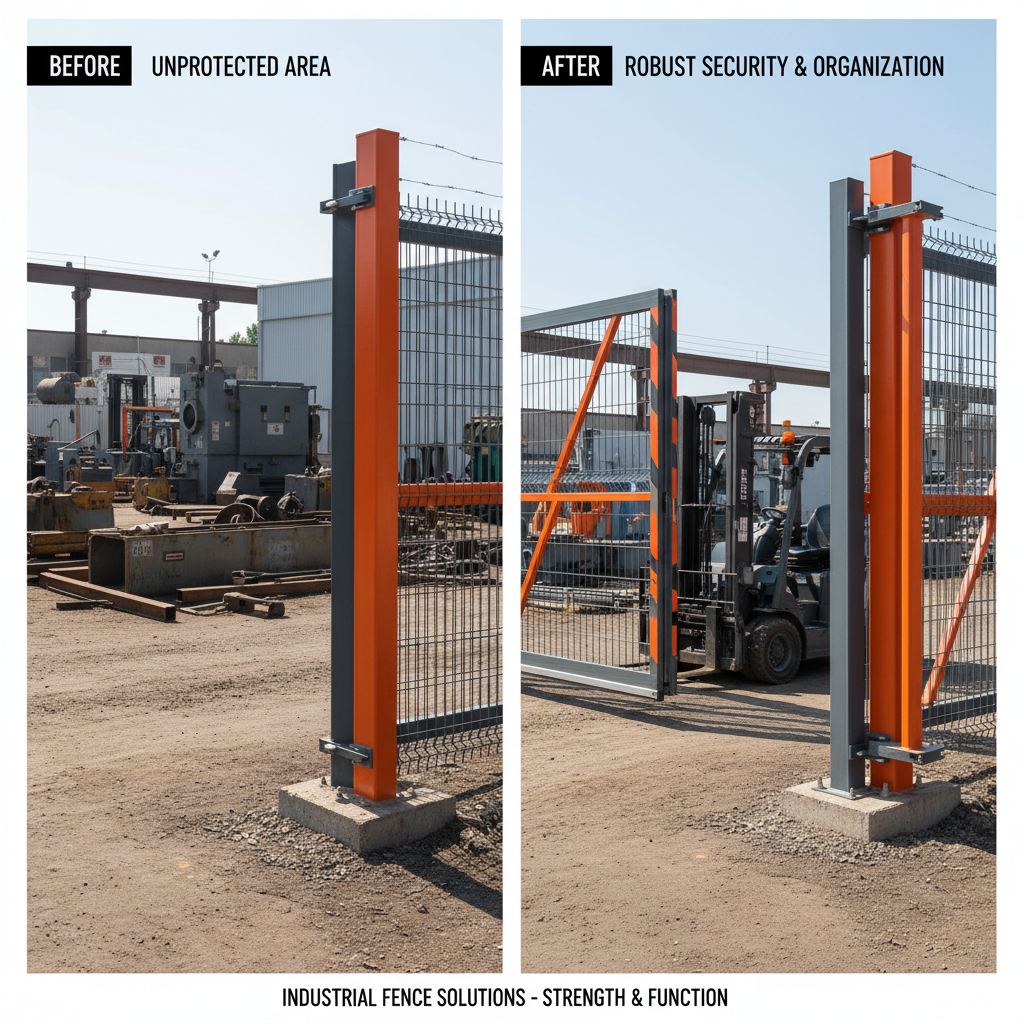
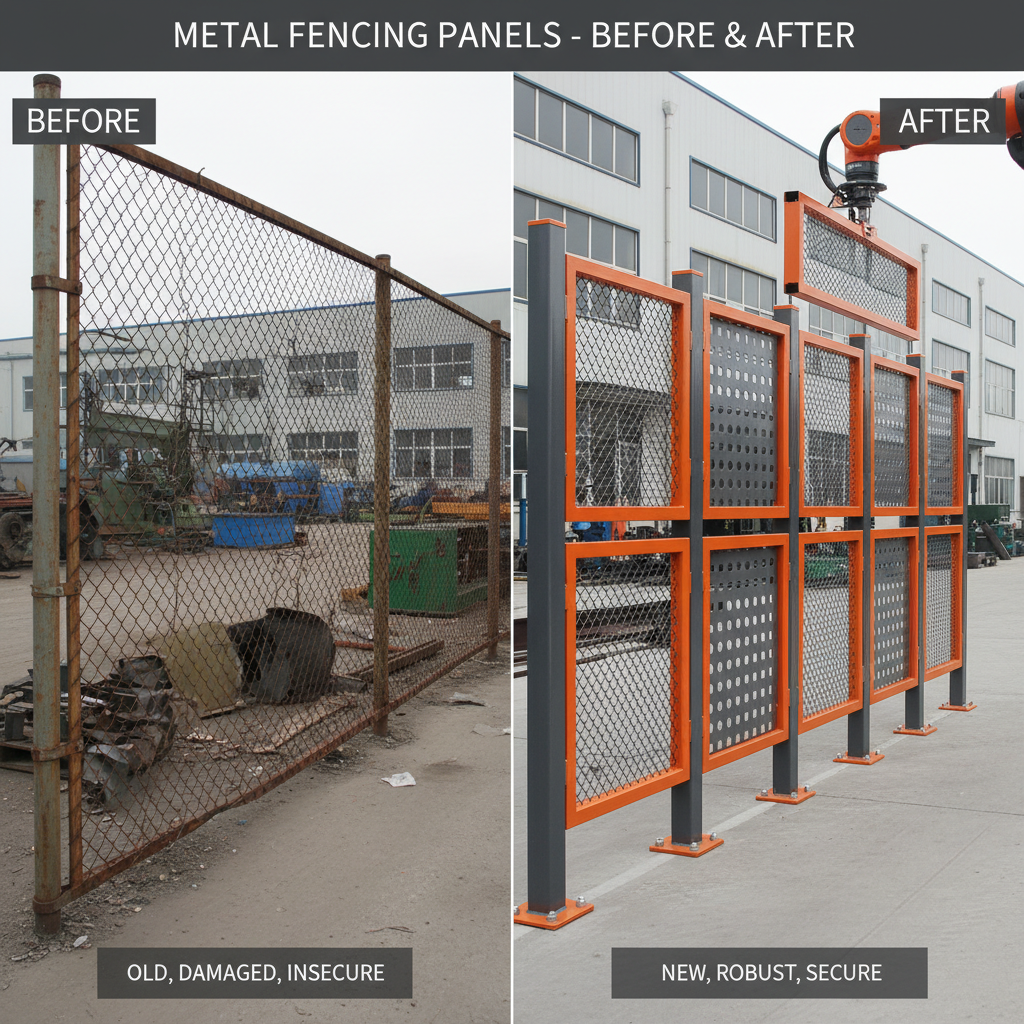
In agricultural settings, fence panels types are employed to contain livestock, protect crops, and delineate fields. Industrial facilities rely on robust metal fence panels types to secure valuable assets and prevent unauthorized access. They also play a role in public spaces like parks and schools, providing safety and security for the community.
From the sprawling estates of Europe to the rapidly developing urban centers of Asia, the demand for reliable and aesthetically pleasing fence panels types continues to grow. In post-disaster relief operations, temporary fence panels types provide essential security and demarcation for aid distribution centers and temporary housing facilities.
Comparison of fence panels types Material Performance
Advantages and Long-Term Value of fence panels types
The advantages of utilizing fence panels types are numerous. Cost savings are realized through reduced installation time and labor. Durability translates to fewer repairs and replacements, lowering lifetime expenses. The enhanced security they provide offers peace of mind for property owners.
Furthermore, choosing sustainable materials, such as recycled composite, contributes to environmental responsibility. The aesthetic benefits of a well-maintained fence enhance property value and create a more inviting environment. These panels provide a balance between function, form, and long-term value.
Future Trends in fence panels types
The future of fence panels types is poised for innovation, driven by advancements in materials science and sustainable manufacturing practices. We can anticipate the increasing use of eco-friendly composite materials made from recycled plastics and agricultural waste. Smart fencing systems, incorporating sensors and connectivity for security and automation, are also gaining traction.
The integration of solar panels into fence panels types is a developing trend, offering a potential source of renewable energy. Furthermore, customization options will continue to expand, allowing homeowners and businesses to create truly unique and personalized fencing solutions.
Digitalization will play a key role. Expect to see more sophisticated design tools and online configurators that allow customers to visualize and customize their fence panels types before purchase, simplifying the selection process and ensuring customer satisfaction.
Challenges and Solutions in fence panels types
Despite the numerous advantages, certain challenges exist in the fence panels types industry. One key challenge is the susceptibility of some materials, like wood, to weathering and insect damage. Proper treatment and maintenance are crucial to mitigate these risks.
Another challenge is the potential for installation errors, which can compromise the structural integrity of the fence. Professional installation by qualified contractors is recommended. Finally, ensuring the responsible sourcing of materials and minimizing environmental impact remain ongoing challenges.
Solutions include the development of more durable and weather-resistant materials, improved installation techniques, and a greater emphasis on sustainable manufacturing practices. Investing in research and development is essential to overcome these challenges and unlock the full potential of fence panels types.
Summary of Key Challenges and Solutions in fence panels types
| Challenge |
Material Impact |
Severity (1-5) |
Potential Solution |
| Weathering & Decay |
Wood, Some Composites |
4 |
Protective Coatings, Material Upgrade |
| Insect Damage |
Wood |
3 |
Treated Wood, Alternative Materials |
| Installation Errors |
All Materials |
4 |
Professional Installation, Clear Instructions |
| Material Cost |
Vinyl, Composite |
2 |
Long-Term Value Analysis, Material Alternatives |
| Environmental Impact |
Some Plastics, Wood Sourcing |
3 |
Recycled Materials, Sustainable Sourcing |
| Limited Customization |
Some Panel Types |
2 |
Modular Designs, Customized Options |
FAQS
For coastal regions, vinyl and composite fence panels types are highly recommended due to their exceptional resistance to salt spray, moisture, and UV damage. Aluminum is also a good choice, as it doesn't rust. Wood, while aesthetically pleasing, requires significant maintenance to prevent rot and decay in these environments. Consider panels specifically designed for harsh weather conditions, with reinforced construction and UV inhibitors. Proper installation is also key, ensuring adequate drainage and airflow.
A high-quality vinyl fence, when properly installed and maintained, can last for 20-30 years, and potentially even longer. Vinyl is highly resistant to rot, decay, and insect damage. However, extreme weather conditions and impacts can cause cracking or breakage. Regular cleaning with mild soap and water will help preserve its appearance and prolong its lifespan. Consider warranties offered by manufacturers as an indicator of product quality.
While composite fence panels types often have a higher initial cost than wood, they can be more cost-effective over the long term. They require significantly less maintenance than wood, eliminating the need for frequent painting, staining, or repairs. Their durability and resistance to weathering also contribute to a longer lifespan, reducing replacement costs. A thorough cost-benefit analysis, considering both upfront expenses and ongoing maintenance, is recommended.
Building codes regarding fence height vary significantly by location. It's crucial to check with your local city or county planning department to determine the specific regulations in your area. Common restrictions relate to maximum height, setback requirements from property lines, and visibility obstructions. Failing to comply with local codes can result in fines or the need to remove the fence.
Proper ground preparation is essential for a stable and long-lasting fence. Clear the area of vegetation, rocks, and debris. Dig post holes to the required depth (typically 2-3 feet, depending on frost line). Ensure the post holes are properly spaced according to the panel dimensions. Backfill the post holes with concrete to provide support and prevent shifting. Leveling the ground before installation is also crucial.
Maintaining a wooden fence involves regular cleaning, staining or painting, and inspection for damage. Clean the fence annually with a mild detergent and water. Apply a protective stain or paint every 1-3 years to prevent weathering and rot. Inspect posts for looseness and repair or replace them as needed. Treat any areas of rot or insect damage promptly to prevent further deterioration. Ensuring good drainage around the fence will also extend its lifespan.
Conclusion
In conclusion, fence panels types represent a vital component of modern property management and security. From residential privacy screens to large-scale commercial perimeters, understanding the diverse range of materials, applications, and future trends is crucial for making informed decisions. Choosing the appropriate fence panels types involves balancing cost, durability, aesthetics, and environmental considerations.
Looking ahead, innovation in materials and design will continue to shape the industry. The increasing emphasis on sustainability and smart technology will drive the development of eco-friendly and automated fencing solutions. By staying abreast of these advancements, property owners and industry professionals can unlock the full potential of fence panels types and create secure, aesthetically pleasing, and long-lasting boundaries. Visit our website at www.hyliecfence.com to explore our wide selection of fence panels types and find the perfect solution for your needs.