0%

Table of Contents

Different types of fencing panels are a critical component of security, privacy, and aesthetics across a wide range of applications, from residential properties to large-scale industrial complexes. The global market for fencing is substantial and continues to grow, driven by increasing construction activity, heightened security concerns, and a desire for improved property delineation. Understanding the nuances of these panels – their materials, construction, and suitability for different environments – is essential for making informed decisions.

The demand for diverse fencing solutions is directly correlated with global economic trends and urbanization. Developing nations experiencing rapid growth often require extensive fencing for infrastructure projects, security perimeters, and residential developments. Simultaneously, mature markets are increasingly focused on specialized fencing systems that prioritize aesthetics, sustainability, and advanced security features. According to reports, the fencing market is expected to reach significant growth in the next decade.

The selection of appropriate fencing panels is no longer solely about cost; it’s about achieving a balance between functionality, durability, visual appeal, and environmental responsibility. This guide explores the various types of fencing panels available, providing insights into their characteristics, applications, and long-term value. Selecting the right panel can significantly impact property value, safety, and overall satisfaction.
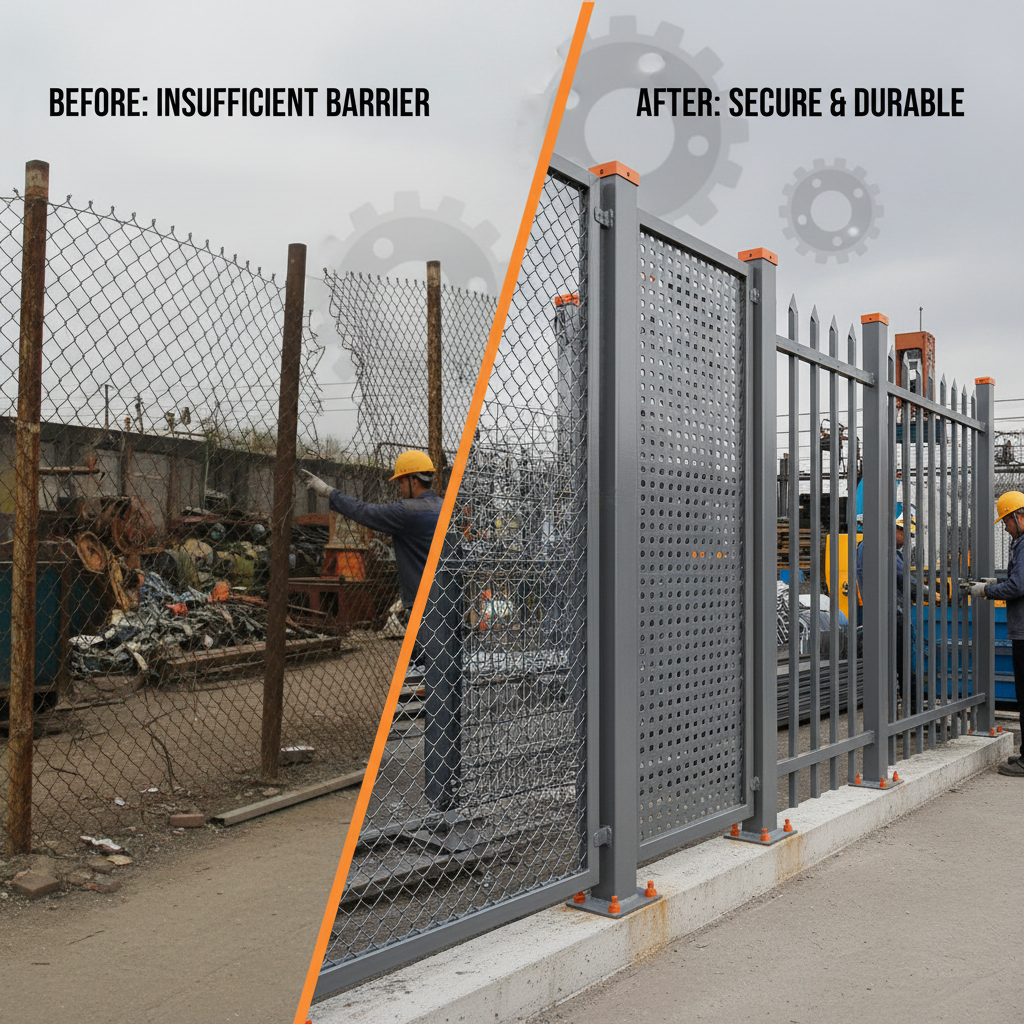
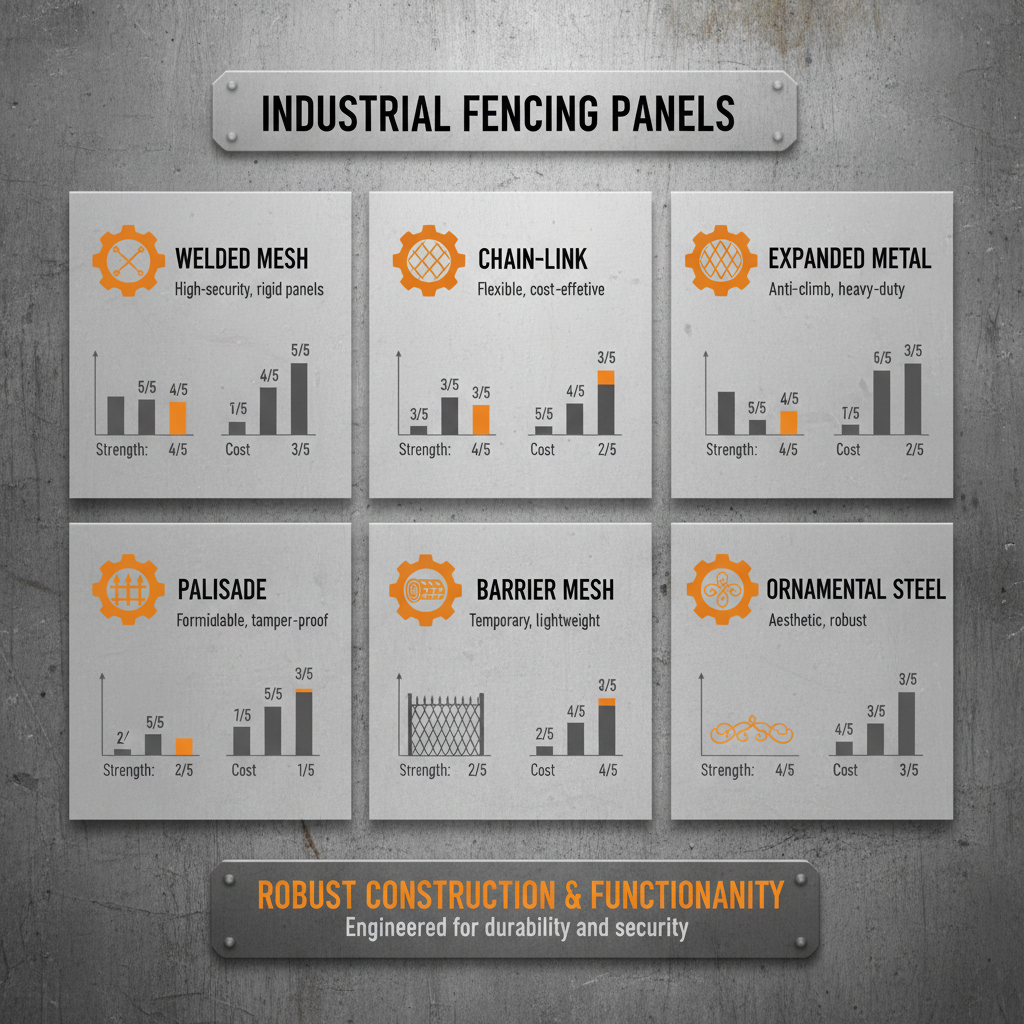
Exploring Different Types of Fencing Panels for Security and Aesthetics

Key Characteristics of different types of fencing panels

Exploring Different Types of Fencing Panels for Security and Aesthetics

Different types of fencing panels are characterized by a diverse range of features, primarily determined by the materials used in their construction. Panels can be solid, allowing for complete privacy, or feature gaps and designs to permit airflow and visibility. The style of the panel, whether it’s a traditional picket fence, a modern horizontal slat panel, or a decorative lattice, directly impacts the aesthetic appeal of the property.

Beyond aesthetics, crucial characteristics include panel height, length, and thickness, all of which affect the structural integrity and overall security offered. The method of installation, such as post and rail, or direct fix to existing structures, also plays a role in the long-term performance and stability of the fence. Understanding these characteristics is the first step in choosing the right panel for a specific application.

Materials Used in different types of fencing panels

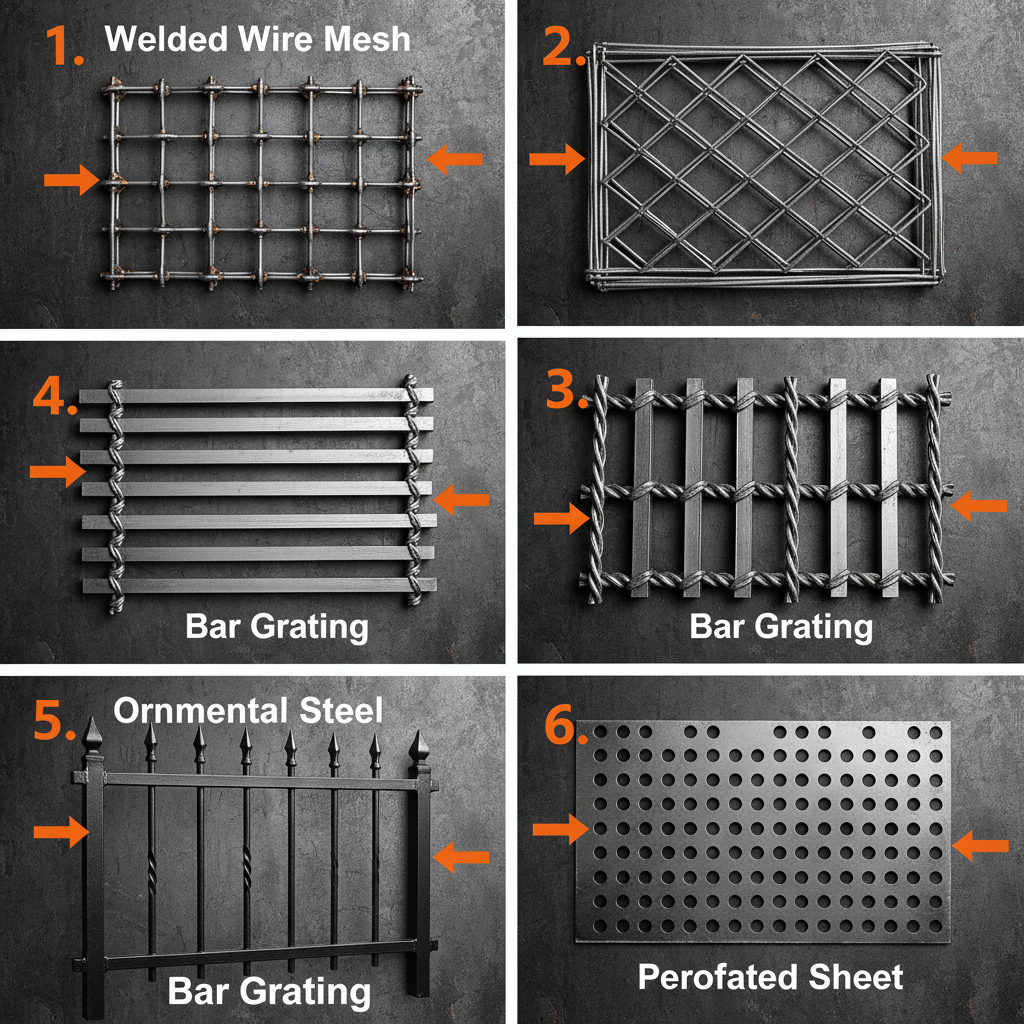
The materials used in different types of fencing panels vary widely, each offering distinct advantages and disadvantages. Wood, a classic choice, provides a natural aesthetic but requires regular maintenance to prevent rot and insect damage. Vinyl fencing is a popular alternative, known for its durability, low maintenance, and resistance to weathering. Metal fencing, including aluminum and steel, provides exceptional strength and security, but can be more costly.

Composite fencing, made from a blend of wood fibers and recycled plastics, is gaining popularity as an eco-friendly and low-maintenance option. Chain-link fencing, typically made of galvanized steel, remains a cost-effective solution for security and containment, particularly in industrial and agricultural settings. The choice of material ultimately depends on budget, aesthetic preferences, and the specific requirements of the application.

More recently, innovative materials like bamboo and recycled plastics are being used to create sustainable and aesthetically pleasing fencing panels. These materials often offer comparable performance to traditional options, with a reduced environmental footprint.

Durability and Weather Resistance of different types of fencing panels

The durability and weather resistance of different types of fencing panels are critical factors to consider, especially in regions prone to harsh weather conditions. Wood fencing, while aesthetically pleasing, is susceptible to rot, warping, and insect infestation if not properly treated and maintained. Vinyl fencing is highly resistant to weathering, fading, and cracking, making it a long-lasting option.

Metal fencing, particularly steel, offers exceptional strength and durability but can be prone to rust if the protective coating is damaged. Aluminum fencing is corrosion-resistant but may be less strong than steel. Composite fencing provides good weather resistance and is less susceptible to warping or rotting compared to wood. Regular maintenance, such as cleaning and applying protective coatings, can significantly extend the lifespan of any fencing material.

Environmental factors such as extreme temperatures, humidity, and UV exposure can also impact the longevity of fencing panels. Choosing materials specifically designed to withstand these conditions is crucial for ensuring long-term performance and minimizing the need for repairs or replacements.

Cost Analysis of different types of fencing panels

The cost of different types of fencing panels varies significantly, depending on the material, style, and size of the panels. Chain-link fencing is generally the most affordable option, followed by vinyl fencing. Wood fencing typically falls in the mid-range, while metal fencing, especially steel, can be the most expensive.

However, it’s important to consider the total cost of ownership, including installation, maintenance, and potential repairs or replacements. While vinyl and composite fencing may have a higher upfront cost, their low maintenance requirements can result in long-term savings.

Cost Comparison of different types of fencing panels


Global Applications of different types of fencing panels

Different types of fencing panels find applications across a wide spectrum of industries and settings. In residential areas, wood and vinyl fencing are commonly used for privacy, aesthetics, and pet containment. Commercial properties often utilize metal fencing for security and perimeter control.

Agricultural settings frequently employ chain-link or wire fencing to contain livestock and protect crops. Industrial facilities rely on robust metal fencing to secure valuable assets and prevent unauthorized access. In post-disaster relief operations, temporary fencing panels are used to establish secure zones and manage access.

Advantages of Choosing the Right different types of fencing panels

Selecting the appropriate different types of fencing panels offers numerous advantages, ranging from enhanced security and privacy to improved property value and aesthetics. A well-chosen fence can deter intruders, protect children and pets, and provide a sense of security and peace of mind.

The right fencing can also significantly enhance the curb appeal of a property, increasing its value and making it more attractive to potential buyers. Furthermore, certain fencing materials, such as vinyl and composite, require minimal maintenance, saving homeowners time and money over the long term.

Future Trends in different types of fencing panels

The future of different types of fencing panels is likely to be shaped by several key trends, including a growing emphasis on sustainability, smart technology integration, and innovative materials. There is increasing demand for eco-friendly fencing options made from recycled materials or sustainably sourced wood.

Smart fencing systems, incorporating features such as integrated lighting, security cameras, and remote access control, are also gaining popularity. Furthermore, research and development efforts are focused on creating new materials with enhanced durability, weather resistance, and aesthetic appeal.

Summary of Future Trends in different types of fencing panels

Trend Category Description Impact on different types of fencing panels Adoption Rate (1-10)
Sustainable Materials Increased use of recycled plastics, bamboo, and sustainably sourced wood. Shift towards eco-friendly panel options. 7
Smart Technology Integration of lighting, cameras, and access control systems. Enhanced security and convenience features. 6
Low Maintenance Materials Demand for materials requiring minimal upkeep. Growth in vinyl and composite panel sales. 8
Customizable Designs Increasing desire for unique and personalized fencing styles. Expansion of design options and panel customization services. 5
Enhanced Durability Development of materials with improved resistance to weathering and damage. Longer lifespan and reduced maintenance costs. 9
Modular Fencing Systems Pre-fabricated panels for faster and easier installation. Reduced labor costs and project timelines. 7

FAQS

What is the most durable type of fencing panel for coastal areas?

For coastal areas, vinyl and aluminum fencing are generally the most durable options due to their excellent resistance to salt air and corrosion. While wood can be used, it requires extensive treatment and regular maintenance to prevent rot and damage. Composite fencing also offers good durability, but it's essential to choose a high-quality product specifically designed for marine environments. Selecting the right materials ensures your fence can withstand harsh coastal conditions and maintain its appearance for years.

How much does it typically cost to install a 6-foot vinyl fence per linear foot?

The cost to install a 6-foot vinyl fence typically ranges from $25 to $45 per linear foot, depending on factors such as the style of the vinyl panel, the terrain, and labor costs in your area. This price generally includes materials, labor, and basic site preparation. More complex installations, such as those requiring grading or removal of existing structures, may incur additional costs. Getting multiple quotes from reputable fence contractors is recommended to ensure a competitive price.

What are the maintenance requirements for a wood privacy fence?

Wood privacy fences require regular maintenance to prevent rot, insect damage, and weathering. This typically includes annual cleaning to remove dirt and mildew, as well as staining or sealing every 1-3 years to protect the wood from moisture. Inspecting the fence for damaged boards and replacing them promptly is also essential. Proper maintenance can significantly extend the lifespan of a wood fence and preserve its aesthetic appeal.

Is a permit required to install a fence on my property?

Whether or not a permit is required to install a fence depends on your local regulations and the height of the fence. Many municipalities require permits for fences exceeding a certain height (typically 6 feet) or if the fence is located in a specific zone. It’s crucial to check with your local building department or homeowners association before starting any fencing project to ensure compliance with all applicable rules and regulations. Failure to obtain necessary permits can result in fines or removal of the fence.

How can I prevent warping in a wood fence?

Preventing warping in a wood fence requires careful selection of materials and proper installation techniques. Use pressure-treated lumber specifically designed for outdoor use, and ensure the posts are properly set in concrete. Apply a high-quality sealant or stain to protect the wood from moisture absorption. Regularly inspect the fence for any signs of warping and address them promptly by tightening fasteners or replacing damaged boards. Adequate spacing between boards can also help to prevent warping.

What is the lifespan of a composite fence?

A well-maintained composite fence can have a lifespan of 25-30 years or even longer. Composite fencing is highly resistant to rot, insects, and weathering, making it a durable and long-lasting option. However, the lifespan can vary depending on the quality of the materials used, the climate, and the level of maintenance provided. Regular cleaning and occasional repair of minor damage can help to maximize the lifespan of your composite fence.

Conclusion

In conclusion, the selection of different types of fencing panels is a significant decision with far-reaching implications. From enhancing security and privacy to improving aesthetics and increasing property value, the right fencing can provide numerous benefits. Understanding the diverse materials, characteristics, and applications of different types of fencing panels is crucial for making informed choices that meet your specific needs and budget.

As technology advances and sustainability becomes increasingly important, we can expect to see further innovation in the fencing industry. Embracing new materials, smart technologies, and eco-friendly practices will be key to creating durable, aesthetically pleasing, and environmentally responsible fencing solutions for the future. For a wide range of high-quality fencing options, visit our website: different types of fencing panels.

James Anderson

James Anderson

James Anderson is a Senior Product Specialist at Hebei Yelang, focusing on high-security fencing and gate systems. He works closely with clients in South Africa to understand their specific security needs and provide customized fencing solutions. James possesses a deep understanding of perimeter security principles and is adept at recommending
Previous Exploring Different Types of Garden Fence Panels for Enhanced Security and Aesthetics
Next Exploring Diverse Fence Panels Types for Enhanced Security and Aesthetics