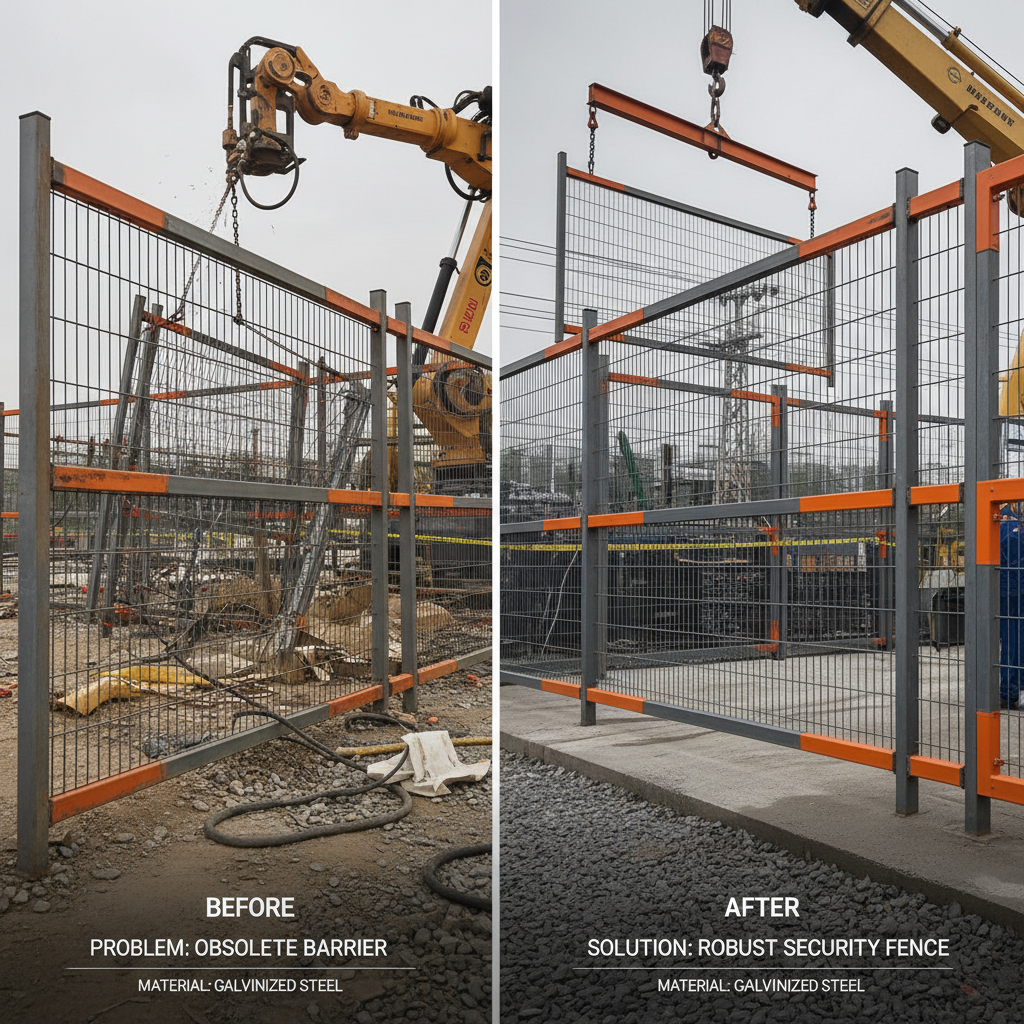
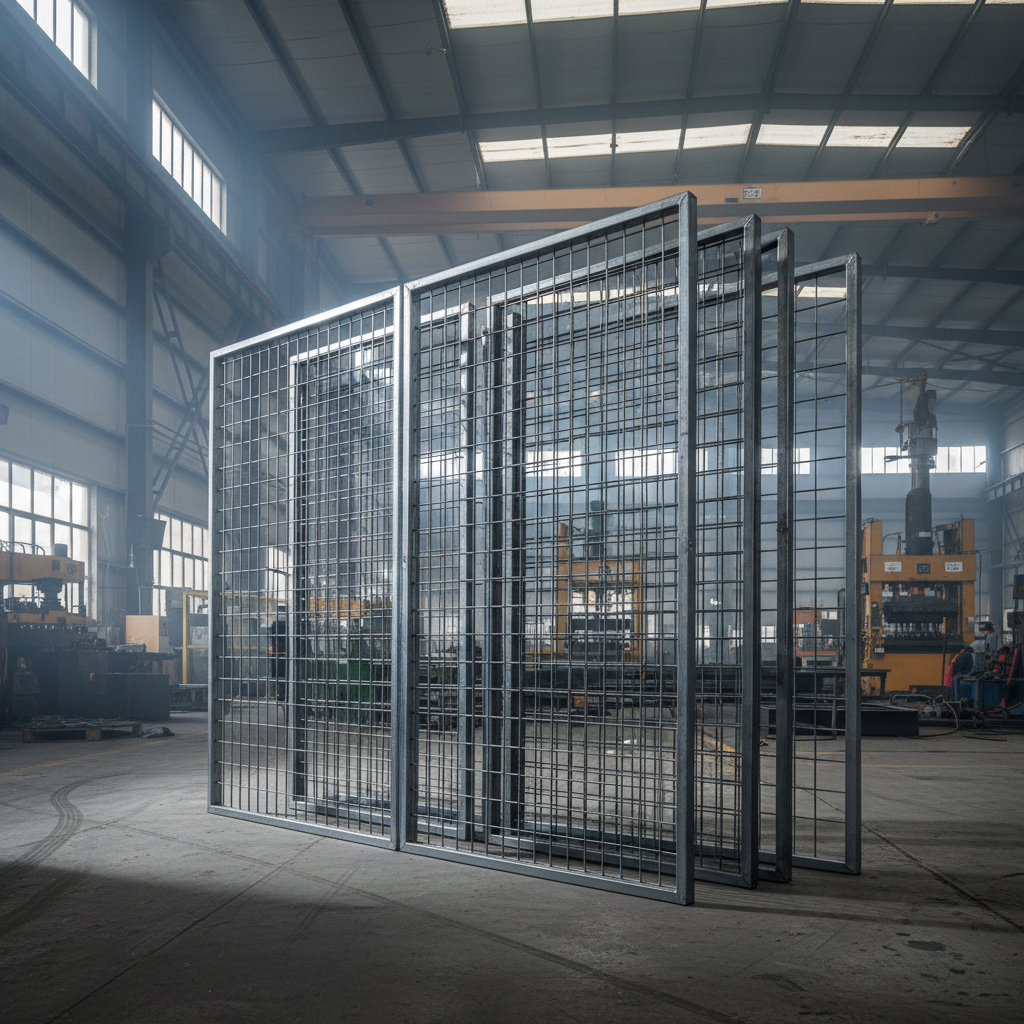
You know, it’s funny. Been spending my life on construction sites, wrestling with steel and concrete, and lately, everyone’s talking about pre-fabricated metal fence panels for sale. It's a bit of a shift, honestly. Used to be, you built a fence on-site, piece by piece. Now? It’s like Lego for grown-ups.
Have you noticed how everyone wants faster, cheaper, better? I get it. Labor costs are killing everyone, and frankly, the quality of on-site welding…well, let’s just say it's not always consistent. That’s where these metal fence panels for sale come in, offering a standardized, relatively quick solution. It’s not a magic bullet, though. Trust me, I’ve seen plenty of things go wrong.
The demand's really grown in the last year, especially with all the infrastructure projects popping up. Governments are pushing for faster turnaround times, and these panels definitely help with that. It's not just construction, either. We're seeing a lot of interest from security companies, event organizers… even some folks wanting to enclose their livestock. It's versatile, I'll give it that.
The Current Landscape of metal fence panels for sale
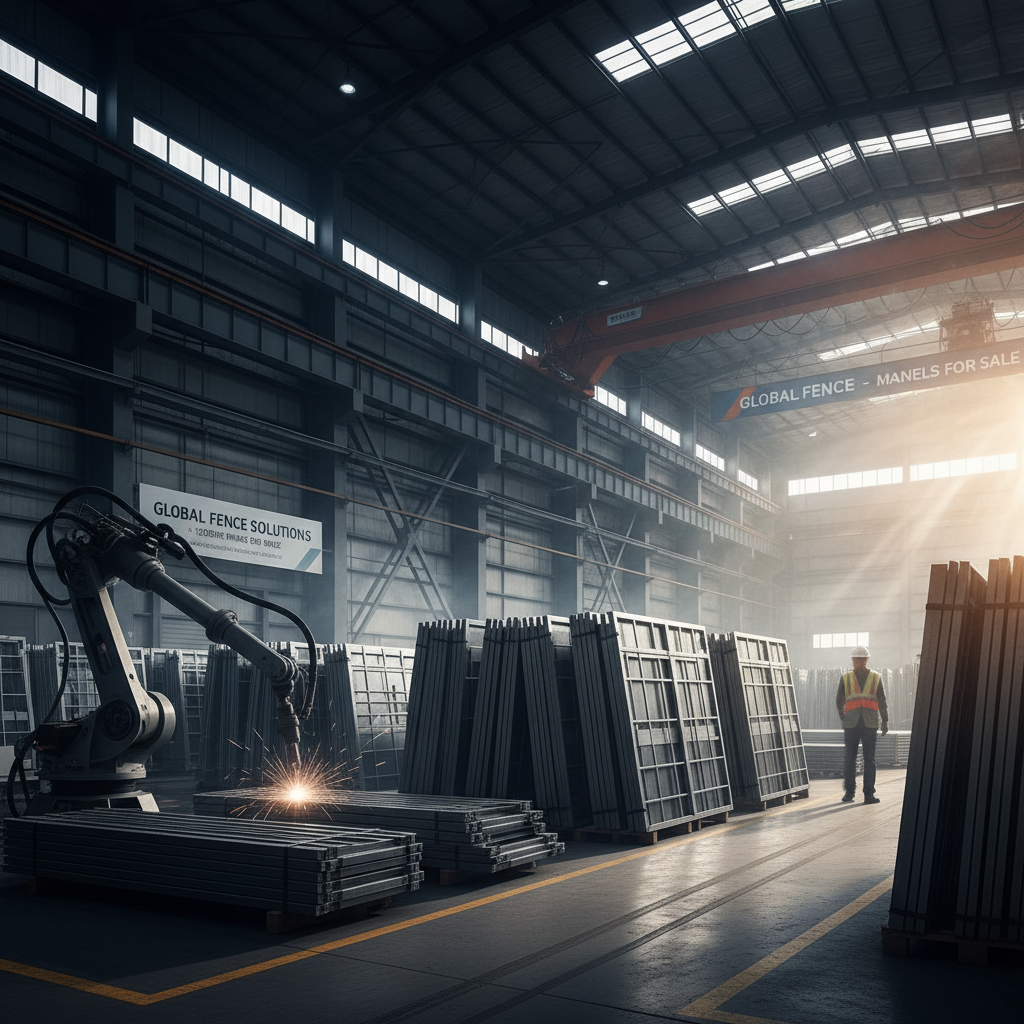
To be honest, it’s exploded in the last few years. Pre-fab everything is the name of the game. It's driven mostly by the need for speed and reducing on-site labor. I encountered this at a factory in Tianjin last time, they were churning out these panels like it was nothing. The scale was… unsettling.
It's also being pushed by the increasing focus on standardized construction methods. Everything has to be modular, replaceable, scalable. Makes things easier for maintenance down the line, supposedly. The biggest players are in China, of course, but we’re seeing more and more North American and European companies entering the market. Competition's heating up, which is good for everyone.
Common Pitfalls in Design
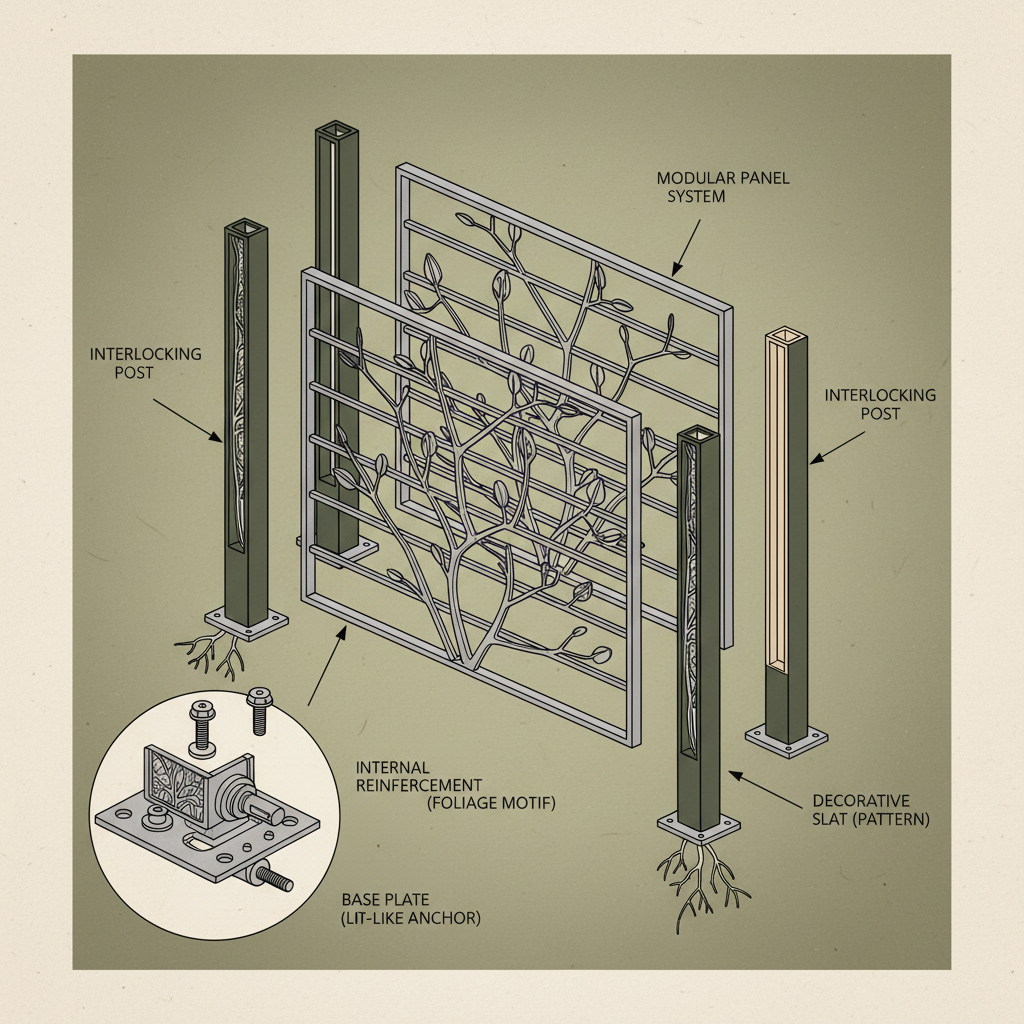
Strangely enough, a lot of folks think they can just slap together any old metal and call it a fence panel. That’s a mistake. The connection points, those are crucial. If they’re not designed right, the whole thing will fall apart in a strong wind. I’ve seen it happen.
Another thing? Corrosion. People underestimate how quickly rust can eat away at metal, especially in coastal areas or places with a lot of road salt. You need proper galvanization, powder coating… the works. And even then, it's not a lifetime solution.
And don’t even get me started on the post foundations. That’s where I see the most amateur mistakes. If the posts aren't set deep enough, or the concrete mix is wrong… well, you can guess what happens.
Material Deep Dive
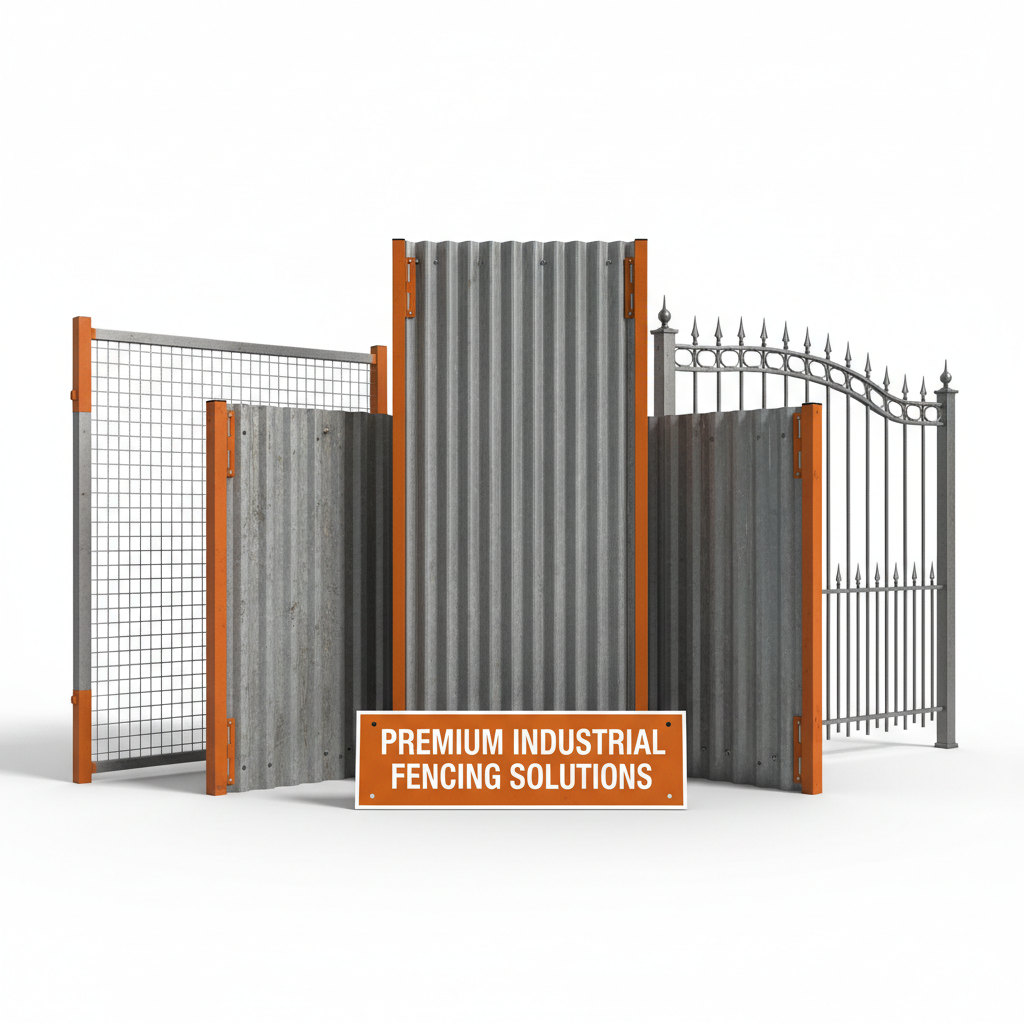
Most panels are made from steel, obviously. But the type of steel matters. You’ve got your mild steel, which is cheaper but weaker. Then you’ve got galvanized steel, which is more resistant to rust. And then there’s stainless steel, which is the Rolls Royce of fence materials – expensive, but incredibly durable. I can tell the difference just by the weight. The stainless feels…substantial.
The coatings are important too. Powder coating gives a nice, even finish and adds extra protection. PVC coating is another option, it’s more flexible but not as durable. The smell of powder coating when it’s being applied…that's a smell that reminds me I am doing something right.
Aluminum is becoming more popular, especially for lighter-duty applications. It's not as strong as steel, but it's lightweight and doesn’t rust. It’s also more expensive, though. You really have to weigh the pros and cons.
Real-World Testing & Performance
Forget the lab tests. I care about what happens when a truck backs into the fence, or a tree branch falls on it, or some kids decide to climb it. That’s the real test.
We do impact testing, of course. We basically ram a weighted sled into the panel and see how much it bends. But that doesn’t tell you everything. We also do wind load testing, to see how it holds up in hurricane-force winds. And then there’s the salt spray test, which simulates years of exposure to coastal conditions.
metal fence panels for sale Performance Metrics
How People Actually Use Them
It's never what you expect. You think people will install them neatly, following the instructions to the letter. Nope. They'll try to cut corners, they'll try to adapt them to uneven ground, they'll try to use the wrong screws. I've seen it all.
A lot of times, they’re used for temporary enclosures – construction sites, event perimeters, that kind of thing. But we’re also seeing a trend towards permanent installations, especially for residential properties. People want security, but they also want something that looks good.
Advantages and Disadvantages
Okay, let’s be real. The biggest advantage is speed of installation. You can put up a lot of fence in a short amount of time. It's cost-effective too, especially if you factor in labor savings. But...
The disadvantage? It can look… cheap. Especially the lower-end panels. And it’s not as customizable as traditional fencing. You're limited to the available sizes and designs. Also, if one panel gets damaged, you often have to replace the whole section. It’s frustrating.
Customization Options and a Story
You can get some customization, mostly in terms of color and height. We did a job last month where a customer wanted the panels powder-coated in a very specific shade of green to match his branding. It was a pain, but we made it happen. That's where having good relationships with the manufacturers comes in handy.
Anyway, I think about that small boss in Shenzhen who makes smart home devices last month, he insisted on changing the interface to , and the result was a two-week delay and a whole lot of wasted money because the existing connectors didn’t fit the panels. He thought it was a brilliant idea, but it just created a headache. Shows you, sometimes sticking with what works is the best option.
We can also modify the panel designs slightly, add extra reinforcement, that sort of thing. But major changes? Forget about it.
Summary of Key Customization & Limitations
| Customization Aspect |
Feasibility |
Cost Impact |
Lead Time Impact |
| Color Change (Powder Coating) |
High |
Moderate |
1-2 Weeks |
| Height Adjustment |
Medium |
Low-Moderate |
1 Week |
| Panel Width Modification |
Low |
High |
2-4 Weeks |
| Connector Type Change |
Very Low |
High |
Potentially Unfeasible |
| Material Substitution |
Very Low |
Very High |
Unfeasible |
| Reinforcement Addition |
Medium-High |
Moderate |
1 Week |
FAQS
That depends a lot on the environment and the quality of the materials, of course. A properly galvanized and powder-coated panel should last at least 10-15 years, easily. Stainless steel can go 20 years or more. But you gotta maintain it – regular cleaning and touch-ups are key. I’ve seen some neglected fences fall apart after just five years, and it's always a pain to rebuild.
Generally, yes, but it's not as simple as it looks. You need to make sure the ground is level, the posts are set correctly, and the panels are properly aligned. If you're not comfortable using power tools or doing a little bit of concrete work, I'd recommend hiring a professional. Trust me, a crooked fence is an eyesore, and a wobbly fence is a safety hazard.
That’s a good question. Snow load is a big concern in some areas. You need to make sure the panels are strong enough to withstand the weight of the snow, and that the posts are deep enough to prevent them from tipping over. We often recommend adding extra bracing in areas with heavy snowfall. And always clear the snow off the fence as soon as possible to reduce the load.
Prices vary wildly depending on the material, height, and design. Mild steel is the cheapest, starting around $20 per panel. Galvanized steel is a bit more, around $30-40. Stainless steel can easily run $60 or more. And don't forget to factor in the cost of the posts, concrete, and installation if you're not doing it yourself.
You can, but you need to use a special primer designed for galvanized metal. Regular paint won't stick properly. And make sure to clean the surface thoroughly before applying the primer and paint. Also, keep in mind that painting over galvanized steel will reduce its corrosion resistance over time, so it's something to consider.
It depends on the design. A simple chain-link style panel isn't going to stop a determined intruder. But a solid panel with a reinforced structure and secure mounting can be very effective. We often recommend adding security features like razor wire or anti-climb paint for added protection, but that depends on the specific application and local regulations.
Conclusion
Ultimately, metal fence panels for sale offer a compelling balance of speed, cost, and durability. They're not a perfect solution – nothing is – but they've become a go-to option for a wide range of applications. They've streamlined a lot of projects I've been on, and that’s saying something.
But here's the thing: all the fancy materials and designs in the world don't matter if the installation is shoddy. A fence is only as strong as its weakest link. So, whether it’s a big infrastructure project or a simple backyard fence, remember that the worker tightening the screw is the one who ultimately decides if it’s going to stand the test of time. And that’s the truth.