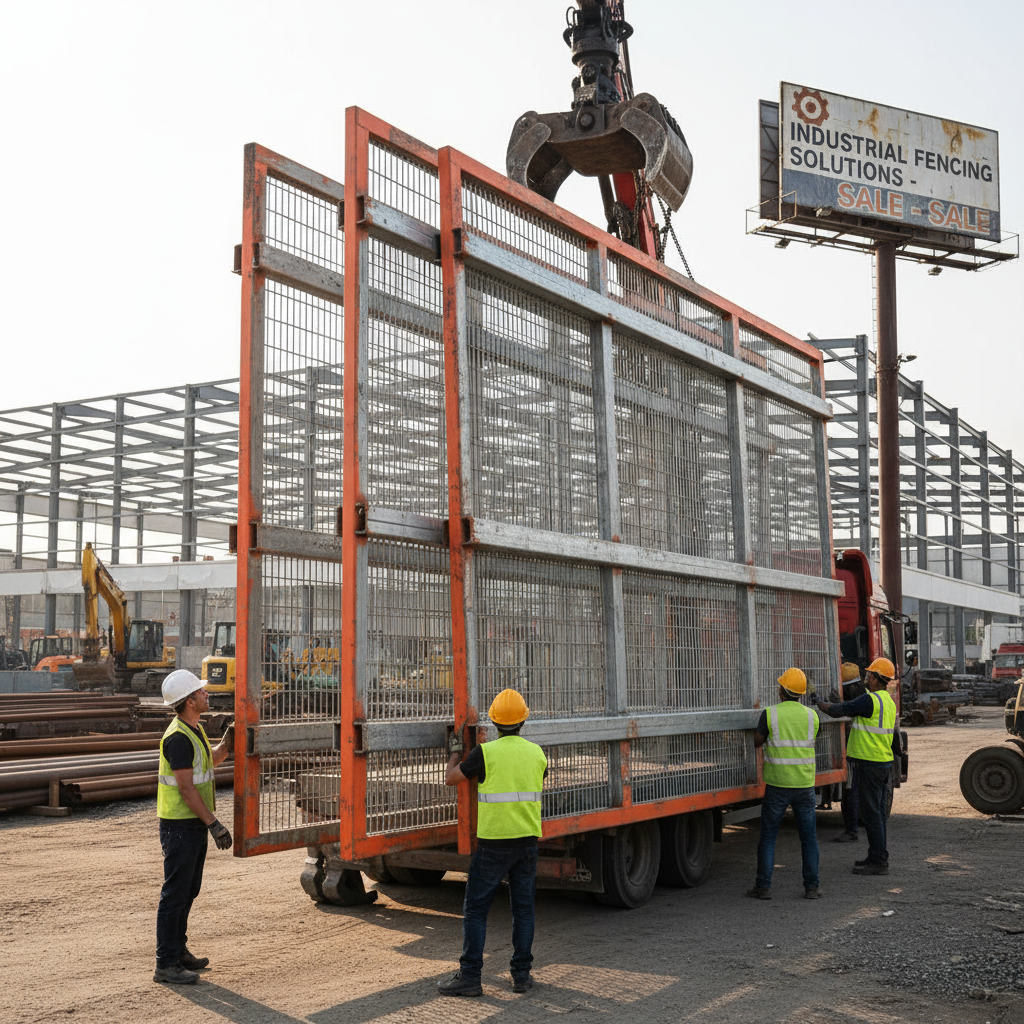
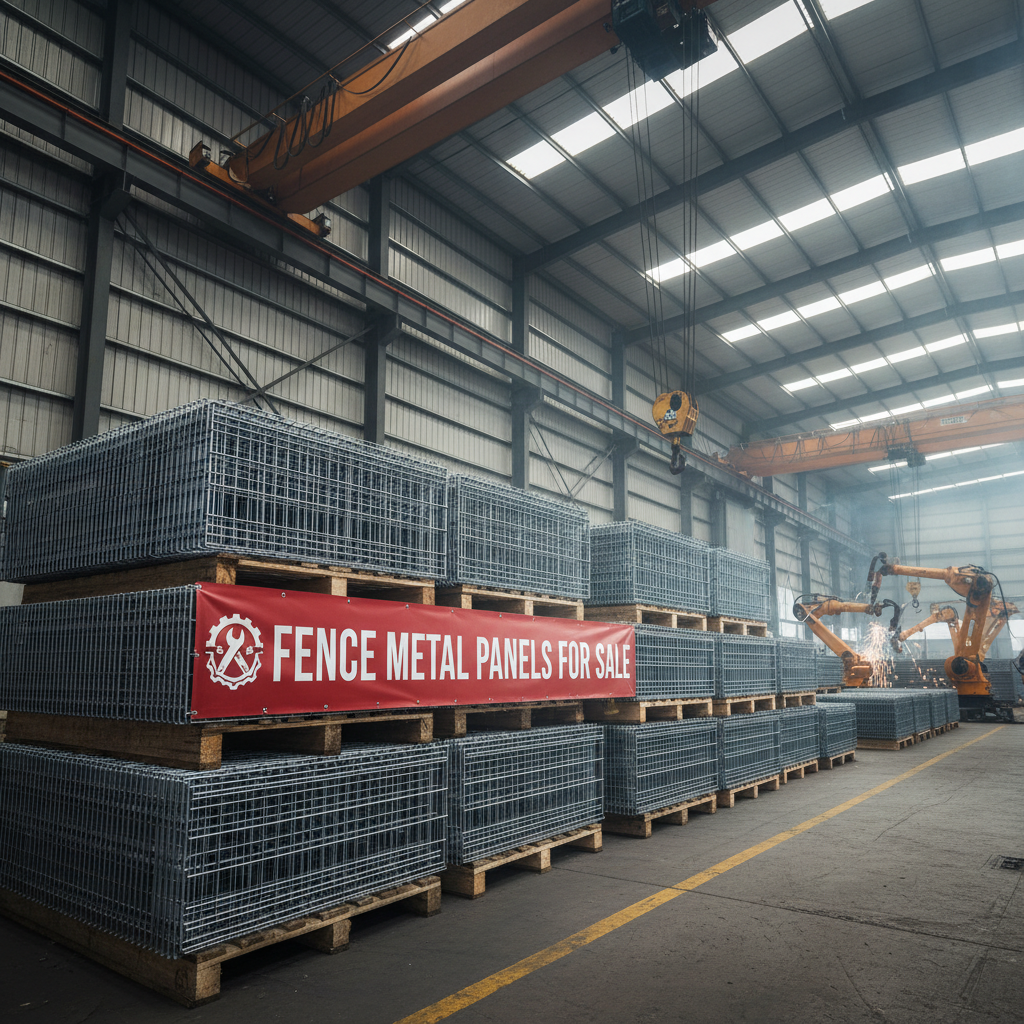
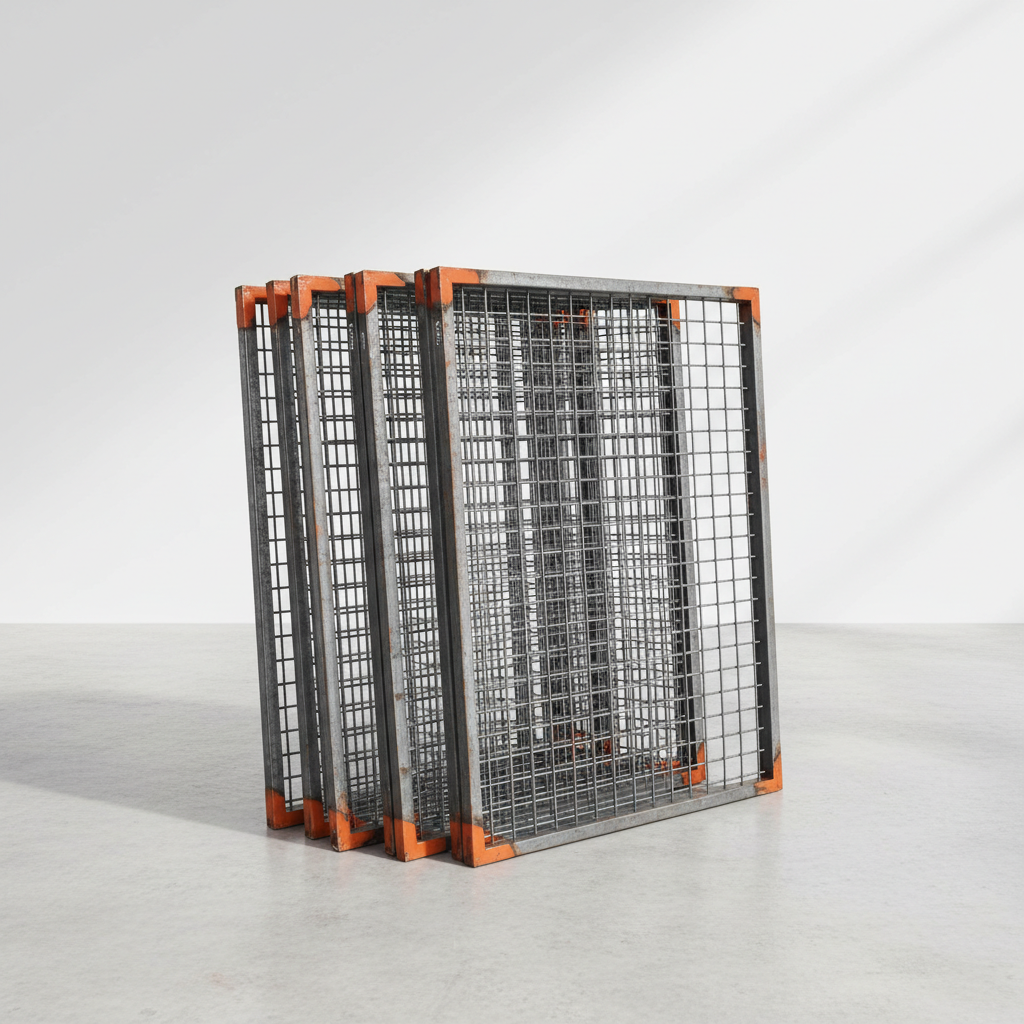
Look, I’ve been crawling around construction sites for fifteen years, getting dust in my teeth and smelling concrete all day. And honestly, lately, everyone's talking about these pre-fabricated steel fence panels for sale. It's not a new idea, not by a long shot, but the demand is way up. Seems like everyone wants a quick, secure perimeter, and they want it yesterday.
Have you noticed how many projects are slammed for time? Everyone's pushing deadlines, cutting corners, and a steel fence panel that shows up ready to bolt together is a lifesaver. But don't get me wrong, it’s not all roses. The spec sheets look great, but things always get tricky when you actually try to build with them.
To be honest, the biggest headache isn’t the panels themselves, it's the rush to get them installed. Everyone thinks it’s “easy,” but leveling the ground, getting the posts plumb…that’s where the real work is. And the quality control? Don’t even get me started.
The Current Landscape of steel fence panels for sale
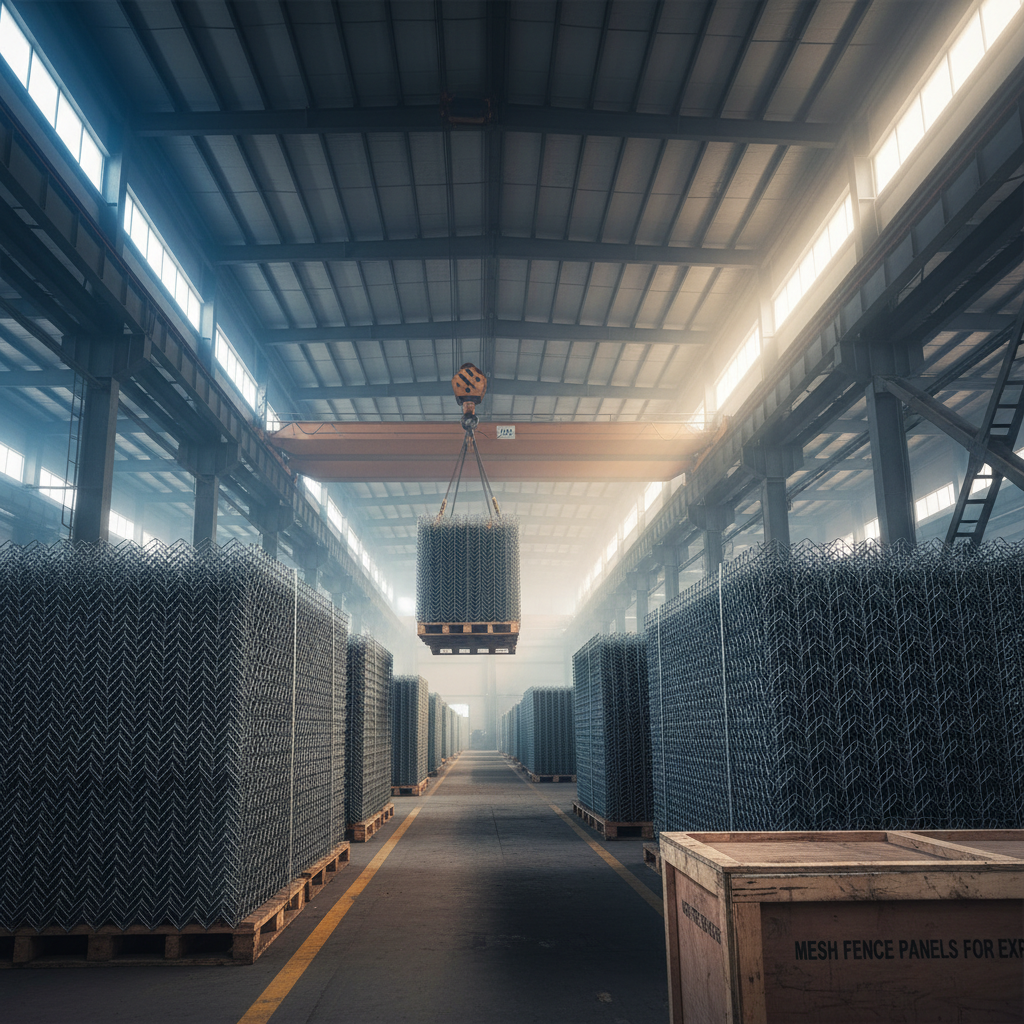
It's booming, I tell you. The demand for steel fence panels for sale is driven by everything from quick site security during construction to permanent perimeter fencing for industrial properties. Even residential folks are using them for privacy. Strangely enough, I’m seeing a lot of farms using them, too. Seems they're tired of fixing broken wire fencing. Supply chains have been…challenging, though. Getting enough steel, especially during the height of the pandemic, was a nightmare.
And the price? It fluctuates more than the stock market. It's tied to the cost of steel, shipping, and frankly, just how busy the manufacturers are. You gotta shop around, get quotes, and be prepared to adjust your budget.
Design Pitfalls and Common Mistakes
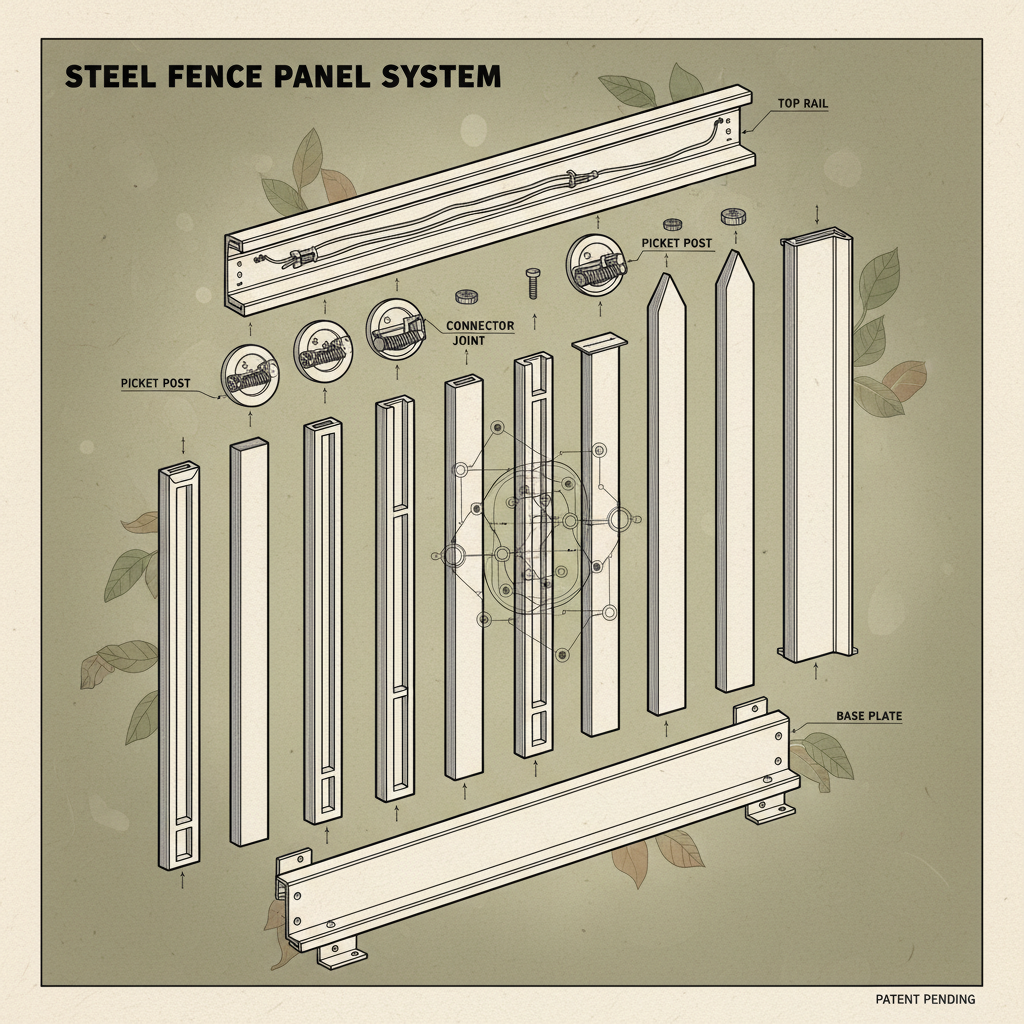
Look, these panels seem simple. But I encountered this at a factory in Wuxi last time – they’d designed a panel with a really intricate top rail, all fancy curves and whatnot. Looked great in the drawings. But try bending and welding that stuff? Forget about it. It added weeks to the production time and drove up the cost.
Another thing: post spacing. People try to stretch it too far to save money on posts. Bad idea. You lose strength, especially in windy areas. And don't even think about skimping on the post depth. I’ve seen fences literally blow over because they weren’t anchored properly.
And the gates? Always a problem. People forget to factor in the weight of the gate, the hinge points, and the fact that it needs to swing smoothly even when the ground shifts a bit.
Material Breakdown: What These Panels Are Made Of
Most of these panels are galvanized steel, right? That’s your standard. You can smell the zinc when they’re being welded – kinda metallic, a bit acrid. It protects against rust, but it’s not invincible. Higher-end ones will have a powder coating over the galvanization. That's where you get your color and extra corrosion resistance. Feels smoother to the touch, a bit more…premium.
Then you get into the steel grade itself. You want something with good tensile strength, something that can take a beating. I saw one batch that was just…flimsy. You could bend the rails with your hands! Later… Forget it, I won’t mention it. But seriously, check the specs.
And the fasteners? Don’t overlook those. Use stainless steel bolts and nuts. Cheaping out on those will just lead to rust streaks and headaches down the road.
Real-World Testing and Performance
Labs are fine and dandy, but I trust a good old-fashioned wind test. If a panel can stand up to a sustained 50mph wind without bending or breaking, you’re in good shape. We simulate that on site, well, kinda. We just wait for a storm and see what happens!
I also like to see how well they hold up to abrasion. Take a steel brush to it, try to scratch the coating. If it flakes off easily, it's not going to last. And of course, the salt spray test. Important if you’re near the coast.
Performance Metrics for Different steel fence panels for sale Types
How They’re Actually Used: Beyond the Brochure
People don't always use them how you think they will. I saw a guy try to hang a basketball hoop on one. Didn’t end well. They’re meant for perimeter security, not supporting heavy loads. I've seen them used as temporary sound barriers at concerts, too. Works okay, but it’s not ideal.
A lot of contractors use them as a quick way to enclose a staging area on a construction site. Keeps things organized, prevents materials from getting stolen. But they're also surprisingly popular for dog runs. People want a secure space for their pups to roam.
Advantages, Disadvantages, and Customization
The biggest advantage? Speed of installation. Seriously, compared to building a traditional fence, it’s a game-changer. It's also relatively affordable, especially if you're comparing it to brick or stone. But the biggest disadvantage is…well, they can look a bit industrial. Not everyone wants a chain-link vibe.
You can customize them, though. You can get different colors, different heights, different panel styles. I had a customer last month, a small boss in Shenzhen who makes smart home devices, insisted on changing the interface to , to use a proprietary locking system he'd designed. The result was a total disaster – the panels took three times as long to install and the locking system didn't even work reliably.
Anyway, I think the trick is to keep it simple. Don't try to reinvent the wheel.
Durability and Longevity Analysis
Properly installed and maintained, these things can last a long time. Twenty years, easily. But it depends on the environment. Coastal areas are tough on them, especially if they’re not properly coated. And if you live in an area with a lot of snow, you need to make sure the panels can handle the weight.
Regular inspection is key. Check for rust, damaged coatings, loose fasteners. A little maintenance goes a long way. And don’t forget to clear away vegetation that can trap moisture and accelerate corrosion.
Here’s a rough breakdown of expected lifespan under different conditions:
Expected Lifespan of steel fence panels for sale under Varying Conditions
| Environmental Condition |
Material Grade |
Maintenance Level |
Estimated Lifespan (Years) |
| Mild Climate, Inland |
Standard Galvanized Steel |
Minimal |
20-25 |
| Coastal, High Salt Air |
Powder Coated Galvanized Steel |
Regular |
15-20 |
| Industrial, High Pollution |
Stainless Steel |
Moderate |
25-30 |
| Cold Climate, Heavy Snow |
Heavy-Duty Steel |
Regular |
18-22 |
| Desert, Extreme Heat |
Powder Coated Galvanized Steel |
Minimal |
17-21 |
| Rural, Low Exposure |
Standard Galvanized Steel |
Infrequent |
22-27 |
FAQS
It really depends on the environment, but generally, you're looking at around 20-25 years in a mild climate with minimal maintenance. Coastal areas and harsh winters will shorten that considerably. Regular cleaning and re-coating can extend the lifespan, but eventually, the steel will corrode.
They seem easy, but leveling the ground and getting the posts plumb is the tricky part. You’ll need some basic tools – a post hole digger, a level, a wrench. If you’re not comfortable with that kind of work, it’s best to hire a professional. You don't want a fence leaning like the Tower of Pisa.
Regularly inspect for rust spots, especially around fasteners. If you find any, sand them down and apply a rust-inhibiting paint. Also, clear away any vegetation that's growing around the base of the fence. Keeping it clean and dry is the key to longevity.
Absolutely. Most manufacturers offer a range of heights and colors. You can also get different panel styles, like flat-top or pointed-top. Just be aware that custom orders may take longer and cost more. Don’t go overboard with the customization though…keep it practical!
Galvanized steel is coated with zinc to protect against rust. Stainless steel contains chromium, which makes it even more corrosion-resistant. Stainless steel is more expensive, but it's a better choice for harsh environments like coastal areas or industrial sites.
That depends on the post spacing and the depth of the posts. Properly installed panels can withstand winds up to 50-60 mph. But if the posts are too far apart or not anchored deep enough, the fence could blow over. Check local building codes for wind load requirements.
Conclusion
So, there you have it. These steel fence panels for sale are a quick, relatively affordable, and durable way to secure a perimeter. But they're not a magic bullet. You gotta pay attention to the details – the material grade, the installation, the maintenance. It’s not always glamorous, but a solid fence can save you a lot of headaches down the road.
Ultimately, whether this thing works or not, the worker will know the moment he tightens the screw. Because at the end of the day, a fence is only as good as its installation. And a good installer knows his stuff, trust me. They’ve seen it all.