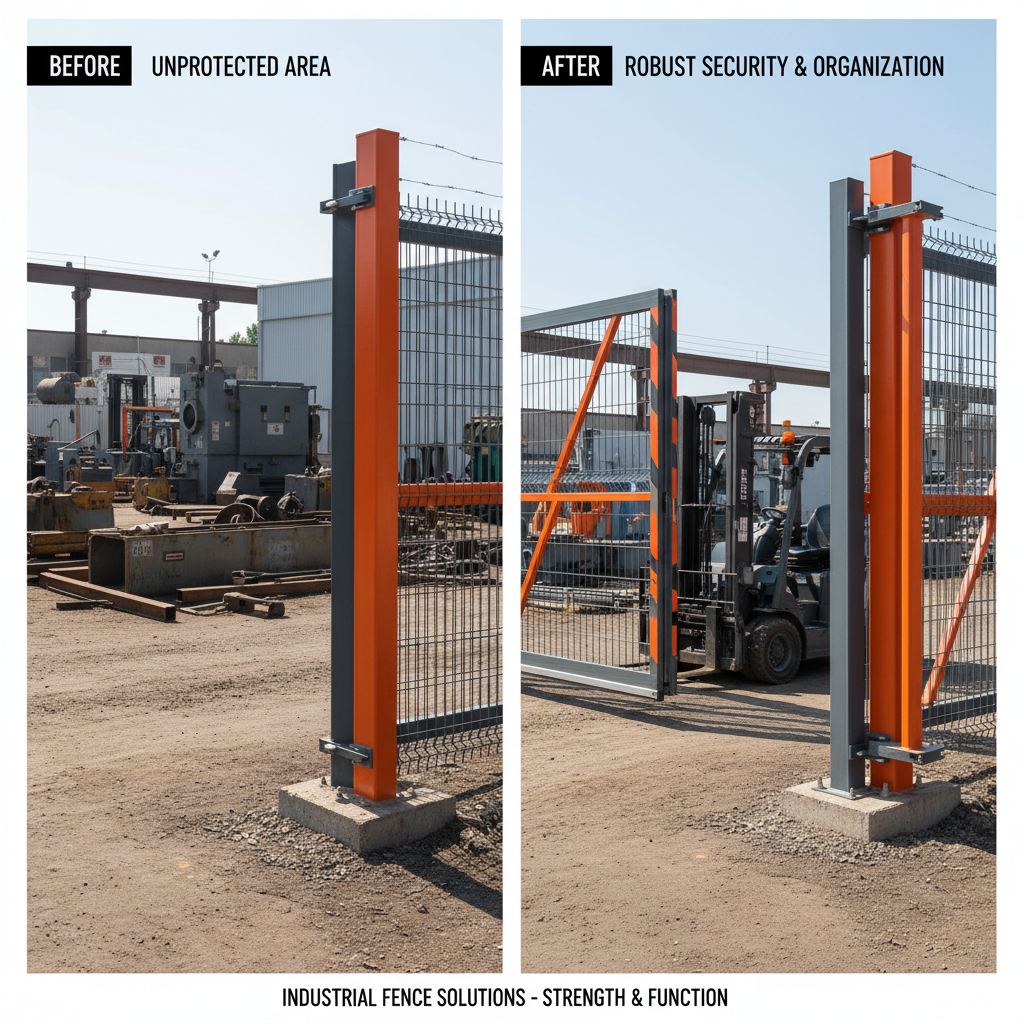
Look, I’ve been running around construction sites for, well, too many years to count. And honestly, the biggest shift I’ve seen lately is everyone chasing “pre-fab” and “modular.” It's not new, mind you, but the pressure’s on now, everyone wants things faster, cheaper. And that means fence panels wholesale is getting a whole lot more attention. Seems like yesterday everyone was content with the same old chain link. Now, it’s all composite materials, different panel designs… it's a bit much sometimes.
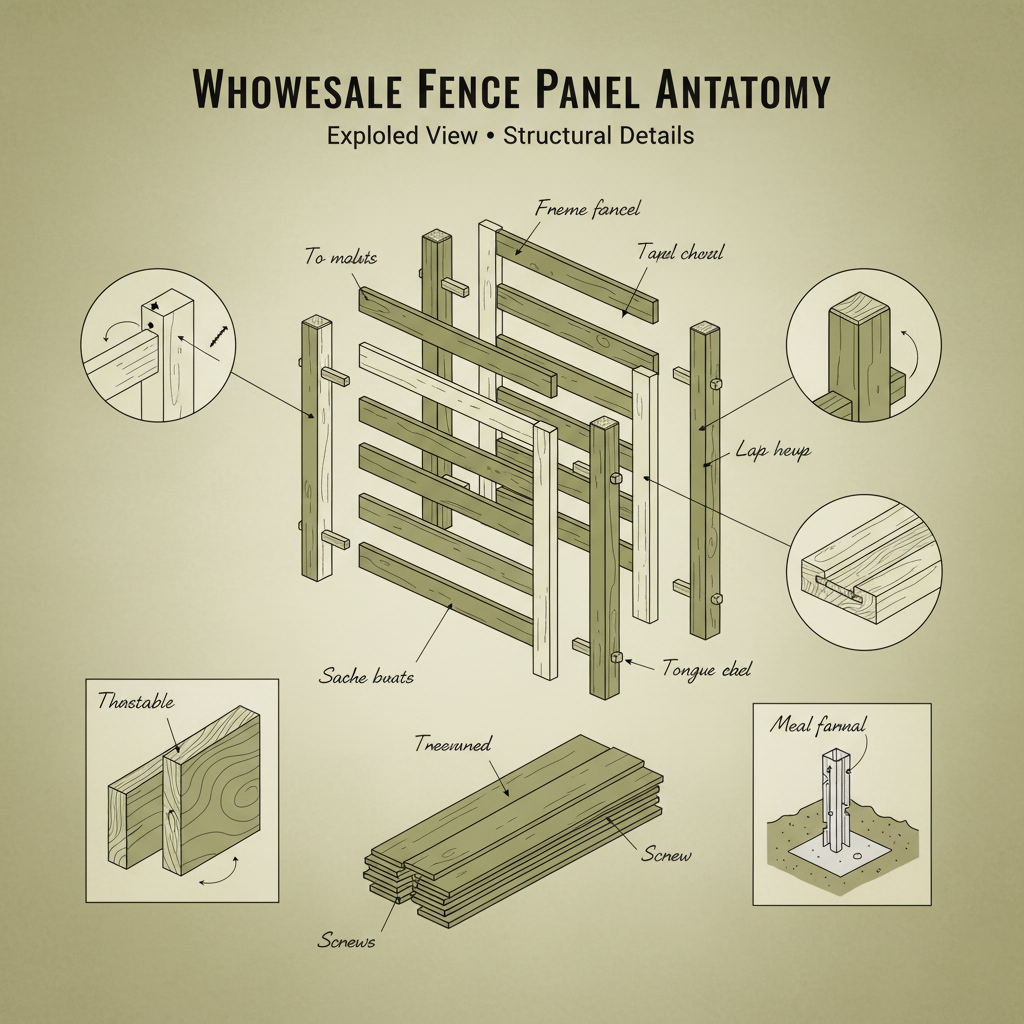
You know what drives me nuts? Over-engineering. Engineers, bless their hearts, they get caught up in calculations, specs, and lab tests. They design these gorgeous panels, theoretically perfect. Then you get them on site, and they’re a nightmare to actually install. I encountered this last year at a factory in Ningbo, they designed a panel with this super-complex locking mechanism… took three guys and a crowbar to get the first one up. Simple is often better.
And then there’s the materials. I’m a big fan of the recycled plastic composite stuff. Smells a bit like…well, plastic, naturally, but it’s tough. Really tough. Not like some of that cheap vinyl that cracks the minute you look at it wrong. We're using a lot of it now, and frankly, it holds up better to the elements than wood, plus you’re doing something good for the environment, right? Although, I will say, handling it in the winter… it gets brittle. You gotta be careful.
The Current Landscape of fence panels wholesale
To be honest, the market's exploded. Everyone's looking for speed and cost-effectiveness, driving demand for fence panels wholesale. You've got the big players, obviously, but a ton of smaller manufacturers popping up, trying to undercut prices. It's becoming increasingly competitive, and quality varies wildly. Have you noticed the shift towards more decorative panels too? People aren't just looking for security anymore; they want something that looks good.
It’s also interesting to see the regional variations. What sells in California is completely different than what sells in Texas. Out west, it’s all about natural wood looks, trying to blend with the environment. In the south, it’s about durability and resisting humidity. Makes things complicated for us, having to stock so many different styles.
Common Design Pitfalls in fence panels wholesale
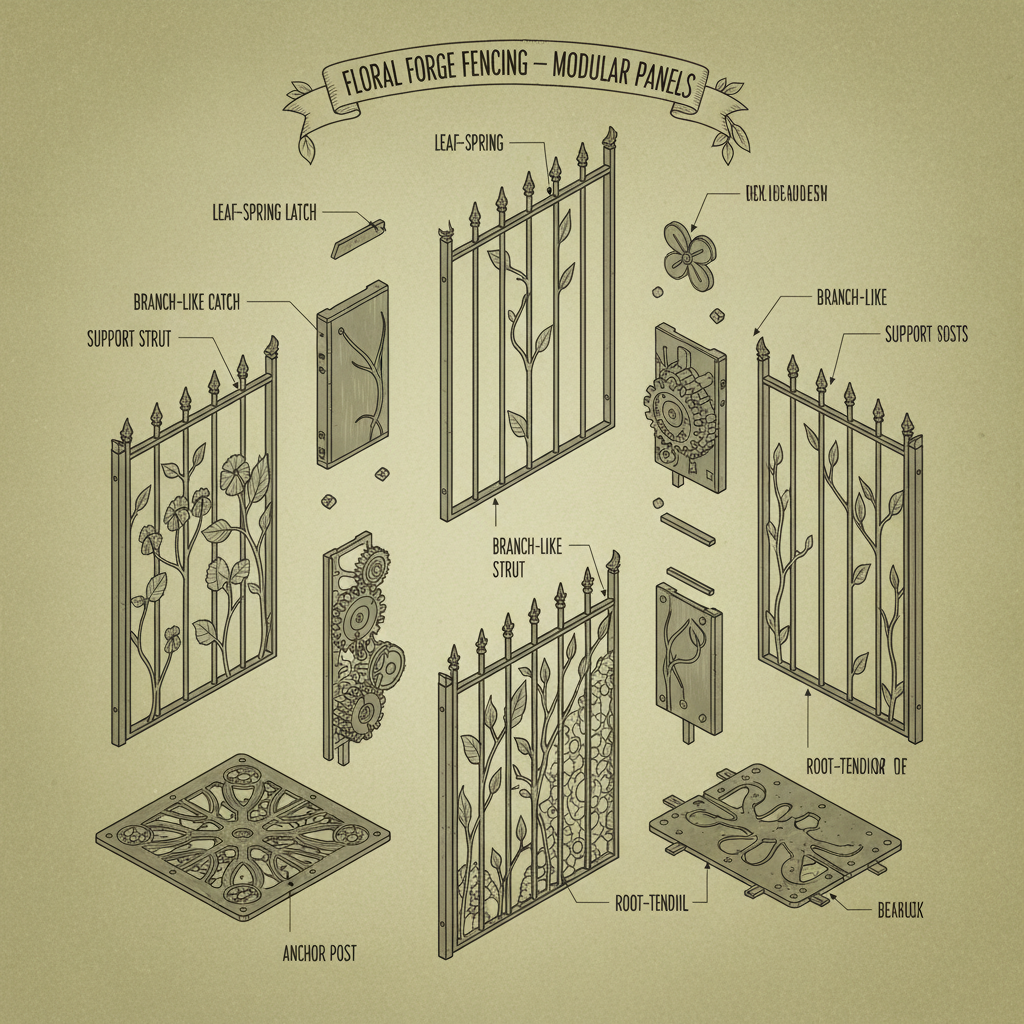
I'll tell you what I see all the time - manufacturers trying to be clever with installation methods, adding extra steps that just aren't needed. You want a panel to slot into a post? Great. Don't make me need a degree in engineering and a special tool to do it. It's frustrating. Another thing is underestimating wind load. People design these beautiful, tall panels, forgetting that a strong gust of wind can turn them into a sail. Then you get call-backs, repairs… it's a headache.
Strangely, a lot of designs don't consider maintenance. You design a fancy lattice panel, look great at first, but what happens when it gets covered in dirt and grime? Nobody thinks about cleaning! And don’t even get me started on panels that are impossible to repair. A small section gets damaged, and you have to replace the entire panel. It’s wasteful.
And this is a big one: ignoring the post spacing. If your panels are designed for 8-foot spacing, but the customer uses 10-foot spacing, you're going to have problems. It's basic stuff, but it happens all the time.
Materials Used in Modern fence panels wholesale
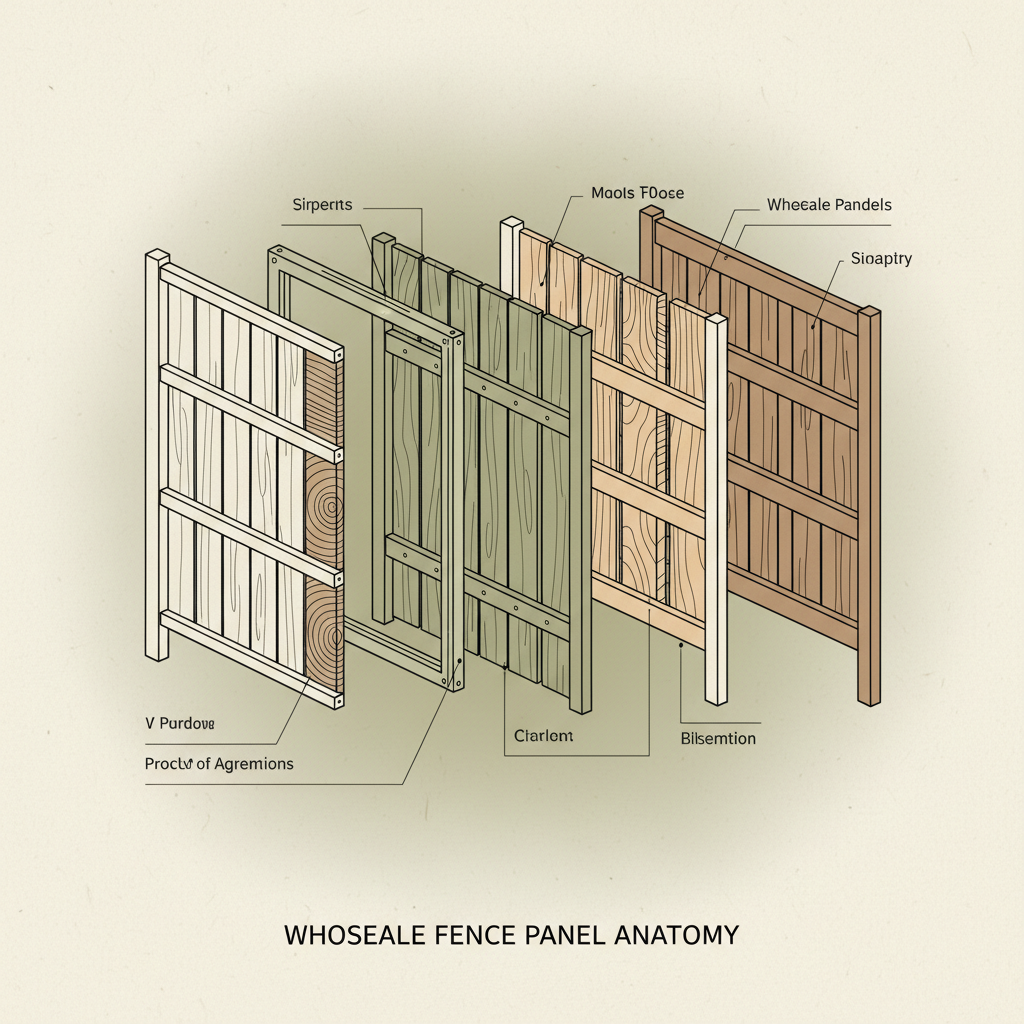
Okay, so you've got your traditional wood – treated pine, cedar, redwood. Still used, still reliable, but requires a lot of maintenance. Then there’s vinyl, which is low-maintenance but can get brittle and looks… well, cheap sometimes. Composite is where things get interesting. We use a lot of wood-plastic composite (WPC). Feels a bit like plastic, a little grainy. And PVC. And then you’ve got aluminum, which is lightweight and strong, but expensive.
I’m really liking the newer stuff, the mineral-based composites. They feel more substantial, like real stone. They’re also more resistant to fading and weathering. They do smell a bit odd when you first cut them, kind of like… dust and rock, but you get used to it. We had a batch of those that came in last month, the workers loved how easy it was to cut with the saw - much easier than the WPC.
And let's not forget steel. Very strong, obviously, but heavy and prone to rust if not properly coated. We occasionally use it for security applications, but it’s not our go-to. Anyway, I think the trend is moving towards more sustainable materials, more recycled content. Customers are asking for it, and frankly, it’s the right thing to do.
Real-World Testing of fence panels wholesale
Lab tests are fine, I guess. They tell you the breaking strength, the UV resistance, all that jazz. But I want to see it get beat up. We set up a test yard behind the warehouse. We install panels, expose them to the weather, hammer on them, try to break them with a crowbar. Sounds brutal? It is. But it tells you what will actually happen when someone leans on it, or a kid kicks a ball into it.
We also send samples to customers who are in harsh environments – coastal areas, desert regions, places with heavy snowfall. We ask them to give us honest feedback. We've had panels tested in Florida, subjected to hurricane-force winds. And in Alaska, buried under several feet of snow. It’s valuable information, because those lab tests don't always reflect real-world conditions.
fence panels wholesale Performance Ratings
Actual User Applications of fence panels wholesale
You know, people use these panels for all sorts of things. Obviously, property boundaries, security. But we’ve had people use them for noise barriers along highways, for creating privacy screens around pools, even for building temporary animal enclosures. It's actually quite varied.
We've also seen a rise in using them for decorative purposes, creating unique garden features. People are getting creative with the designs, mixing and matching different panels to create custom looks. Later… Forget it, I won't mention the guy who tried to build a tiny house entirely out of fence panels.
Advantages and Disadvantages of fence panels wholesale
Look, the biggest advantage is speed. These pre-made panels cut installation time dramatically. Especially for larger projects. That saves labor costs, which is huge. They're also generally more consistent in quality than building a fence from scratch. But… they're not always flexible. If you need a custom height or a specific design, you might be out of luck.
And the price can be a factor. High-quality panels aren't cheap. You get what you pay for, of course, but some customers are always looking for the lowest price, and they end up with inferior products. It’s frustrating to see.
Customization Options for fence panels wholesale
You’d be surprised what people ask for. Color is the most common customization – matching the panels to their house color, for example. We can do that. We can also cut panels to specific sizes, add decorative elements, even incorporate logos. Last month, that small boss in Shenzhen who makes smart home devices insisted on changing the interface to , and the result was a total nightmare for the installation team. He wanted a modern look, I guess. It worked in the end, but it added a lot of complexity.
We also offer different post types – wood, metal, concrete. And different hardware options – hinges, latches, locks. It really comes down to what the customer needs. We are able to make unique designs for large projects.
Summary of Key Customization Considerations for fence panels wholesale
| Customization Type |
Complexity Level (1-5) |
Cost Impact (Low/Med/High) |
Lead Time (Days) |
| Color Matching |
1 |
Low |
3 |
| Size Alterations |
2 |
Med |
5 |
| Decorative Element Addition |
3 |
Med |
7 |
| Logo Incorporation |
4 |
High |
10 |
| Post Material Change |
2 |
Med |
5 |
| Complex Design Modification |
5 |
High |
14 |
FAQS
That depends on the climate and the quality of the material, of course. But generally, a good composite panel should last at least 25-30 years with minimal maintenance. We've seen some installations that are older than that and still holding up remarkably well. The key is to choose a panel that's resistant to UV fading, moisture damage, and insect infestation. A proper installation is crucial too, of course.
Absolutely. Building codes vary significantly from one location to another. You need to check with your local building department to find out what the requirements are for fence height, setback distances, and permitting. Some areas may also have restrictions on the types of materials you can use. It’s best to do your research upfront to avoid any headaches down the road.
That depends on the extent of the damage. Minor scratches and scuffs can usually be sanded out. More significant damage, like cracks or breaks, may require replacing the entire panel. Composite panels are generally easier to repair than wood, as they're less prone to splintering. But, it’s a good idea to keep some spare panels on hand, just in case.
For most panels – composite, vinyl – a simple wash with soap and water is all you need. You can use a pressure washer on a low setting, but be careful not to damage the surface. For wood panels, you'll need to apply a sealant or stain every few years to protect them from the elements. Regular maintenance will help extend the life of your fence and keep it looking its best.
That depends on your DIY skills and the complexity of the installation. If you're comfortable using basic tools and following instructions, you can probably handle a straightforward installation. However, if you're dealing with uneven ground, tight corners, or complex designs, it's best to hire a professional. They'll have the experience and expertise to ensure the job is done right.
A lot of things! Material is a big one – composite and aluminum are more expensive than wood or vinyl. Panel height and length also play a role, as does the complexity of the design. Labor costs will vary depending on your location and the installer you choose. And don’t forget about the cost of posts, hardware, and any necessary permits. Get multiple quotes to get the best deal.
Conclusion
So, fence panels wholesale is a complicated business, but it's changing fast. The shift towards pre-fab, the demand for durability and aesthetics, the need for customization... it all adds up. Choosing the right materials, considering the installation environment, and understanding the long-term maintenance requirements are all crucial for success.
Ultimately, whether this thing works or not, the worker will know the moment he tightens the screw. You can have all the fancy designs and lab tests in the world, but if it’s a pain to install, it’s a bad product. And that's the bottom line.