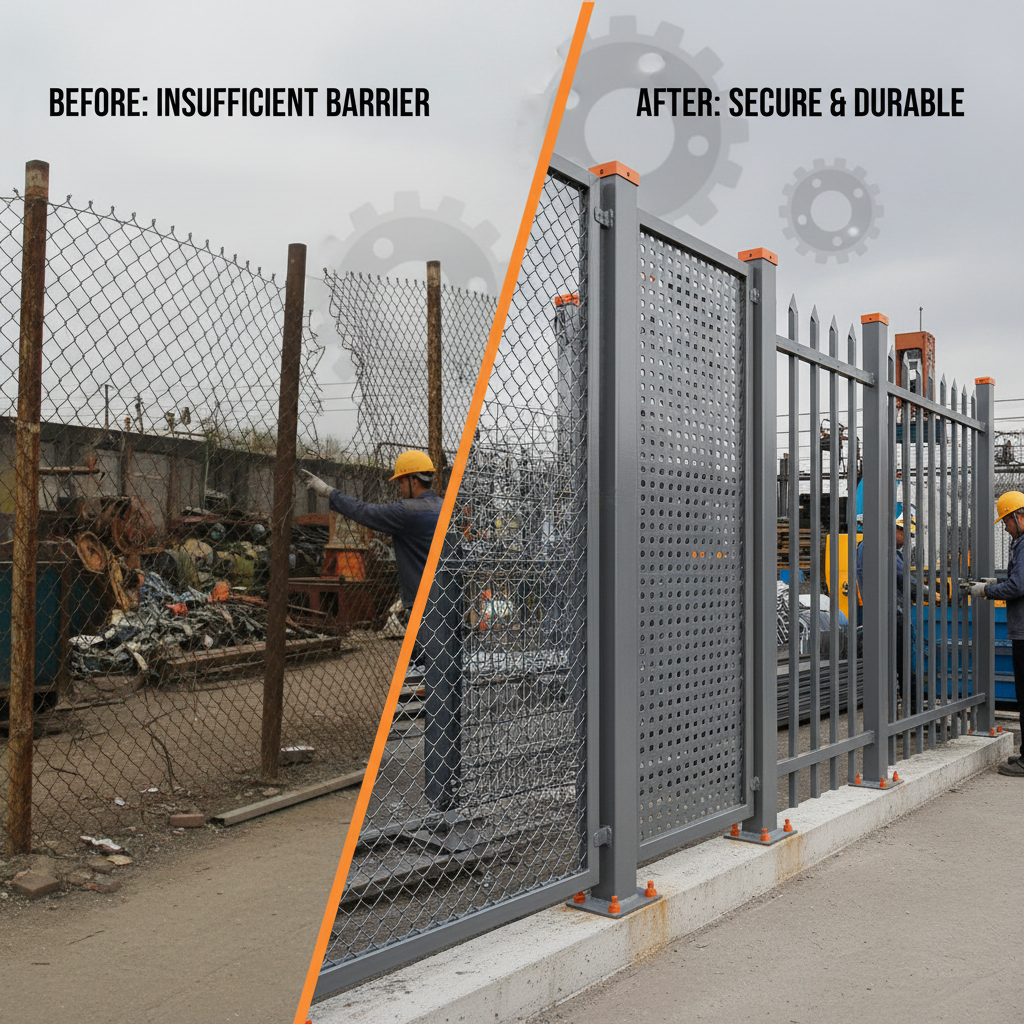
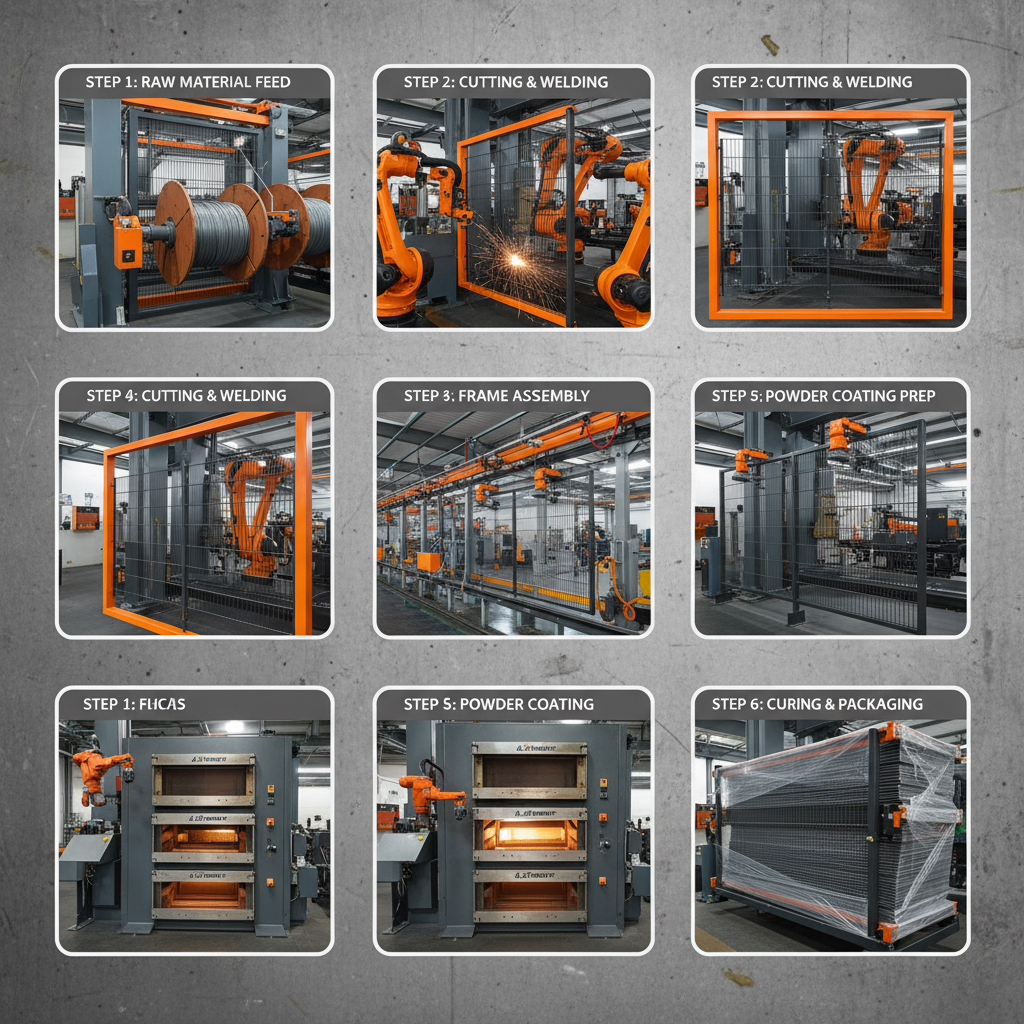
Look, I've been running around construction sites for over ten years, getting my hands dirty with materials all day. Lately, everyone's talking about pre-fabricated fence panels, you know, the cheap fence panels for sale kind. Seems like everyone wants to cut costs, speed things up… but it’s never as simple as it looks, is it?
To be honest, I’ve seen a lot of these “quick fixes” turn into headaches. Everyone’s chasing the lowest price, and that’s fine, but you get what you pay for, right? What people often forget is the installation – a cheap panel is useless if it’s a nightmare to put up. And let me tell you, finding skilled labor these days? Forget about it.
It’s all about finding that sweet spot – decent quality, affordable price, and something the guys on site can actually work with. We've been seeing a lot of demand for these cheap fence panels for sale, especially in new housing developments and for temporary security at events. Seems everyone's got a fence need these days.
The Current Trends in Cheap Fence Panels for Sale
Have you noticed? Everyone's moving towards composite materials. It's less about getting the absolute cheapest price and more about longevity. People are tired of replacing fences every five years. Vinyl is huge, obviously – low maintenance, doesn’t rot. But lately, there’s been a push for more “wood-look” vinyl, which is… interesting. It tries to mimic the grain, the texture. It's not quite there, honestly.
Another trend? Demand for different colors. Used to be just brown or white. Now everyone wants grey, black, even green. And the pre-fabricated sections are getting bigger, meaning fewer posts to set. Sounds good on paper, but it also means those sections are heavy. Really heavy. And the guys installing them? They aren’t always thrilled.
Design Pitfalls and What to Watch Out For
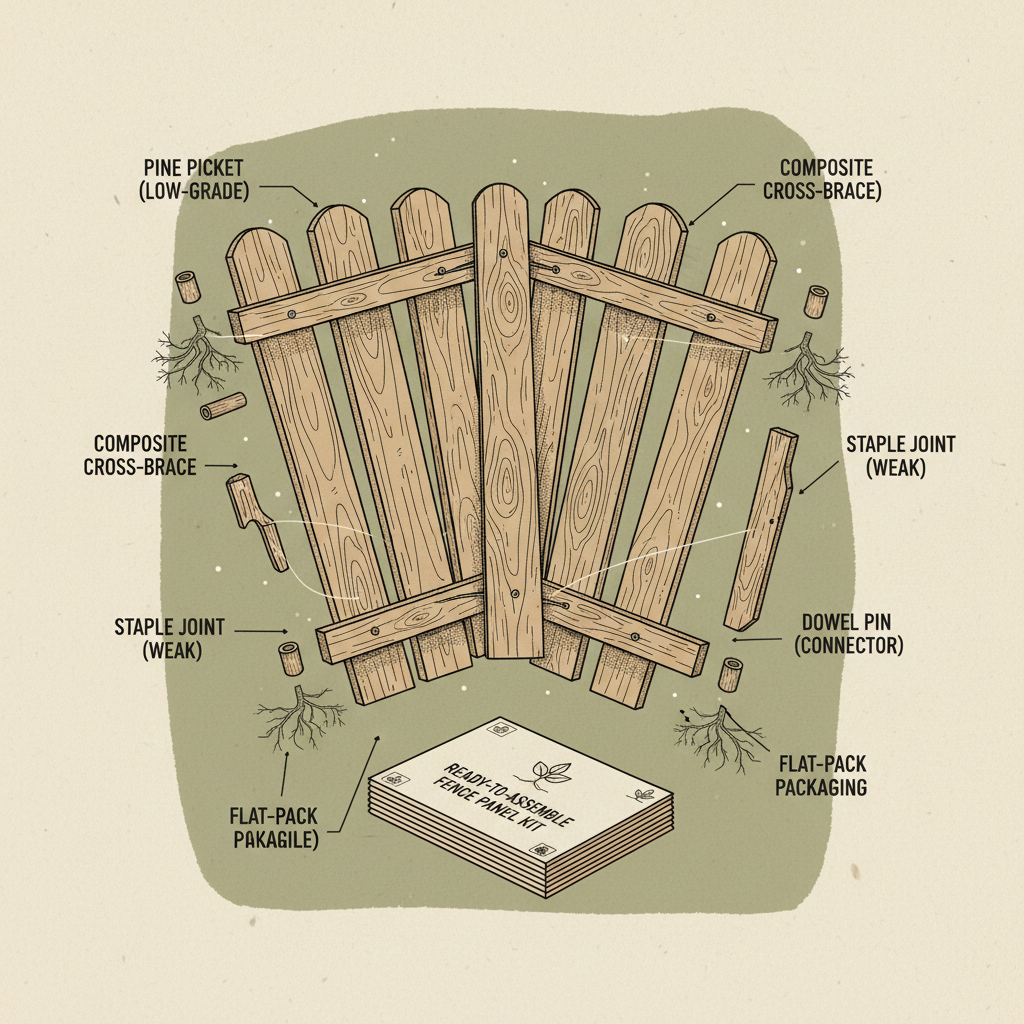
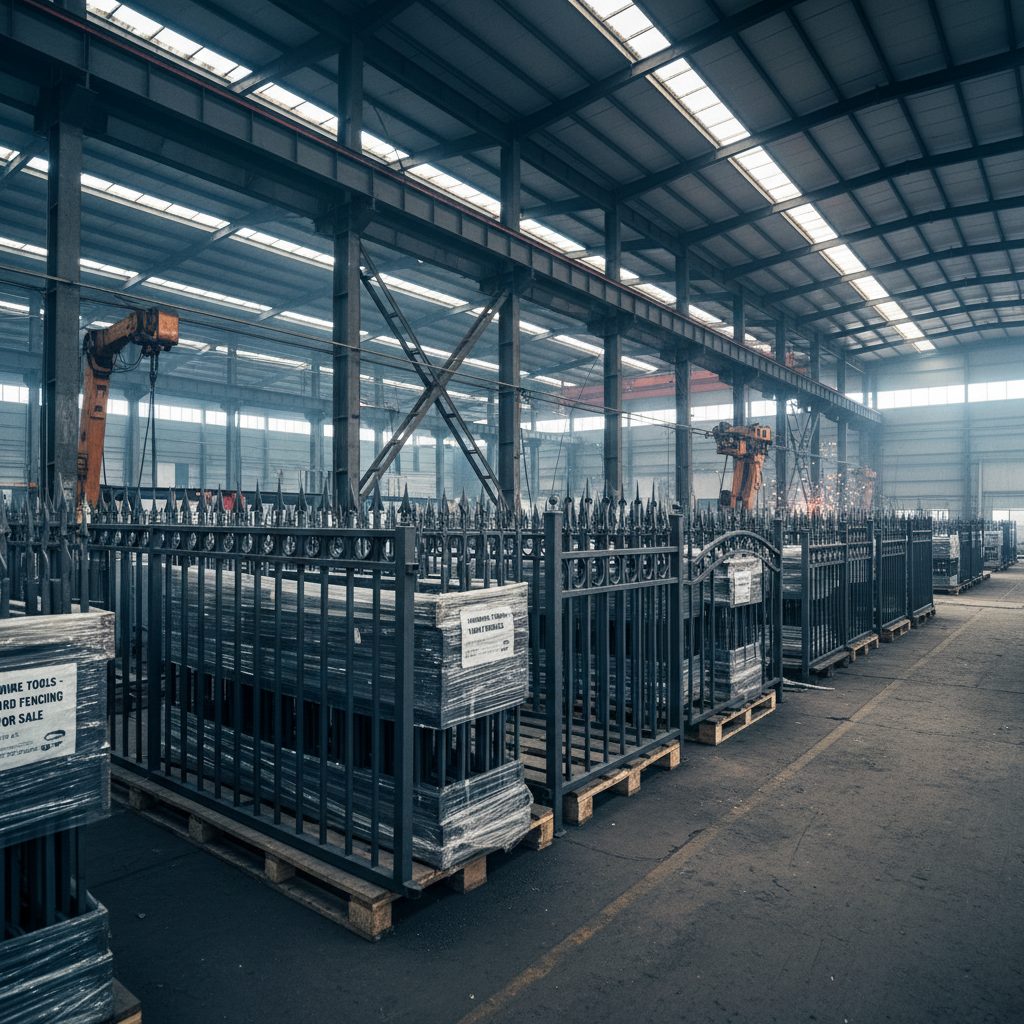
This is where I see a lot of companies screw up. They design these panels for the lab, not the real world. I encountered this at a factory in Ningbo last time. They showed me their super-strong panel, tested to withstand hurricane-force winds. Great, right? But the connection points were flimsy! The whole thing fell apart when you actually tried to put it together.
Strangely enough, a common mistake is making the panels too lightweight. They seem great to handle, but they flex too much in the wind. You need a balance. And don't even get me started on the post spacing. Too wide, and the panels sag. Too narrow, and you're wasting money on materials and labor. It's a fine line.
Another thing: the gate hardware. Seriously. Companies skimp on the hinges and latches. It's always the first thing to fail. I always tell my clients, spend the extra few bucks on decent hardware. You'll thank me later.
Materials: From Steel to Vinyl – and the Smell of Fresh Wood
Okay, so you’ve got your standard galvanized steel posts. They’re strong, they’re reliable, but they’re also cold and… well, they look like steel posts. Then you’ve got vinyl, which feels a bit plasticky, you know? Doesn’t have that solid feel. But it doesn’t rust, which is a huge plus.
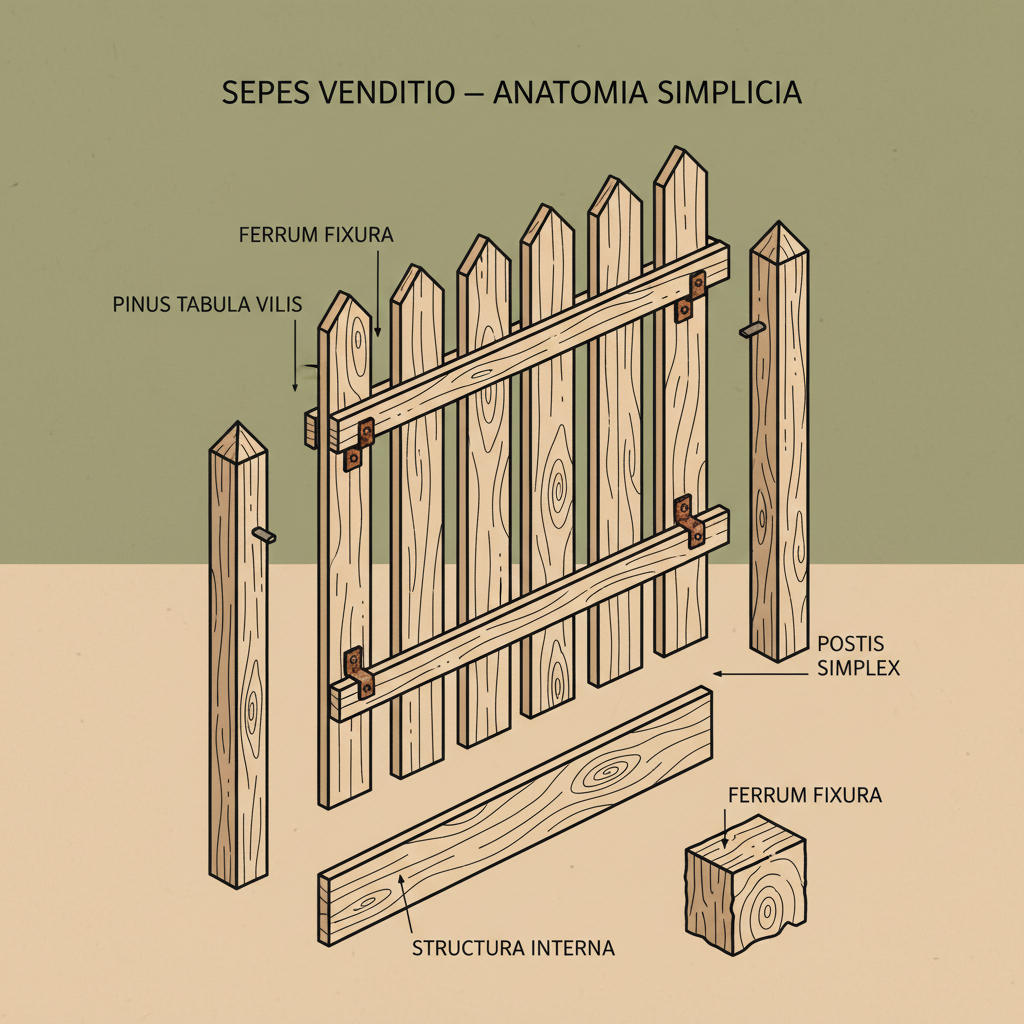
There's also wood. Now that smells good. Pressure-treated pine, cedar, redwood… It’s a classic for a reason. But it requires maintenance – staining, sealing. And it's susceptible to rot and insects. But honestly, there's something about a beautiful wood fence that vinyl just can’t replicate.
We’re starting to see more composite materials – wood fibers mixed with plastic. It’s supposed to be the best of both worlds. It looks like wood, it’s relatively low maintenance, and it's fairly durable. The feel is… well, it’s not quite wood, and it doesn’t quite smell like wood. It's kind of in-between. Anyway, I think it’s a promising direction.
Real-World Testing: Beyond the Lab
Lab tests are fine, I guess. But they don't tell you how the fence will hold up to a bored teenager with a baseball bat, or a dog determined to dig under it. I always recommend a good old-fashioned “kick the panel” test. Seriously. If it feels flimsy, it probably is.
We also set up some panels at a local farm and just left them there for a year. Exposed to the sun, the rain, the wind, the occasional cow. That tells you a lot more than any stress test in a climate-controlled lab. And we have the guys install them as they normally would. That's where you see the design flaws show up.
Performance Metrics of Cheap Fence Panels for Sale
How People Actually Use Cheap Fence Panels for Sale
You think people buy fences just for privacy? Nope. A lot of it is about defining property lines. “That’s mine, that’s yours.” Simple as that. Then there’s the pet containment factor. Dog owners are a huge market. And strangely enough, a lot of people just want to keep their neighbor’s chickens out of their garden.
We also see a lot of temporary fencing for events – concerts, festivals, construction sites. They need something quick to set up and take down. And let me tell you, those event guys are rough on fences. They’re not exactly gentle.
The Good, The Bad, and the Customizable
The good? Price, obviously. And the ease of installation, if the design is good. The bad? Well, cheap often means compromises. Thinner materials, weaker connections. And customization can be tricky.
But we’ve done some interesting custom jobs. Last year, a guy wanted a fence that looked exactly like a barn wall. We had to source specific wood grain vinyl and use a special nailing pattern to get the look he wanted. It was a pain, but he was thrilled. We’ve also done fences with built-in lighting and even some with integrated sound systems. People want what they want.
A Story From the Field: The Fence Debacle
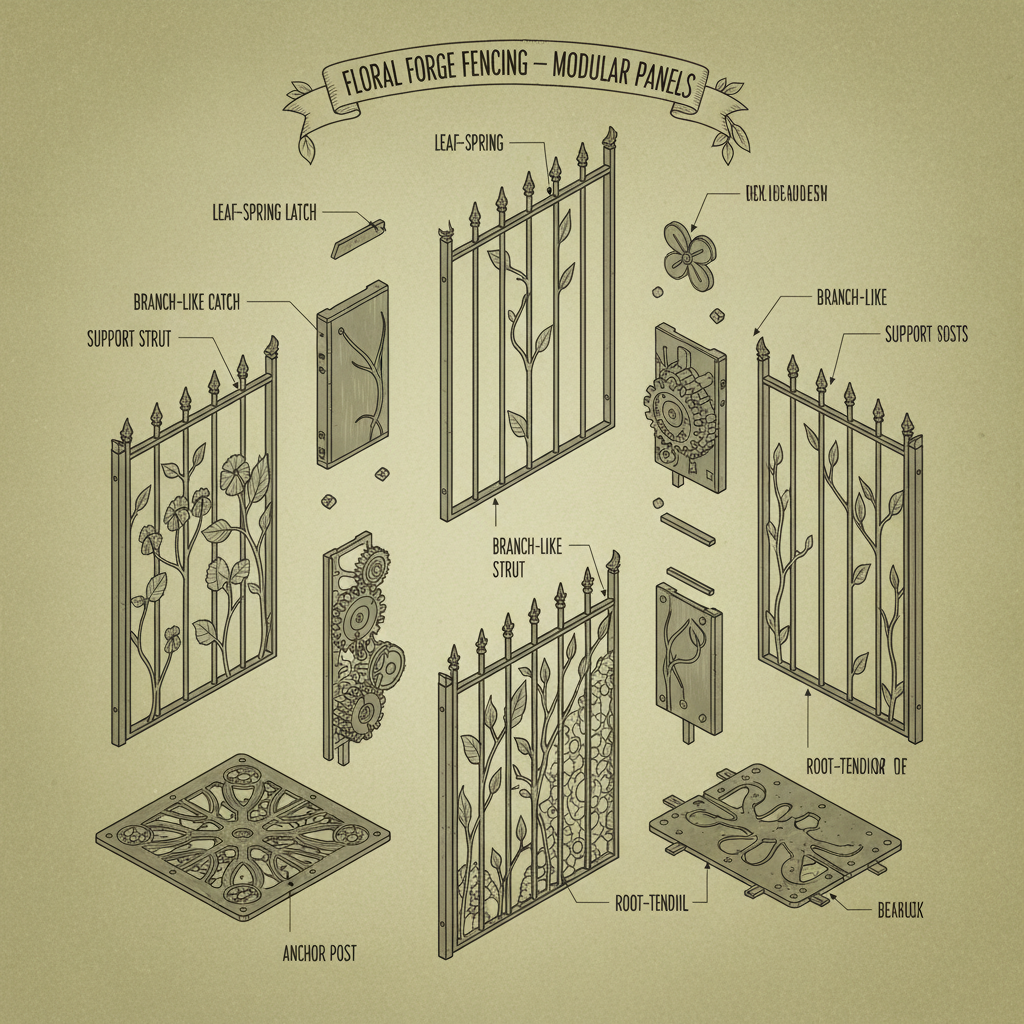
Last month, that small boss in Shenzhen who makes smart home devices – real quirky guy – insisted on changing the interface to . The fence, I mean. He wanted a “future-proof” fence, with interchangeable panels that could be easily swapped out. He thought it was brilliant. He envisioned a whole ecosystem of fence panels.
The problem? The locking mechanism was ridiculously complicated. It took three guys and a screwdriver to change a single panel. And the panels were expensive to manufacture. It was a disaster. He ended up scrapping the whole project and going back to traditional bolt connections. He lost a ton of money.
Later… forget it, I won’t mention it.
Summary of Real-World Performance Factors for Cheap Fence Panels for Sale
| Installation Complexity |
Long-Term Durability |
Cost-Effectiveness (Initial) |
Maintenance Requirements |
| Low (Simple pre-fab sections) |
Moderate (5-7 years) |
High (Initial cost is minimal) |
Minimal (Vinyl/Composite) |
| Moderate (Post setting required) |
Moderate (7-10 years) |
Medium |
Moderate (Wood requires staining) |
| High (Complex designs) |
High (10+ years) |
Low |
Minimal (Steel, treated wood) |
| Low-Moderate (Pre-assembled sections) |
Moderate (6-8 years) |
Medium |
Low (Periodic cleaning) |
| Moderate (Requires skilled installers) |
High (Long lifespan) |
Low-Medium |
Moderate (Potential for repairs) |
| Low (Easy to assemble) |
Low-Moderate (3-5 years) |
High |
High (Frequent replacement) |
FAQS
Honestly, it’s focusing solely on the upfront cost. They see a super-cheap panel and think, “Great!” But they don’t factor in installation costs, maintenance, or how long it will actually last. A slightly more expensive panel that’s easier to install and lasts twice as long is almost always a better deal in the long run.
Give it a good kick. Seriously. It should feel solid, not flimsy. Check the connection points – are they welded securely? Are the screws strong enough? And look at the wind rating. A higher wind rating means it can withstand stronger gusts. But remember what I said about lab tests vs. real-world testing!
Vinyl is your best bet. It doesn't rot, it doesn't rust, and it doesn’t require a lot of maintenance. Wood will eventually rot, even pressure-treated wood. Steel will rust. So, if you live in a rainy area, vinyl is the way to go. It's not the prettiest, but it's practical.
It depends on your DIY skills. If you're comfortable setting posts and using a level, you can probably handle it. But if you're not, it’s best to hire a professional. A poorly installed fence won't last, and you'll end up spending more money in the long run fixing it. And trust me, nobody wants to redo a fence.
Vinyl? Just wash it with soap and water. Wood? Stain or seal it regularly. Steel? Keep it painted to prevent rust. It's simple stuff, but it makes a big difference. Also, clear away any vegetation that's growing around the fence. It can trap moisture and accelerate decay.
Definitely. Think about posts, hardware, concrete, and labor. And don't forget about permits! Some areas require permits for fences. Also, if you’re dealing with underground utilities, you might need to hire a locator service. Those costs can add up quickly. It’s better to get a complete quote upfront than to be surprised by hidden fees later on.
Conclusion
So, yeah, cheap fence panels for sale. They’re not always the easiest solution, and they definitely require some careful consideration. But when you find the right balance of price, quality, and installation ease, they can be a great option for a lot of people. It’s all about understanding the trade-offs and choosing a panel that’s suited to your specific needs and conditions.
Ultimately, whether this thing works or not, the worker will know the moment he tightens the screw. And that's what matters. If you're looking for cheap fence panels for sale, check out Hyliec Fence. We aim for that sweet spot – good quality, fair prices, and a hassle-free experience.