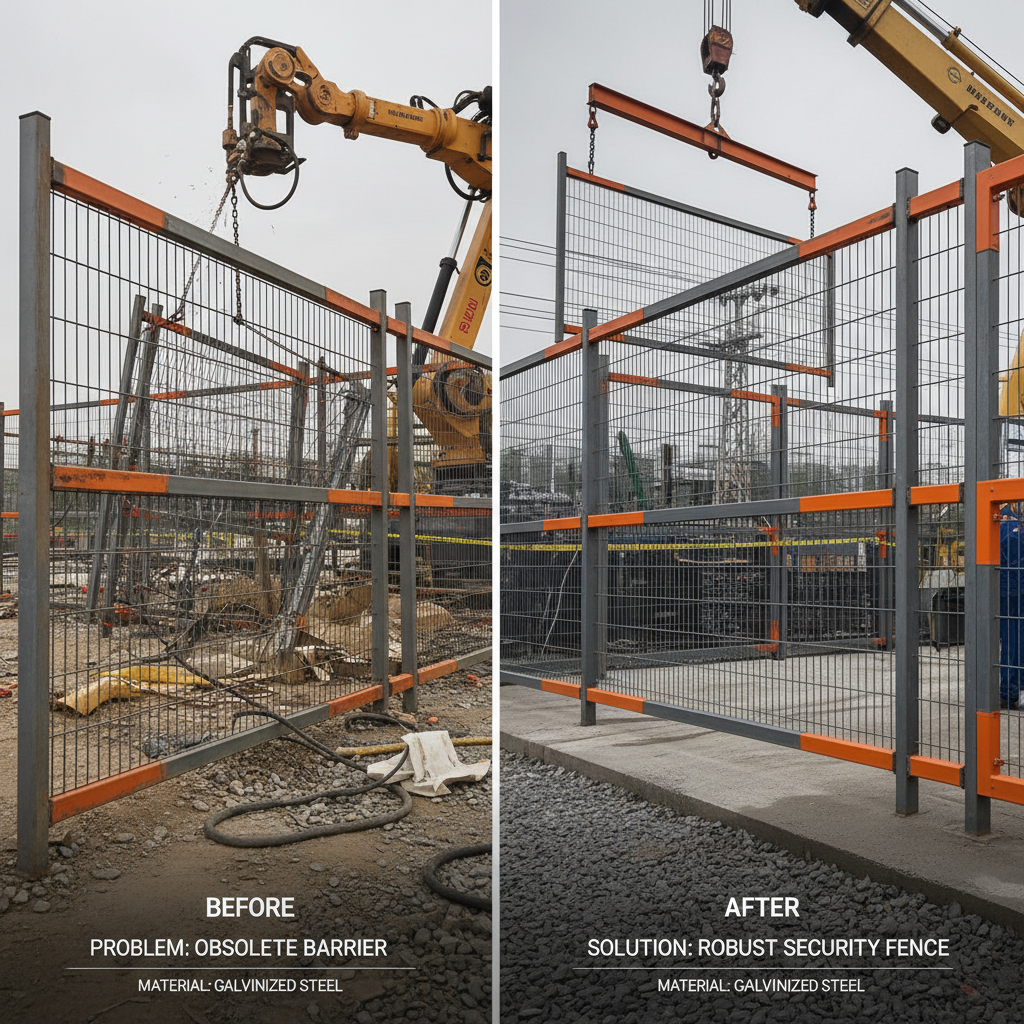
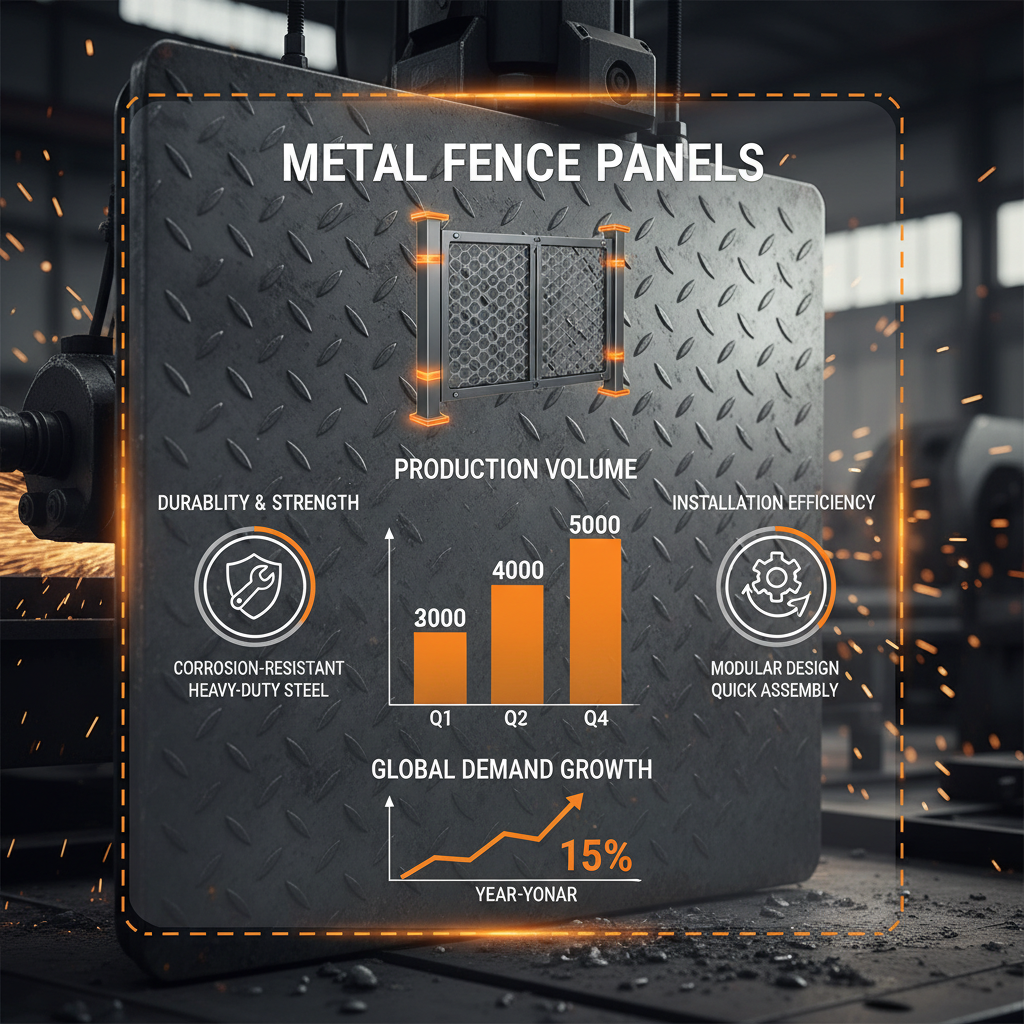
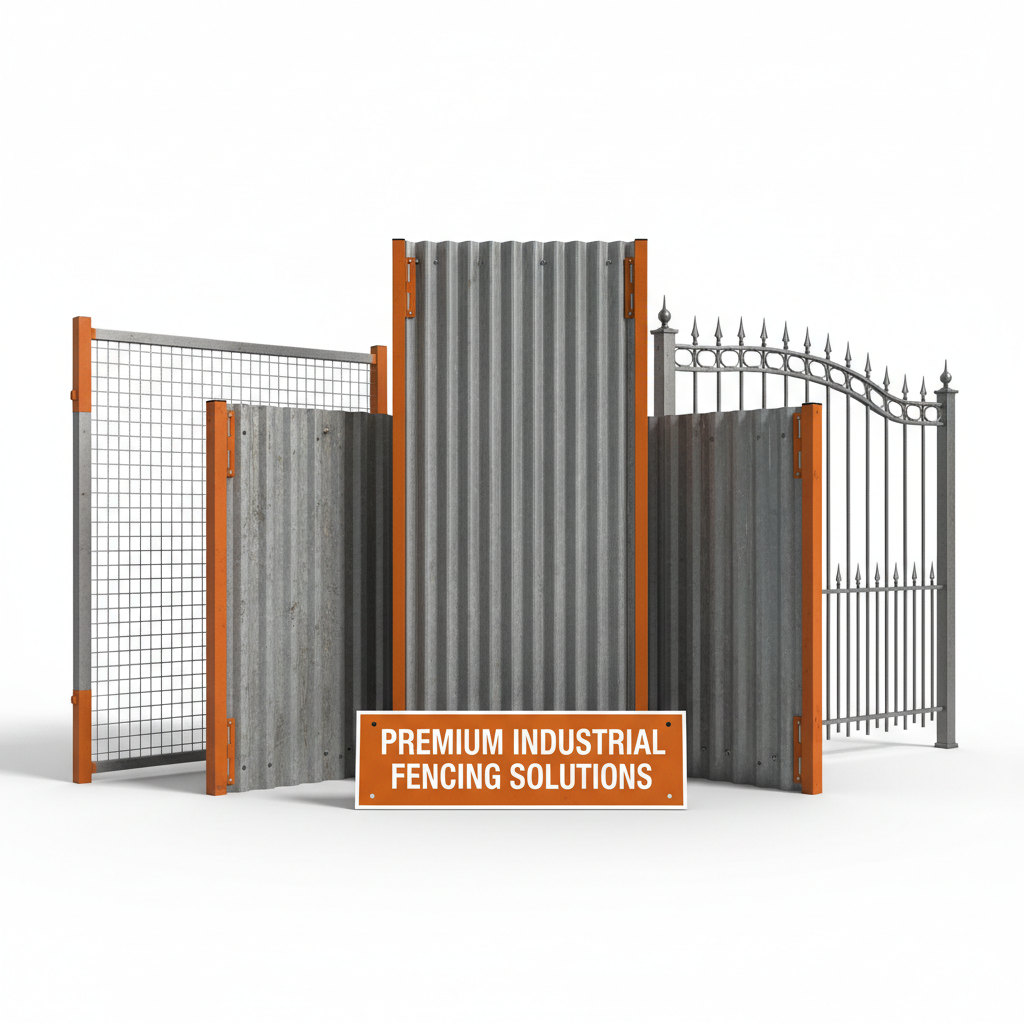
When it comes to securing perimeters with efficiency and longevity, metal fence panels stand as the gold standard for modern infrastructure. These prefabricated systems offer a seamless blend of structural rigidity and aesthetic versatility, making them indispensable for everything from residential gardens to high-security industrial complexes. By utilizing advanced metallurgy and coating technologies, these panels solve the age-old struggle between strength and susceptibility to corrosion.
The global shift toward modular construction has propelled the demand for high-quality metal fence panels, as they significantly reduce installation time and labor costs compared to traditional masonry or custom-built ironwork. In an era where urban density is increasing, the ability to quickly deploy a secure boundary that requires minimal maintenance is a critical advantage for property managers and urban planners alike.
Understanding the technical nuances of these systems—ranging from galvanized steel to PVC-coated welded mesh—allows buyers to make informed decisions based on their specific environmental challenges. Whether facing the salty air of coastal regions or the heavy-duty demands of a logistics hub, choosing the right configuration of panels ensures long-term value and peace of mind through enhanced security and durability.
Global Relevance and Industry Context of Metal Fence Panels
On a global scale, the deployment of metal fence panels has become a cornerstone of infrastructure security. According to industrial trends aligned with ISO quality standards, the transition from traditional wooden fencing to metal alternatives is driven by the need for longer lifecycles and lower carbon footprints associated with replacement. In rapidly developing urban centers across Asia and Africa, these panels provide the necessary speed of installation to keep pace with explosive growth.
However, the industry faces a constant challenge: balancing the high tensile strength required for security with the need for corrosion resistance in diverse climates. The global market has responded by innovating powder-coating and galvanization processes, ensuring that the perimeter solutions used in tropical humidity are as resilient as those in arid deserts. This evolution reflects a broader industrial commitment to sustainable, "install-and-forget" infrastructure.
Defining the Modern Standard of Metal Fence Panels
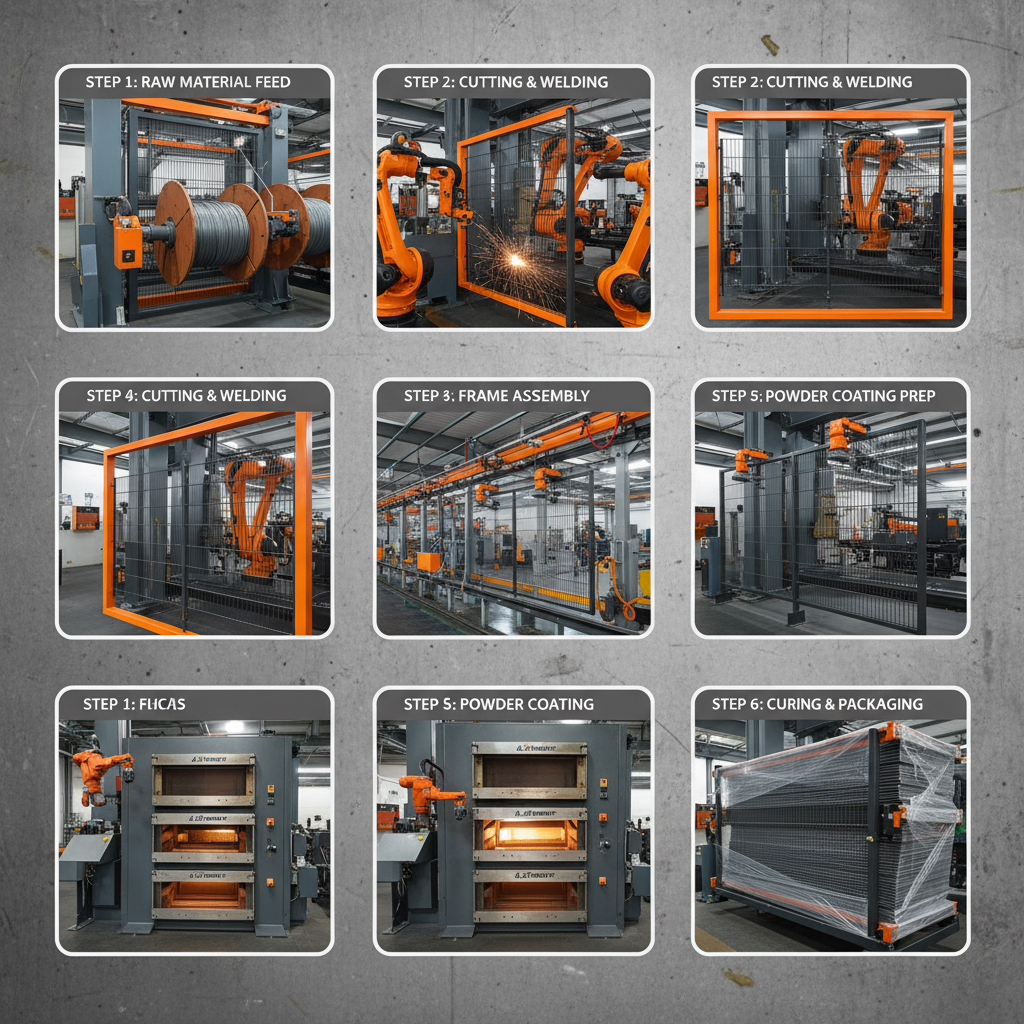
In simple terms, metal fence panels are prefabricated sections of fencing made from steel, aluminum, or wrought iron, designed to be connected to posts to create a continuous barrier. Unlike traditional rails, panels are manufactured in controlled factory environments, ensuring that every weld and coat is precise, which eliminates the inconsistencies often found in on-site fabrication.
From a modern industrial perspective, these panels are not just barriers but engineered systems. They integrate the physics of tension and load-bearing capacity to resist impact and intrusion. This makes them vital for humanitarian needs, such as securing refugee camps or protecting critical water infrastructure in remote areas, where reliability is a matter of safety and survival.
The versatility of these systems is further enhanced by various configurations, such as 3D panel fences or double wire mesh. These designs are tailored to specific security levels, allowing users to choose between a visually open "invisible" fence for residential gardens or a reinforced, anti-climb structure for high-risk industrial zones.
Core Components and Engineering Factors
The effectiveness of metal fence panels is primarily determined by their material composition and the treatment process. High-grade galvanized steel is the most common choice, providing a sacrificial layer of zinc that prevents the underlying iron from oxidizing. This fundamental chemical barrier is what allows these fences to survive decades of exposure to rain and pollutants.
Beyond the raw metal, the structural geometry—such as the "V" shape in 3D panels—plays a crucial role in scalability and strength. These folds increase the rigidity of the panel, preventing sagging over long spans and reducing the number of support posts required. This engineering nuance directly translates to cost efficiency for the end-user without compromising the integrity of the perimeter.
Lastly, the finishing layer, whether it be PVC coating or electrostatic powder coating, serves as both an aesthetic choice and a protective shield. In industrial settings, a thick PVC layer prevents the metal from reacting with harsh chemicals, while in residential areas, it allows for a variety of colors that blend with the natural landscape, proving that security does not have to come at the expense of beauty.
Practical Performance Metrics and Scalability
When evaluating the performance of different metal fence panels, professionals look at a combination of impact resistance, installation speed, and lifespan. Modular systems allow for rapid scalability; if a facility expands, additional panels can be integrated into the existing line without the need to rebuild the entire perimeter.
The following data illustrates how different panel types perform across key industry metrics, helping stakeholders choose the right system based on their specific priorities, whether it be maximum security or budget-friendly deployment.
Comparative Performance of Metal Fence Panel Systems
Global Applications and Use Cases
In real-world contexts, metal fence panels are deployed across a vast array of industries. In the energy sector, solar farms across the American Southwest use large-scale galvanized panels to protect millions of dollars in equipment from wildlife and unauthorized access, where the wind-permeable design prevents the fence from acting as a sail during storms.
Similarly, in post-disaster relief operations, lightweight but sturdy metal fencing is often used by NGOs to create organized zones for medical tents and supply depots. In remote industrial zones, such as mining sites in Australia or oil fields in the Middle East, heavy-duty security panels are the only viable option to withstand extreme temperature fluctuations and high-impact environments.
Long-Term Value and Sustainability Benefits
The long-term value of investing in premium metal fence panels extends far beyond the initial purchase price. From a logical standpoint, the reduction in maintenance costs is staggering; unlike wood, which rots, or vinyl, which can crack under UV exposure, treated metal remains stable for decades. This reliability creates a sense of trust and safety for property owners, knowing their boundaries are secure.
Sustainability is another critical angle. Metal is one of the most recyclable materials on earth. At the end of a fence's long lifecycle, the panels can be melted down and repurposed, contributing to a circular economy. This reduces the reliance on virgin ore mining and lowers the overall environmental impact of perimeter security.
Moreover, there is an emotional component to high-quality fencing. For a business, a clean, professional-looking metal perimeter signals stability and attention to detail. For a homeowner, it provides the dignity of a well-defined private space, combining the psychological comfort of safety with the innovative appeal of modern architecture.
Future Trends and Material Innovations
The future of metal fence panels is being shaped by the integration of "smart" materials and automation. We are seeing the emergence of sensors embedded directly into the panel frames, allowing for real-time intrusion detection that can alert security teams to the exact location of a breach. This digital transformation turns a passive barrier into an active security asset.
In terms of materials, the industry is moving toward hybrid composites and nano-coatings. These next-generation finishes are designed to be self-healing; small scratches in the paint that would normally lead to rust are filled in by the material's own chemical properties. Additionally, the push for "green" energy is leading to the use of steel produced in electric arc furnaces powered by renewable energy, further lowering the carbon footprint of the product.
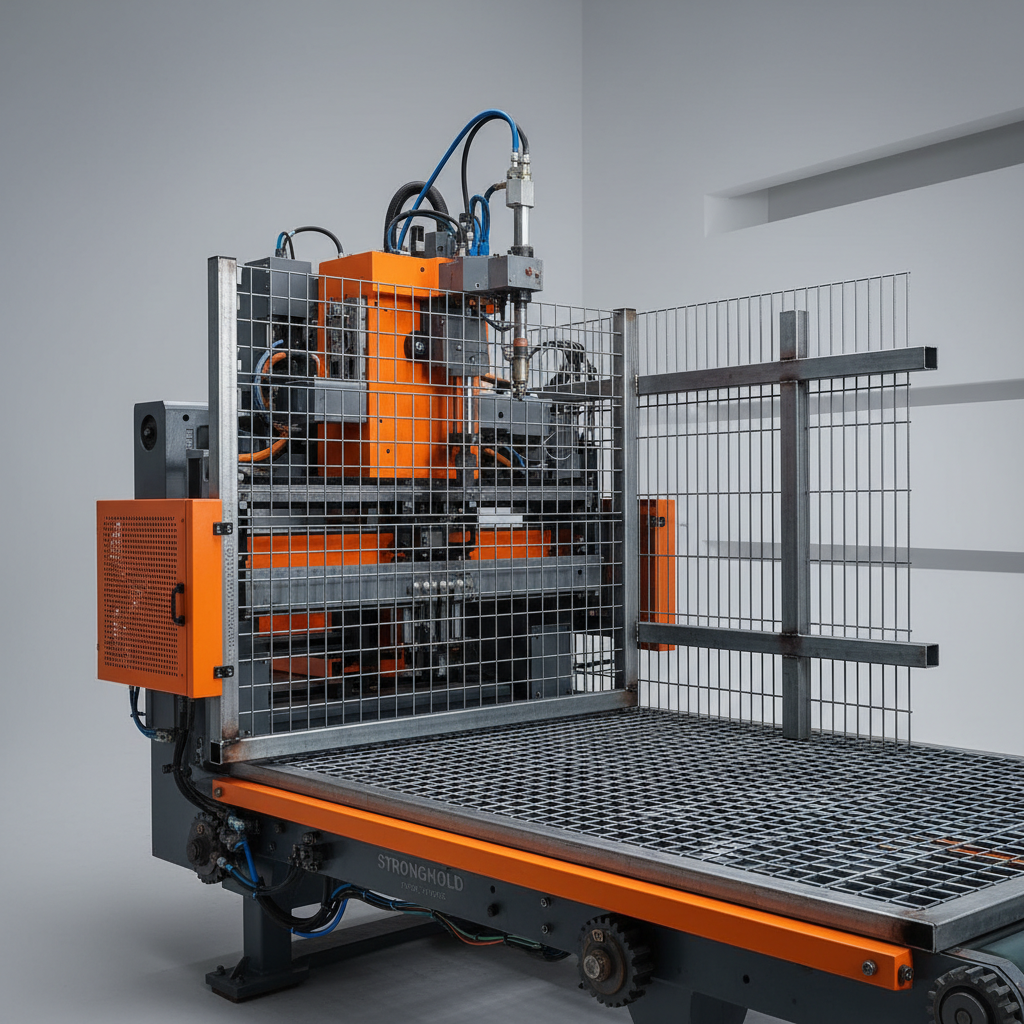
Automation in manufacturing, particularly through AI-driven robotic welding, is also ensuring that panels are more consistent than ever before. This means fewer errors during installation and a tighter fit between components, which increases the overall strength of the system.
Analysis of Material Performance and Application for Metal Fence Panels
| Panel Material |
Corrosion Resistance |
Installation Speed |
Typical Use Case |
| Galvanized Steel |
High |
Fast |
Industrial Warehouses |
| PVC Coated Mesh |
Very High |
Moderate |
Coastal Gardens |
| Powder Coated Alu |
Extreme |
Fast |
Modern Commercial Hubs |
| Wrought Iron |
Moderate |
Slow |
Luxury Estates |
| Double Wire Steel |
High |
Fast |
High-Security Prisons |
| Welded Wire Mesh |
Moderate |
Very Fast |
Agricultural Plots |
FAQS
Depending on the material and coating, most professional-grade metal fence panels last between 20 to 50 years. Galvanized steel with a PVC coating offers the highest longevity, especially in humid or salty environments, as it provides a double layer of protection against oxidation. Regular inspections for coating chips can extend this lifespan further.
While the initial purchase price of metal panels is often higher than wood, they are significantly cheaper over the long term. Wood requires frequent staining, sealing, and eventual replacement due to rot or pest infestation. Metal panels are virtually maintenance-free, meaning the "Total Cost of Ownership" is much lower over a 20-year period.
For high-security needs, we recommend Double Wire Panel Fences or specialized Security Mesh. These are designed with smaller apertures to prevent climbing and are constructed from thicker gauge steel to resist cutting and impact. When paired with reinforced posts, they create an formidable barrier against unauthorized entry.
Yes, metal fence panels can be installed on irregular terrain using a technique called "stepping." Instead of following the ground's contour perfectly, the panels are installed in a series of steps. Alternatively, for steep slopes, custom-cut panels or specific racking systems can be used to maintain a secure boundary without gaps.
Many modular systems are designed for ease of assembly, making them accessible for experienced DIYers. However, because the stability of the fence depends entirely on the posts being perfectly plumb and securely anchored in concrete, professional installation is recommended for long perimeters or high-security applications to ensure structural integrity.
To prevent rust on older panels, first sand down any existing oxidation to reveal the bare metal. Then, apply a zinc-rich cold galvanizing spray or a high-quality rust-inhibiting primer. Finish with a weather-resistant outdoor paint. For PVC-coated panels, simply patching the holes in the plastic coating with a specialized sealant can stop rust from starting.
Conclusion
In summary, metal fence panels represent the perfect intersection of industrial strength, modern aesthetics, and environmental sustainability. From the precision of factory-welded 3D designs to the impenetrable nature of double-wire security mesh, these systems provide a versatile solution for any perimeter challenge. By focusing on material quality and advanced coatings, property owners can ensure a boundary that is not only secure but also cost-effective over its entire lifecycle.
Looking forward, the integration of smart sensors and eco-friendly steel production will continue to redefine what we expect from our fencing. We suggest that businesses and homeowners prioritize the "total lifecycle value" over the initial cost, opting for galvanized or PVC-coated systems that stand the test of time. For premium perimeter solutions that combine durability with elegance, we invite you to explore our full range. Visit our website: www.hyliecfence.com