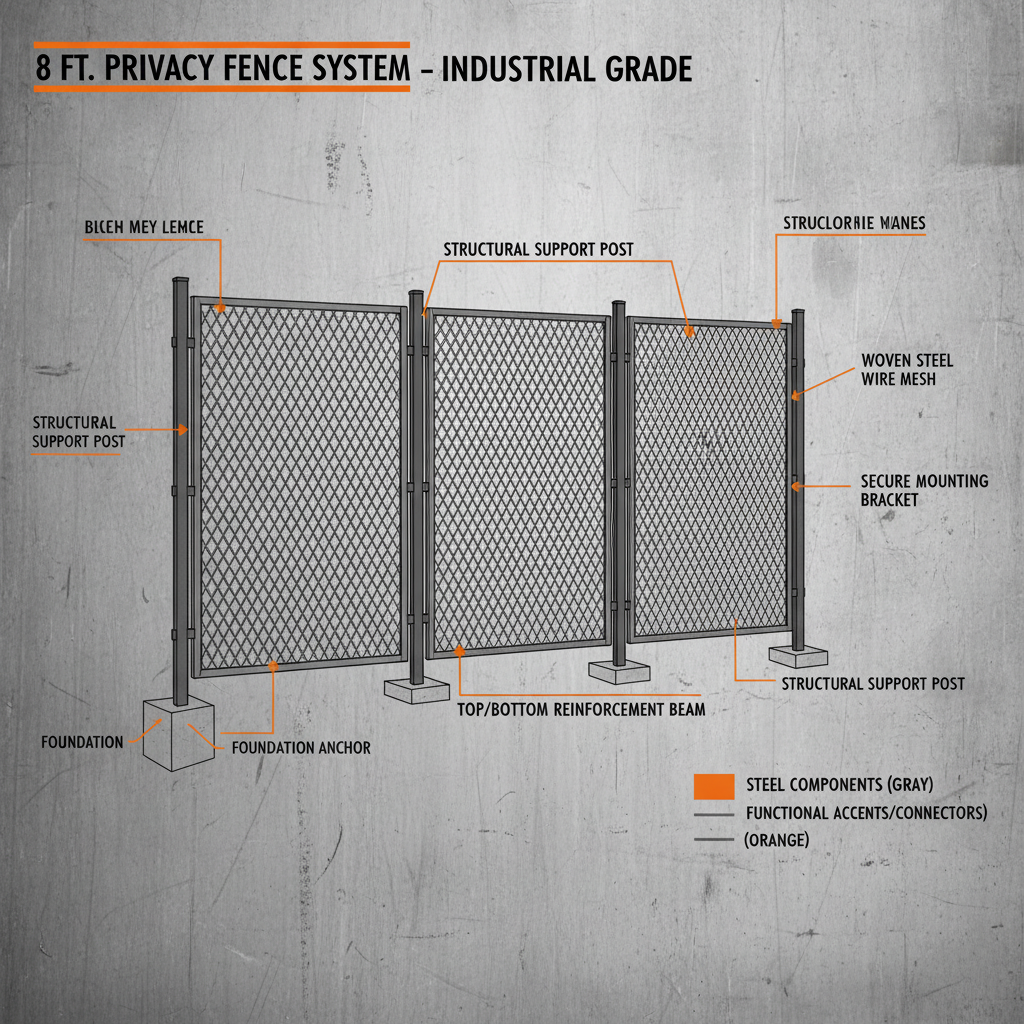
You know, I’ve been running around construction sites for fifteen years, and honestly, the biggest thing I’m seeing now is everyone wanting bigger, stronger… everything. It’s like a competition. 6x12 fence panels for sale are part of that. Everyone wants that extra bit of security, that little bit more peace of mind. But chasing just size and strength? That can be a trap.
Have you noticed how many folks just assume bigger equals better? It rarely is. It’s about the right material, the right design. I was at a factory in Ningbo last time, and they were pumping out these massive panels, looked impressive. But the galvanizing was thin, the weld points were dodgy. They’d fail after a couple of seasons. Pointless.
And that's where things get interesting with 6x12 fence panels for sale.
The Current Trends in 6x12 Fence Panel Construction
Honestly, the big push right now is composite materials. People are getting tired of wood rotting, metal rusting. They want something that looks good for longer without constant maintenance. Polyvinyl Chloride (PVC) and wood-plastic composites are huge, even if they sometimes smell a little… plasticky on a hot day.
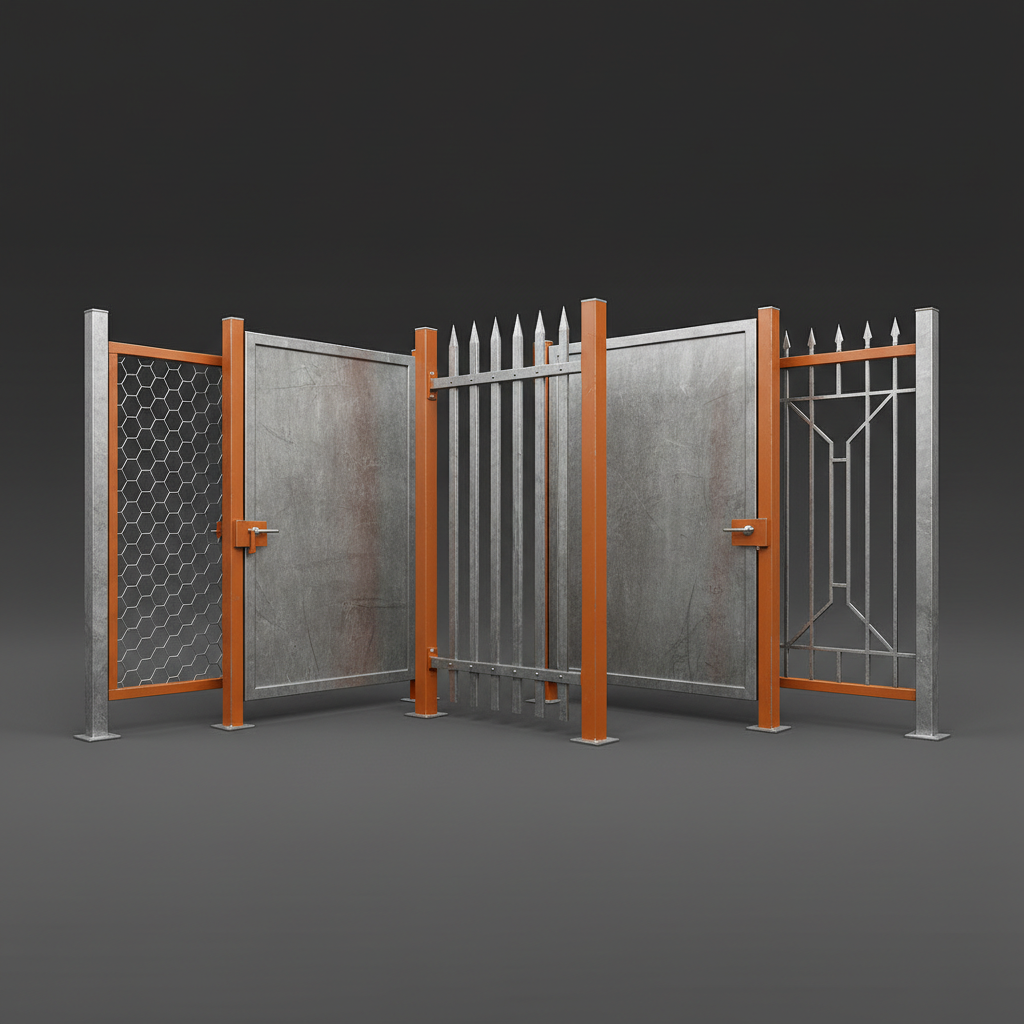
It’s a trade-off, you know? You lose some of that “natural” look, but you gain durability. Strangely, I also see a resurgence in demand for heavier gauge steel panels. Seems folks are leaning towards security over aesthetics in certain areas. It's a weird mix.
Design Pitfalls: What to Watch Out For
Now, design. This is where things get tricky. I’ve seen so many panels with beautiful designs that fall apart because the internal bracing is weak. It’s all about load distribution. A fancy picket style is useless if the rails are flimsy.
Another big one is neglecting the post spacing. Too wide, and the panels will sag. Too narrow, and you're wasting material and labor. People often underestimate how much wind load a fence needs to handle. A big gust of wind can turn a pretty fence into a pile of rubble if it’s not properly engineered.
And don’t even get me started on those 'quick-install' systems that rely on plastic clips. They look good on paper, but I’ve seen them snap in the first hard freeze.
Material Matters: A Hands-On Perspective
Let's talk materials. Steel, of course, is the classic. But the quality varies wildly. You can smell the difference, honestly. Good steel has a distinct metallic scent, a bit oily. Cheap steel smells...thin. Like it'll rust before your eyes.
Then you’ve got wood. Pressure-treated pine is standard, but it’s still susceptible to warping and splitting. Cedar is a good option, smells fantastic, but it’s pricey. Composite materials are…well, they feel like plastic. Some are better than others, though. The higher-end ones feel denser, more substantial. I had a guy show me one last week that felt like solid stone.
I always tell guys on site, if you can easily dent it with your fingernail, it’s not good enough for a fence.
Real-World Testing: Beyond the Lab
Lab tests are fine, but they don't tell the whole story. You need to see how these 6x12 fence panels for sale hold up in real conditions. I’ve started having our suppliers send panels to a site near the coast. Salt spray, harsh sun, heavy winds – that’s a proper test.
I also like to see how well they stand up to accidental impacts. A kid running a bike into it, a car backing up, that sort of thing. It's not scientific, but it’s realistic. We put them through the paces, beat them up a bit, and see what breaks.
We also check for UV resistance. A faded fence looks terrible after just a couple of years.
6x12 Fence Panel Performance Metrics
How Customers Actually Use 6x12 Fence Panels
You’d think people just use 6x12 fence panels for sale to keep things in or out, right? But it’s more nuanced. I’ve seen folks using them to create privacy screens, define outdoor living spaces, even as decorative elements in gardens.
I've seen people build little lean-tos using them as the back wall. They're surprisingly versatile. It's rarely what the designer intended, mind you. They tend to get creative.
The Upsides (and Downsides) of 6x12 Panels
Okay, the good stuff. 6x12 fence panels for sale offer a good balance between coverage and ease of installation. They're large enough to cover a decent area quickly, but not so large that they're unwieldy. They're also relatively affordable, especially compared to custom-built fences.
The downsides? They can be a pain to transport. And the standard sizes don't always fit perfectly, which means you end up with awkward gaps or needing to do a lot of cutting. The biggest issue, though, is that they can look… generic. You don’t get a lot of personality. And let’s be honest, if you cheap out on the materials, they won’t last.
Anyway, I think the sweet spot is a galvanized steel frame with composite infill. It gives you strength and durability without the maintenance headaches.
Customization Options & A Shenzhen Story
Customization? Sure, you can get different colors, different picket styles, different heights. But major changes can get expensive quickly. I had a guy last month, a small boss in Shenzhen making smart home devices, insisted on changing the interface to . The whole fence system was designed around standard bolts, and he wanted everything modular, all USB-C compatible.
It sounded good on paper, but it added weeks to the production time and doubled the cost. He ended up scaling it back, thank goodness. Later…forget it, I won’t mention it. The point is, think carefully before you start making changes.
We can do custom powder coating, though. That’s relatively straightforward. And we can adjust the picket spacing to meet specific requirements.
Summary of Key Customization Considerations
| Customization Type |
Complexity |
Cost Impact |
Lead Time Impact |
| Color Change (Powder Coating) |
Low |
Minor |
1-2 Weeks |
| Picket Spacing Adjustment |
Medium |
Moderate |
2-3 Weeks |
| Frame Material Change |
High |
Significant |
4+ Weeks |
| Panel Height Modification |
Medium |
Moderate |
2-3 Weeks |
| Interface Component Change (e.g., USB-C) |
Very High |
Very Significant |
8+ Weeks |
| Custom Picket Design |
High |
Significant |
4+ Weeks |
FAQS
Honestly, keep it simple. Soap and water usually does the trick. Avoid harsh chemicals or pressure washers, as they can damage the surface. A good scrub with a brush and a garden hose is usually enough to remove dirt and grime. I’ve seen guys use a mild detergent, but always test it in an inconspicuous area first. You don’t want to end up with a faded or streaky fence.
That depends entirely on the climate and how well it's maintained. Pressure-treated pine, properly sealed, might last 10-15 years. Cedar, even better, maybe 20. But neglect it – let the sealant wear off, let water pool around the base – and you're looking at half that time. Regular staining or painting is key. And even then, wood will eventually rot. It’s just the nature of the beast.
Relatively. They’re not rocket science. But you still need a level, a post hole digger, and a bit of elbow grease. Getting the posts plumb and properly spaced is the trickiest part. If you’re not comfortable with that, it’s best to hire a professional. A crooked fence is a pain to look at, and it won't last as long. I’ve seen too many DIY jobs that end up costing more in the long run.
Good quality exterior screws are your friend. Don’t skimp on them. And use plenty of them. I recommend at least three screws per rail per post. Also, consider using metal brackets for added strength, especially in windy areas. And make sure the screws are properly countersunk so they don’t snag clothing or cause injuries. Safety first, always.
Galvanizing is a zinc coating that protects the steel from rust. It’s a good basic level of protection. Powder coating is a colored plastic coating that’s applied over the galvanized steel. It provides an extra layer of protection and a more aesthetically pleasing finish. Powder coating is more expensive, but it’s worth it if you want a fence that looks good and lasts a long time.
You can, but it's generally not a good idea. Different materials expand and contract at different rates, which can cause stress on the fence and lead to warping or cracking. It’s better to stick with one type of material for the entire fence line. If you really want to mix things up, consider using a transition panel to bridge the gap between the different materials.
Conclusion
Ultimately, 6x12 fence panels for sale are a solid choice for a lot of folks. They offer a good balance of cost, durability, and ease of installation. But it's not a one-size-fits-all solution. You need to consider your climate, your budget, and your aesthetic preferences. And you need to choose quality materials and proper installation techniques.
But honestly, whether this thing works or not, the worker will know the moment he tightens the screw. That’s all there is to it. You can talk about specifications and warranties all day long, but the real test is how it feels in your hands and how it holds up over time. And that's where experience counts.