Different types of garden fence panels are a crucial element in modern landscaping, offering a blend of security, aesthetics, and privacy for residential and commercial properties. Globally, the demand for these panels is steadily increasing, driven by factors such as growing urbanization, rising disposable incomes, and an increasing emphasis on outdoor living spaces. The market is diverse, ranging from traditional timber fencing to modern composite materials, catering to a broad spectrum of tastes and budgets. Understanding the various options available is key to making an informed decision that suits individual needs and preferences.
The construction and landscaping industries rely heavily on different types of garden fence panels. Data from the UN estimates that global construction expenditure will reach $17.5 trillion by 2030, with a significant portion allocated to residential projects including boundary solutions. The rising need for secure and aesthetically pleasing perimeter solutions, particularly in densely populated urban areas, fuels this demand. The challenge lies in balancing cost-effectiveness with durability and sustainability, which is driving innovation in materials and manufacturing processes.
Furthermore, the rise of "staycations" and increased focus on home improvement during recent global events has dramatically increased the demand for high-quality garden fence panels. This demand is not limited to developed nations; emerging markets are also experiencing significant growth in the residential construction sector, creating new opportunities for fence panel manufacturers and suppliers.
Introduction to different types of garden fence panels
Different types of garden fence panels serve as more than just boundary markers; they are integral components of landscape design, security systems, and property value enhancement. The choice of panel type significantly impacts the overall aesthetic, privacy level, and longevity of a garden or property. From the rustic charm of traditional wooden panels to the sleek modernity of composite and metal options, the variety available allows homeowners and businesses to tailor their fencing solutions to specific needs and preferences.
The versatility of different types of garden fence panels stems from the diverse range of materials and construction techniques employed. Factors like climate, maintenance requirements, and budget all play a critical role in determining the most suitable option. Understanding these nuances empowers informed decision-making and ensures a lasting investment.
Defining Different Types of Garden Fence Panels
Different types of garden fence panels encompass a wide array of designs and materials, each offering unique characteristics. Traditionally, timber panels – constructed from materials like softwood (pine, spruce) or hardwood (oak, cedar) – have been the most common choice. These panels often feature overlapping boards (lap panels), close-boarded designs for enhanced privacy, or decorative panels with intricate patterns. However, modern alternatives are gaining popularity.
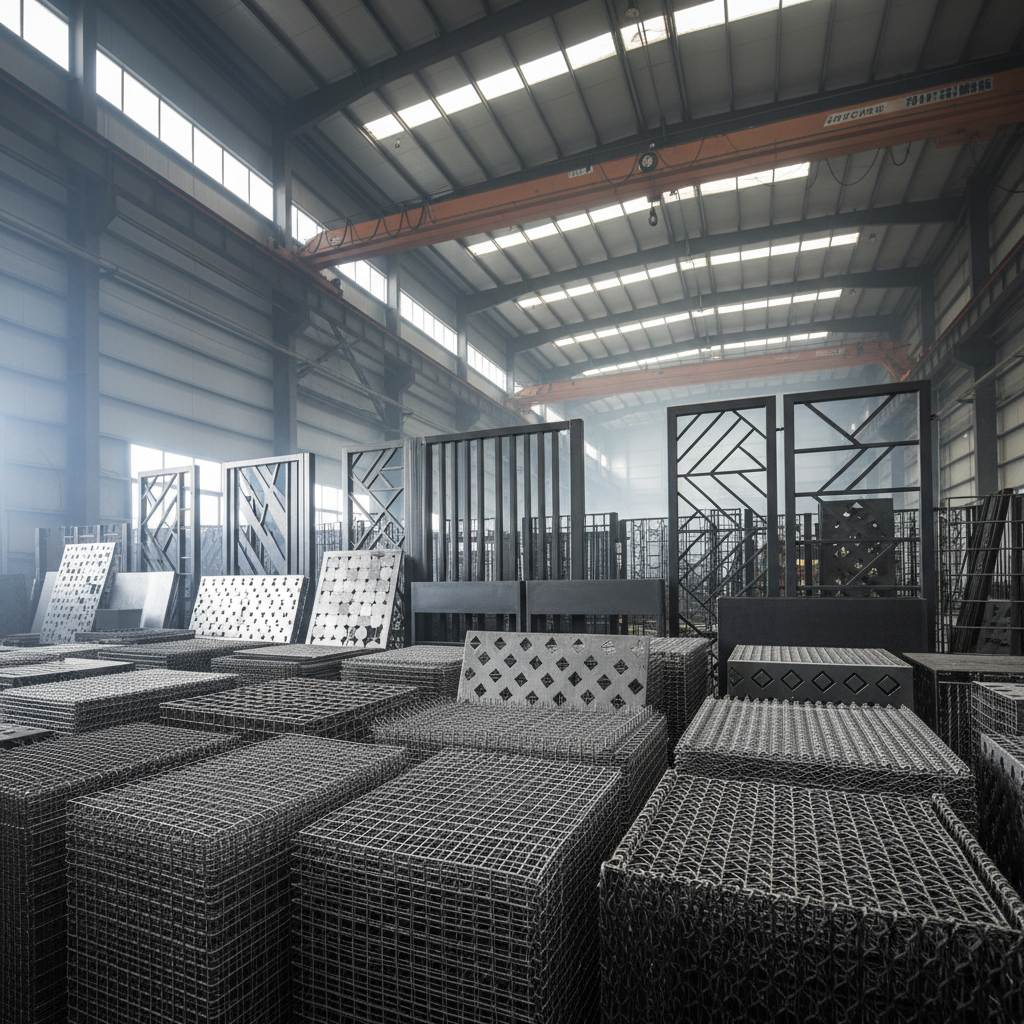
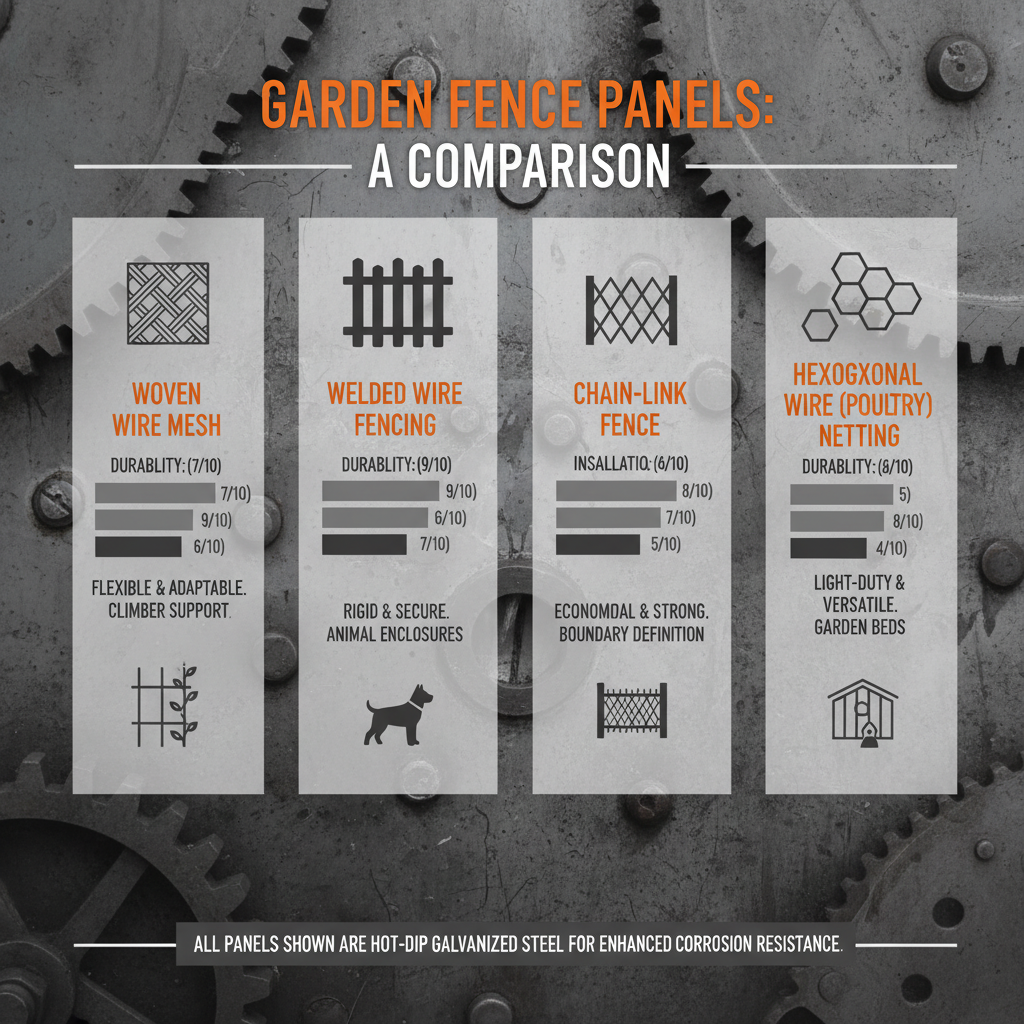
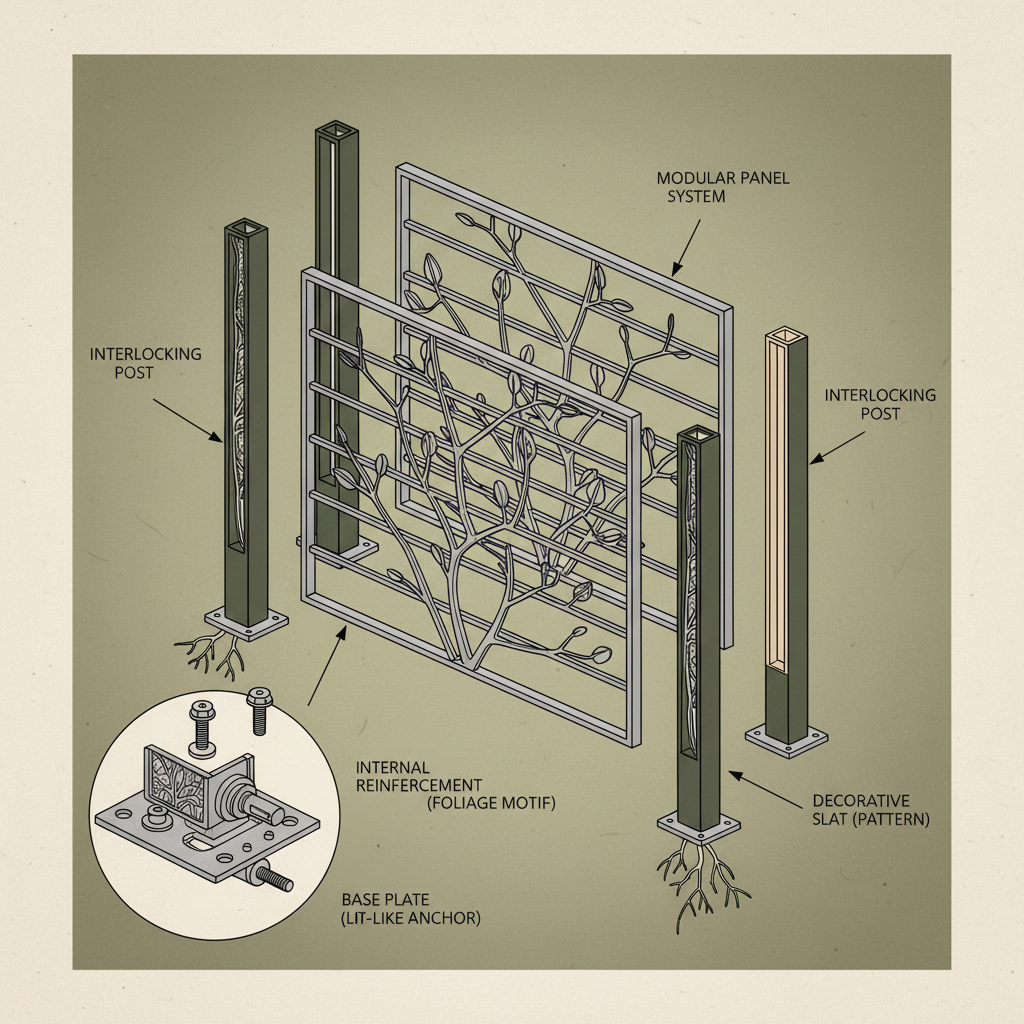
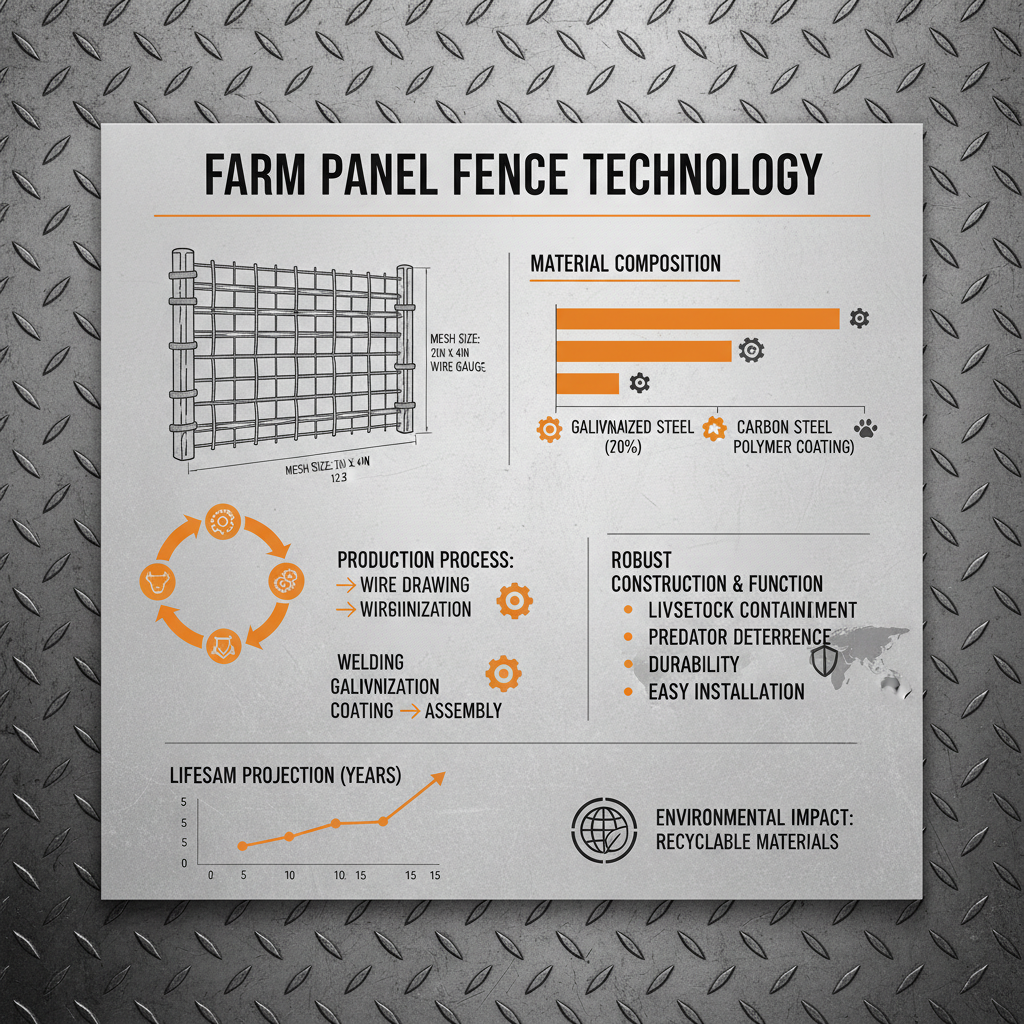
Composite fence panels, made from a blend of wood fibers and recycled plastics, offer superior durability and require minimal maintenance compared to timber. Metal fence panels, typically crafted from aluminum or steel, provide robust security and a contemporary aesthetic. WPC (Wood Plastic Composite) panels offer a middle ground, combining the visual appeal of wood with the low maintenance of plastic. Finally, woven or welded wire mesh panels can provide security with a lighter visual impact, often used for agricultural or pet enclosure purposes.
Essentially, defining different types of garden fence panels isn’t just about materials; it’s about the balance between cost, longevity, appearance, and the specific needs of the user. This range allows for customized solutions for diverse landscaping projects.
Key Factors Influencing Fence Panel Selection
Several key factors influence the selection of different types of garden fence panels. Durability is paramount, particularly in regions with harsh weather conditions. The lifespan of a panel is directly correlated to the material used – composite and metal panels generally outperform timber in terms of resistance to rot, decay, and insect infestation.
Cost-Effectiveness is another crucial consideration. While timber panels are often the most affordable upfront, the long-term costs associated with maintenance and replacement can make composite or metal options a more economical choice. Aesthetics play a significant role, with homeowners selecting panels that complement their property’s style and landscaping. Privacy is a concern for many, influencing the choice between solid close-boarded panels and those with gaps or decorative cutouts.
Furthermore, maintenance requirements vary considerably. Timber panels require regular painting or staining to protect them from the elements, while composite and metal panels typically only need occasional cleaning. Finally, security needs influence material choice; metal options are generally the most secure, while woven wire mesh offers minimal security but excellent visibility.
Global Applications of Garden Fence Panels
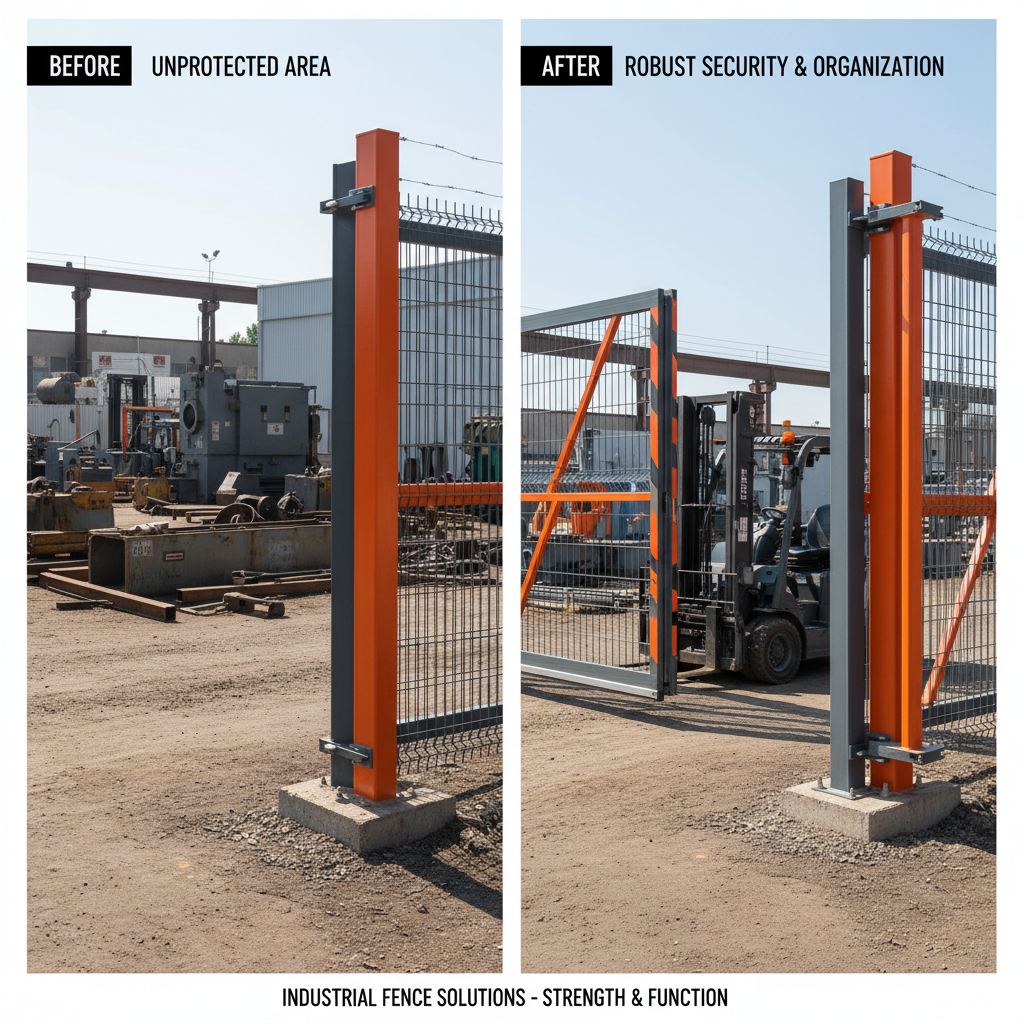
The application of different types of garden fence panels spans a broad spectrum of contexts globally. In residential areas, they are predominantly used to define property boundaries, enhance privacy, and create visually appealing outdoor spaces. In commercial settings, such as industrial estates and business parks, fence panels provide security, delineate zones, and control access.
Agricultural applications often utilize woven wire mesh or robust timber panels for livestock containment and crop protection. In post-disaster relief operations, temporary fencing, often utilizing readily available materials and portable panels, is crucial for establishing secure perimeters and managing resources.
Across Europe, there's a growing trend toward sustainable fencing solutions, driving demand for composite panels made from recycled materials. In North America, decorative metal panels are popular for their aesthetic appeal and low maintenance. In Asia-Pacific, cost-effective timber and bamboo fencing remain prevalent, while increasing urbanization is driving demand for more durable and secure options.
Comparative Durability of Different Types of Garden Fence Panels
Advantages and Long-Term Value
Investing in quality different types of garden fence panels delivers numerous advantages beyond initial aesthetics. From a cost perspective, while some materials have a higher upfront investment, their longevity and reduced maintenance needs translate to significant long-term savings. Composite and metal panels, for instance, eliminate the ongoing expenses associated with timber staining and repairs.
From a sustainability standpoint, choosing recycled composite materials or sustainably sourced timber contributes to environmental responsibility. The improved security offered by robust metal or close-boarded panels provides peace of mind and enhances property protection. The added privacy creates a more comfortable and enjoyable living space. Ultimately, a well-chosen fence adds value to a property, increasing its curb appeal and potential resale value.
Future Trends in Garden Fence Panel Technology
The future of different types of garden fence panels is poised for innovation, driven by advancements in materials science and sustainable practices. There's a growing focus on "smart fencing" – integrating technology like sensors and automation for enhanced security and functionality. These systems could include motion detection, remote access control, and even integrated lighting.
Biodegradable composite materials, utilizing plant-based polymers, are emerging as eco-friendly alternatives to traditional plastics. Self-healing coatings for metal panels are being developed to minimize maintenance and extend lifespan. Furthermore, 3D printing technology may enable customized fence designs and on-demand production, reducing waste and improving efficiency.
Challenges and Innovative Solutions
Despite advancements, challenges remain in the different types of garden fence panels industry. One key concern is the environmental impact of manufacturing processes and material sourcing. The use of virgin plastics in composite panels, for example, raises sustainability questions. Another challenge is the vulnerability of timber panels to weather damage and insect infestation, requiring ongoing maintenance.
Innovative solutions are addressing these issues. Companies are investing in closed-loop recycling systems to repurpose plastic waste into composite panels. Developing bio-based polymers for composite materials reduces reliance on fossil fuels. Enhanced wood preservatives and treatments are improving the durability of timber panels, minimizing maintenance requirements.
Finally, exploring alternative materials like bamboo, a rapidly renewable resource, offers a sustainable and aesthetically pleasing option for fencing. By addressing these challenges, the industry can move towards more environmentally responsible and durable fencing solutions.
Summary of Key Attributes for Effective Fence Panel Selection
| Material Type |
Durability Score (1-10) |
Maintenance Level |
Typical Cost (per linear foot) |
| Timber (Pine) |
5 |
High |
$8 - $15 |
| Timber (Cedar) |
7 |
Medium |
$15 - $25 |
| Composite (Wood/Plastic) |
8 |
Low |
$20 - $35 |
| Metal (Aluminum) |
9 |
Very Low |
$25 - $40 |
| Metal (Steel) |
10 |
Low |
$30 - $50 |
| WPC (Wood Plastic Composite) |
7.5 |
Low |
$18 - $30 |
FAQS
Timber fence panels are traditionally more affordable upfront but require regular maintenance like staining and are susceptible to rot and insect damage. Composite panels, made from wood fibers and recycled plastics, are more durable, require minimal maintenance, and resist rot and insects, but generally have a higher initial cost. Ultimately, the best choice depends on your budget, maintenance preferences, and desired lifespan.
The lifespan of a fence panel varies greatly by material. Timber panels typically last 10-15 years with proper maintenance. Composite panels can last 20-30 years, and metal panels (aluminum or steel) can last 25 years or more. Factors like climate, quality of materials, and installation also influence longevity.
While composite panels utilize recycled plastics, their environmental impact depends on the source and composition. Panels made with a high percentage of recycled content and responsibly sourced wood fibers are more eco-friendly. Look for certifications like FSC (Forest Stewardship Council) to ensure sustainable sourcing.
For maximum privacy, close-boarded timber panels or solid composite panels are ideal. These panels have no gaps between the boards, providing a complete visual barrier. The height of the panel also contributes to privacy levels. Consider local regulations regarding fence height restrictions.
Installation costs vary depending on the panel type, fence length, site conditions, and labor rates. Generally, timber panels are the least expensive to install, while metal panels are the most expensive. Expect to pay between $10-$30 per linear foot for professional installation, including materials and labor.
Timber panels require regular staining or painting (every 1-3 years) to protect against the elements. Composite panels need minimal maintenance – occasional cleaning with soap and water is usually sufficient. Metal panels also require minimal maintenance, but may need occasional cleaning and touch-up paint if scratched.
Conclusion
Different types of garden fence panels offer a diverse range of solutions for enhancing property security, privacy, and aesthetics. Understanding the key factors influencing panel selection – durability, cost-effectiveness, maintenance, and environmental impact – is crucial for making an informed decision. From traditional timber to modern composites and robust metals, the options available cater to a wide spectrum of needs and preferences.
Looking ahead, the future of garden fencing lies in sustainable materials, smart technologies, and innovative designs. By embracing these advancements, the industry can deliver more durable, environmentally responsible, and aesthetically pleasing fencing solutions. For expert advice and a wide selection of high-quality garden fence panels, visit our website: different types of garden fence panels.