The demand for efficient and reliable perimeter security solutions is constantly growing, driven by factors such as increasing urbanization, infrastructure development, and a heightened focus on safety and security. bulk buy fence panels offer a cost-effective and scalable solution to meet these diverse needs. Understanding the benefits and applications of bulk fence panel procurement is crucial for project managers, contractors, and organizations seeking to optimize their security investments.
Globally, the fence and barrier market is a multi-billion dollar industry, with a significant portion attributed to large-scale projects and ongoing maintenance. The ability to bulk buy fence panels provides logistical advantages, reduced lead times, and improved budgetary control for projects ranging from residential developments to industrial complexes and critical infrastructure protection.
Furthermore, sourcing fence panels in bulk can contribute to sustainability efforts by streamlining supply chains and reducing transportation emissions. Efficient procurement strategies are increasingly important in a world that demands both security and environmental responsibility.
Introduction to bulk buy fence panels
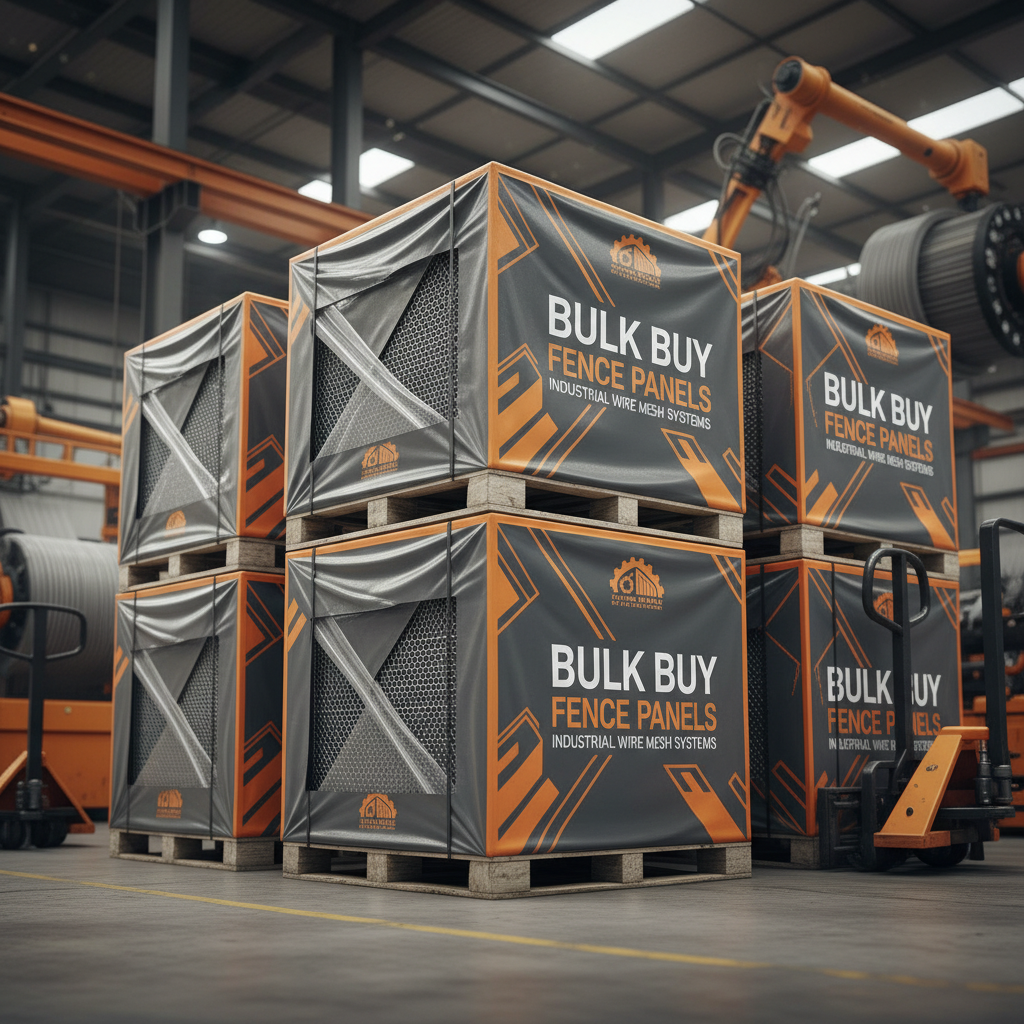
Bulk buy fence panels refers to the procurement of a large quantity of fencing materials, typically directly from manufacturers or wholesale distributors, to achieve cost savings and logistical efficiencies. This approach is particularly beneficial for large-scale projects requiring significant fencing coverage.
The practice of buying fence panels in bulk is increasingly prevalent across various sectors, including construction, agriculture, industrial security, and event management. Understanding the nuances of bulk purchasing, including material options, shipping considerations, and potential discounts, is essential for maximizing return on investment.
Defining bulk buy fence panels
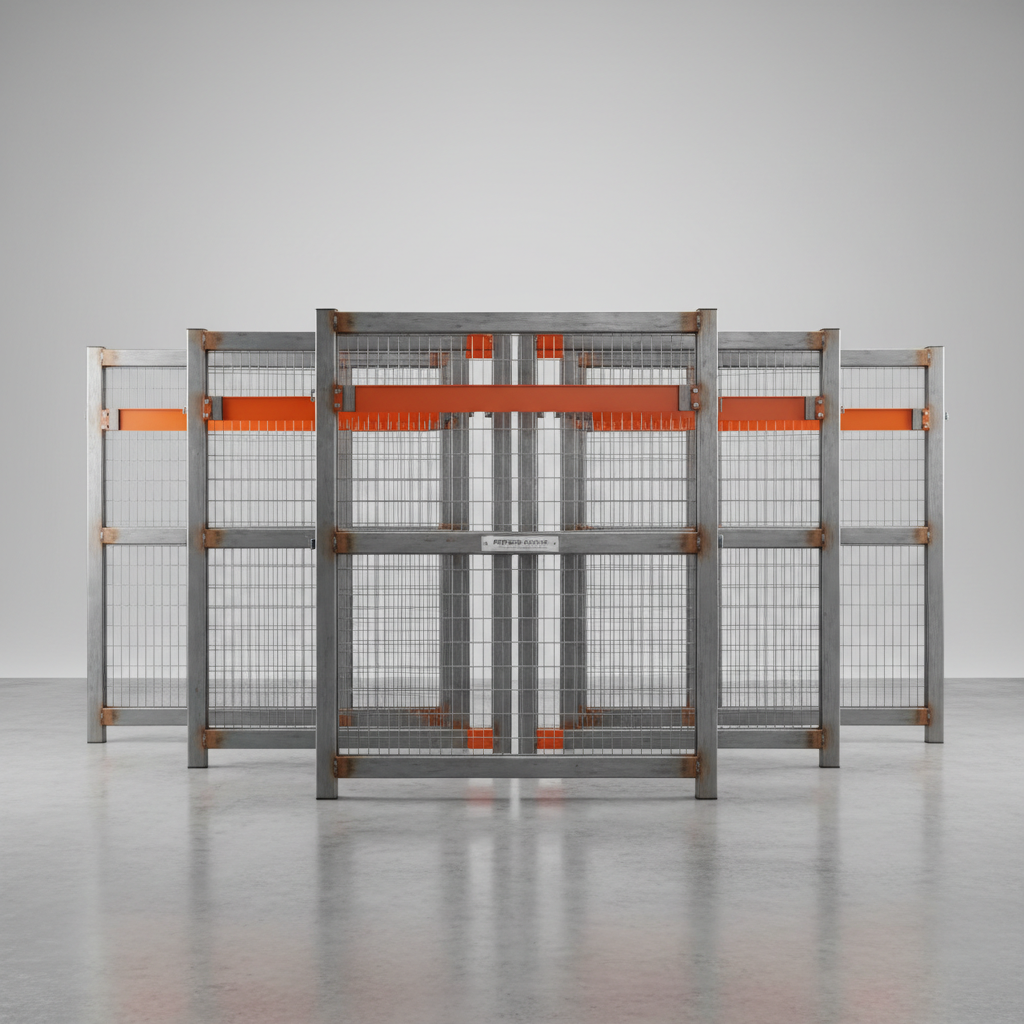
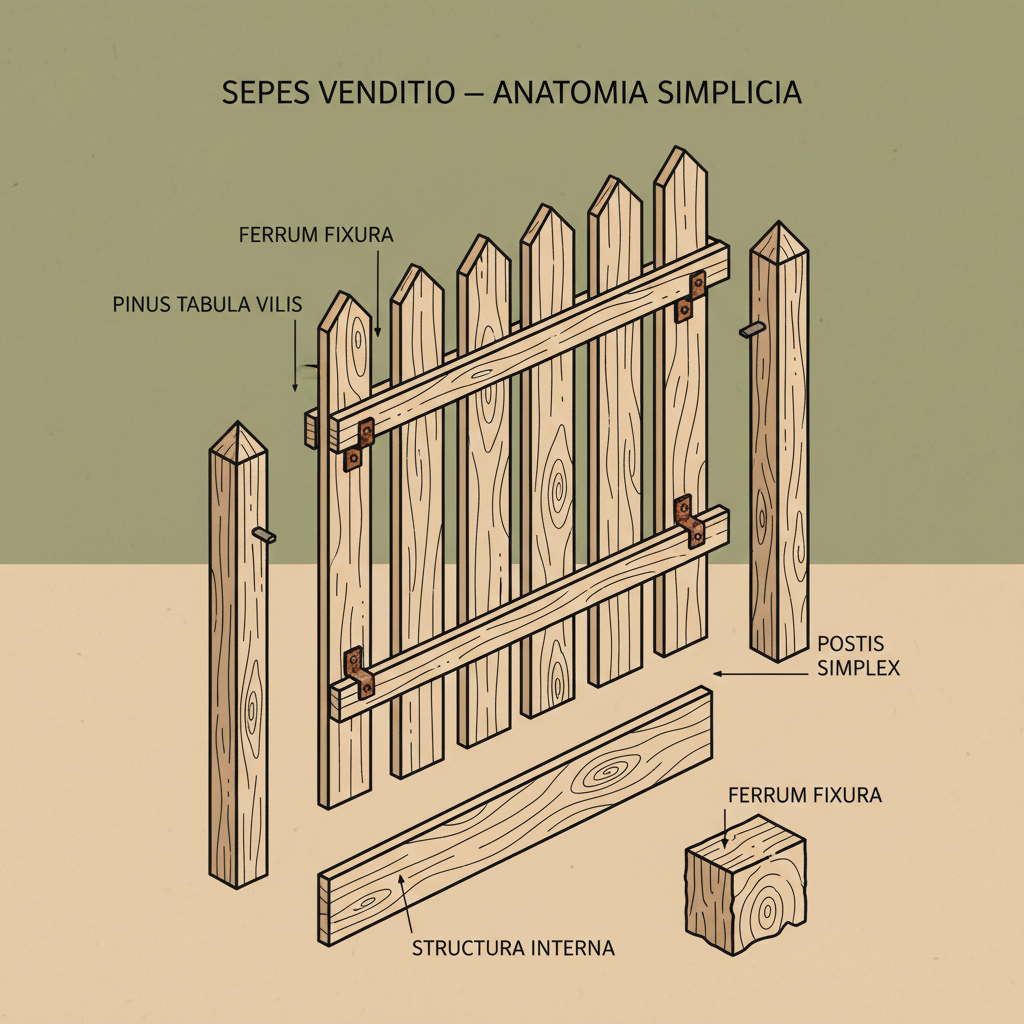
At its core, bulk buy fence panels involves purchasing a substantial volume of fencing materials – typically exceeding standard retail quantities – at a negotiated price. This quantity often qualifies buyers for discounts that wouldn't be available for smaller orders. Panels can come in a wide range of materials, including wood, vinyl, metal (steel, aluminum, wrought iron), and composite materials, each suited to different applications.
This practice isn’t merely about quantity; it’s about streamlining project logistics. Securing a large supply upfront minimizes the risk of material shortages, delays in project timelines, and the need for multiple deliveries, which can add significant costs.
Bulk purchasing is directly tied to modern supply chain management and is frequently employed to keep large-scale construction, infrastructure, and agricultural projects on schedule and within budget. It connects directly to the need for efficient resource allocation in various industries.
Key Factors of bulk buy fence panels
Durability: The lifespan and resilience of fence panels are paramount, particularly for long-term security applications. Materials like treated wood, vinyl, and galvanized steel offer excellent resistance to weathering, corrosion, and physical damage. Choosing a durable material reduces the frequency of replacements and lowers lifecycle costs.
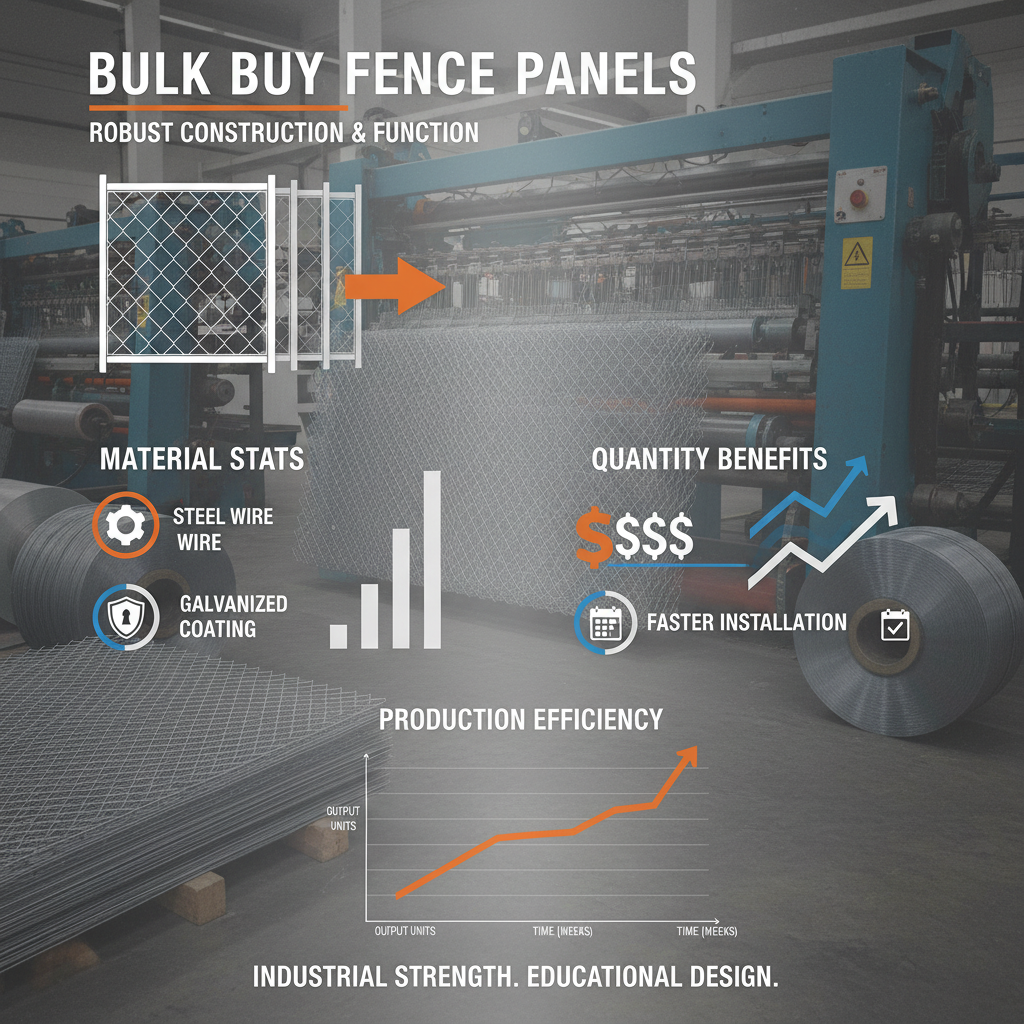
Cost Efficiency: While the initial investment for bulk buy fence panels can be substantial, the per-unit cost is significantly lower than purchasing smaller quantities. This translates into significant savings on large projects. Negotiating favorable terms with suppliers and exploring volume discounts are crucial for maximizing cost efficiency.
Scalability: The ability to easily expand or modify a fence system is essential for adapting to changing needs. Modular fence panels offer excellent scalability, allowing for quick and straightforward additions or alterations. This is particularly important for growing businesses or dynamic security environments.
Applications of bulk buy fence panels
Bulk buy fence panels are widely used in residential developments, providing perimeter security and aesthetic appeal for individual properties or entire communities. Large housing developments often benefit substantially from bulk purchasing arrangements.
In the agricultural sector, bulk fence panels are essential for containing livestock, protecting crops from wildlife, and delineating property boundaries. Ranchers and farmers rely on durable and cost-effective fencing solutions to manage their operations efficiently.
Industrial facilities and commercial properties utilize bulk fencing for security, safety, and privacy. From securing warehouses to enclosing construction sites, large-scale fencing projects are common in these environments. Furthermore, in post-disaster relief operations, quickly deployable fencing can establish temporary perimeters for safety and security.
Comparison of bulk buy fence panels Materials
Advantages of bulk buy fence panels
The primary benefit of purchasing bulk fence panels is, undeniably, cost reduction. Larger orders qualify for substantial discounts that can significantly impact project budgets. This is especially vital for extensive perimeter security projects or large-scale construction sites.
Beyond cost savings, bulk buying streamlines logistics. Fewer shipments mean reduced transportation costs, less handling, and minimized delays, leading to a faster project completion timeline and a more efficient workflow.
Future Trends in bulk buy fence panels
The industry is witnessing a growing demand for sustainable fencing materials. Recycled plastics and responsibly sourced wood are gaining popularity, driven by environmental concerns and a desire for eco-friendly solutions.
Smart fencing technologies, incorporating sensors and connectivity, are emerging as a future trend. These systems can provide real-time security monitoring, intrusion detection, and remote access control. Digital integration will play a critical role in advancing fence panel functionality.
Automation in manufacturing and logistics is also expected to further reduce costs and improve efficiency in the bulk buy fence panels supply chain.
Challenges & Solutions for bulk buy fence panels
One significant challenge is managing inventory and storage for large volumes of fence panels. Proper storage facilities and efficient inventory management systems are essential to prevent damage, theft, and material waste.
Shipping costs can also be a substantial hurdle, particularly for long-distance deliveries. Negotiating favorable freight rates and optimizing transportation routes are crucial for minimizing expenses.
Maintaining consistent quality across a large order is another concern. Thorough quality control inspections and clear communication with suppliers are necessary to ensure that all panels meet specified standards.
Summary of Challenges and Corresponding Solutions for bulk buy fence panels Procurement
| Challenge |
Impact on Project |
Solution |
Implementation Cost (1-10) |
| Large Inventory Storage |
Increased risk of damage and theft |
Secure warehousing and inventory tracking system |
6 |
| High Shipping Costs |
Reduced overall project profitability |
Negotiate freight rates and optimize routes |
4 |
| Quality Control Issues |
Potential for defective materials |
Thorough inspection process |
7 |
| Lead Time Variability |
Project delays and disruptions |
Maintain buffer stock and establish contingency plans |
5 |
| Supplier Reliability |
Supply chain disruptions |
Diversify suppliers and build strong relationships |
8 |
| Material Compatibility |
Inconsistencies in color and finish |
Ensure consistent material specifications |
3 |
FAQS
Lead times can vary significantly depending on the materials, quantities ordered, and the supplier's production capacity. Generally, expect a lead time of 4-8 weeks for standard materials and larger orders. Custom orders or those requiring specific finishes may take longer. It's always best to confirm lead times with your supplier at the time of order placement to ensure your project schedule is not impacted. Prompt communication and proactive planning are key to managing expectations.
Common payment terms for bulk buy fence panels often include a percentage down payment (typically 30-50%) upon order confirmation, with the remaining balance due before shipment or upon delivery. Some suppliers may offer credit terms to established customers with a strong credit history. Negotiating favorable payment terms is essential for managing cash flow, and it's important to clarify all payment details in the contract to avoid misunderstandings.
Conducting a thorough inspection upon delivery is crucial. Verify that the quantity of panels received matches the order confirmation. Inspect a random sample of panels for defects, damage, and adherence to specified dimensions and finishes. Document any discrepancies with photos and promptly notify the supplier. Most reputable suppliers will address quality concerns and provide replacements if necessary. A detailed inspection checklist can be invaluable.
Shipping options for bulk orders typically include full truckload (FTL) shipments, which are the most cost-effective for large quantities. Less-than-truckload (LTL) shipments may be suitable for smaller bulk orders. The supplier will usually arrange shipping, but you can also coordinate with your own freight forwarder. Careful packaging and proper loading procedures are essential to prevent damage during transit. Obtain shipping insurance to protect against potential losses.
When comparing quotes, don't solely focus on the per-panel price. Consider all associated costs, including shipping, handling, taxes, and any additional fees. Compare the specifications of the panels, including materials, dimensions, and finishes. Check the supplier's reputation, lead times, and warranty terms. Request samples to assess the quality of the panels firsthand. A detailed comparison matrix can help you make an informed decision.
Accurate measurements and careful planning are key to minimizing waste. Precisely calculate the amount of fencing needed for your project, accounting for any gates, corners, or obstacles. Consider ordering slightly more than estimated to allow for cuts and adjustments, but avoid over-ordering significantly. Explore options for repurposing or recycling any leftover materials. A well-defined project plan can dramatically reduce material waste.
Conclusion
In conclusion, bulk buy fence panels offers compelling advantages in terms of cost savings, logistical efficiency, and scalability. By carefully considering material selection, supplier reliability, and transportation logistics, organizations can successfully leverage bulk purchasing to secure high-quality fencing solutions for a wide range of applications.
Looking ahead, the integration of sustainable materials and smart technologies will further enhance the value proposition of bulk fence panels. Proactive planning, strategic sourcing, and a commitment to quality control will be essential for navigating the evolving landscape and maximizing the benefits of this efficient procurement approach. Visit our website at www.hyliecfence.com to explore our range of bulk fence panel options.