
-
Email:zhao@hyliec.cn
-
Tel:+86 311 85273988
-
WhatsAPP:8613931128750
Comprehensive Guide to Effectively Fix Fence Post and Ensure Stability
How to Fix Fence Post: A Comprehensive Guide
A sturdy fence is essential for property demarcation, security, and aesthetics. However, even the best fences require occasional repairs, and a common issue is a loose or damaged fence post. This article will guide you through various methods to effectively fix a fence post, ensuring the longevity and stability of your fence. Whether you’re dealing with a wobbly post, rot, or a broken section, we’ll cover the techniques you need. Proper maintenance and timely repairs can prevent minor issues from escalating into costly replacements. We will focus on practical, step-by-step instructions, and when professional help from Hyliec Fence is recommended.
Identifying the Problem: Why is Your Fence Post Loose?
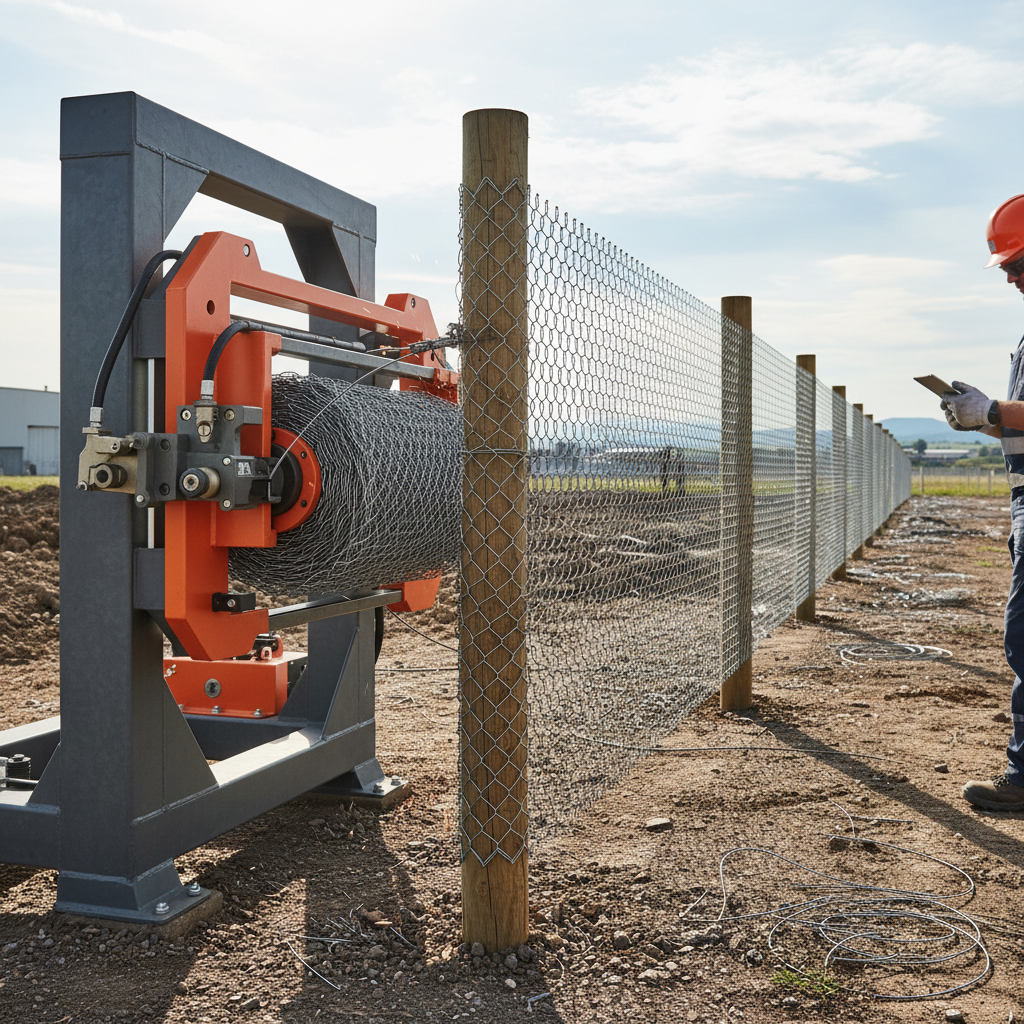
Before you begin, it's crucial to understand why the fence post is loose. Several factors can contribute to this, including soil erosion, rot, frost heave, or simply the natural settling of the post over time. Examining the area around the post will reveal clues. Is the soil noticeably eroded? Is the wood at the base of the post soft and decaying? Knowing the root cause will determine the best course of action. Ignoring the underlying issue will lead to repeated repairs. It’s best to address the core problem to guarantee a lasting fix. A thorough assessment is the first step toward a stable fence.
Common Causes: Soil erosion, wood rot, frost heave, post settling, impact damage.
Simple Fixes for Slightly Loose Fence Posts
If the post is only slightly loose, you might be able to fix it without extensive digging. One method is to drive additional bracing into the ground alongside the post. Use sturdy wooden stakes or metal posts, and securely attach them to the fence post with screws. Another simple technique involves adding soil and compacting it firmly around the base of the post. This can provide temporary stability, but it’s not a long-term solution if the underlying problem is significant. For minor wobbles, these quick fixes can provide immediate relief. Always prioritize safety when working with tools and materials.
Quick Fix Options:
• Adding bracing stakes
• Compacting soil around the post
• Using temporary supports
Digging and Resetting: Fixing Severely Loose Posts
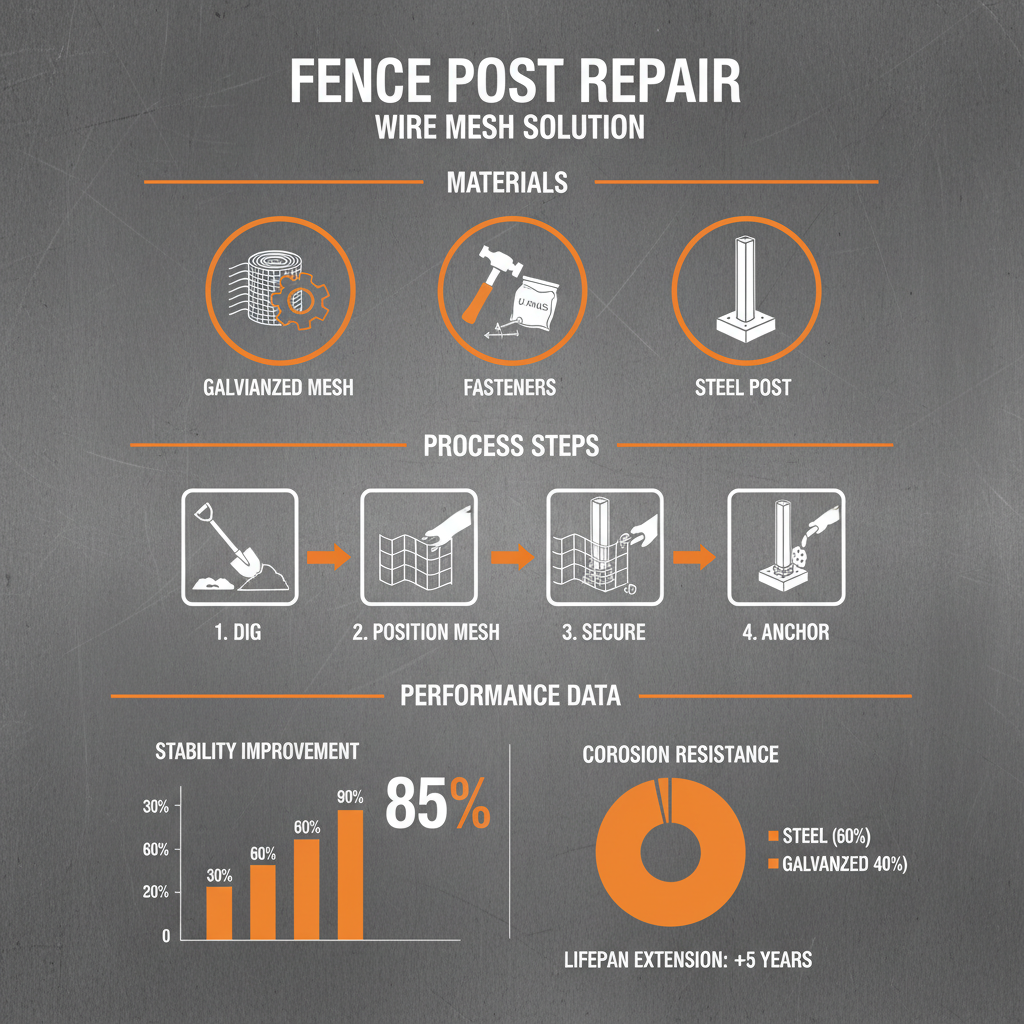
For posts that are significantly loose or show signs of rot, a more thorough approach is necessary. This involves digging around the post, removing the old concrete (if any), and resetting the post in new concrete. Carefully excavate around the post, exposing at least 1-2 feet of the buried portion. Remove any debris and inspect the post for damage. If the post is rotten, it’s best to replace it entirely. If it’s still sound, clean it and apply a wood preservative to the buried section before setting it in fresh concrete. Ensure the post is plumb (perfectly vertical) before the concrete sets. This is a more labor-intensive process, but it provides a much more stable and long-lasting repair. If you’re unsure about any step, consider contacting professionals like Hyliec Fence.
Preventative Measures: Extending Your Fence’s Lifespan
Preventing fence post problems is far easier than fixing them. Regularly inspect your fence for any signs of looseness or damage. Treat wooden posts with a wood preservative every few years to protect against rot. Ensure proper drainage around the fence to prevent soil erosion. Remove vegetation that could trap moisture against the posts. Consider using high-quality posts and concrete when initially building your fence. These proactive measures will significantly extend the life of your fence and reduce the need for frequent repairs. Hyliec Fence offers professional fence installation and maintenance services to help you keep your fence in top condition.
When to Call a Professional
While many fence post repairs can be handled by a DIY enthusiast, there are situations where professional help is advisable. If you’re dealing with extensive rot, multiple damaged posts, or a complex fence structure, it’s best to call in the experts. Hyliec Fence has the experience, equipment, and expertise to tackle any fence repair project efficiently and safely. Trying to handle a complex repair yourself could result in further damage or even injury. Don't hesitate to seek professional assistance when needed.
Conclusion: Maintaining a Secure and Beautiful Fence
Fixing a fence post can range from a simple tightening to a complete reset. By understanding the causes of looseness, employing the appropriate repair techniques, and implementing preventative measures, you can ensure the longevity and stability of your fence. For complex repairs or professional installation, Hyliec Fence is your trusted partner.
Frequently Asked Questions (FAQs)
How long does a concrete post setting typically take to fully cure?
Concrete typically takes 24-48 hours to set, but it requires around 28 days to reach its full curing strength. While you can gently handle the post after 24-48 hours, avoid applying significant force or weight to it during the curing period. Factors like temperature and humidity can affect the curing time. Using a concrete curing compound can help retain moisture and promote a stronger, more durable set. Always follow the manufacturer’s instructions for the specific concrete mix you are using.
What is the best type of wood to use for fence posts?
Pressure-treated lumber is the most common and cost-effective choice for fence posts. It’s resistant to rot, insects, and fungal decay. Cedar and redwood are naturally rot-resistant but are more expensive. For longevity, consider using posts rated for ground contact. The best choice depends on your budget and the climate in your area. Consult with a fencing professional at Hyliec Fence to determine the optimal wood for your fence.
How can I prevent future fence post problems?
Regular maintenance is key. Inspect your fence annually for signs of damage or looseness. Treat wooden posts with a wood preservative every few years. Ensure proper drainage around the fence line to prevent water accumulation. Remove any vegetation that can trap moisture. Consider using gravel or crushed stone around the base of the posts to improve drainage. Proactive maintenance can save you significant time and money in the long run.
Is it possible to repair a broken fence post without replacing it entirely?
Whether a broken fence post can be repaired depends on the severity and location of the break. If the break is near the ground, you might be able to reinforce it with a metal sleeve or brace. However, if the break is higher up or the wood is severely damaged, replacement is usually the best option. A weak or compromised post can pose a safety hazard, so it’s important to prioritize structural integrity. Consult with Hyliec Fence for a professional assessment.
-
Professional Guide to fix leaning fence post and Stabilize Fences
NewsApr.16,2026
-
Professional Guide for Effective Leaning Fence Post Repair
NewsApr.09,2026
-
Comprehensive Guide to Effective and Lasting Fence Post Repair Solutions
NewsApr.04,2026
-
A Comprehensive Guide to Successfully Installing Fence Posts for Longevity
NewsMar.31,2026
-
Comprehensive Guide to Effective and Lasting Repairing Fence Post Solutions
NewsMar.28,2026