
-
Email:zhao@hyliec.cn
-
Tel:+86 311 85273988
-
WhatsAPP:8613931128750
Successfully Removing Metal Fence Posts A Comprehensive Guide to Methods and Safety
Removing Metal Fence Posts: A Comprehensive Guide
Removing old or damaged metal fence posts can be a challenging task, but with the right tools and techniques, it can be done safely and efficiently. This article provides a detailed guide on how to successfully remove metal fence posts, covering everything from preparation to different removal methods. Whether you’re upgrading your fencing, reclaiming land, or simply repairing a section, understanding the best practices is crucial. We’ll explore techniques suitable for various soil conditions and post types, and highlight safety considerations to protect yourself and your property. Learn how to tackle this project with confidence by visiting Hylie C Fence for tools and materials.
Safety First: Preparing to Remove Metal Fence Posts
Before starting any fence post removal project, safety is paramount. Always wear appropriate personal protective equipment (PPE), including gloves, safety glasses, and sturdy boots. Consider a dust mask if the soil is dry and dusty. Be aware of any underground utilities, such as gas lines, electrical cables, or irrigation systems, before digging. Dial 811 in the US to have utilities marked. Additionally, check for any wildlife that may have taken up residence near the posts. A thorough site assessment is crucial for a safe and successful removal process. Familiarize yourself with the type of post you're dealing with and the surrounding soil conditions. For example, posts set in concrete will require different methods than those simply driven into the ground.
Key Safety Reminders: Wear PPE (gloves, safety glasses, boots). Call 811 to locate underground utilities. Be aware of potential wildlife. Inspect posts for damage or rust.
Methods for Removing Metal Fence Posts
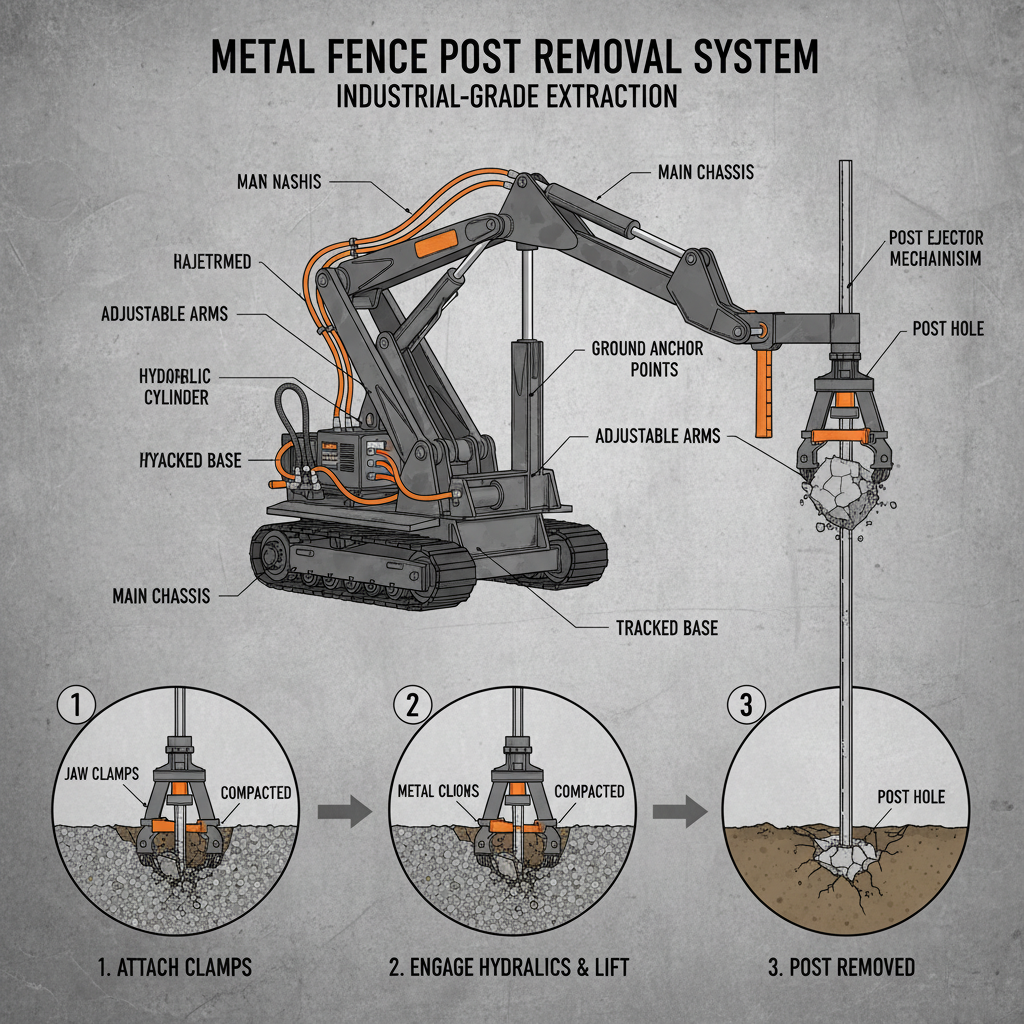
Several methods can be used to remove metal fence posts, depending on how they were installed. For posts simply driven into the ground, a post puller is often the most effective tool. This device uses leverage to lift the post straight out of the ground. For posts set in concrete, more effort is required. Options include digging around the concrete footing, breaking up the concrete with a jackhammer, or using a hydraulic post extractor. If the post is heavily rusted or damaged, cutting it off at ground level and leaving the remaining portion in the ground might be the most practical solution. However, be sure to address the buried portion properly to prevent future hazards. We can help you find the right equipment and advice for your needs - visit Hylie C Fence today.
Removal Method Options:
• Post Puller (for posts driven into the ground)
• Jackhammer (for concrete footings)
• Hydraulic Post Extractor (for concrete footings)
• Cutting at ground level (for heavily rusted posts)
Choosing the Right Tool for Removing Metal Fence Posts
Selecting the appropriate tool is critical for efficiency and safety. A manual post puller is suitable for smaller projects and lighter-duty posts. However, for larger posts or stubborn installations, a hydraulic post puller offers significantly more power. If the posts are set in concrete, a jackhammer or concrete breaker will be necessary to dismantle the footings. Consider renting equipment if you don't anticipate frequent use. Also, ensure you have the necessary attachments and accessories for the chosen tool. For instance, a post puller may require different jaws or adapters depending on the post size and shape. At Hylie C Fence, we offer a range of tools for fence post removal and can advise you on the best option for your specific needs.
Dealing with Concrete Footings
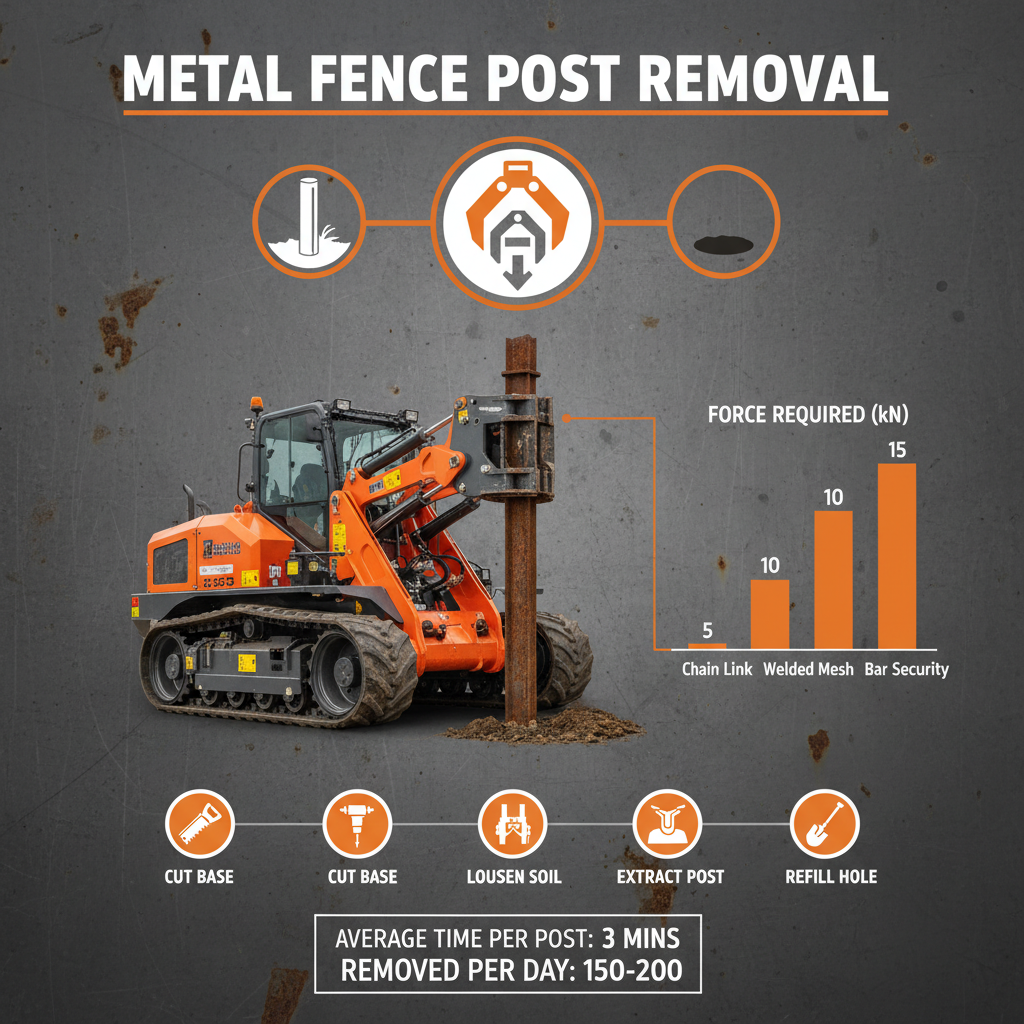
Removing fence posts embedded in concrete requires a different approach. Start by digging around the concrete footing to expose its edges. This will give you more leverage and make it easier to break up the concrete. Use a jackhammer or concrete breaker to shatter the concrete into smaller pieces. Be careful not to damage nearby structures or utilities. Alternatively, you can use a hydraulic post extractor, which clamps onto the post and uses hydraulic pressure to lift the post and its concrete footing out of the ground. This method is faster but requires specialized equipment. After removal, dispose of the concrete debris responsibly.
Final Steps and Disposal
Once the posts are removed, fill any holes with soil and compact it firmly. Dispose of the metal posts and concrete debris properly. Many scrap metal yards will accept metal posts for recycling. Check with your local waste management authority for information on concrete disposal. If you plan to install a new fence, now is the time to prepare the ground and install new posts. Remember, proper planning and execution are key to a successful fence post removal project. For all your fencing needs, Hylie C Fence is your trusted partner.
Conclusion: Safe and Efficient Fence Post Removal
Removing metal fence posts doesn't have to be a daunting task. By following these guidelines, prioritizing safety, and utilizing the right tools, you can complete the project efficiently and effectively. Remember to always be aware of your surroundings and follow all local regulations. If you need assistance or supplies, Hylie C Fence is here to help.
Frequently Asked Questions (FAQs)
What should I do if I encounter a stubborn fence post that won't budge?
If a fence post is particularly difficult to remove, try applying penetrating oil around the base to help loosen it. Allow the oil to soak in for several hours, or even overnight, before attempting to pull it again. You can also try using a longer post puller with more leverage. If the post is still stuck, consider using a hydraulic post puller, which provides significantly more force. If you've exhausted these options and are still unable to remove the post, consult with a professional fencing contractor.
Are there any environmentally friendly ways to dispose of concrete footings?
While concrete is not biodegradable, there are more sustainable disposal options than simply sending it to a landfill. Some companies specialize in recycling concrete, crushing it into aggregate for use in construction projects. You can also explore repurposing the concrete for landscaping purposes, such as creating retaining walls or garden borders. Check with your local waste management authority for information on concrete recycling facilities in your area.
How can I prevent rust on new metal fence posts?
Preventing rust is crucial for extending the life of your fence. Consider using galvanized steel posts, which are coated with a protective layer of zinc. Regularly inspect the posts for any signs of rust and address them promptly with a rust inhibitor or paint. Applying a protective coating to the posts before installation can also help prevent corrosion. Proper drainage around the posts is essential to prevent moisture buildup, which can accelerate rust.
-
Professional Guide to fix leaning fence post and Stabilize Fences
NewsApr.16,2026
-
Professional Guide for Effective Leaning Fence Post Repair
NewsApr.09,2026
-
Comprehensive Guide to Effectively Fix Fence Post and Ensure Stability
NewsApr.07,2026
-
Comprehensive Guide to Effective and Lasting Fence Post Repair Solutions
NewsApr.04,2026
-
A Comprehensive Guide to Successfully Installing Fence Posts for Longevity
NewsMar.31,2026
-
Comprehensive Guide to Effective and Lasting Repairing Fence Post Solutions
NewsMar.28,2026