
-
Email:zhao@hyliec.cn
-
Tel:+86 311 85273988
-
WhatsAPP:8613931128750
Choosing the Right 8ft Fence Posts 100x100 for Stability and Longevity
Understanding 8ft Fence Posts 100x100: A Comprehensive Guide
When embarking on a fencing project, selecting the right posts is crucial for durability and longevity. 8ft fence posts 100x100 are a popular choice for various applications, offering a strong and reliable foundation for your fence. This article provides a comprehensive overview, covering everything from material options to installation considerations, helping you make informed decisions for a successful fencing outcome. We'll delve into the benefits of these specific dimensions and how they contribute to a robust and visually appealing fence.
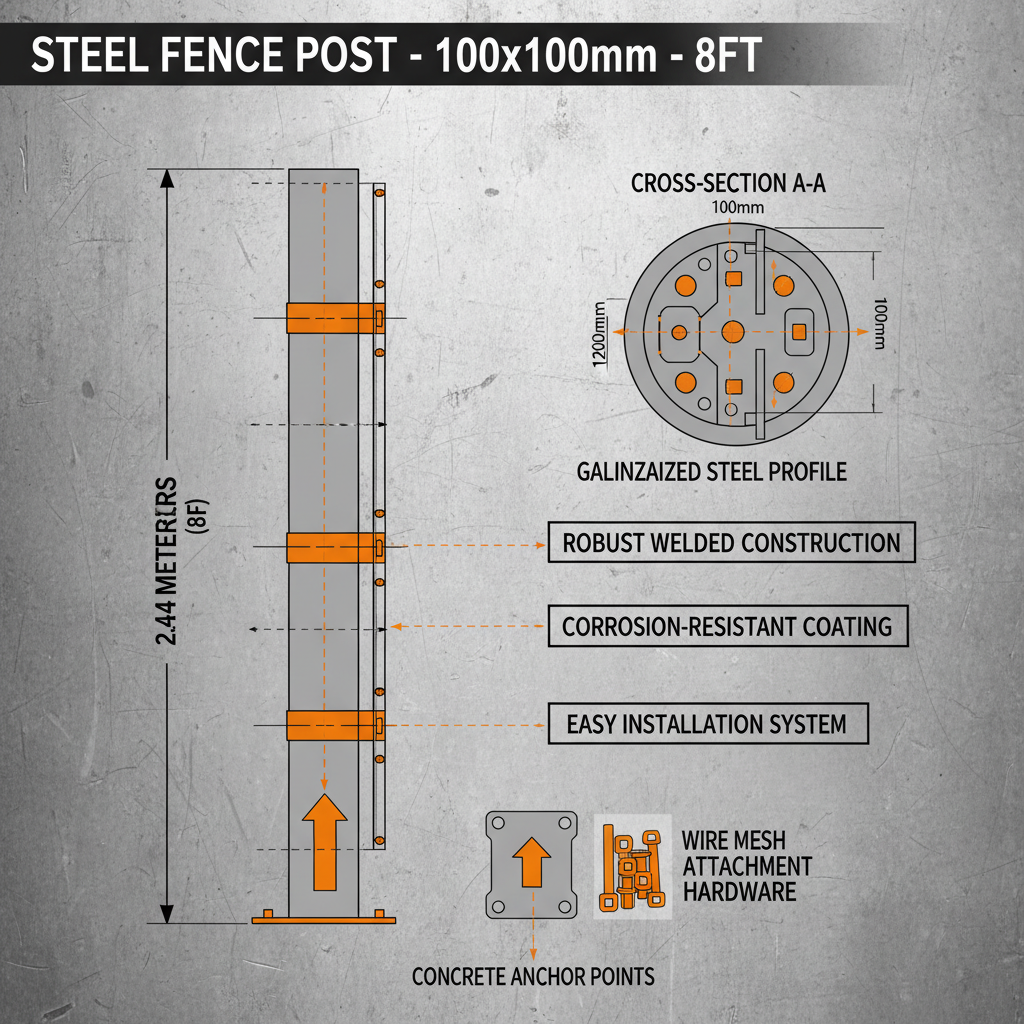
Why Choose 8ft Fence Posts with 100x100 Dimensions?
The 8ft length is ideal for standard fence heights, reducing the need for post extensions. The 100x100mm (approximately 4x4 inches) dimension provides exceptional strength and stability, particularly important for fences in exposed areas or those designed to withstand strong winds. This size offers a good balance between robustness and cost-effectiveness. Posts of this specification are suitable for a wide variety of fencing materials including wood, vinyl, and metal. Choosing the correct dimensions ensures the fence remains secure for years to come.
Key Benefits: Exceptional strength, suitable for various fencing materials, ideal height for standard fences, and a cost-effective solution.
Material Options for 8ft Fence Posts 100x100
Several materials are commonly used for 8ft fence posts 100x100, each offering unique advantages. Pressure-treated timber is a popular and affordable choice, providing resistance to rot and insect damage. Concrete posts offer superior durability and require minimal maintenance, but are heavier and can be more challenging to install. Steel posts are extremely strong and ideal for security fencing, but are susceptible to corrosion if not properly coated. Composite materials are a relatively new option offering the look of wood with increased durability and reduced maintenance. The best material depends on your budget, climate, and aesthetic preferences.
Material Comparison:
• Pressure-Treated Timber: Affordable, readily available, susceptible to rot over time.
• Concrete: Highly durable, low maintenance, heavy and difficult to install.
• Steel: Extremely strong, ideal for security, prone to corrosion.
• Composite: Durable, low maintenance, aesthetically pleasing, more expensive.
Post Installation: Ensuring a Secure Foundation
Proper installation is paramount for the longevity of your fence. Begin by accurately marking post locations and digging holes deep enough to provide adequate support (typically 1/3 of the post length). Use concrete to secure the posts, ensuring they are plumb (perfectly vertical) while the concrete sets. Backfill around the concrete with soil, compacting it firmly. When using 8ft fence posts 100x100, consider soil conditions – rocky or sandy soil may require additional reinforcement. Allow sufficient time for the concrete to fully cure before attaching fence panels.
Cost Considerations for 8ft Fence Posts 100x100
The cost of 8ft fence posts 100x100 varies depending on the material and supplier. Pressure-treated timber is generally the most affordable option, followed by composite, steel, and then concrete. It’s important to factor in the cost of concrete, installation tools (if doing it yourself), and any necessary post caps or accessories. Consider obtaining quotes from multiple suppliers to ensure you're getting the best possible price. The long-term cost should also include maintenance considerations – concrete and composite posts typically require less ongoing maintenance than timber. Hyliecfence offers competitive pricing on a wide range of fence post options.
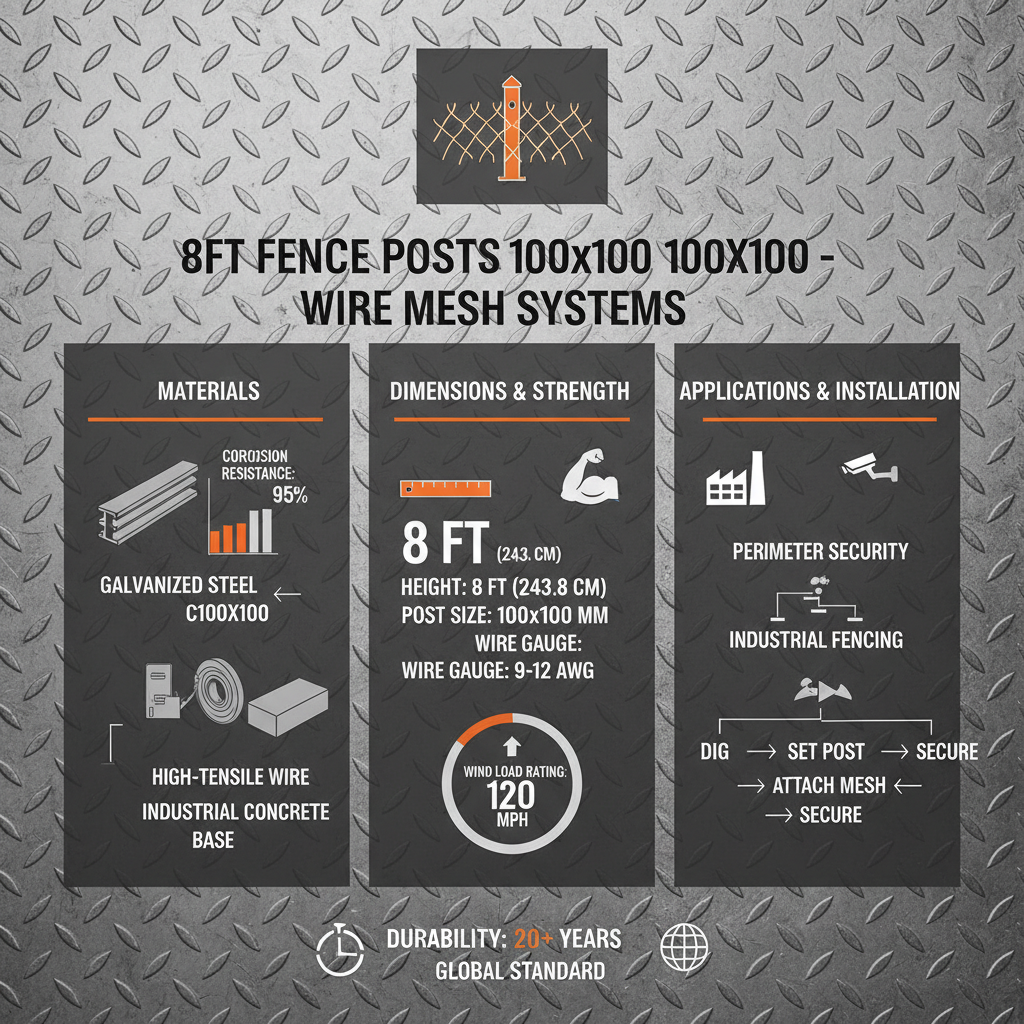
Choosing the Right Supplier for 8ft Fence Posts 100x100
Selecting a reputable supplier is crucial for ensuring the quality and durability of your fence posts. Look for suppliers who offer pressure-treated timber certified to industry standards. Check online reviews and ask for references. A good supplier will provide expert advice, competitive pricing, and reliable delivery. They should also be able to answer your questions about material options, installation techniques, and maintenance requirements.
Conclusion: Building a Lasting Fence with 8ft Posts 100x100
Investing in high-quality 8ft fence posts 100x100 and employing proper installation techniques are key to creating a durable and aesthetically pleasing fence. By carefully considering material options, following installation guidelines, and choosing a reliable supplier, you can ensure your fence provides years of reliable service and enhances the value of your property.
Frequently Asked Questions (FAQs)
How many 8ft fence posts 100x100 do I need for a 50ft fence?
The number of posts needed depends on the spacing between them. A typical spacing is 8ft. Therefore, for a 50ft fence, you would need at least 7 posts (50ft / 8ft per span = 6.25 spans, rounded up to 7). You’ll need an additional post at the beginning and end of the fence line, meaning a total of 7 posts. It's always better to slightly overestimate and have a post left over than to run short.
What is the best way to protect wooden fence posts from rot?
Using pressure-treated timber is the first step. However, additional protection can significantly extend the life of your wooden posts. Applying a wood preservative annually will help repel moisture and prevent fungal growth. Ensure proper drainage around the posts and avoid direct contact with the ground by using concrete footings. Consider using post caps to prevent water from pooling on the post tops. Regularly inspect for signs of rot and address them promptly.
Are 8ft fence posts 100x100 suitable for chain link fences?
Yes, 8ft fence posts 100x100 are generally suitable for chain link fences, particularly for residential applications. The 100x100mm dimension provides sufficient strength to support the chain link fabric. However, for taller or heavier-duty chain link fences, or fences in high-wind areas, you might consider using larger diameter posts or additional bracing for increased stability. Consult a fencing professional to determine the optimal post size for your specific needs.
How deep should I bury an 8ft fence post?
A general rule of thumb is to bury at least one-third of the post's length. For an 8ft post, this equates to approximately 2.5-3ft. However, the exact depth will depend on your soil type and local frost line. In areas with deep frost, you’ll need to bury the post below the frost line to prevent heaving. For heavier fences or in unstable soil, a deeper hole may be necessary.
-
Professional Guide to fix leaning fence post and Stabilize Fences
NewsApr.16,2026
-
Professional Guide for Effective Leaning Fence Post Repair
NewsApr.09,2026
-
Comprehensive Guide to Effectively Fix Fence Post and Ensure Stability
NewsApr.07,2026
-
Comprehensive Guide to Effective and Lasting Fence Post Repair Solutions
NewsApr.04,2026
-
A Comprehensive Guide to Successfully Installing Fence Posts for Longevity
NewsMar.31,2026
-
Comprehensive Guide to Effective and Lasting Repairing Fence Post Solutions
NewsMar.28,2026