
-
Email:zhao@hyliec.cn
-
Tel:+86 311 85273988
-
WhatsAPP:8613931128750
-
 Afrikaans
 -
 Albanian
 -
 Amharic
 -
 Arabic
 -
 Armenian
 -
 Azerbaijani
 -
 Basque
 -
 Belarusian
 -
 Bengali
 -
 Bosnian
 -
 Bulgarian
 -
 Catalan
 -
 Cebuano
 -
 Corsican
 -
 Croatian
 -
 Czech
Czech -
 Danish
 -
 Dutch
Dutch -
 English
 -
 Esperanto
 -
 Estonian
 -
 Finnish
 -
 French
 -
 Frisian
 -
 Galician
 -
 Georgian
 -
 German
 -
 Greek
Greek -
 Gujarati
 -
 Haitian Creole
 -
 hausa
hausa -
 hawaiian
 -
 Hebrew
 -
 Hindi
Hindi -
 Miao
Miao -
 Hungarian
 -
 Icelandic
 -
 igbo
igbo -
 Indonesian
 -
 irish
irish -
 Italian
 -
 Japanese
 -
 Javanese
 -
 Kannada
 -
 kazakh
 -
 Khmer
Khmer -
 Rwandese
 -
 Korean
 -
 Kurdish
 -
 Kyrgyz
 -
 Lao
Lao -
 Latin
Latin -
 Latvian
 -
 Lithuanian
 -
 Luxembourgish
 -
 Macedonian
 -
 Malgashi
 -
 Malay
Malay -
 Malayalam
 -
 Maltese
 -
 Maori
Maori -
 Marathi
 -
 Mongolian
 -
 Myanmar
 -
 Nepali
 -
 Norwegian
 -
 Norwegian
 -
 Occitan
 -
 Pashto
 -
 Persian
 -
 Polish
 -
 Portuguese
 -
 Punjabi
 -
 Romanian
 -
 Russian
 -
 Samoan
 -
 Scottish Gaelic
 -
 Serbian
 -
 Sesotho
 -
 Shona
Shona -
 Sindhi
 -
 Sinhala
 -
 Slovak
 -
 Slovenian
 -
 Somali
 -
 Spanish
 -
 Sundanese
 -
 Swahili
 -
 Swedish
 -
 Tagalog
 -
 Tajik
Tajik -
 Tamil
Tamil -
 Tatar
Tatar -
 Telugu
 -
 Thai
Thai -
 Turkish
 -
 Turkmen
 -
 Ukrainian
 -
 Urdu
Urdu -
 Uighur
 -
 Uzbek
Uzbek -
 Vietnamese
 -
 Welsh
Welsh -
 Bantu
Bantu -
 Yiddish
 -
 Yoruba
 -
 Zulu
Zulu
How to Securely Tension a Chicken Wire Fence for Maximum Stability and Protection
Tightening Chicken Wire Fence A Comprehensive Guide
A well-maintained chicken wire fence is an essential asset for any poultry farm or backyard chicken coop. It not only keeps your chickens safe from predators but also prevents them from wandering off. However, over time, the tension in the wire can loosen, compromising the fence's integrity. Therefore, learning how to properly tighten a chicken wire fence is crucial for maintaining a secure environment for your birds.
Understanding Chicken Wire
Chicken wire, typically made from galvanized steel, is designed to contain chickens while allowing for good visibility and airflow. It is commonly used for fencing due to its durability and affordability. The mesh size typically ranges from 1 to 2 inches, providing adequate protection against small predators while ensuring the chickens can see their surroundings.
Assessing the Fence
Before you begin tightening your chicken wire fence, it’s important to assess its current condition. Walk along the perimeter of the fence and inspect for sagging, loose sections, or any damage caused by weather or animals. Mark the sections that require tightening or repair. If there are any breaks in the wire, plan on replacing those segments to ensure the fence remains cohesive.
Gathering Your Tools
To tighten your chicken wire fence, you’ll need the following tools a pair of heavy-duty gloves, pliers (preferably wire cutters), and a tape measure
. If your fence is particularly loose, you may also require wooden posts or fence staples for additional support.tightening chicken wire fence
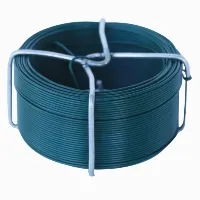
Tightening the Fence
1. Start at One End Begin at one corner of the fence. Use your pliers to grip the chicken wire and pull it taut. Make sure to maintain an even tension as you move along the fence.
2. Reinforce with Posts For areas that are especially sagging, consider installing wooden posts or rebar stakes. Drive these into the ground at strategic points to provide extra support to the chicken wire.
3. Attach with Staples Once you’ve pulled the wire tight, use fence staples to secure it to the posts. Space the staples evenly to ensure the wire remains fixed in position.
4. Cut Excess Wire If you have pulled the fence tight enough, you may notice excess wire hanging loosely. Use wire cutters to trim any excess, taking care not to cut too close to the main wire.
Final Inspection
After tightening, walk along the entire fence line again to ensure there are no weak spots or loose sections. Push against the fence to test its sturdiness. If everything feels secure, your chickens will now enjoy a safer and more stable environment.
In conclusion, tightening a chicken wire fence is a straightforward yet essential task. Regular inspection and maintenance will ensure that your chickens remain safe and secure, allowing you to focus on what truly matters raising healthy and happy poultry.
-
Garden Gates: Blending Functionality and Aesthetic Appeal
NewsAug.11,2025
-
Houseplant Supports and Related Products: Essential Aids for Plant Health
NewsAug.11,2025
-
Wire Fencing Rolls: Secure Your Space with Style
NewsJul.17,2025
-
Strong and Durable Round Fence Posts for Every Need
NewsJul.17,2025
-
Square Metal Posts: Strength and Style for Your Outdoor Space
NewsJul.17,2025
-
Revolutionize Your Garden with Innovative Garden Posts
NewsJul.17,2025