
-
Email:zhao@hyliec.cn
-
Tel:+86 311 85273988
-
WhatsAPP:8613931128750
Comprehensive Guide to Safely Removing Old Fence Posts and Concrete Footings
Removing Old Fence Posts: A Comprehensive Guide
Dealing with old, weathered fence posts can be a challenging task, but with the right approach, it's a manageable DIY project. Whether you're upgrading your fence, reclaiming yard space, or simply repairing damage, safely removing old fence posts is crucial. This guide will walk you through the process, covering everything from preparation and tools to different removal techniques. Choosing the correct method ensures efficiency and minimizes the risk of injury. Let's dive in and get your yard looking its best!
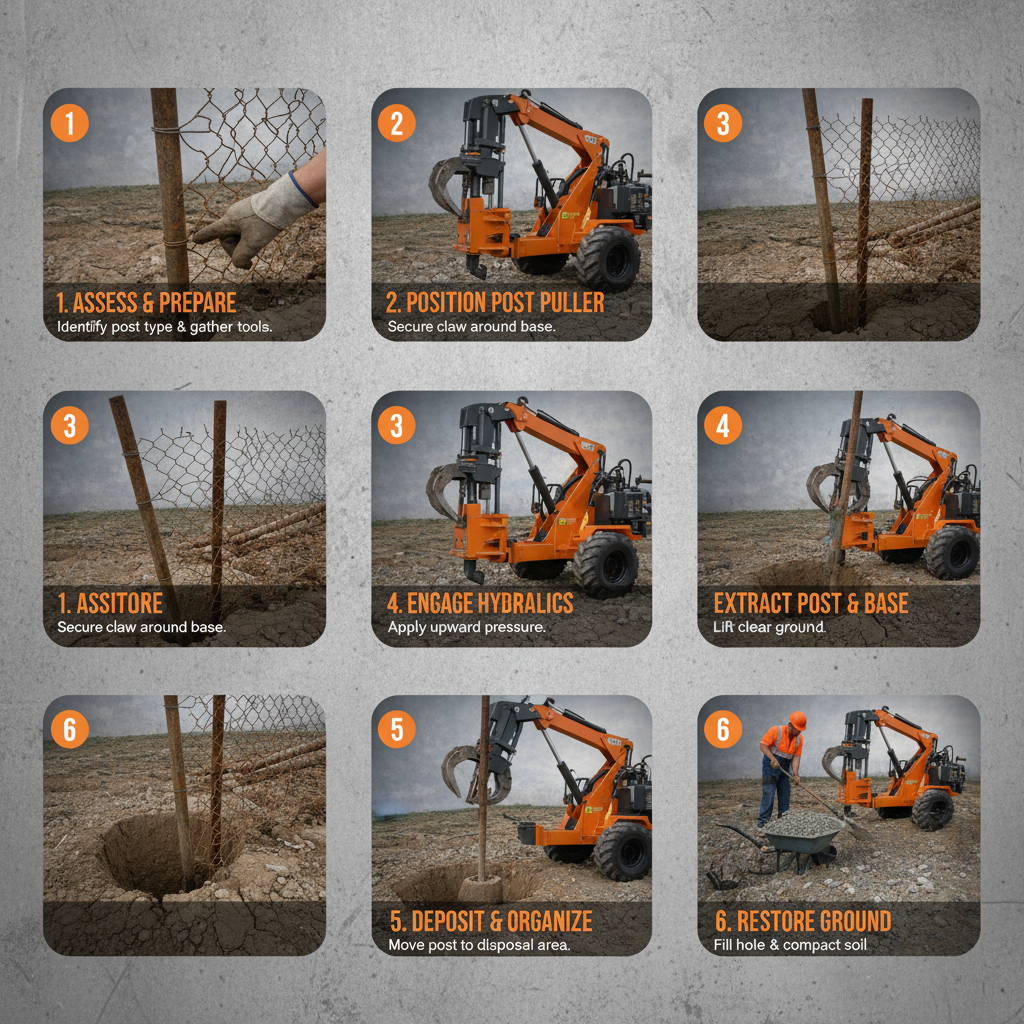
Safety First: Preparing to Remove Old Fence Posts
Before you begin, safety is paramount. Old fence posts can be unstable and may have been treated with chemicals. Wear appropriate personal protective equipment (PPE), including sturdy work gloves, safety glasses, and a dust mask. Clear the area around the post of any obstacles, and be aware of underground utilities. Call 811 before you dig to locate any buried lines. Inspect the post and surrounding ground for any signs of rot or instability. If the post is leaning significantly, take extra precautions to prevent it from falling unexpectedly. Proper preparation minimizes risks and ensures a smooth removal process.
Essential Safety Gear: Work gloves, safety glasses, dust mask, sturdy footwear, and awareness of underground utilities.
Tools You'll Need for Fence Post Removal
The tools required will depend on the removal method you choose, but some essentials include: a shovel, post hole digger, reciprocating saw (Sawzall), pry bar, sledgehammer, and potentially a jack. A reciprocating saw is invaluable for cutting the post below ground level. A post hole digger helps loosen the soil around the concrete footing. A pry bar and sledgehammer provide leverage for breaking up the concrete. For stubborn posts, a jack can be used to apply force. Having the right tools streamlines the process and reduces physical strain.
Methods for Removing Old Fence Posts: A Comparative Look
Several methods can be used to remove old fence posts, each with its advantages and disadvantages. The best approach depends on the post's condition, the type of footing, and your physical capabilities. Common methods include digging around the post, using a reciprocating saw to cut it off, and employing a post puller. Digging is labor-intensive but effective for smaller posts. Cutting is quicker but requires caution. Post pullers provide mechanical advantage but can be expensive to purchase.
Dealing with Concrete Footings
Often, fence posts are set in concrete footings. Removing these requires additional effort. Once you've exposed the concrete, use a sledgehammer and pry bar to break it up. Work carefully, wearing safety glasses to protect against flying debris. For larger footings, a jackhammer might be necessary (consider renting one). Alternatively, you can cut the post off at ground level and leave the concrete footing in place, but this may not be ideal if you plan to build a new fence in the same location.
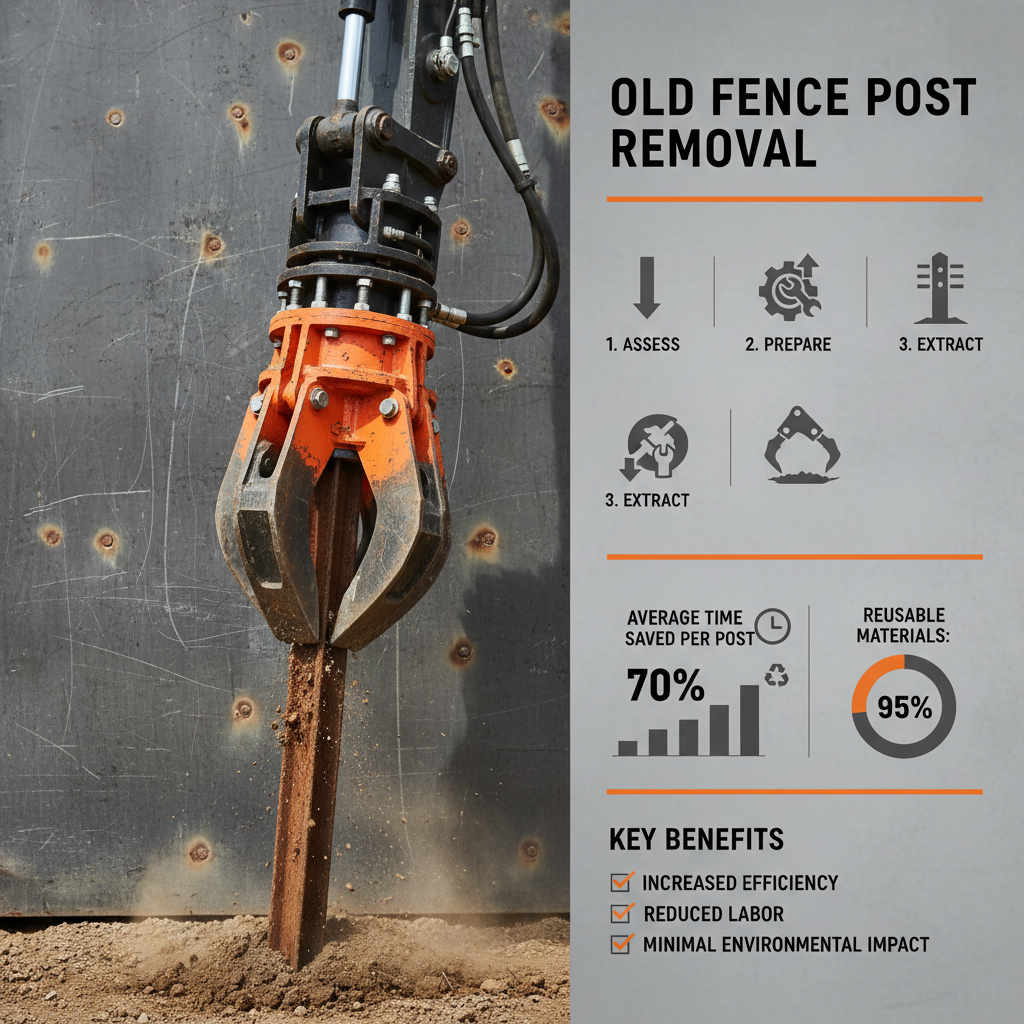
Disposing of Old Fence Posts and Concrete
Proper disposal of old fence posts and concrete is essential. Check with your local waste management authority for guidelines on disposing of treated wood and concrete. Some recycling centers may accept wood, while others require it to be taken to a landfill. Concrete can often be broken down and used as fill material. Avoid burning treated wood, as it releases harmful toxins. Responsible disposal minimizes environmental impact.
Conclusion: A Safe and Successful Fence Post Removal
Successfully removing old fence posts requires preparation, the right tools, and a focus on safety. Whether you're tackling a small repair or a complete fence replacement, following these steps will help you achieve a professional result. Remember to always prioritize safety and dispose of materials responsibly.
Frequently Asked Questions (FAQs)
How long does it typically take to remove one fence post?
The time it takes to remove a single fence post can vary greatly depending on the method used, the size of the post, and the condition of the concrete footing. Using a reciprocating saw and breaking up a small concrete footing might take 30-60 minutes. Digging around a post and manually removing it could take 1-3 hours. A post puller can significantly reduce the time, often completing the job in under 30 minutes. Remember to factor in preparation and cleanup time as well.
What should I do if I encounter a stubborn fence post that won't budge?
If a fence post is exceptionally stubborn, try applying penetrating oil around the base and allowing it to sit for several hours. This can help loosen the soil and break up any corrosion. A larger sledgehammer or a jack can also provide more force. If you’ve tried these methods and the post still won’t move, consider renting a post puller – it’s designed for these challenging situations. Avoid using excessive force that could damage the post or surrounding structures.
Can I reuse the old fence posts for other projects?
Whether or not you can reuse old fence posts depends on their condition. If the posts are in good structural condition and haven’t been significantly damaged by rot or insects, they can be repurposed for projects like garden edging, raised garden beds, or small DIY structures. However, if the posts are heavily weathered or show signs of decay, it’s best to dispose of them properly. Always prioritize safety and avoid using compromised wood for load-bearing applications.
-
Professional Guide to fix leaning fence post and Stabilize Fences
NewsApr.16,2026
-
Professional Guide for Effective Leaning Fence Post Repair
NewsApr.09,2026
-
Comprehensive Guide to Effectively Fix Fence Post and Ensure Stability
NewsApr.07,2026
-
Comprehensive Guide to Effective and Lasting Fence Post Repair Solutions
NewsApr.04,2026
-
A Comprehensive Guide to Successfully Installing Fence Posts for Longevity
NewsMar.31,2026
-
Comprehensive Guide to Effective and Lasting Repairing Fence Post Solutions
NewsMar.28,2026