
-
Email:zhao@hyliec.cn
-
Tel:+86 311 85273988
-
WhatsAPP:8613931128750
Comprehensive Guide to Successful Fence Post Replacement and Repair
Fence Post Replacement: A Comprehensive Guide
Replacing a fence post is a common home improvement task, but it's crucial to do it correctly to ensure the longevity and stability of your fence. From diagnosing the problem to choosing the right materials and employing proper installation techniques, this guide will walk you through the entire process. We’ll cover everything you need to know about fence post replacement, ensuring your fence remains secure and aesthetically pleasing. A damaged fence post can compromise the entire structure, so addressing it promptly is essential.

Identifying the Need for Fence Post Replacement
Before you start digging, it’s important to accurately assess whether a post truly needs replacing or if it can be repaired. Common signs include leaning, rotting, significant cracks, or being completely broken. Leaning posts indicate instability, often caused by soil erosion or rot at the base. Rotting wood is easily identified by a spongy texture and discoloration. Cracks, especially large ones, can weaken the post's structural integrity. If a post is broken, replacement is almost always necessary. Ignoring these signs can lead to further damage and potentially a complete fence failure. Don't hesitate to contact professionals like Hylie C Fence for a professional assessment.
Key Indicators: Leaning, rotting, significant cracks, or a broken post all suggest the need for fence post replacement. Early detection and prompt action can prevent more extensive and costly repairs.
Choosing the Right Replacement Post Material
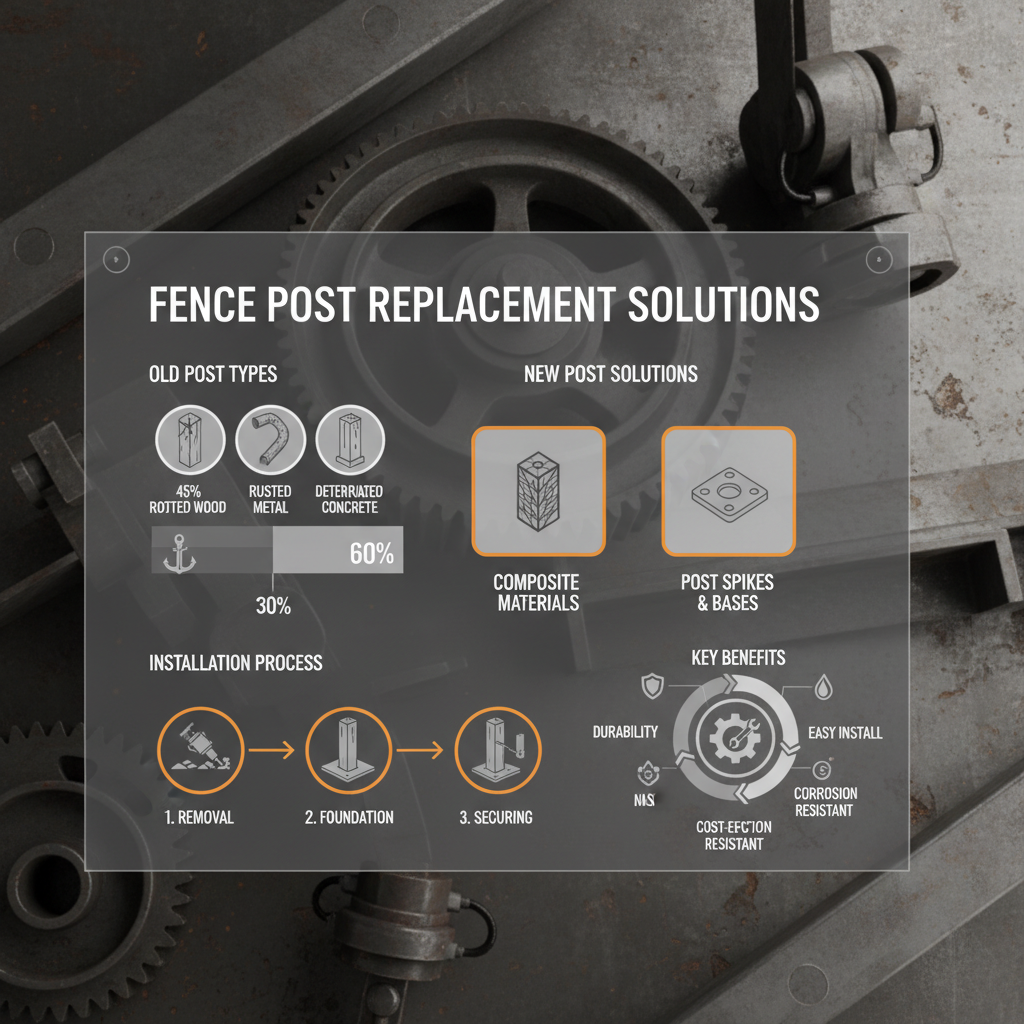
Several materials are available for fence posts, each with its pros and cons. Wood, while traditional and aesthetically pleasing, is susceptible to rot and insect damage. Pressure-treated wood offers better resistance, but still requires maintenance. Vinyl posts are low-maintenance and won't rot, but can be more expensive. Metal posts, like steel or aluminum, are incredibly durable and require minimal upkeep, but may not blend as seamlessly with all fence styles. Consider your budget, climate, and desired aesthetic when making your choice. Hylie C Fence offers a wide range of post materials to suit your specific needs.
Material Comparison:
• Wood: Traditional, affordable, susceptible to rot.
• Pressure-Treated Wood: More durable than standard wood, requires maintenance.
• Vinyl: Low-maintenance, won't rot, higher cost.
• Metal: Extremely durable, minimal upkeep, potentially less aesthetically pleasing.
Step-by-Step: Fence Post Replacement Process
Replacing a fence post involves several key steps. First, carefully remove the old post, often requiring digging around it and potentially cutting it at ground level. Next, prepare the hole for the new post, ensuring it’s the correct depth and width. Typically, a depth of at least one-third of the post's length is recommended. Set the new post in the hole, ensuring it’s plumb (perfectly vertical). Backfill the hole with concrete or compacted gravel, depending on local building codes and soil conditions. Allow the concrete to cure fully before attaching any fence panels.
Preventative Measures to Extend Fence Post Life
While replacement is sometimes unavoidable, several steps can prolong the life of your fence posts. Ensure proper drainage around the posts to prevent water accumulation and rot. Consider applying a wood preservative to wooden posts regularly. Inspect your fence periodically for signs of damage and address any issues promptly. Keeping vegetation trimmed away from the fence can also help prevent moisture buildup and reduce the risk of rot. Investing in high-quality materials and professional installation, like those offered by Hylie C Fence, will pay off in the long run.
Fence Post Replacement: When to Call a Professional
While many homeowners can handle simple fence post replacements, certain situations warrant professional assistance. If you’re dealing with a large number of damaged posts, complex fence designs, or concerns about underground utilities, it’s best to call in the experts. Professionals have the experience, tools, and knowledge to ensure the job is done safely and correctly. Hylie C Fence provides professional fence post replacement services, guaranteeing quality workmanship and peace of mind.
Conclusion: Ensuring a Secure and Lasting Fence
Successfully navigating fence post replacement requires careful assessment, the right materials, and proper technique. Whether you choose to tackle the project yourself or enlist the help of professionals, prioritizing quality and safety is paramount. A well-maintained fence not only enhances your property's aesthetic appeal but also provides security and privacy for years to come.
Frequently Asked Questions (FAQs)
How deep should I bury a fence post?
Generally, you should bury a fence post at least one-third of its total length. For example, a 6-foot post should be buried at least 2 feet deep. However, local building codes and soil conditions can influence this depth. In areas with frost heave, you may need to bury the post deeper to prevent it from being pushed upwards during freezing temperatures. Consider consulting local regulations and a professional for guidance specific to your location.
What type of concrete is best for setting fence posts?
A fast-setting concrete mix is typically the best choice for setting fence posts. It provides quick stabilization, minimizing the time needed to wait before attaching fence panels. Using a concrete mix specifically designed for setting posts is also recommended, as these mixes often contain additives that enhance their strength and durability. Always follow the manufacturer's instructions for mixing and application.
How can I prevent rot in wooden fence posts?
Several measures can help prevent rot in wooden fence posts. Applying a wood preservative regularly can protect the wood from moisture and fungal growth. Ensuring proper drainage around the posts is also crucial, as standing water can accelerate rot. Consider using pressure-treated wood for increased durability. Finally, keeping vegetation trimmed away from the fence can improve air circulation and reduce moisture buildup.
Is a permit required for fence post replacement?
Whether a permit is required for fence post replacement varies depending on your local regulations. Generally, replacing posts with the same size and in the same location doesn't require a permit. However, if you're changing the fence's height, location, or style, a permit may be necessary. It's always best to check with your local building department to determine the specific requirements in your area.
-
Professional Guide to fix leaning fence post and Stabilize Fences
NewsApr.16,2026
-
Professional Guide for Effective Leaning Fence Post Repair
NewsApr.09,2026
-
Comprehensive Guide to Effectively Fix Fence Post and Ensure Stability
NewsApr.07,2026
-
Comprehensive Guide to Effective and Lasting Fence Post Repair Solutions
NewsApr.04,2026
-
A Comprehensive Guide to Successfully Installing Fence Posts for Longevity
NewsMar.31,2026
-
Comprehensive Guide to Effective and Lasting Repairing Fence Post Solutions
NewsMar.28,2026