
-
Email:zhao@hyliec.cn
-
Tel:+86 311 85273988
-
WhatsAPP:8613931128750
Buy Fence Posts for a Durable and Long Lasting Fence Solution
Buy Fence Posts: A Comprehensive Guide to Choosing the Right Ones
When embarking on a fencing project, selecting the right fence posts is paramount for a durable and long-lasting result. The quality and type of post significantly impact the structural integrity and overall lifespan of your fence. This guide will delve into various factors to consider when you buy fence posts, covering materials, sizes, and installation tips. Choosing wisely will save you time and money in the long run, ensuring a secure and aesthetically pleasing boundary for your property.
Understanding Different Fence Post Materials
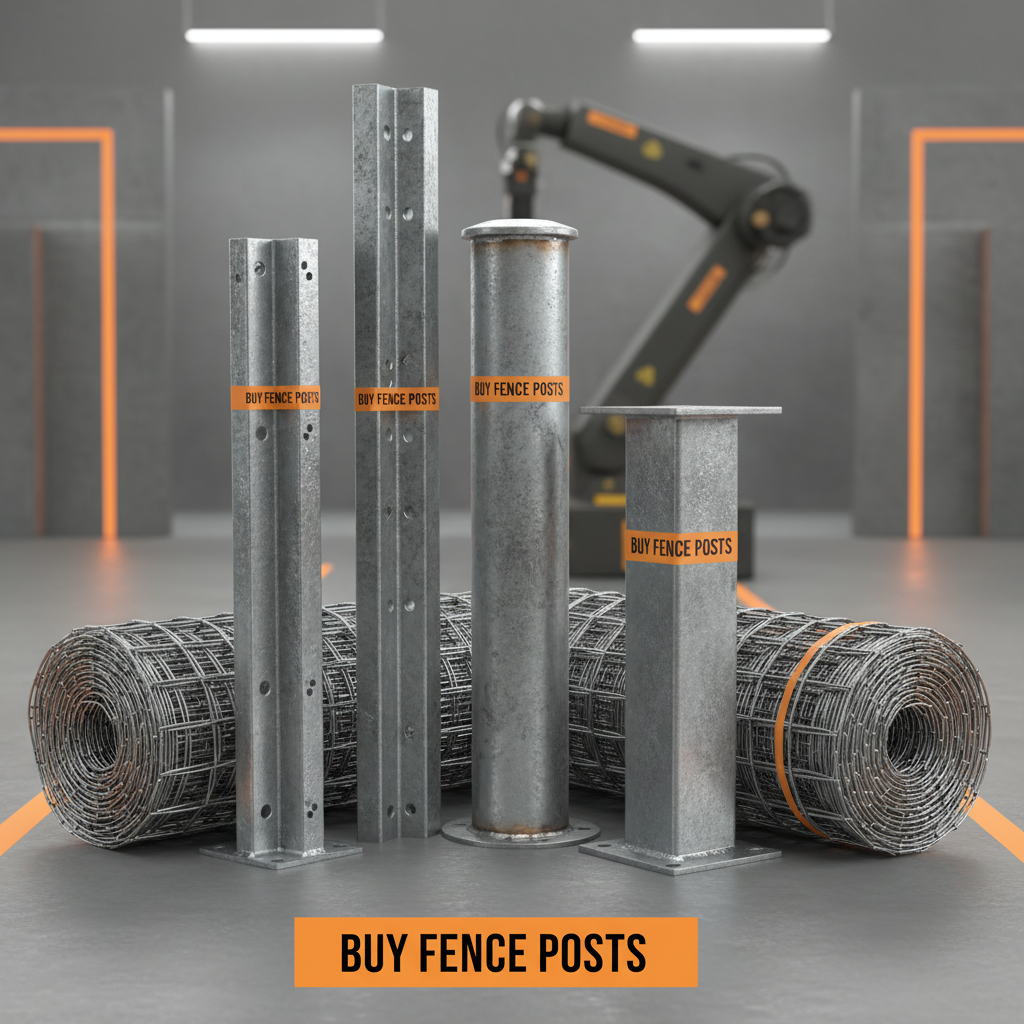
The material of your fence post is a crucial decision. Common options include pressure-treated wood, steel, vinyl, and composite materials. Pressure-treated wood is affordable and readily available, but requires regular maintenance to prevent rot and insect damage. Steel posts offer exceptional strength and durability, but can be susceptible to rust if not properly galvanized. Vinyl posts are low-maintenance and resistant to rot, but may not be as strong as steel or wood. Composite posts offer a balance of durability and low maintenance, often made from recycled materials. At Hyliec Fence, we offer a wide range of materials to suit your specific needs and budget.
Key Highlights: Selecting the right material is vital for long-term fence stability. Consider factors like climate, soil conditions, and aesthetic preferences when making your decision.
Choosing the Right Size: Post Length and Diameter
Proper post sizing is essential for fence stability. Post length should account for the depth of burial (typically 1/3 of the post's total length) plus the desired fence height. Post diameter depends on the height and weight of the fencing material. Heavier fences require thicker posts. For example, a 6-foot tall chain-link fence will require a larger diameter post than a 4-foot tall picket fence. A general guideline is to use a minimum of 4x4 posts for most residential fences, with 6x6 posts recommended for heavier fences or high-wind areas. We at Hyliec Fence provide posts in various sizes to accommodate diverse fencing applications.
Post Sizing Considerations:
• Depth of Burial: Typically 1/3 of total post length.
• Fence Height: Determines the required post length.
• Fence Weight: Influences the necessary post diameter.
• Wind Load: High-wind areas require more robust posts.
Buy Fence Posts: Comparing Material Costs and Lifespan
When you buy fence posts, understanding the long-term cost implications of each material is essential. While initial costs may vary, the lifespan and maintenance requirements contribute significantly to the overall expense. The following table provides a comparison:
Proper Installation Techniques for Longevity
Even the best fence posts will fail if not installed correctly. Ensure proper hole depth and use concrete to secure the posts. The concrete should encase at least 1/3 of the post's length. Tamp the concrete firmly to eliminate air pockets. Using a post-hole digger or auger will make the process easier. It is best to ensure posts are plumb (perfectly vertical) during the concrete setting process. Hyliec Fence provides installation guides and advice to help you achieve a professional result.
Where to Buy Fence Posts: Choosing a Reliable Supplier
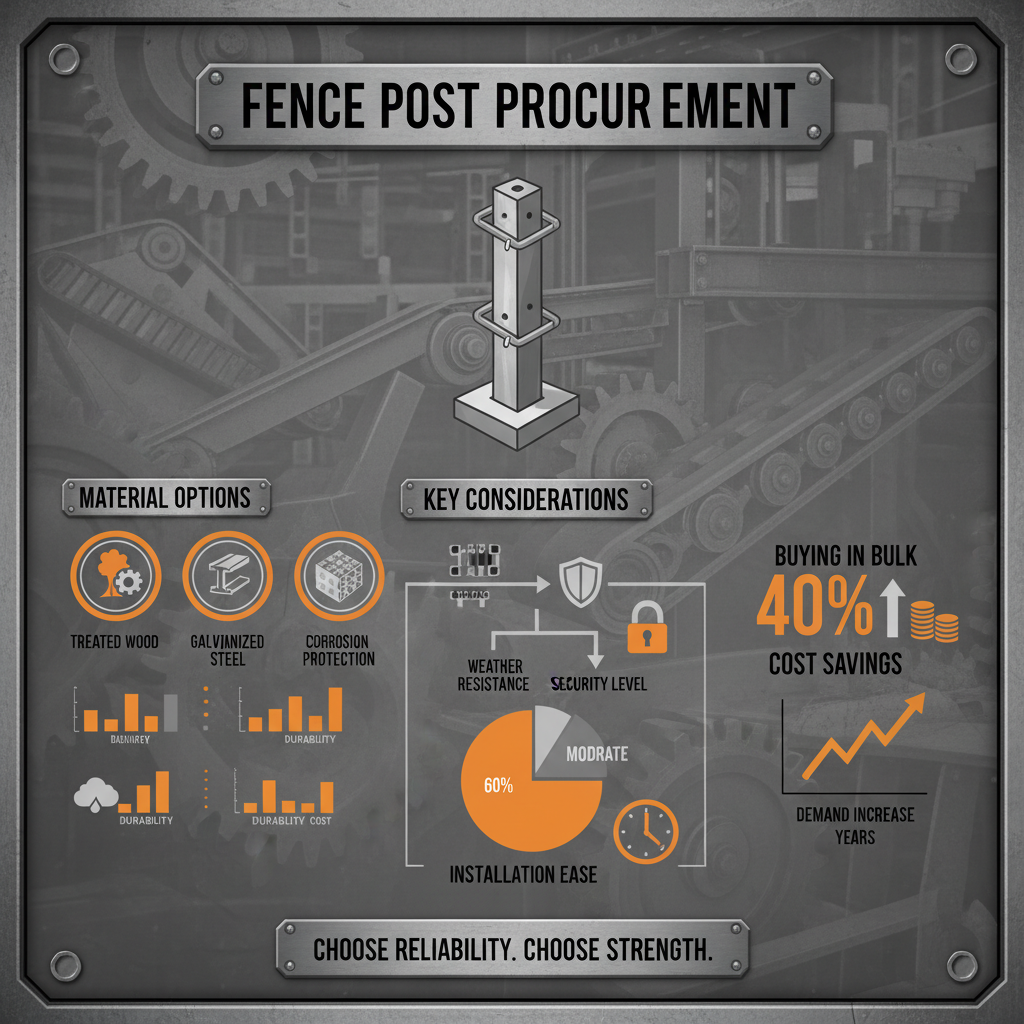
When you buy fence posts, selecting a reputable supplier is crucial. Look for a supplier that offers a wide range of materials, sizes, and grades, along with competitive pricing and excellent customer service. Hyliec Fence is a trusted provider of high-quality fence posts, serving customers with a commitment to satisfaction. We pride ourselves on offering durable products and expert advice to help you complete your fencing project successfully.
Conclusion: Invest in Quality for a Lasting Fence
Choosing the right fence posts is a critical investment in the longevity and security of your property. By carefully considering material options, sizing requirements, and installation techniques, you can ensure a fence that will withstand the elements and provide years of reliable service. Hyliec Fence is your trusted partner for all your fencing needs, offering high-quality posts and expert support. Don't compromise on quality – choose Hyliec Fence for a fence that lasts.
Frequently Asked Questions (FAQs)
How deep should I bury my fence posts?
A general rule of thumb is to bury fence posts 1/3 of their total length. For example, a 6-foot fence post should be buried 2 feet deep. This provides adequate stability, especially in areas with high winds or loose soil. However, local building codes may have specific requirements, so it’s always best to check with your local authorities. Factors like soil type and frost line depth also impact the optimal burial depth. If you are in an area with significant frost heave, you may need to bury posts deeper to prevent them from being pushed out of the ground.
What is the best type of concrete to use for fence posts?
For fence posts, a standard concrete mix with a compressive strength of at least 3000 psi is generally recommended. Rapid-setting concrete can be convenient, but it doesn't allow as much time for adjustment before it hardens. Avoid using concrete mixes with large aggregate, as these can create voids around the post. It is important to properly mix the concrete according to the manufacturer's instructions and to ensure it is thoroughly compacted around the post to eliminate air pockets.
How can I prevent my wooden fence posts from rotting?
Pressure-treated wood is resistant to rot, but it’s still susceptible over time. Regular application of a wood preservative or sealant will significantly extend the lifespan of your posts. Ensure the posts are properly elevated above ground level to prevent moisture from wicking up. Remove any vegetation that comes into contact with the posts, as this can trap moisture and promote rot. Consider using post caps to prevent water from pooling on top of the posts. You can find a variety of wood treatments at Hyliec Fence to help protect your investment.
Are steel fence posts more expensive than wood posts?
Generally, steel fence posts are more expensive upfront than wood posts. However, their significantly longer lifespan and lower maintenance requirements often make them a more cost-effective choice in the long run. Wood posts require regular treatment and are prone to rot and insect damage, leading to replacement costs over time. Steel posts, especially those that are galvanized, offer superior durability and require minimal maintenance, reducing long-term expenses.
-
Professional Guide to fix leaning fence post and Stabilize Fences
NewsApr.16,2026
-
Professional Guide for Effective Leaning Fence Post Repair
NewsApr.09,2026
-
Comprehensive Guide to Effectively Fix Fence Post and Ensure Stability
NewsApr.07,2026
-
Comprehensive Guide to Effective and Lasting Fence Post Repair Solutions
NewsApr.04,2026
-
A Comprehensive Guide to Successfully Installing Fence Posts for Longevity
NewsMar.31,2026
-
Comprehensive Guide to Effective and Lasting Repairing Fence Post Solutions
NewsMar.28,2026