
-
Email:zhao@hyliec.cn
-
Tel:+86 311 85273988
-
WhatsAPP:8613931128750
Field Fence - HEBEI YELANG|Agricultural Safety, Durability
Introduction to Field Fencing
Field fencing, also known as field fence, is a fundamental component of agricultural infrastructure. Designed to contain and protect farmland, pastures, and livestock, these fences serve as barriers against unauthorized access, wildlife intrusion, and livestock escape. Their importance extends beyond mere containment, as they contribute to environmental conservation and landscape aesthetics in rural areas.
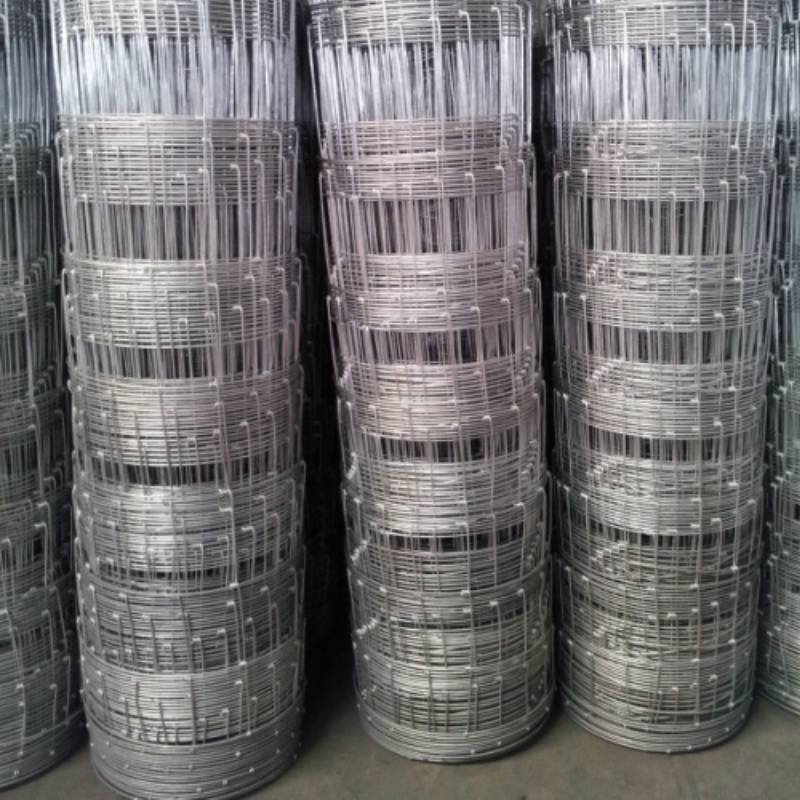
Key Features and Technical Specifications
The field fence is engineered with precision to meet diverse agricultural needs. Its construction involves high-quality wire materials, ensuring durability and resilience against harsh environmental conditions. Below is a detailed specification table outlining the product's technical parameters:
| Wire Diameter (mm) | Specification | Length (m) |
|---|---|---|
| 2.0–2.5 | 8/15/81.3 89+89+102+114+127+140+152 |
50–100 |
| 2.0–2.5 | 8/15/90.2 89+102+114+127+140+152+178 |
50–100 |
| 2.0–2.5 | 10/15/100 7x100+2x150 |
50–100 |
| 2.0–2.5 | 8/15/101.6 102+114+127+140+152+178+203 |
50–100 |
| 2.0–2.5 | 8/15/114.3 114+127+140+152+178+203+229 |
50–100 |
| 2.0–2.5 | 9/15/99.1 89+89+102+114+127+140+152+178 |
50–100 |
| 2.0–2.5 | 9/15/110.5 89+102+114+127+140+152+178+203 |
50–100 |
| 2.0–2.5 | 9/15/124.5 102+114+127+140+152+178+203+229 |
50–100 |
| 2.0–2.5 | 10/15/119.4 89+89+102+114+127+140+152+178+203 |
50–100 |
| 2.0–2.5 | 10/15/133.4 89+102+114+127+140+152+178+203+229 |
50–100 |
| 2.0–2.5 | 11/15/142.2 89+89+102+114+127+140+152+178+203+229 |
50–100 |
| 2.0–2.5 | 7/15/81.3 102+114+127+140+152+178 |
50–100 |
| 2.0–2.5 | 7/15/91.4 114+127+140+152+178+203 |
50–100 |
| 2.0–2.5 | 7/15/102.9 127+140+152+178+203+229 |
50–100 |
| 2.0–2.5 | 6/15/80 127+140+152+178+203 |
50–100 |
Advantages of Field Fencing
The field fence offers a multitude of benefits that make it indispensable for agricultural operations. One of its primary advantages is its ability to field fence for sale livestock and crops from potential threats. By creating designated grazing areas, it promotes efficient livestock management and prevents overgrazing, which can lead to soil degradation. Additionally, these fences act as a barrier against wildlife, reducing the risk of crop damage and the spread of diseases.
Another significant benefit is the environmental impact. Field fence wire helps in preventing soil erosion by stabilizing the land and protecting sensitive habitats from livestock disturbance. This contributes to the preservation of biodiversity and the maintenance of ecological balance in agricultural regions.
The aesthetic value of farm fence wire should not be overlooked. Well-maintained fences enhance the visual appeal of rural landscapes, creating a harmonious blend between agricultural activities and the natural environment. This is particularly important in areas where tourism and agriculture coexist.
Applications in Agriculture and Beyond
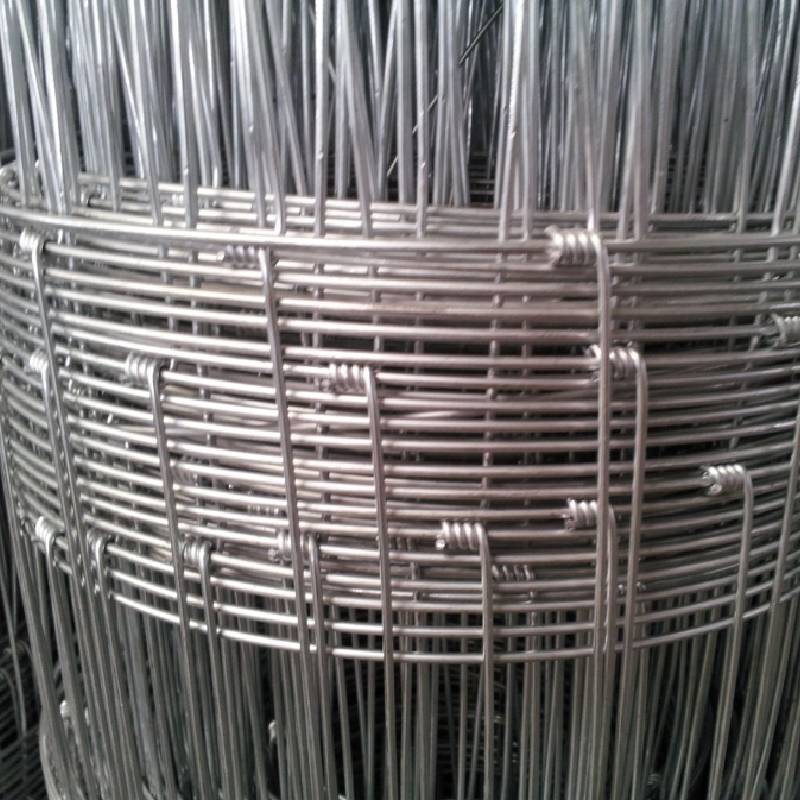
The versatility of field fence makes it suitable for a wide range of applications. In agriculture, it is commonly used to delineate property boundaries, manage livestock, and protect crops. For instance, the 5 ft field fence 330 ft is ideal for small to medium-sized farms, providing a cost-effective solution for fencing large areas. Its modular design allows for easy installation and customization, making it a preferred choice for farmers with specific needs.
Beyond agriculture, farm fence manufacturers also find applications in urban settings, such as parks, sports facilities, and residential areas. These fences offer a secure and durable solution for containing animals and defining spaces, ensuring safety and order in public and private spaces alike.
Company Background and Expertise
Manufactured by HEBEI YELANG IMP. & EXP. TRADE CO., LTD., the field fence exemplifies the company's commitment to quality and innovation. With years of experience in the agricultural and construction industries, HEBEI YELANG has established itself as a reliable supplier of fencing solutions. Their products are designed to meet the stringent demands of modern agriculture, ensuring durability, functionality, and cost-effectiveness.
The company's expertise is reflected in the meticulous attention to detail in their product specifications. Each field fence is crafted to withstand the challenges of diverse environments, from rugged terrains to extreme weather conditions. This commitment to excellence has earned them a reputation as a trusted partner for farmers and agricultural businesses worldwide.
Ensuring Long-Term Effectiveness
To maximize the benefits of field fence, proper installation and maintenance are essential. The design of the fence must consider factors such as the type of livestock, land topography, and local regulations. For example, fences in areas with high wildlife activity may require additional reinforcement to prevent breaches.
Maintenance involves regular inspections to identify and repair any damage, ensuring the fence remains effective and safe. This includes checking for rust, loose posts, and worn-out wires. By adhering to a maintenance schedule, farmers can extend the lifespan of their field fence and avoid costly repairs or replacements.
Conclusion
The field fence is an essential element of modern agricultural practices, offering a blend of functionality, durability, and environmental benefits. Its role in safeguarding farmland, managing livestock, and preserving natural habitats underscores its importance in the agricultural landscape. As highlighted by the National Institute of Standards and Technology (NIST), the development of standardized fencing solutions is crucial for ensuring safety and efficiency in agricultural operations. By investing in high-quality field fence, farmers and agricultural businesses can achieve long-term success and sustainability.
References
Information on the importance of agricultural fencing and its role in environmental protection is supported by the National Institute of Standards and Technology (NIST). For further details on standards and measurements in agricultural infrastructure, visit the NIST website.
-
Professional Guide to fix leaning fence post and Stabilize Fences
NewsApr.16,2026
-
Professional Guide for Effective Leaning Fence Post Repair
NewsApr.09,2026
-
Comprehensive Guide to Effectively Fix Fence Post and Ensure Stability
NewsApr.07,2026
-
Comprehensive Guide to Effective and Lasting Fence Post Repair Solutions
NewsApr.04,2026
-
A Comprehensive Guide to Successfully Installing Fence Posts for Longevity
NewsMar.31,2026
-
Comprehensive Guide to Effective and Lasting Repairing Fence Post Solutions
NewsMar.28,2026