
-
Email:zhao@hyliec.cn
-
Tel:+86 311 85273988
-
WhatsAPP:8613931128750
Field Fence - Hebei Yelang | Durable, Eco-Friendly, Customizable
Field fencing, also known as field fence, plays a critical role in modern agriculture by securing farmland, managing livestock, and protecting natural ecosystems. This article provides an in-depth analysis of the field fence product, its technical specifications, applications, and the company behind it. We will also explore its environmental impact and relevance to agricultural practices.
Product Overview
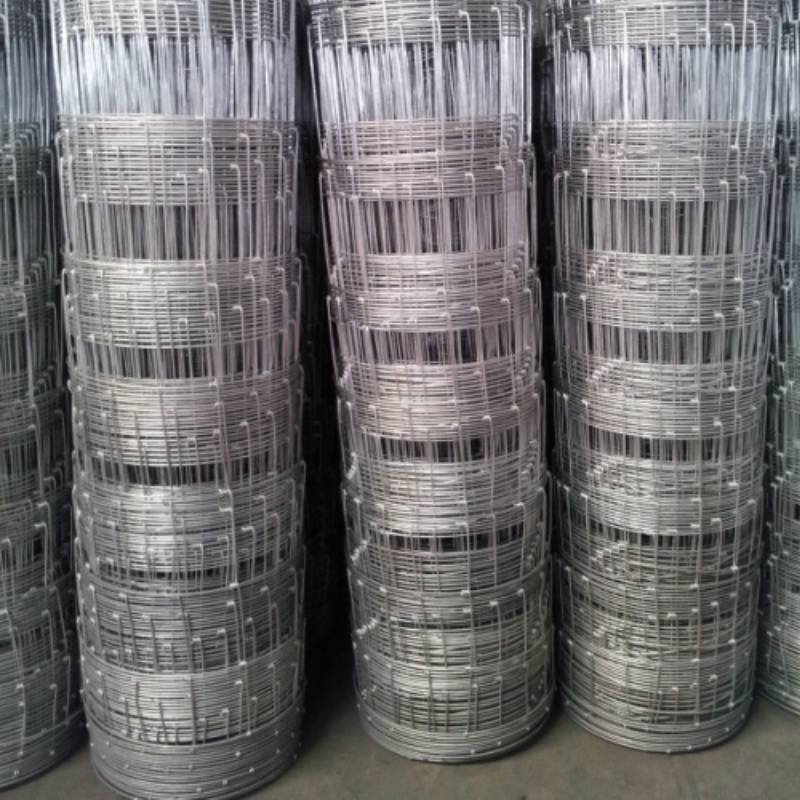
The field fence is a specialized fencing solution designed for agricultural and rural environments. It serves multiple purposes, including:
- Containing livestock to prevent strays and unauthorized access
- Protecting crops from grazing animals
- Creating designated grazing areas for better livestock management
- Preventing soil erosion and safeguarding sensitive habitats
- Enhancing the aesthetic appeal of farmlands
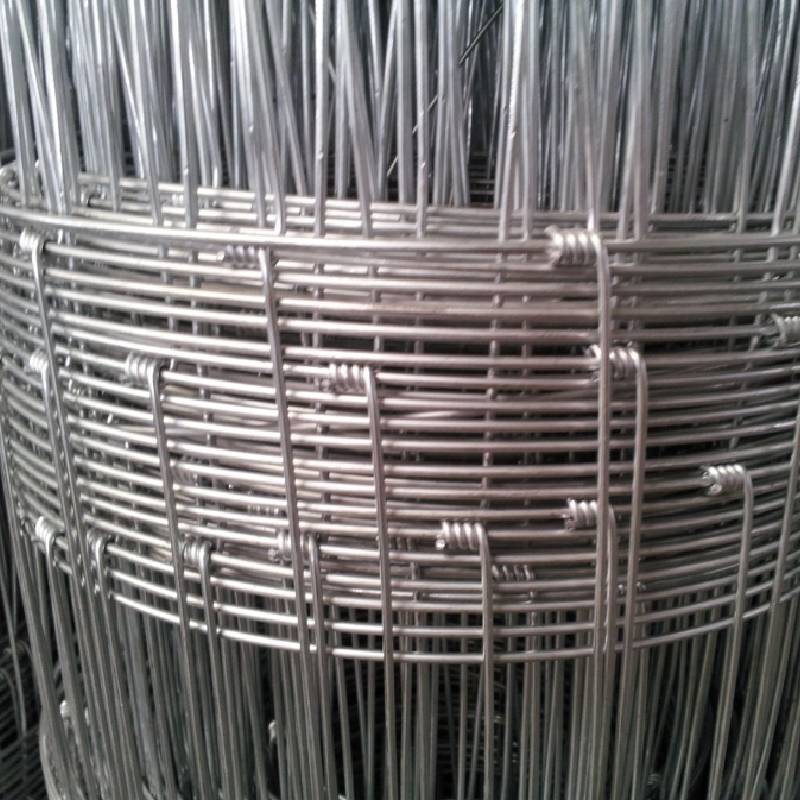
Constructed with durable wire materials, the field fence is engineered to withstand harsh weather conditions and prolonged use. The design incorporates a combination of field fence wire and sturdy posts, ensuring stability and longevity.
Technical Specifications
The field fence offers a range of configurations to suit diverse agricultural needs. Below is a detailed product specification table:
| Wire Diameter (mm) | Specification | Length (m) |
|---|---|---|
| 2.0–2.5 | 8/15/81.3 89+89+102+114+127+140+152 |
50–100 |
| 2.0–2.5 | 8/15/90.2 89+102+114+127+140+152+178 |
50–100 |
| 2.0–2.5 | 10/15/100 7x100+2x150 |
50–100 |
| 2.0–2.5 | 8/15/101.6 102+114+127+140+152+178+203 |
50–100 |
| 2.0–2.5 | 8/15/114.3 114+127+140+152+178+203+229 |
50–100 |
| 2.0–2.5 | 9/15/99.1 89+89+102+114+127+140+152+178 |
50–100 |
| 2.0–2.5 | 9/15/110.5 89+102+114+127+140+152+178+203 |
50–100 |
| 2.0–2.5 | 9/15/124.5 102+114+127+140+152+178+203+229 |
50–100 |
| 2.0–2.5 | 10/15/119.4 89+89+102+114+127+140+152+178+203 |
50–100 |
| 2.0–2.5 | 10/15/133.4 89+102+114+127+140+152+178+203+229 |
50–100 |
| 2.0–2.5 | 11/15/142.2 89+89+102+114+127+140+152+178+203+229 |
50–100 |
| 2.0–2.5 | 7/15/81.3 102+114+127+140+152+178 |
50–100 |
| 2.0–2.5 | 7/15/91.4 114+127+140+152+178+203 |
50–100 |
| 2.0–2.5 | 7/15/102.9 127+140+152+178+203+229 |
50–100 |
| 2.0–2.5 | 6/15/80 127+140+152+178+203 |
50–100 |
Key Advantages of the Field Fence
The field fence offers several advantages that make it a preferred choice for agricultural applications:
- Enhanced Livestock Management: By creating designated grazing areas, the fence helps farmers manage animal populations more effectively, reducing overgrazing and promoting sustainable practices.
- Environmental Protection: The fence prevents soil erosion and protects sensitive habitats from livestock disturbance, contributing to ecological balance.
- Durability: Constructed with high-quality field fence wire, the product is designed to withstand harsh weather conditions and prolonged use.
- Customizable Solutions: The wide range of specifications allows farmers to choose the most suitable configuration for their specific needs, whether for small plots or large-scale operations.
- Cost-Effective: The long lifespan and low maintenance requirements of the field fence make it a cost-effective investment for agricultural enterprises.
Applications in Agriculture and Beyond
The versatility of the field fence makes it suitable for various applications:
- Farmland Protection: Farmers use the fence to secure crop fields, preventing unauthorized access and protecting against wildlife intrusion.
- Livestock Containment: The fence is ideal for containing cattle, sheep, and other livestock, ensuring their safety and preventing them from straying into dangerous areas.
- Property Boundaries: It serves as an effective boundary marker, clearly defining property lines and reducing disputes.
- Erosion Control: By stabilizing soil and preventing runoff, the fence helps mitigate the risk of land degradation.
- Landscape Enhancement: The aesthetic design of the fence complements rural landscapes, enhancing the visual appeal of agricultural areas.
Company Background: Hebei Yelang Import & Export Trade Co., Ltd.
The field fence is manufactured by Hebei Yelang Import & Export Trade Co., Ltd., a reputable company specializing in agricultural fencing solutions. With a focus on quality and innovation, the company has established itself as a leader in the industry, supplying products to farmers and agricultural businesses worldwide.
Hebei Yelang Import & Export Trade Co., Ltd. is committed to providing durable, cost-effective fencing solutions that meet the evolving needs of the agricultural sector. Their expertise in field fence manufacturing ensures that farmers receive products that combine functionality with long-term reliability.
Environmental and Economic Impact
The field fence contributes to both environmental sustainability and economic efficiency. According to the National Institute of Standards and Technology (NIST), effective land management practices, including the use of durable fencing, play a crucial role in preserving natural resources and promoting agricultural productivity. By preventing overgrazing and soil erosion, the field fence supports sustainable farming practices that benefit both the environment and the economy.
Conclusion
The field fence is an essential tool for modern agriculture, offering a combination of functionality, durability, and environmental benefits. Its customizable specifications and wide range of applications make it a versatile solution for farmers and landowners. As highlighted by NIST, the integration of robust fencing systems into agricultural practices is vital for ensuring long-term sustainability and productivity.
For more information about the field fence and its applications, visit https://www.hyliecfence.com/field-fence.html. To learn more about Hebei Yelang Import & Export Trade Co., Ltd., explore their official website at https://www.hyliecfence.com/.
References
National Institute of Standards and Technology (NIST). (n.d.). Land Management and Agricultural Practices. Retrieved from https://www.nist.gov/
-
Professional Guide to fix leaning fence post and Stabilize Fences
NewsApr.16,2026
-
Professional Guide for Effective Leaning Fence Post Repair
NewsApr.09,2026
-
Comprehensive Guide to Effectively Fix Fence Post and Ensure Stability
NewsApr.07,2026
-
Comprehensive Guide to Effective and Lasting Fence Post Repair Solutions
NewsApr.04,2026
-
A Comprehensive Guide to Successfully Installing Fence Posts for Longevity
NewsMar.31,2026
-
Comprehensive Guide to Effective and Lasting Repairing Fence Post Solutions
NewsMar.28,2026