
-
Email:zhao@hyliec.cn
-
Tel:+86 311 85273988
-
WhatsAPP:8613931128750
Garden trelis: Durable, easy-install trellis for vines
A Field Note on Modern Garden Trellis Systems
I’ve toured more nurseries and hardware aisles than I care to admit, and the one product that’s gone from “nice-to-have” to “spec it properly” is the garden trelis. Urban gardeners want clean lines and longevity; landscapers ask for fast installs and consistent coatings. Manufacturers, meanwhile, push coatings and wire geometry like it’s a motorsport. Honestly, it’s fun to watch.
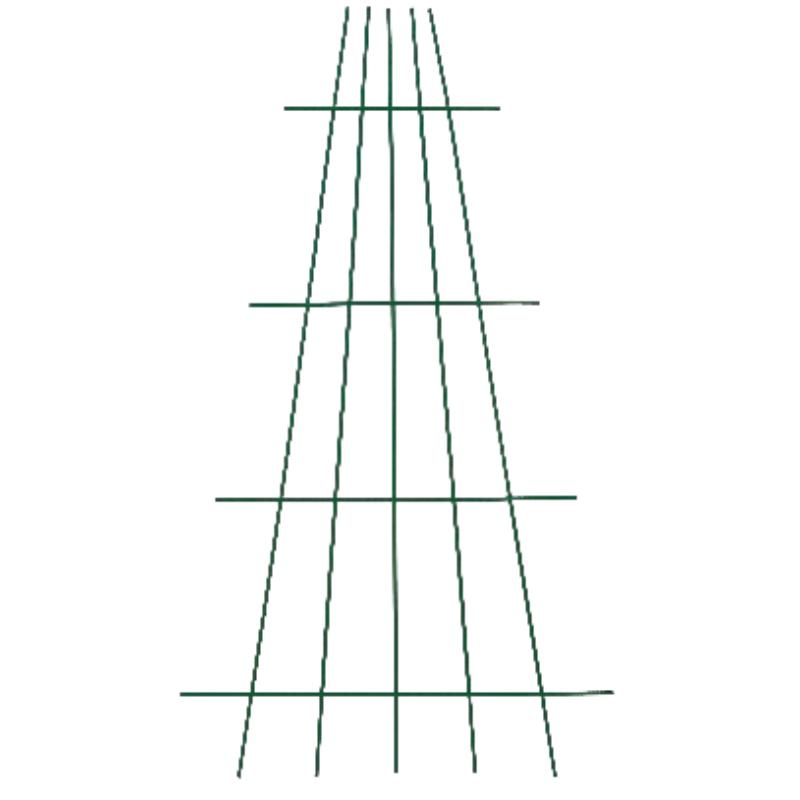
What’s trending (and why it matters)
The current wave is powder-coated steel with neutral RAL shades that don’t fight the plant palette—think RAL6005 (green), RAL9005 (black), RAL9010 (white). Modular panels that clip to posts are popular because crews can finish a courtyard in a morning. And yes, customers still love the classic vine-on-wire look; it’s tidy, loads well, and doesn’t rot. Many buyers say black disappears behind foliage—surprisingly effective in small patios.
Technical snapshot
Origin: China. Base material: low-carbon steel wire with PVC sheath or polyester powder coating. Below is a common spec range I see requested in tenders.
| Parameter | Typical Range (≈ real-world) |
|---|---|
| Height x Width | 1.0–2.0 m x 0.3–1.2 m |
| Wire Diameter | 3.0–4.5 mm (core) |
| Mesh Opening | 50×100 mm or 75×150 mm |
| Coating | PVC 0.6–1.0 mm sheath or polyester powder 80–120 µm |
| Colors | RAL6005, RAL9005, RAL9010 (custom on request) |
| Service Life | ≈10–15 years (C3), up to 20 in mild environments |
Process flow, testing, and standards
Wire drawing → straightening → resistance welding → surface prep (degrease, phosphate) → coating (PVC extrusion or polyester powder cure at ~180–200°C) → QC. For corrosion, many factories validate to ISO 9227/ASTM B117 salt-spray 500–1,000 h depending on system; adhesion checks often follow ASTM D3359 (aim 4B–5B). Powder coatings typically reference ISO 12944 for category guidance; PVC-coated wire aligns with EN 10244-2. REACH/RoHS compliance is increasingly routine.
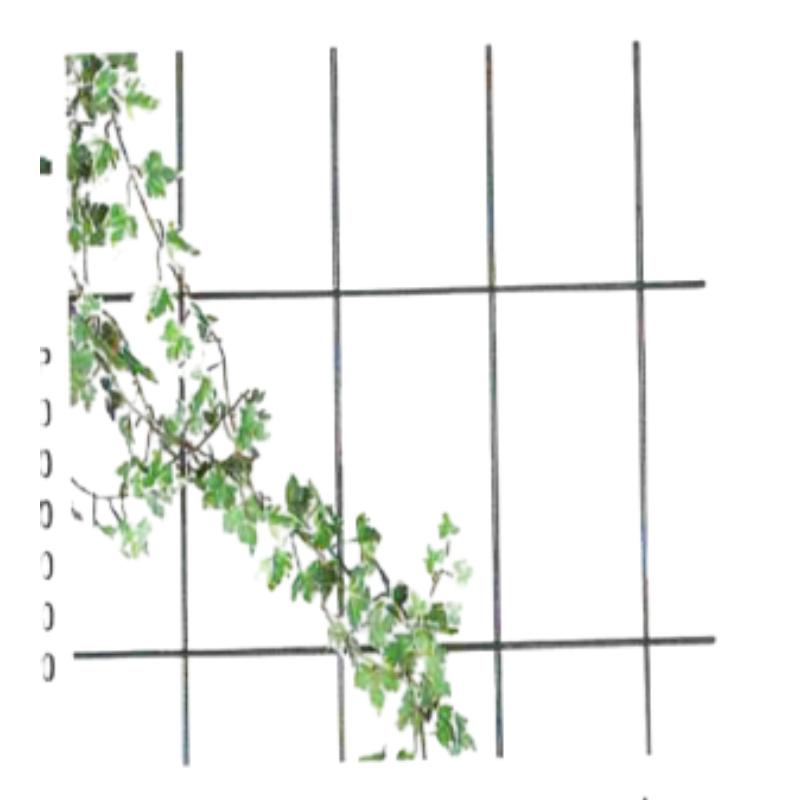
Where it’s used
- Residential patios, balconies, small urban gardens
- Hospitality courtyards, rooftop bars, café screens
- Public parks, schools, community allotments
- Nursery retail displays and seasonal pop-ups
Advantages? Clean geometry, predictable load paths, easy maintenance, and—this matters—consistent color across batches, so expansions match originals.
Vendor landscape (quick take)
| Vendor | Coating | Certs/Tests | Lead Time | Notes |
|---|---|---|---|---|
| Manufacturer A (China) | Powder 80–100 µm; PVC option | ISO 9227, ASTM B117 (500–720 h) | 25–35 days | Strong RAL color control |
| Importer B (EU) | Powder only | RoHS/REACH docs | Stock/fast-ship | Higher price, fast delivery |
| Local Fabricator C | Custom powder | Project-based tests | 2–4 weeks | Bespoke sizing, small MOQ |
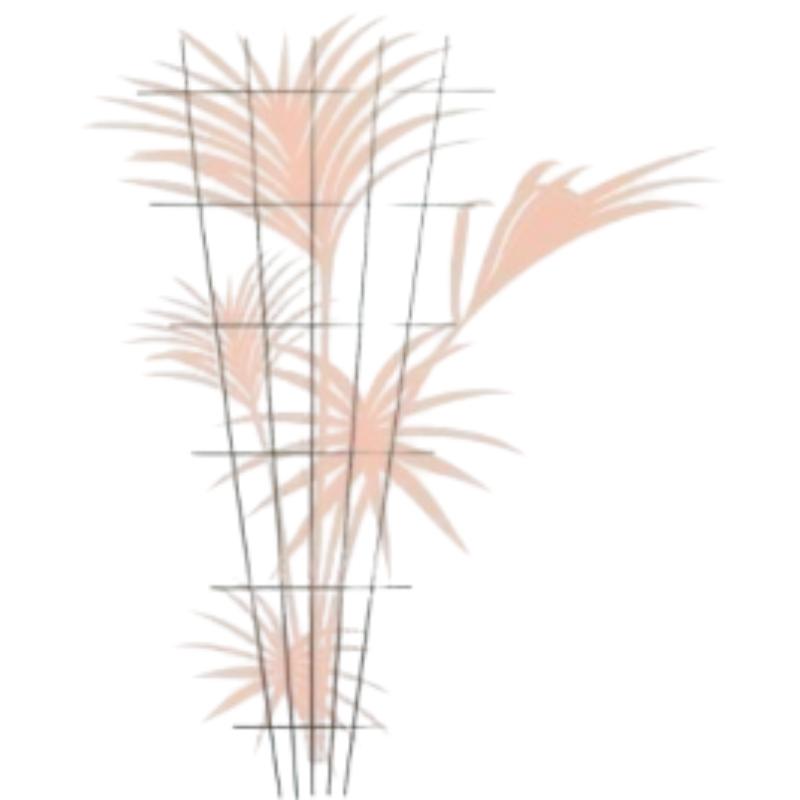
Customization and install notes
Options include panel size, wire gauge, mesh spacing, and RAL colors (6005/9005/9010 are safe bets). Mount to posts with stainless clamps or wall-mount brackets; allow thermal expansion, and—this is me being picky—seal cut ends after trimming to keep the coating system intact.
Field stories (short)
• Boutique hotel, coastal C3–C4: black garden trelis created a jasmine screen; after 14 months, zero blisters post-salt spray checks; guest feedback was “smells like summer.”
• Community garden: green garden trelis for tomatoes/beans; volunteers liked the quick clip-on install. A retiree told me, “didn’t even need a drill for most of it.”
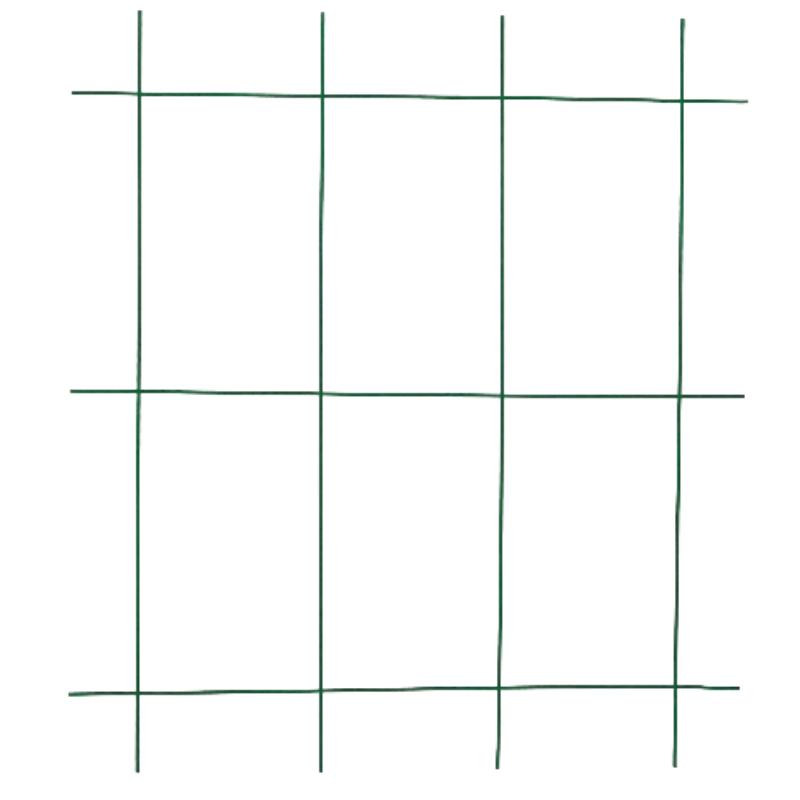
Quality, lifespan, and care
Expect ≈10–15 years in suburban C3 conditions with periodic rinse-down; more in sheltered patios. PVC is slightly softer and quiet under vine movement; powder is crisper and highly UV-stable per modern polyester formulations. Either way, check that your garden trelis references ISO 9227/ASTM B117 and provides coating thickness data.
Author’s note: Specifications represent typical industry practice; actual values depend on configuration and testing scope.
References
- RAL Classic Color System (6005, 9005, 9010) – RAL gGmbH
- ISO 9227: Corrosion tests in artificial atmospheres — Salt spray tests
- ASTM B117: Standard Practice for Operating Salt Spray (Fog) Apparatus
- ISO 12944: Paints and varnishes — Corrosion protection of steel structures
- EN 10244-2: Steel wire and wire products — Coating of steel wire with PVC
- EU REACH and RoHS frameworks for hazardous substances in coatings
-
Professional Guide to fix leaning fence post and Stabilize Fences
NewsApr.16,2026
-
Professional Guide for Effective Leaning Fence Post Repair
NewsApr.09,2026
-
Comprehensive Guide to Effectively Fix Fence Post and Ensure Stability
NewsApr.07,2026
-
Comprehensive Guide to Effective and Lasting Fence Post Repair Solutions
NewsApr.04,2026
-
A Comprehensive Guide to Successfully Installing Fence Posts for Longevity
NewsMar.31,2026
-
Comprehensive Guide to Effective and Lasting Repairing Fence Post Solutions
NewsMar.28,2026