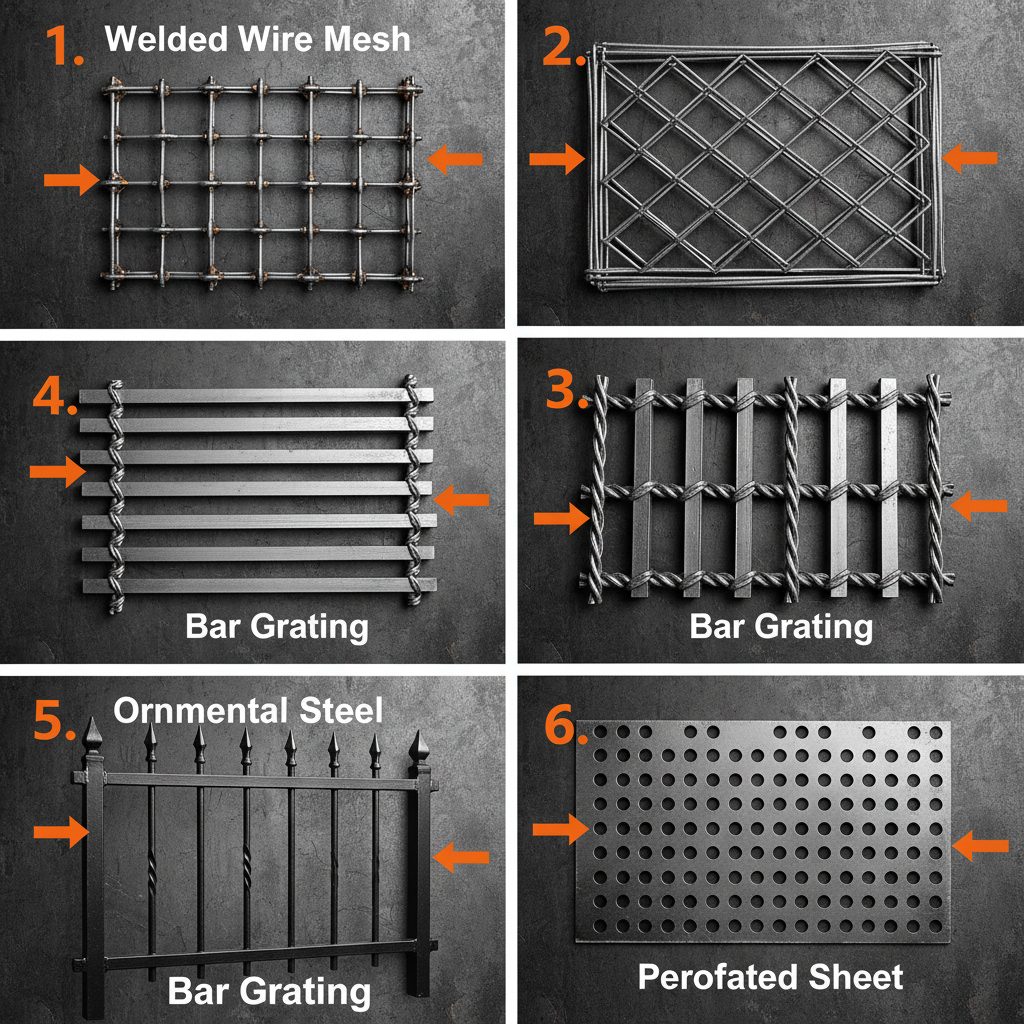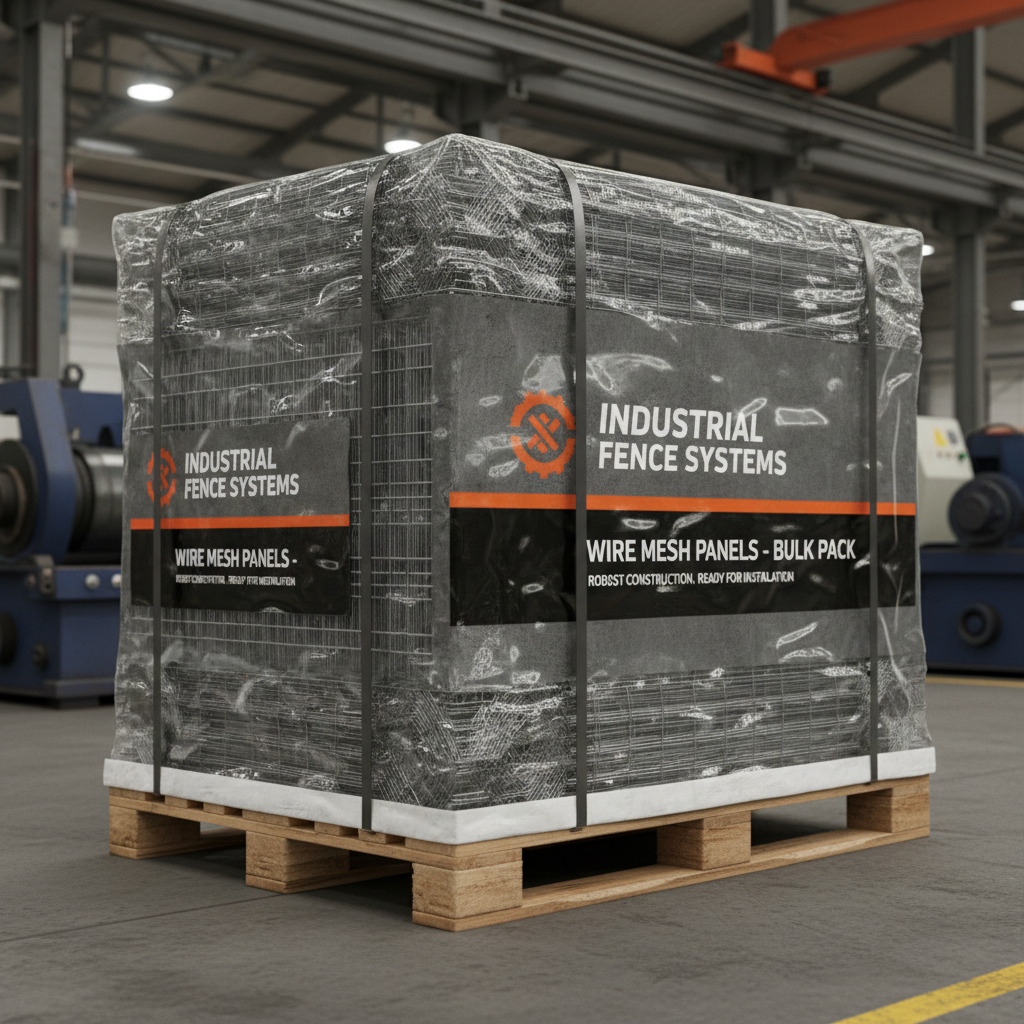
When evaluating security perimeters, understanding the variables that influence continuous fence panels prices is critical for both budgetary planning and long-term asset protection. Most procurement officers focus solely on the initial quote, yet the true cost of a fencing system is tied to material grade, coating thickness, and the structural integrity of the panels. In the metal products industry, particularly within wire manufacturing, these costs fluctuate based on raw steel markets and the specific technical requirements of the installation site.
The relationship between price and performance is most evident when comparing standard 3D panel fences with high-security double wire systems. Selecting a lower-cost option without considering the environmental exposure—such as salinity in coastal areas or industrial acidity—often leads to premature corrosion and higher replacement costs. Integrating the right accessories for posts and gates ensures that the panels remain secure and functional, effectively bridging the gap between a simple barrier and a comprehensive security system.
This analysis explores the technical drivers behind pricing and provides a framework for buyers to evaluate value beyond the sticker price. By examining the intersection of material science and manufacturing precision, we aim to clarify how to optimize your investment in continuous fence panels prices for various industrial and residential applications.


Continuous fence panels are engineered systems rather than simple wire grids. They typically consist of welded mesh panels, supporting posts, and specialized fasteners. The "continuous" nature refers to the seamless integration of panels across a perimeter, which is achieved through precise welding and the use of compatible accessories for fence posts and gates. This structural continuity is what provides the rigidity necessary to resist impact and unauthorized entry.
From a manufacturing perspective, the integrity of the system depends on the quality of the steel tube frame and the filling material. For instance, higher-end systems utilize pre-hot dipped galvanized steel frames infilled with PVC coated chain link or welded mesh. The precision of the weld points and the uniformity of the PVC coating are the primary markers of professional-grade manufacturing, directly impacting the stability of the entire boundary.
Material thickness and zinc coating weight are the most significant drivers of cost. A panel with a zinc coating of 50 g/m² will be priced significantly lower than one with 275 g/m², but the latter offers exponentially better corrosion resistance. Buyers must recognize that "low prices" often correlate with thinner wire gauges or reduced coating layers, which compromises the fence's lifespan in humid or industrial environments.
The total cost of ownership is determined by the synergy between the core steel quality and the surface treatment—specifically the combination of zinc-phosphating and powder coating, which creates a dual-layer shield against oxidation.
Furthermore, the complexity of the design influences the price. A basic 3D panel fence is more cost-effective to produce than a double wire panel fence or an ornamental panel fence. The addition of specialized gates, such as single or double wing gates for chain link fences, adds to the overall project cost due to the requirement for heavy-duty hinges, lock holders, and reinforced frame tubes.
When analyzing the financial aspect of fencing, it is a mistake to view the purchase as a one-time expense. Instead, it should be viewed as a lifecycle investment. A system with high-grade powder coating and hot-dipped galvanization may have a higher initial cost but requires minimal maintenance over a 10-to-20-year period. In contrast, cheaper alternatives often require re-coating or partial replacement within five years.
The efficiency of installation also plays a role in the total cost. Modular systems that utilize standardized accessories for posts and gates reduce labor hours and minimize waste during the installation process. For large-scale industrial perimeters, the time saved during deployment can offset a slightly higher price per panel.
Industrial warehouses and logistics hubs typically require a combination of security fences and heavy-duty gates. In these environments, double wire panel fences are preferred due to their increased rigidity and difficulty to climb. The focus here is on perimeter integrity and the ability to withstand accidental impacts from machinery, making the choice of reinforced posts and thick-gauge wire paramount.
In residential or ornamental settings, the priority shifts toward aesthetic integration without sacrificing security. Ornamental panel fences and garden gates provide a balance of visual appeal and boundary definition. For agricultural use, such as field fencing or the use of tomato cages and plant supports, the focus is on cost-efficiency and flexibility, often utilizing welded mesh fencing in rolls or hexagonal netting.
The fencing industry is moving toward "smart coatings" that not only prevent corrosion but also provide antimicrobial or self-healing properties. The integration of advanced zinc-phosphating processes ensures that powder coatings adhere more strongly to the steel substrate, reducing the likelihood of peeling in extreme temperature fluctuations.
There is also a growing trend toward sustainable materials and eco-friendly PVC coatings that reduce the environmental footprint of the manufacturing process. We are seeing a shift toward modularity, where panels and accessories can be easily upgraded or replaced without dismantling the entire post system, thus extending the usable life of the infrastructure.
As automation in welding and coating becomes more precise, the variance in quality between different production batches is decreasing. This allows for tighter tolerances in panel dimensions, which in turn simplifies the installation of accessories for posts and gates, ensuring a more secure and professional finish across thousands of linear meters.
One of the most frequent challenges in fencing projects is the mismatch between panels and posts. This usually happens when buyers source components from different manufacturers. To avoid this, it is essential to ensure that the post diameter (e.g., Φ60 or Φ40) and the frame dimensions (e.g., 55x55mm) are perfectly aligned with the panel specifications.
Another significant hurdle is the failure to account for ground conditions. Installing posts without the proper ground spikes or concrete footings leads to leaning panels and structural failure. Professional installation requires a precise understanding of the load-bearing capacity of the soil and the wind load the fence will encounter, especially for tall panels exceeding 1800mm.
Finally, sourcing from a manufacturer with verified certifications like ISO 9001 or BSCI ensures that the product meets international safety and quality standards. A reliable supplier provides comprehensive documentation on zinc coating weights and powder coating thickness, allowing buyers to verify that the product they receive matches the specifications they paid for.
| System Type | Typical Use | Coating Process | Security Level |
|---|---|---|---|
| 3D Panel Fence | Commercial | Galv + Powder | Medium |
| Double Wire | Industrial | Heavy Galv + PVC | High |
| Chain Link | Agricultural | PVC Coated | Basic |
| Ornamental | Residential | Powder Coated | Medium |
| Security Fence | High-Risk | Hot-Dip Galv | Extreme |
| Temporary | Construction | Galvanized | Basic |
The primary drivers are the raw steel price, the gauge of the wire, and the quality of the surface treatment. Specifically, the weight of the zinc coating (e.g., 50 g/m² vs 275 g/m²) and the use of powder coating over zinc-phosphating significantly affect the cost. Higher specifications provide better longevity and corrosion resistance, which justifies the increased initial price.
The choice depends on the required security level. 3D panel fences are ideal for general boundary marking and medium security in commercial areas. Double wire fences are much more rigid and harder to climb or cut, making them the superior choice for industrial sites, warehouses, or high-security perimeters where breach prevention is the priority.
PVC coatings generally provide better flexibility and impact resistance, which is why they are often used in chain link fencing. Powder coatings, when applied over a zinc-phosphated surface, offer a harder, more aesthetic finish that is highly resistant to UV radiation and scratching. The best choice depends on whether you prioritize impact absorption or a smooth, durable surface finish.
A professional installation requires heavy-duty hinges, a secure locker, a lock holder, and a door stop anchor. For double wing gates, ensuring the frame is constructed from pre-hot dipped galvanized steel tubes (such as Φ60 posts and Φ40 frames) is critical to prevent sagging over time and maintain the structural integrity of the entry point.
Lifespan varies by environment. A standard galvanized fence in a dry climate can last 20+ years. However, in coastal or high-pollution industrial areas, the lifespan depends on the coating thickness. Systems utilizing hot-dip galvanization combined with powder coating typically maintain their structural integrity for 15 to 25 years with minimal maintenance.
These certifications ensure that the manufacturer follows strict quality management and social responsibility standards. ISO 9001 guarantees consistency in production, meaning the panel you receive will match the technical specifications. BSCI certification ensures ethical labor practices, which is often a requirement for large-scale corporate or government procurement contracts.
Navigating the complexities of continuous fence panels prices requires a shift in perspective from initial cost to long-term value. By prioritizing material specifications—such as zinc coating weights and powder coating quality—and ensuring the use of compatible accessories for posts and gates, buyers can secure a perimeter that is both durable and cost-effective. The intersection of structural rigidity and corrosion resistance is where the true value of a professional fencing system resides.
Whether you are securing an industrial facility or designing a residential boundary, the right technical partnership is essential. For those seeking high-quality, certified fencing solutions that balance performance with budget, visiting the professional resources at https://www.hyliecfence.com can provide the necessary specifications and guidance to make an informed procurement decision.