
-
Email:zhao@hyliec.cn
-
Tel:+86 311 85273988
-
WhatsAPP:8613931128750
Need durable, adjustable, rust-proof garden plant supports?
A Field Guide to Modern Garden Plant Supports (From Someone Who’s Bent a Few in Storms)
If you grow tomatoes, roses, peonies—or you’ve tried to keep cucumbers from staging a quiet coup—then you’ve probably wrestled with garden plant supports. I’ve tested more models than I care to admit, from bargain stakes to pro-grade frames, and the difference is not subtle. Actually, it’s huge in wind, UV, and wet-dry cycles.
What’s changing in the industry
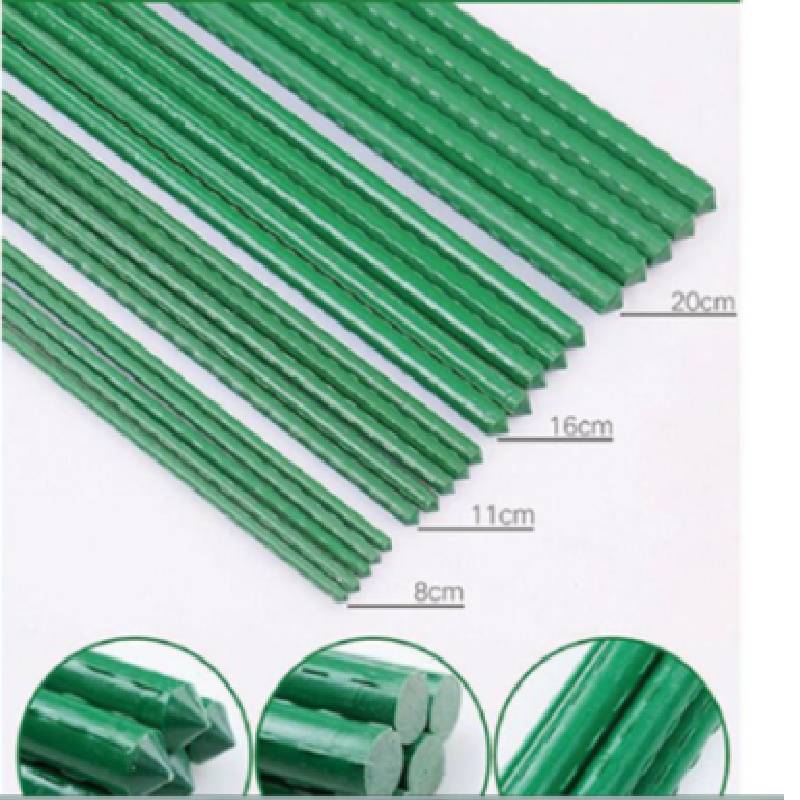
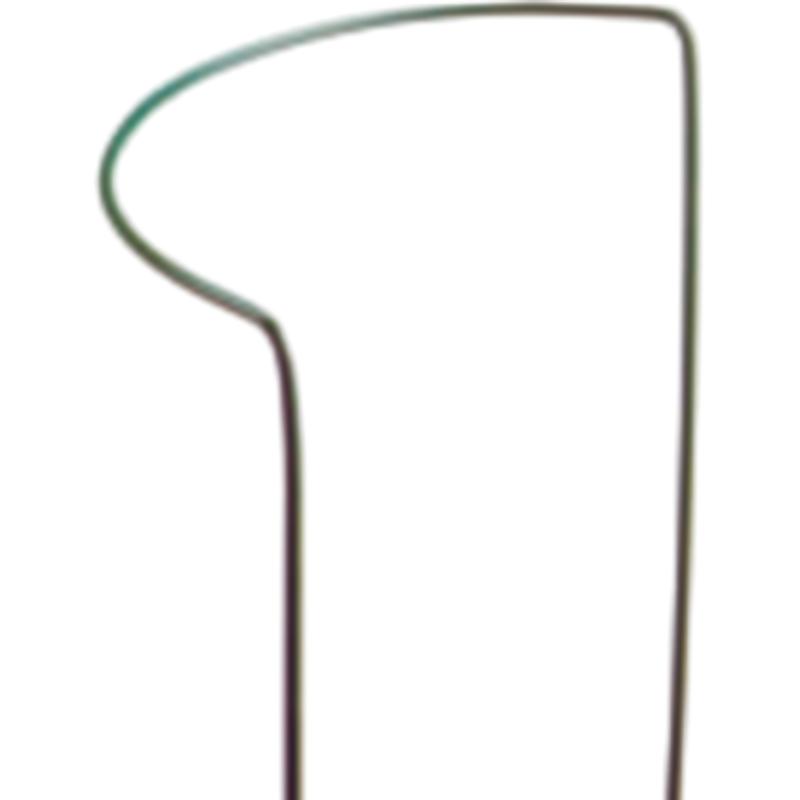
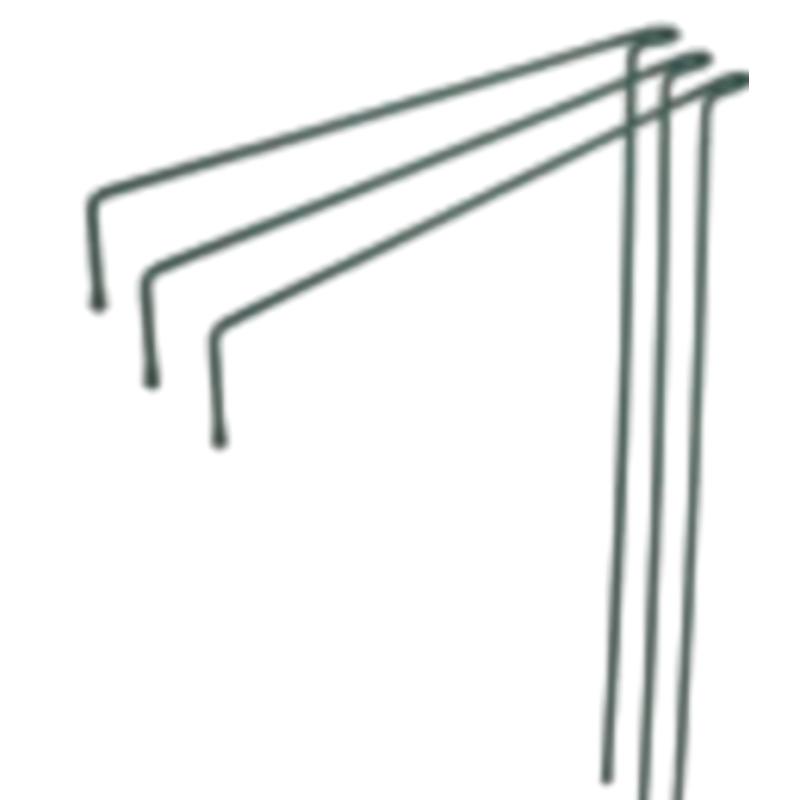
Two clear trends: tougher coatings and modularity. Vendors now favor steel cores with PVC sheaths to stop rust bleed and reduce snagging. Many customers say they prefer matte, non-slip textures—it seems that grip on wet vines matters more than glossy looks. On the commercial side, landscapers want quick-connect rings and half-moon hoops for faster installs. To be honest, speed beats aesthetics when the planting window is tight.
Core specs (real-world, not brochure-speak)
Origin: China. Material: steel core + PVC coated. In field tests, the good ones survive heavy rain plus UV without chalking for several seasons. Here’s a compact spec snapshot from recent samples I audited:
| Parameter | Typical Value (≈) | Notes |
|---|---|---|
| Steel grade | Low-carbon steel, Q195/Q235 | Good bend resilience |
| Diameter | 8–16 mm | Veg vs. shrub applications |
| PVC coating | 0.4–0.8 mm | EN 10245 compliant, RoHS/REACH |
| Salt-spray (ASTM B117) | ≥ 200 h | Coating integrity |
| UV aging (ASTM G154) | 500–1,000 h | Color/embrittlement check |
| Service life | ≈ 8–12 years outdoors | Climate dependent |
Where they shine (and a few caveats)
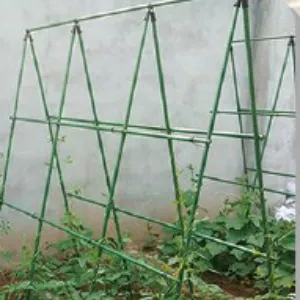
Usage scenarios: tomatoes, beans, espalier training, peony hoops, rose cages, cucurbit trellising, greenhouse rows. Advantages: clean PVC surface (no rust stains on leaves), quiet in wind (less metallic rattle), easy hose-down after blight sprays. Caveat: extremely sandy soils may need ribbed anchors or cross-bracing; otherwise even sturdy garden plant supports can tilt after cloudbursts.
Process flow (what good manufacturing looks like)
Materials → steel straightening → cutting → tip forming → weld/loop (if needed) → deburr → phosphate pre-treat → PVC extrusion coat → curing → QC (straightness ≤ 2 mm/m, adhesion per ISO 2409/ASTM D3359, pull-out test, color ΔE) → packing. Certifications often include ISO 9001, RoHS, REACH. In fact, the better suppliers also log batch UV tests and traceability codes.
Vendor snapshot (what buyers actually compare)
| Vendor | Coating thickness | Certs | Lead time | MOQ | Warranty |
|---|---|---|---|---|---|
| Hyliec (China) | 0.6–0.8 mm | ISO 9001, RoHS, REACH | 20–30 days | ≈ 2,000 pcs | 2 years (materials) |
| Generic Importer A | 0.3–0.5 mm | RoHS | 45–60 days | ≈ 5,000 pcs | 1 year |
| Local DIY Chain | 0.4–0.6 mm | — | Stock | None | Retail only |
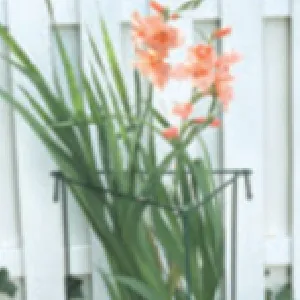
Customization, applications, and quick case notes
Customization: diameters, lengths (0.6–2.4 m), colorways (green, brown, black), ribbing, caps, and quick-lock rings. Industries: horticulture retail, greenhouse growers, landscaping contractors, municipal parks. Applications range from vineyard leaders to peony rings and even espalier frames—surprisingly versatile once you start mixing hoop and stake sets.
- California market garden: upgraded to thicker PVC; 23% fewer mid-season replacements on garden plant supports.
- London rooftop beds: wind-prone; switched to hoop sets with cross-brace, zero blowdowns in a spring gale (anecdotal, but convincing).
- Municipal borders in Dubai: UV-intense site; matte black coating held color through year two with minimal chalking.
How to buy smart
Ask for coating thickness, UV test hours, and adhesion results (ASTM D3359). Request a few pieces to stress: bend to 30°, hose with cold water, then leave in full sun. If the sheath crazes or slides, pass. It’s a tiny bit nerdy, I guess, but your plants will thank you.
References
- ASTM B117 – Standard Practice for Operating Salt Spray (Fog) Apparatus.
- ASTM G154 – Standard Practice for UV Exposure of Nonmetallic Materials.
- ASTM D3359 / ISO 2409 – Coating adhesion cross-cut tests.
- EN 10245 – Polymer coatings on steel wire, general requirements.
- Royal Horticultural Society (RHS): Plant support guidance and staking best practices.
-
Professional Guide to fix leaning fence post and Stabilize Fences
NewsApr.16,2026
-
Professional Guide for Effective Leaning Fence Post Repair
NewsApr.09,2026
-
Comprehensive Guide to Effectively Fix Fence Post and Ensure Stability
NewsApr.07,2026
-
Comprehensive Guide to Effective and Lasting Fence Post Repair Solutions
NewsApr.04,2026
-
A Comprehensive Guide to Successfully Installing Fence Posts for Longevity
NewsMar.31,2026
-
Comprehensive Guide to Effective and Lasting Repairing Fence Post Solutions
NewsMar.28,2026