
-
Email:zhao@hyliec.cn
-
Tel:+86 311 85273988
-
WhatsAPP:8613931128750
Temporary Fence Panels - Durable, Easy Install, Affordable
Temporary Panel Fence: what’s new, what matters, and what actually lasts
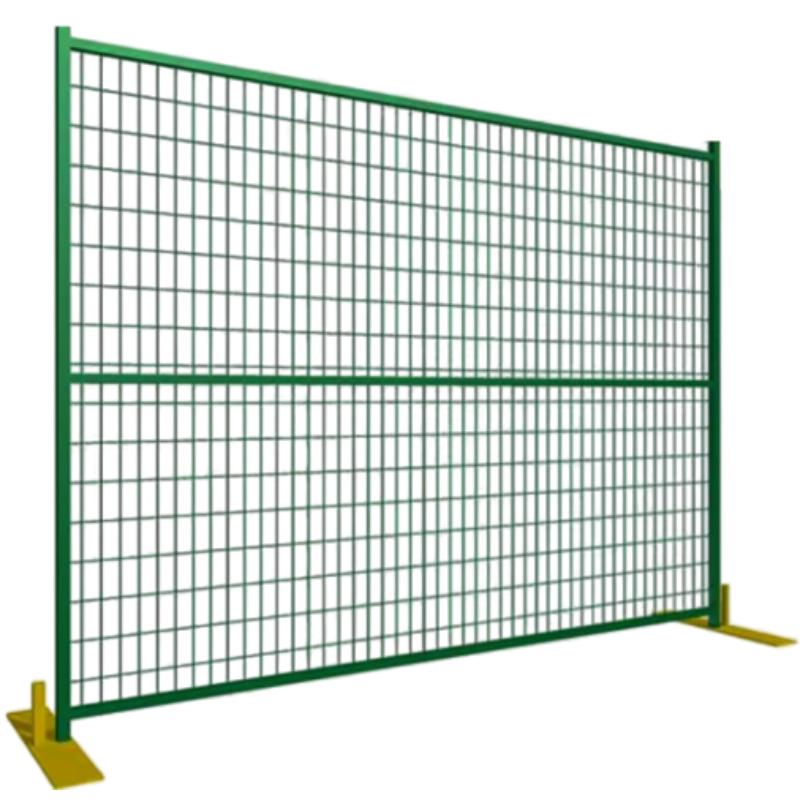
If you’ve ever managed a site on a windy Friday at 4:30pm, you already know: good fencing isn’t optional. For buyers comparing temporary fence panels, the details—coating, welds, base design—decide whether your crew goes home early or spends the evening chasing toppled barriers. I’ve specified and inspected more systems than I can count; some look fine on paper but don’t survive their first storm. This one’s a straight-talker’s guide, with specs, field notes, and a few hard-won lessons.
What’s trending (and why it matters)
Three shifts I keep seeing: tougher coatings, smarter bases, and faster customization. Event companies want color-matched panels; contractors ask for thicker zinc and better anti-climb meshes. In fact, many customers say they’ll pay a bit more for panels that stack tightly and rattle less. It sounds trivial—until you’re moving 300 pieces a day.
Construction and finishes: the boring details that save budgets
Hyliec’s Temporary Panel Fence (Origin: China) ships in two main finishes. Powder-coated panels use pre-galv steel plus polyester powder (popular colors: RAL6005, RAL1023, RAL7016, RAL9005). For harsher sites, the HDG version is welded from black steel then hot-dip galvanized. To be honest, HDG is my default for coastal or long-term yards; powder coat wins when branding and clean aesthetics matter.
| Spec | Typical Range (≈/about) | Notes (real-world use may vary) |
|---|---|---|
| Panel size | 2.1×2.4 m to 2.1×3.0 m | Custom sizes on request |
| Mesh aperture | 60×150 mm or 50×100 mm | Anti-climb preferred on events |
| Wire diameter | 3.0–4.0 mm | Thicker wire = less panel flex |
| Frame tube | Ø32–40 mm, 1.5–2.0 mm wall | Corner gussets recommended |
| Finish | Powder coat or HDG | HDG per ISO 1461/ASTM A123 |
| Zinc coating | ≥600 g/m² (HDG) | Salt spray 720–1000 h (ASTM B117) |
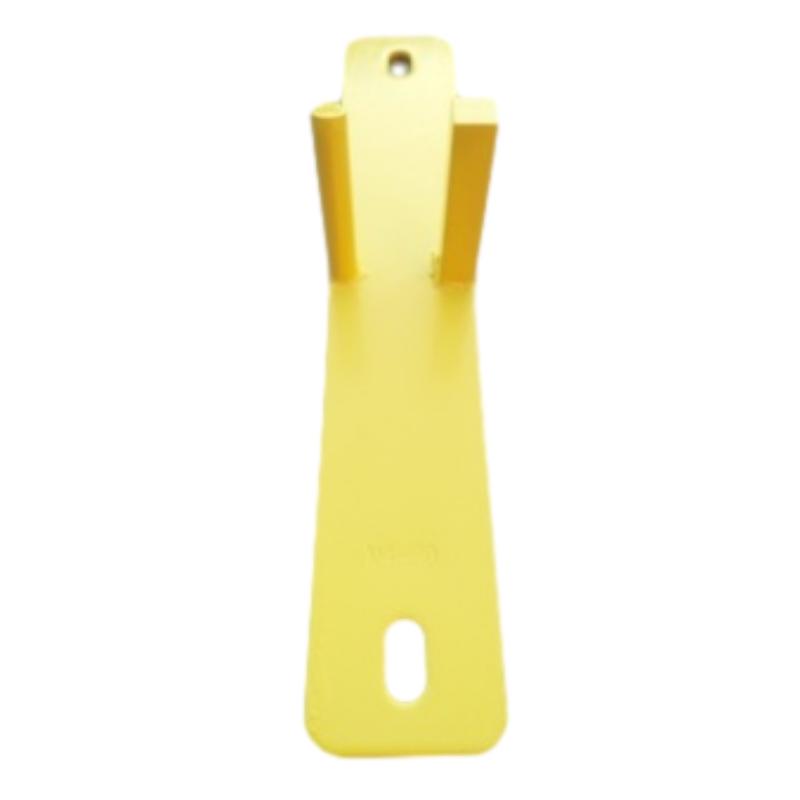
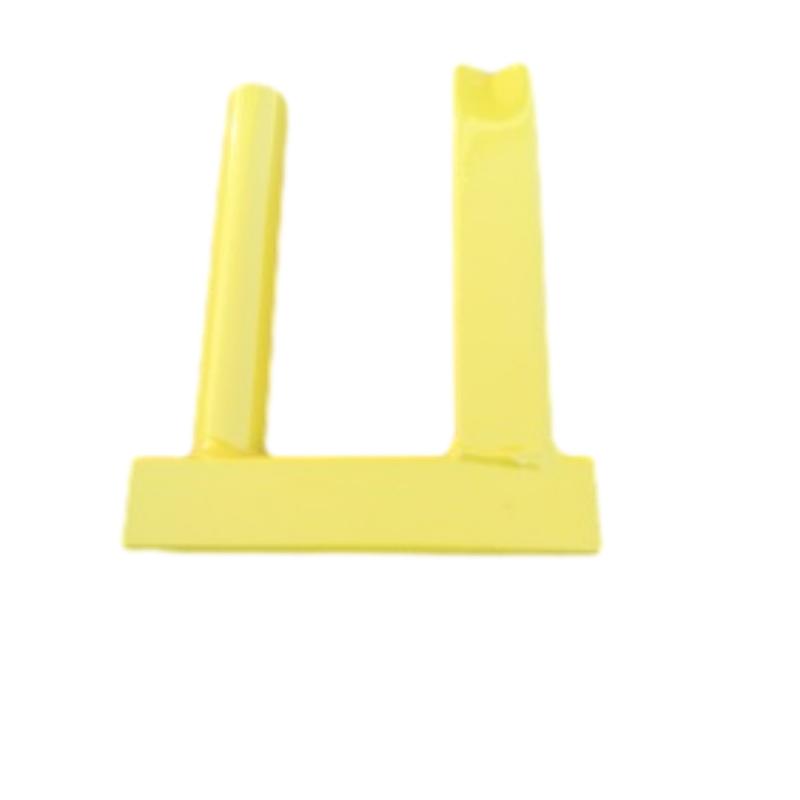
| Base options | Recycled rubber, HDG feet | Wind bracing for high loads |
Process flow (short version): material prep → precision welding (low-spatter) → surface cleaning → HDG dipping per ISO 1461 or polyester powder coat bake → QC dimensional and weld tests → salt spray sampling (ASTM B117) → labeling and stacking. Service life: ≈5–8 years (powder coat, inland) and ≈10–15 years (HDG), assuming normal handling.
Where they’re used (and what crews say)
Construction perimeters, public-works dig sites, festivals, utilities, mining laydowns, emergency cordons—the usual suspects. One foreman told me their temporary fence panels “finally stack straight; less rattling on the truck,” which sounds minor until you cut load times by 20%. For events, color-matched powder coat (RAL7016 is trending) keeps sponsors happy without compromising weld integrity.
Testing and compliance: wind actions referenced to AS 4687 and site wind assessments (AS/NZS 1170.2 principles); galvanizing per ISO 1461 / ASTM A123; wire coatings per EN 10244-2; general site barricade practices aligned with OSHA 29 CFR 1926. To be honest, paperwork won’t stop a gale—but bracing and correct base spacing will.
Vendor snapshot (why specs beat slogans)
| Vendor | Finish & Zinc | Customization | Lead Time | Certs |
|---|---|---|---|---|
| Hyliec (China) | Powder coat; HDG ≥600 g/m² | Sizes, colors, mesh, logos | ≈20–30 days | ISO 1461 / ASTM A123, internal QC |
| Local rental brand | Mixed stock; coating varies | Limited | Immediate (stock) | Varies by depot |
| Generic import | Pre-galv; lighter zinc | Some options | ≈30–45 days | Limited evidence |
Field data and quick case notes
- Wind and stability: with bracing at 45°, rubber bases at 2.4 m spacing, panels withstood ≈25–28 m/s gusts in a yard test (open terrain). Always verify on-site loads.
- Salt spray: powder-coated sets, 500–720 h; HDG sets, 720–1000 h (ASTM B117 sampling). Minor white rust observed; no red rust on welds.
- Event—city marathon: 1,600 linear meters, RAL7016, anti-climb mesh. Crew time cut ≈18% thanks to consistent coupler alignment.
- Utility outage yard (coastal): switched to temporary fence panels in HDG; zero panel replacements after 14 months, versus 6% annual loss previously.
Bottom line
Choose powder-coated for branding and clean urban sites; HDG for longevity and salt air. Prioritize weld quality, zinc mass, base design, and bracing kits. And, I guess, listen to your crew: if panels stack tight and rattle less, you’ll feel it in transport costs.
Authoritative references
- ISO 1461: Hot dip galvanized coatings on fabricated iron and steel products
- ASTM A123/A123M: Zinc (Hot-Dip Galvanized) Coatings on Iron and Steel Products
- AS 4687: Temporary fencing and hoardings (Australia)
- ASTM B117: Standard Practice for Operating Salt Spray (Fog) Apparatus
- OSHA 29 CFR 1926 Subpart G: Signs, Signals, and Barricades (site safety context)
-
Professional Guide to fix leaning fence post and Stabilize Fences
NewsApr.16,2026
-
Professional Guide for Effective Leaning Fence Post Repair
NewsApr.09,2026
-
Comprehensive Guide to Effectively Fix Fence Post and Ensure Stability
NewsApr.07,2026
-
Comprehensive Guide to Effective and Lasting Fence Post Repair Solutions
NewsApr.04,2026
-
A Comprehensive Guide to Successfully Installing Fence Posts for Longevity
NewsMar.31,2026
-
Comprehensive Guide to Effective and Lasting Repairing Fence Post Solutions
NewsMar.28,2026