
-
Email:zhao@hyliec.cn
-
Tel:+86 311 85273988
-
WhatsAPP:8613931128750
Your Location:
Jun . 24, 2024 02:33
Back to list
Using Chicken Wire to Protect Plants
Using Chicken Wire to Protect Plants A Versatile and Effective Solution
In the world of gardening, protecting plants from pests and unwanted animals is a constant challenge. Many gardeners resort to using chemical pesticides, which can be harmful to both the environment and human health. However, there is an alternative solution that is both effective and environmentally friendly using chicken wire.
Chicken wire, also known as hardware cloth, is a versatile material that is commonly used in construction and agriculture. It is made of thin, galvanized steel wires woven together to form a strong mesh. This mesh is then used to create barriers that can protect plants from a variety of pests and animals.
One of the main advantages of using chicken wire is that it allows air and water to pass through, while still providing a physical barrier. This means that plants can continue to grow and thrive behind the wire mesh, without being suffocated or damaged by the material. Additionally, chicken wire is relatively inexpensive and easy to install, making it a practical choice for many gardeners.
When choosing chicken wire for plant protection, it is important to select the appropriate size and gauge. The gauge refers to the thickness of the wires, with higher numbers indicating thinner wires The gauge refers to the thickness of the wires, with higher numbers indicating thinner wires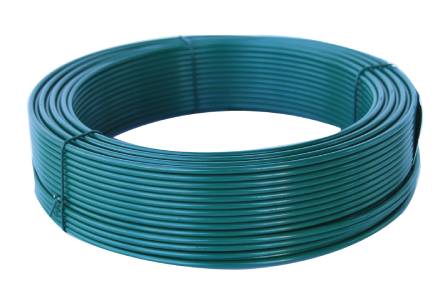 The gauge refers to the thickness of the wires, with higher numbers indicating thinner wires The gauge refers to the thickness of the wires, with higher numbers indicating thinner wiresusing chicken wire to protect plants. Thinner wires are more flexible and easier to bend, but may not provide as much protection against larger animals. Thicker wires, on the other hand, are more durable and better suited for protecting plants from larger pests and animals.
There are many different ways to use chicken wire to protect plants. One common method is to create a cage around individual plants, such as tomato plants or berry bushes. This can help to prevent birds, rabbits, and other small animals from eating the fruits or foliage. Another option is to use chicken wire to create a barrier around an entire garden area, which can help to keep out larger animals such as deer or raccoons.
In conclusion, using chicken wire to protect plants is a simple and effective solution that offers many benefits over traditional chemical pesticides. By providing a physical barrier while still allowing air and water to pass through, chicken wire allows plants to grow and thrive without the negative effects of chemicals. Whether you are protecting individual plants or an entire garden area, chicken wire is a versatile and environmentally friendly tool that every gardener should consider.
The gauge refers to the thickness of the wires, with higher numbers indicating thinner wires The gauge refers to the thickness of the wires, with higher numbers indicating thinner wiresusing chicken wire to protect plants. Thinner wires are more flexible and easier to bend, but may not provide as much protection against larger animals. Thicker wires, on the other hand, are more durable and better suited for protecting plants from larger pests and animals.
There are many different ways to use chicken wire to protect plants. One common method is to create a cage around individual plants, such as tomato plants or berry bushes. This can help to prevent birds, rabbits, and other small animals from eating the fruits or foliage. Another option is to use chicken wire to create a barrier around an entire garden area, which can help to keep out larger animals such as deer or raccoons.
In conclusion, using chicken wire to protect plants is a simple and effective solution that offers many benefits over traditional chemical pesticides. By providing a physical barrier while still allowing air and water to pass through, chicken wire allows plants to grow and thrive without the negative effects of chemicals. Whether you are protecting individual plants or an entire garden area, chicken wire is a versatile and environmentally friendly tool that every gardener should consider.
The gauge refers to the thickness of the wires, with higher numbers indicating thinner wires The gauge refers to the thickness of the wires, with higher numbers indicating thinner wiresusing chicken wire to protect plants. Thinner wires are more flexible and easier to bend, but may not provide as much protection against larger animals. Thicker wires, on the other hand, are more durable and better suited for protecting plants from larger pests and animals.
There are many different ways to use chicken wire to protect plants. One common method is to create a cage around individual plants, such as tomato plants or berry bushes. This can help to prevent birds, rabbits, and other small animals from eating the fruits or foliage. Another option is to use chicken wire to create a barrier around an entire garden area, which can help to keep out larger animals such as deer or raccoons.
In conclusion, using chicken wire to protect plants is a simple and effective solution that offers many benefits over traditional chemical pesticides. By providing a physical barrier while still allowing air and water to pass through, chicken wire allows plants to grow and thrive without the negative effects of chemicals. Whether you are protecting individual plants or an entire garden area, chicken wire is a versatile and environmentally friendly tool that every gardener should consider. Latest news
-
Professional Guide to fix leaning fence post and Stabilize Fences
NewsApr.16,2026
-
Professional Guide for Effective Leaning Fence Post Repair
NewsApr.09,2026
-
Comprehensive Guide to Effectively Fix Fence Post and Ensure Stability
NewsApr.07,2026
-
Comprehensive Guide to Effective and Lasting Fence Post Repair Solutions
NewsApr.04,2026
-
A Comprehensive Guide to Successfully Installing Fence Posts for Longevity
NewsMar.31,2026
-
Comprehensive Guide to Effective and Lasting Repairing Fence Post Solutions
NewsMar.28,2026