
-
Email:zhao@hyliec.cn
-
Tel:+86 311 85273988
-
WhatsAPP:8613931128750
Expert Guide to Efficiently Pulling Fence Posts and Ensuring Safety
Pulling Fence Posts: A Comprehensive Guide
Removing old or damaged fence posts can be a challenging task. Understanding the correct techniques and utilizing the right tools are crucial for a safe and efficient process. This article will provide a detailed guide on pulling fence posts, covering various methods, necessary equipment, safety precautions, and tips for handling stubborn posts. Whether you’re a homeowner tackling a small project or a professional fencing contractor, this information will be invaluable. Efficient fence post removal sets the stage for successful fence repairs and installations.

Methods for Pulling Fence Posts
Several methods can be employed for removing fence posts, each suited to different post types, soil conditions, and available equipment. The most common techniques include using a fence post puller (either manual or hydraulic), a jack, a chain and vehicle, and even manual digging. The choice depends on the number of posts you need to remove, the depth to which they are set, and the surrounding terrain. A careful assessment of these factors will help determine the most appropriate and efficient approach.
Key Considerations: Soil type (clay, sand, loam), post material (wood, metal, vinyl), post depth, and available equipment will all impact the best removal method.
Essential Equipment for Fence Post Removal
Regardless of the chosen method, certain equipment is essential for safely and effectively pulling fence posts. These include safety glasses, work gloves, sturdy boots, a shovel, a pry bar, and the specific tool for your chosen removal method (fence post puller, jack, chain, etc.). Having the right tools prevents damage to the posts and surrounding property and minimizes the risk of injury.
Essential Equipment List:
• Safety Glasses
• Work Gloves
• Sturdy Boots
• Shovel
• Pry Bar
• Fence Post Puller (Manual or Hydraulic)
Comparing Fence Post Removal Methods
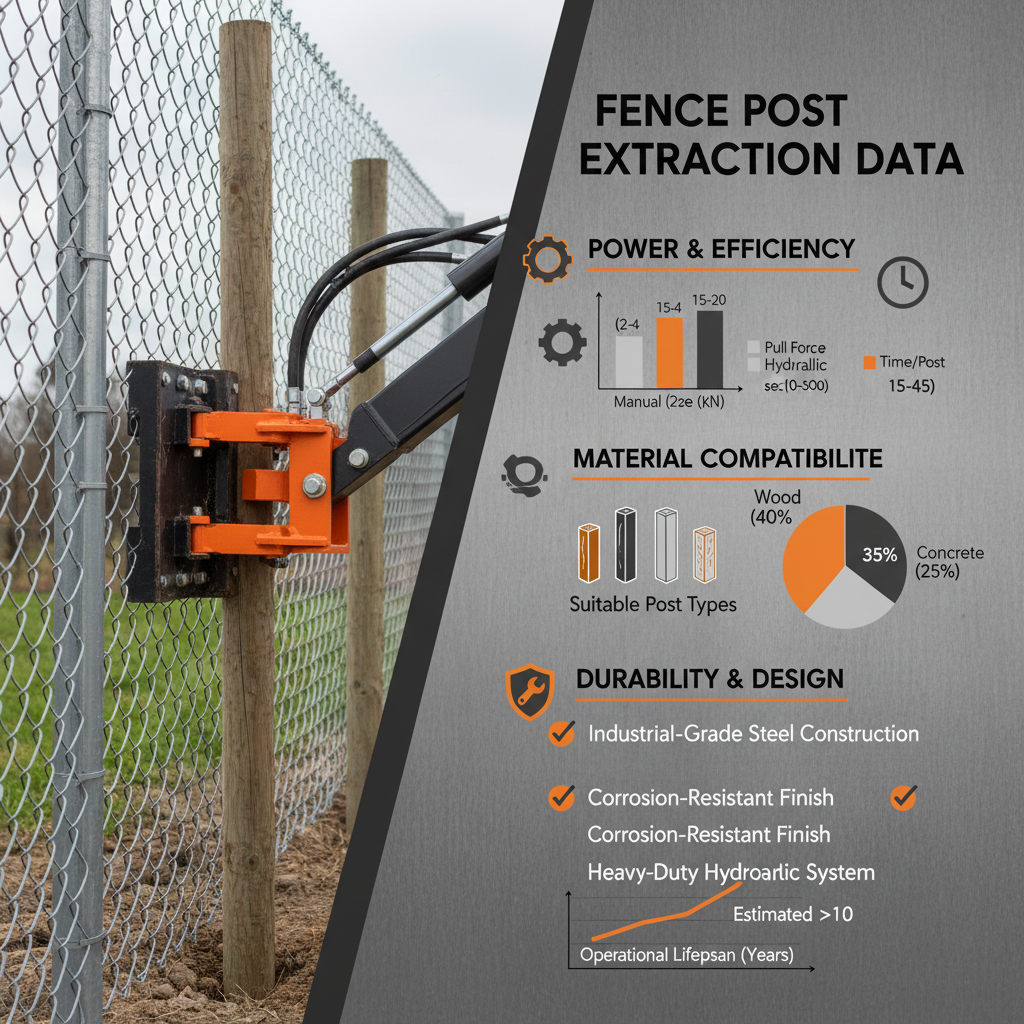
Different removal methods offer varying degrees of efficiency and require different levels of physical effort. A manual fence post puller is suitable for smaller jobs with relatively shallow posts, while a hydraulic puller offers greater power for deeper and more stubborn posts. Using a jack can be effective but requires careful positioning and stabilization. A chain and vehicle provide significant pulling force but pose a higher risk of damage if not executed correctly.
Safety Precautions When Pulling Fence Posts
Safety should always be the top priority when removing fence posts. Wear appropriate personal protective equipment (PPE) at all times, including safety glasses, gloves, and sturdy boots. Be aware of underground utilities before digging. Exercise caution when using machinery and ensure the work area is clear of bystanders. If a post is particularly stubborn, avoid excessive force, which could lead to injury or equipment damage. Consider calling a professional if you're uncomfortable with any aspect of the removal process.
Tips for Handling Stubborn Fence Posts
Sometimes, fence posts can be exceptionally difficult to remove due to concrete footings, tightly packed soil, or corrosion. In such cases, consider loosening the soil around the post with a digging bar or shovel. For posts set in concrete, you might need to break up the concrete footing with a jackhammer. If you're struggling, don't hesitate to seek assistance from a professional fencing contractor. Hyliec Fence offers expert fence removal services and can handle even the most challenging situations.
Conclusion: Safe and Efficient Fence Post Removal
Successfully pulling fence posts requires careful planning, the right equipment, and a commitment to safety. By following the guidelines outlined in this article, you can tackle this task with confidence. Remember to prioritize safety, choose the appropriate method for your situation, and seek professional help when needed. A well-executed removal process sets the foundation for a beautiful and secure fence.
Frequently Asked Questions (FAQs)
What should I do if I encounter a utility line while digging?
Immediately stop digging and contact your local utility companies or a "Call Before You Dig" service. Damaging underground utility lines can be extremely dangerous and costly. It's crucial to have the area marked before you begin any digging work. Never attempt to excavate around a suspected utility line yourself. The "Call Before You Dig" service will locate and mark underground utilities for free, ensuring your safety and preventing accidental damage.
How do I dispose of old fence posts?
Disposal methods vary depending on the post material. Wooden posts can often be recycled or used as firewood (if untreated). Metal posts can be taken to a scrap metal recycling center. Vinyl posts may require disposal at a landfill. Check with your local waste management authorities for specific regulations and options in your area. Some fencing companies may also offer post removal and disposal services.
Can I pull fence posts myself, or should I hire a professional?
If you're comfortable using the necessary tools and equipment, and the posts are relatively shallow and easy to remove, you can likely handle the task yourself. However, if the posts are deep, stubborn, or if you're concerned about safety or potential damage, it's best to hire a professional. Professionals have the experience, equipment, and insurance to handle the job safely and efficiently. Contact Hyliec Fence for a quote.
What is the best time of year to remove fence posts?
Generally, fall or early spring is the best time to remove fence posts. The ground is usually softer after periods of rain, making it easier to dig and pull the posts. Avoid removing posts during extremely hot or dry weather, as the ground will be harder and more challenging to work with. Also, avoid working in frozen ground, as it can damage equipment and increase the risk of injury.
-
Professional Guide to fix leaning fence post and Stabilize Fences
NewsApr.16,2026
-
Professional Guide for Effective Leaning Fence Post Repair
NewsApr.09,2026
-
Comprehensive Guide to Effectively Fix Fence Post and Ensure Stability
NewsApr.07,2026
-
Comprehensive Guide to Effective and Lasting Fence Post Repair Solutions
NewsApr.04,2026
-
A Comprehensive Guide to Successfully Installing Fence Posts for Longevity
NewsMar.31,2026
-
Comprehensive Guide to Effective and Lasting Repairing Fence Post Solutions
NewsMar.28,2026