
-
Email:zhao@hyliec.cn
-
Tel:+86 311 85273988
-
WhatsAPP:8613931128750
Comprehensive Guide to Fence Post Cost Factors and Material Choices
Understanding Fence Post Cost: A Comprehensive Guide
Determining the fence post cost can be surprisingly complex. It’s not simply a matter of price per post; numerous factors influence the total expense, from material selection and post length to quantity and installation. This guide will break down these elements, providing you with a clear understanding of what to expect when budgeting for your fencing project. We'll cover everything from wood to vinyl and metal options, helping you make informed decisions to optimize both cost and durability.
Factors Influencing Fence Post Cost
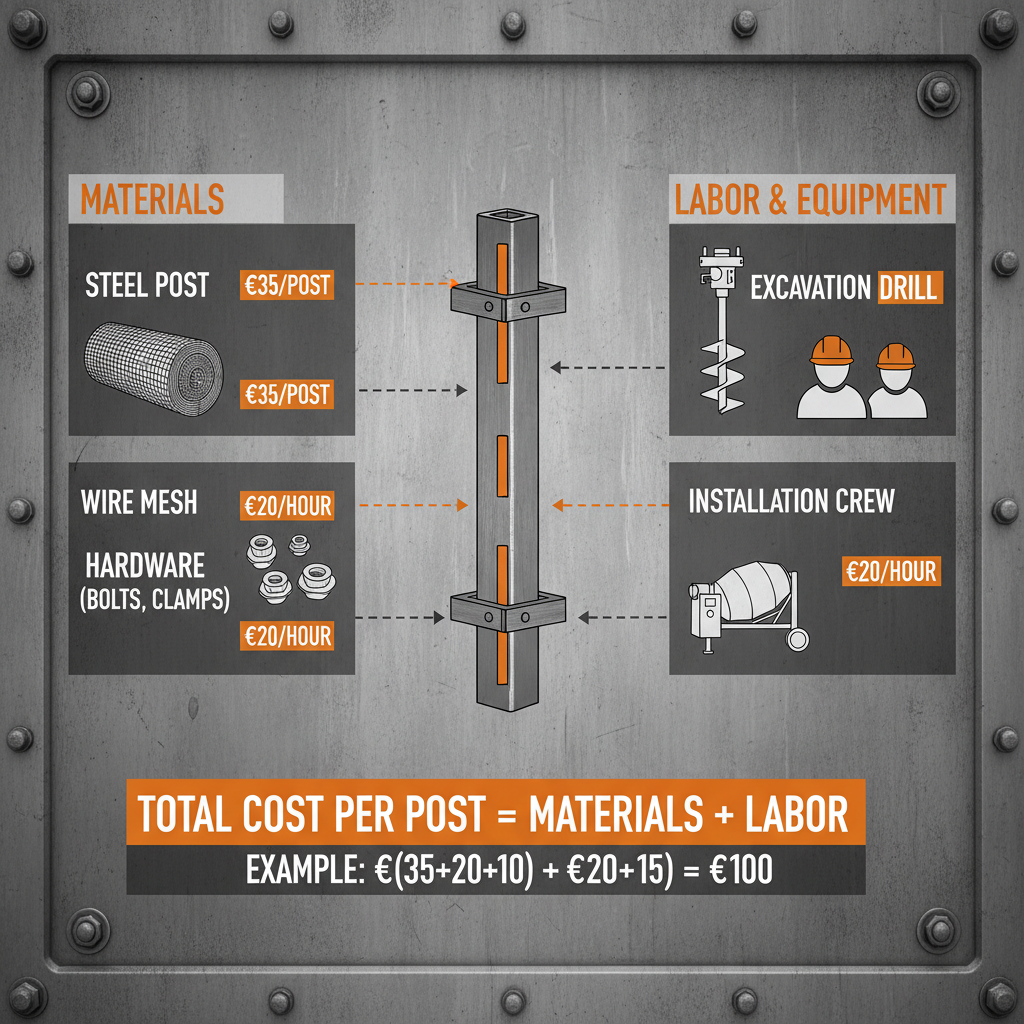
Several key elements contribute to the overall cost of fence posts. The material is a major driver, with wood typically being the most affordable upfront, but potentially requiring more maintenance and replacement over time. Vinyl offers durability and low maintenance but comes at a higher initial price point. Metal posts, such as steel or aluminum, provide strength and longevity, often used for specialized fencing like chain link, and their cost varies depending on the gauge and finish. Post length is another crucial factor; taller fences require longer posts, increasing material costs. Furthermore, the quantity purchased significantly impacts the price – buying in bulk from suppliers like Hyliec Fence often unlocks substantial discounts.
Key Considerations: Material, post length, quantity purchased, and location are all influential in determining the final price.
A Comparison of Common Fence Post Materials
Different materials have vastly different price points and long-term costs. Wood, while initially cheaper, requires regular staining, sealing, and potential replacement due to rot or insect damage. Vinyl is durable and low-maintenance, but the upfront cost is higher. Metal posts offer exceptional strength and longevity, ideal for security fencing, but may be susceptible to rust (depending on the coating). Understanding these trade-offs is crucial for making the right choice for your needs and budget.
Material Comparison:
• Wood: Lowest initial cost, high maintenance, shorter lifespan.
• Vinyl: Moderate to high initial cost, low maintenance, long lifespan.
• Metal (Steel/Aluminum): High initial cost, very durable, potential for rust (steel).
Fence Post Cost Breakdown by Material
Here’s a general breakdown of fence post costs per linear foot, as of late 2023/early 2024. These prices can fluctuate based on location, supplier, and quantity purchased. Remember to factor in additional costs like concrete for setting the posts and any necessary hardware.
Hidden Costs to Consider
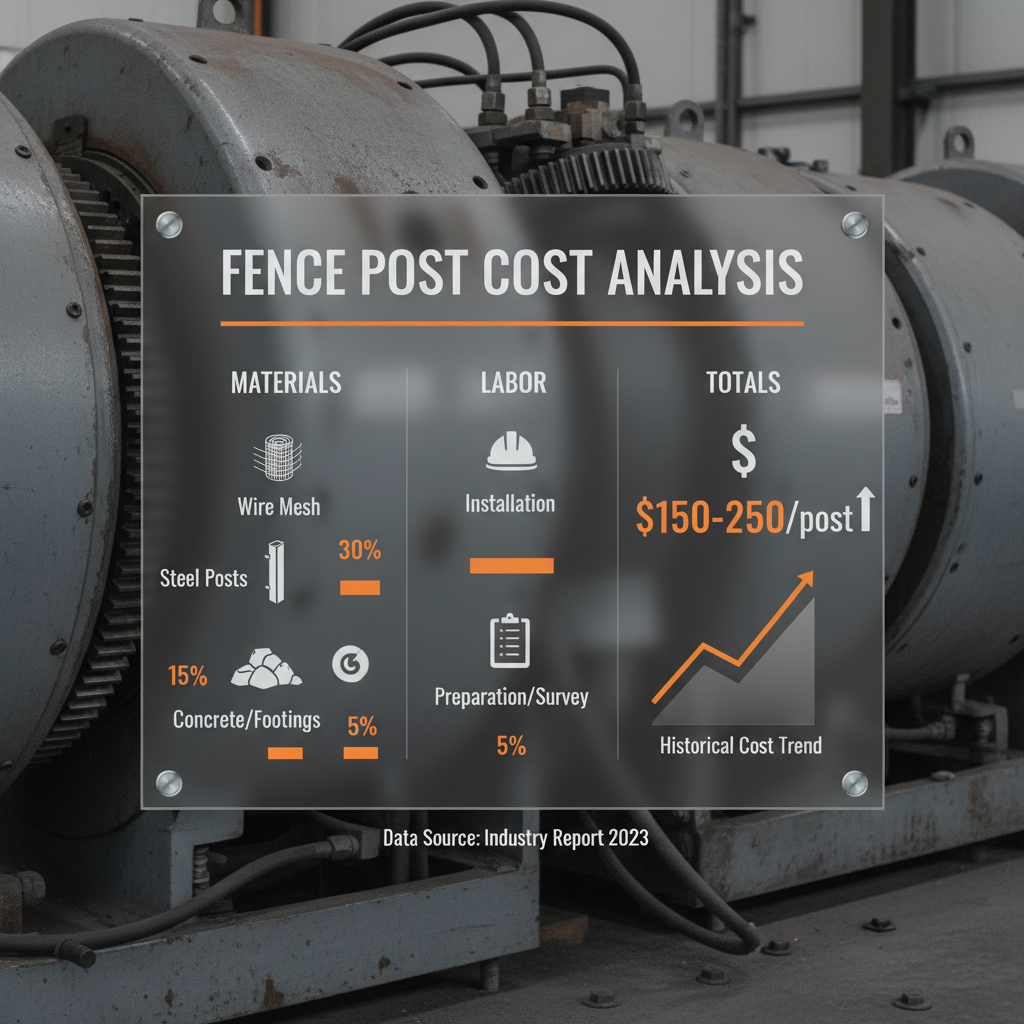
Beyond the cost of the posts themselves, don't overlook additional expenses. Concrete for setting the posts is essential, and the amount needed depends on post size and soil conditions. Hardware like brackets and fasteners also add to the total. If you’re not a DIY enthusiast, professional installation costs can be a significant factor. And remember to factor in potential costs for site preparation, such as clearing vegetation or leveling the ground. Contacting a professional fence contractor can provide a more accurate estimate tailored to your specific project.
Optimizing Your Fence Post Budget
To manage your fence post cost effectively, get multiple quotes from different suppliers. Consider buying in bulk to secure discounts. Evaluate your needs carefully – a simpler fence design might require fewer posts and reduce overall expenses. And, if you're comfortable with DIY, tackling the installation yourself can save significant labor costs. Don't hesitate to explore different material options to find the best balance between cost, durability, and aesthetics. Hyliec Fence offers competitive pricing and expert advice to help you make informed decisions.
Conclusion: Making an Informed Decision on Fence Post Costs
Understanding the factors influencing fence post cost is essential for successful project planning. By carefully considering material options, quantity, installation methods, and potential hidden costs, you can stay within budget while achieving a durable and aesthetically pleasing fence. Don't hesitate to seek expert advice and compare quotes to ensure you get the best value for your investment.
Frequently Asked Questions (FAQs)
How much concrete do I need per fence post?
The amount of concrete needed depends on the post size, depth of the hole, and soil conditions. A general guideline is to use approximately 1/2 to 1 cubic foot of concrete per post. For a standard 4x4 post set 2 feet deep, you'll likely need around 0.75 cubic feet of concrete. Pre-mixed concrete bags are readily available and simplify the process. Remember to follow the manufacturer’s instructions for proper mixing and application. Ensure the concrete adequately fills the hole around the post for maximum stability.
What’s the best depth for setting fence posts?
A general rule of thumb is to set fence posts at least 1/3 of their total length underground. For a 6-foot fence, this means a post depth of at least 2 feet. In areas with frost heave, you need to dig below the frost line to prevent the posts from being pushed upward during freezing and thawing cycles. This depth can vary significantly depending on your geographical location. Consult local building codes or a fencing professional to determine the appropriate depth for your region.
Can I use treated lumber for ground contact?
Yes, but it must be specifically rated for ground contact. Look for lumber labeled "Ground Contact Treated" or similar. This indicates that it has undergone a more intensive treatment process to resist rot, decay, and insect damage when in direct contact with the soil. Untreated or improperly treated lumber will quickly deteriorate when buried, leading to fence failure. Always use appropriate fasteners that are compatible with treated lumber to avoid corrosion.
How do I calculate the number of fence posts I need?
Typically, fence posts are spaced 6 to 8 feet apart. To determine the number of posts needed, divide the total fence length by the desired post spacing. For example, a 100-foot fence with 8-foot spacing would require 13 posts (100 / 8 = 12.5, rounded up to 13). Remember to add a post at the beginning and end of the fence line. If your fence includes gates, you'll need additional posts to support the gate frames.
-
Professional Guide to fix leaning fence post and Stabilize Fences
NewsApr.16,2026
-
Professional Guide for Effective Leaning Fence Post Repair
NewsApr.09,2026
-
Comprehensive Guide to Effectively Fix Fence Post and Ensure Stability
NewsApr.07,2026
-
Comprehensive Guide to Effective and Lasting Fence Post Repair Solutions
NewsApr.04,2026
-
A Comprehensive Guide to Successfully Installing Fence Posts for Longevity
NewsMar.31,2026
-
Comprehensive Guide to Effective and Lasting Repairing Fence Post Solutions
NewsMar.28,2026