
-
Email:zhao@hyliec.cn
-
Tel:+86 311 85273988
-
WhatsAPP:8613931128750
Choosing the Best Fence Post Supplier for Durable and Beautiful Fencing
Finding the Right Fence Post Supplier: A Comprehensive Guide
Choosing a reliable fence post supplier is crucial for any fencing project, large or small. From ensuring the longevity of your fence to maintaining its structural integrity, the quality of the posts directly impacts the overall success. This guide will walk you through the key considerations when selecting a supplier, the different types of fence posts available, and how to assess the quality to ensure a durable and aesthetically pleasing result. Whether you're a homeowner tackling a DIY project or a contractor managing a large-scale installation, understanding these factors will save you time, money, and potential headaches.
What to Look for in a Fence Post Supplier
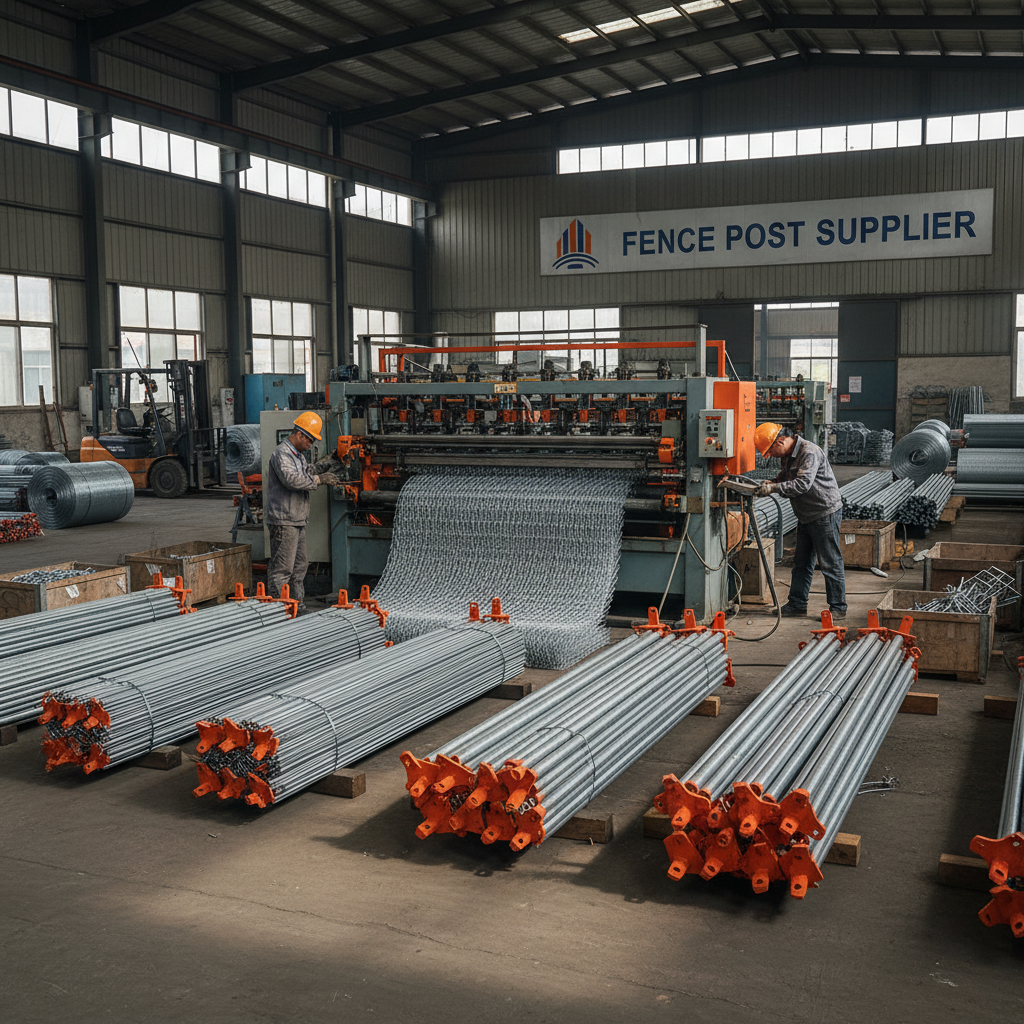
When selecting a fence post supplier, consider their experience, product range, and commitment to quality. A reputable supplier will offer a variety of post materials, including wood, vinyl, metal, and composite options, to suit diverse needs and budgets. They should also be able to provide guidance on the appropriate post size and type for your specific fencing application. Furthermore, excellent customer service, competitive pricing, and efficient delivery are essential indicators of a trustworthy partner. Don't hesitate to ask for references or visit their facility to assess the quality of their products firsthand.
Key Considerations: A reputable supplier should offer a variety of post materials and be able to provide expert guidance on selecting the best option for your project.
Types of Fence Posts Available
The type of fence post you choose will depend on factors like your budget, aesthetic preferences, and the climate you live in. Common options include:
- Wood Posts: Typically pressure-treated pine or cedar, offering a natural look but requiring regular maintenance.
- Vinyl Posts: Low-maintenance and durable, but can be more expensive than wood.
- Metal Posts (Steel or Aluminum): Strong and long-lasting, often used for high-security fencing.
- Composite Posts: A blend of wood fibers and plastic, offering a balance of durability and aesthetics.
Hyliecfence specializes in providing high-quality wood and vinyl fence posts tailored to various needs.
Post Material Comparison:
• Wood: Affordable, natural look, requires maintenance.
• Vinyl: Low-maintenance, durable, higher cost.
• Metal: Strong, long-lasting, often used for security.
• Composite: Balance of durability and aesthetics.
Assessing the Quality of Fence Posts
Quality is paramount when selecting fence posts. Look for posts that are straight, free from knots or cracks, and properly treated to resist rot and insect damage. For wood posts, ensure they have been pressure-treated with a suitable preservative. Vinyl posts should be UV-resistant to prevent fading and brittleness. Metal posts should have a protective coating to prevent rust. Don't compromise on quality, as substandard posts can lead to premature fence failure and costly repairs.
Factors Affecting Fence Post Pricing
The cost of fence posts varies depending on the material, length, diameter, and quantity purchased. Wood posts are generally the most affordable, while vinyl and metal posts tend to be more expensive. Consider also transportation costs and any additional services offered by the supplier, such as cutting or drilling. Comparing quotes from multiple suppliers is essential to ensure you're getting a competitive price without sacrificing quality. Hyliecfence offers transparent pricing and volume discounts.
Why Choose Hyliecfence as Your Fence Post Supplier?
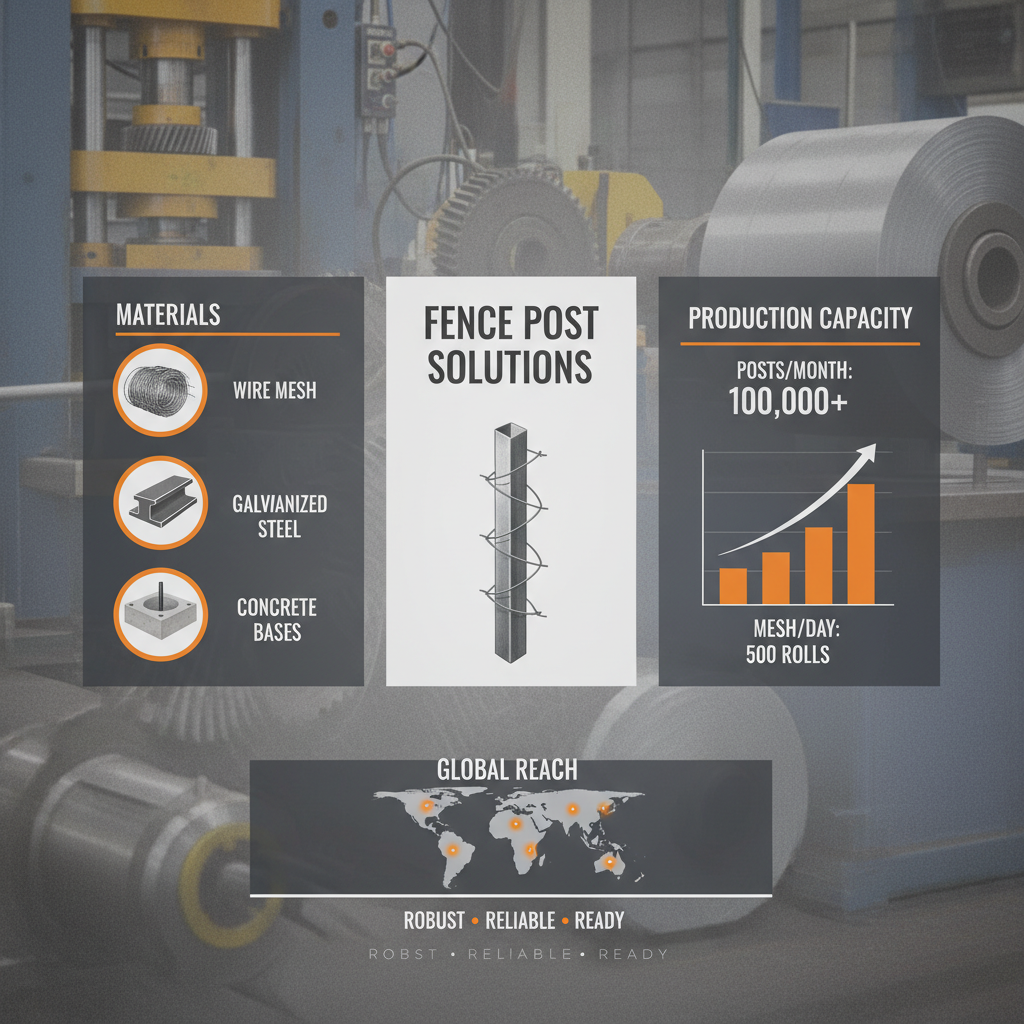
At Hyliecfence, we are dedicated to providing our customers with high-quality fence posts and exceptional service. We offer a wide selection of wood and vinyl posts, sourced from sustainable materials and manufactured to exacting standards. Our experienced team can help you choose the right posts for your specific needs, and we offer competitive pricing and fast delivery. We are committed to ensuring your fencing project is a success.
Conclusion: Building a Strong Foundation with the Right Supplier
Choosing the right fence post supplier is an investment in the longevity and beauty of your fence. By considering factors like material quality, supplier reputation, and pricing, you can ensure a successful and satisfying outcome. Hyliecfence is your trusted partner for all your fencing needs.
Frequently Asked Questions (FAQs)
What is the recommended depth for burying fence posts?
The recommended depth for burying fence posts depends on the height of the fence and the local soil conditions. As a general rule, posts should be buried at least one-third to one-half of their above-ground height. For example, a 6-foot fence post should be buried at least 2 feet deep. In areas with loose or sandy soil, deeper burial may be necessary to provide adequate stability. Consult local building codes for specific requirements.
How can I protect wood fence posts from rot?
Protecting wood fence posts from rot involves several steps. First, ensure the posts are pressure-treated with a suitable preservative. Second, apply a water-repellent sealant to the above-ground portion of the posts. Third, elevate the posts slightly above ground level by using gravel or concrete footings. Finally, regularly inspect the posts for signs of decay and reapply sealant as needed. Proper drainage around the posts is also crucial to prevent moisture buildup.
What are the benefits of using vinyl fence posts?
Vinyl fence posts offer several advantages over traditional wood posts. They are incredibly durable and resistant to rot, insect damage, and weathering. They require minimal maintenance, never needing to be painted or stained. Vinyl posts are also lightweight, making them easier to install. While they may have a higher upfront cost, their long-term durability and low maintenance requirements often make them a more cost-effective choice.
Do you offer delivery services for fence posts?
Yes, Hyliecfence offers convenient delivery services to customers within our service area. We can deliver directly to your home or job site, saving you the time and hassle of picking up the posts yourself. Contact us for a quote on delivery costs and estimated delivery times.
-
Professional Guide to fix leaning fence post and Stabilize Fences
NewsApr.16,2026
-
Professional Guide for Effective Leaning Fence Post Repair
NewsApr.09,2026
-
Comprehensive Guide to Effectively Fix Fence Post and Ensure Stability
NewsApr.07,2026
-
Comprehensive Guide to Effective and Lasting Fence Post Repair Solutions
NewsApr.04,2026
-
A Comprehensive Guide to Successfully Installing Fence Posts for Longevity
NewsMar.31,2026
-
Comprehensive Guide to Effective and Lasting Repairing Fence Post Solutions
NewsMar.28,2026