
-
Email:zhao@hyliec.cn
-
Tel:+86 311 85273988
-
WhatsAPP:8613931128750
Choosing the Right 8 Inch Fence Post for a Long Lasting Fence
Choosing the Right 8 Inch Fence Post for Your Property
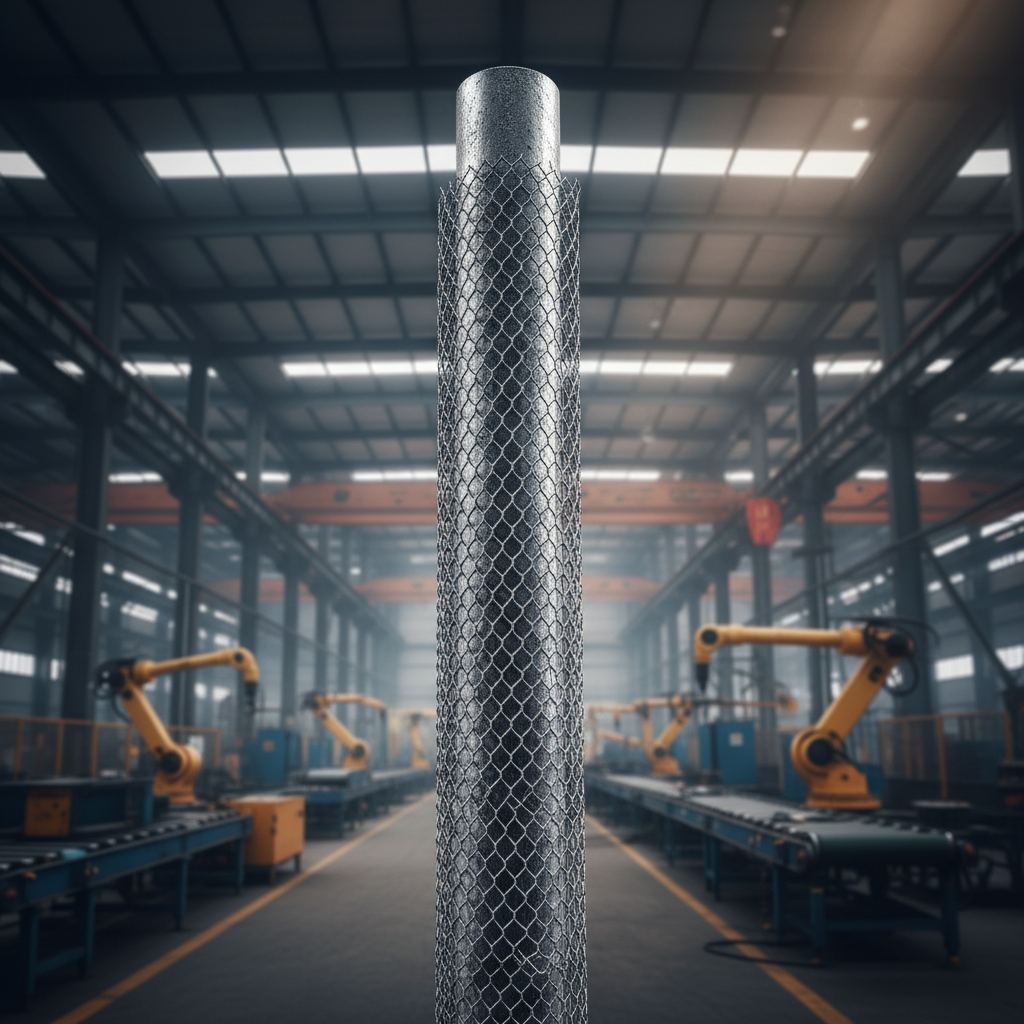
Selecting the appropriate 8 inch fence post is crucial for the longevity and stability of your fence. At Hylie C Fence, we specialize in providing high-quality fence posts designed to withstand various weather conditions and provide lasting support. This guide will cover everything you need to know about 8 inch fence posts, from material options to installation considerations. Investing in the right post ensures a secure and aesthetically pleasing fence for years to come. Let's explore how to choose the best post for your specific needs.
Understanding the Different Materials for 8 Inch Fence Posts
8 inch fence posts come in several material options, each with its own advantages and disadvantages. Wood, vinyl, and metal are the most common choices. Wood is a traditional choice, offering a natural aesthetic and relatively low initial cost. However, it requires regular maintenance to prevent rot and insect damage. Vinyl posts are low-maintenance and resistant to rot, but can be more expensive upfront. Metal posts, such as steel or aluminum, are exceptionally strong and durable, but may be susceptible to rust (steel) or bending (aluminum). Choosing the right material depends on your budget, aesthetic preferences, and the expected lifespan of your fence. At Hylie C Fence, we offer a variety of materials to suit any project.
Key Highlights: Understanding the pros and cons of each material will help you make the best decision for your fencing needs. Consider long-term costs, maintenance requirements, and desired appearance.
The Importance of Post Depth for 8 Inch Fence Posts
The depth to which your 8 inch fence post is set significantly impacts the fence's stability. A general rule of thumb is to bury at least one-third of the post's length in the ground. For example, a 6-foot (72-inch) post should be buried at least 24 inches deep. In areas with high winds or frost heave, deeper post settings are recommended. Proper post depth prevents leaning, shifting, and eventual failure of the fence. Consider soil type; loose, sandy soil requires deeper and wider post holes than compact clay soil. Contact Hylie C Fence for expert advice on optimal post depth for your location.
Post Depth Benefits:
• Increased stability and resistance to wind
• Prevents leaning and shifting
• Protects against frost heave
• Extends the life of your fence
8 Inch Fence Post Materials: A Comparison
To help you decide, here's a detailed comparison of the most common 8 inch fence post materials:
Choosing Hylie C Fence for Your 8 Inch Fence Post Needs
At Hylie C Fence, we understand the importance of quality and durability. We offer a wide selection of 8 inch fence posts in various materials, including treated wood, vinyl, steel, and aluminum. Our experienced team can provide expert guidance to help you choose the right posts for your specific project and budget. We are committed to providing exceptional customer service and ensuring your complete satisfaction. Browse our selection today and experience the Hylie C Fence difference!
Frequently Asked Questions (FAQs)
How often should I replace my 8 inch fence posts?
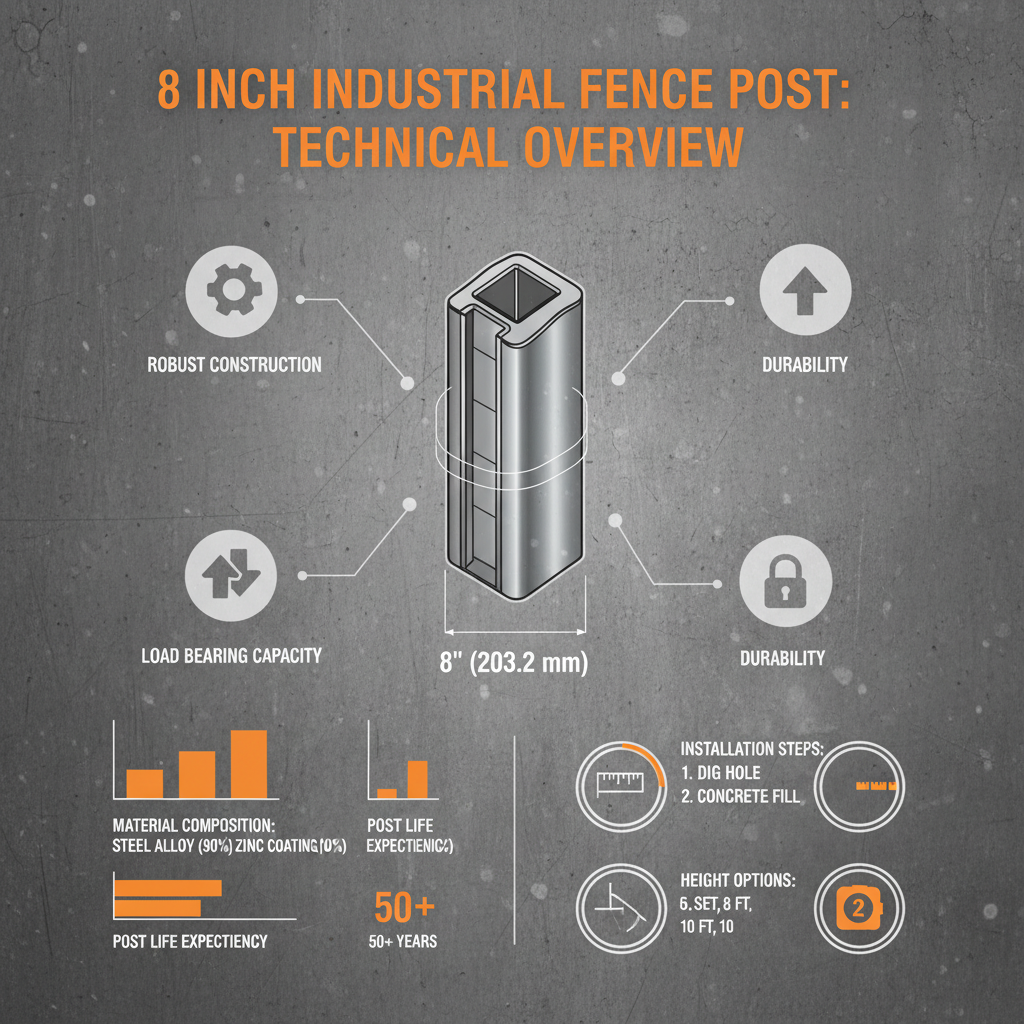
The lifespan of your 8 inch fence posts depends greatly on the material used and the local climate. Wood posts typically last 10-20 years with proper maintenance, while vinyl and steel posts can last 25 years or more. Aluminum posts offer the longest lifespan, potentially exceeding 50 years. Regularly inspect your posts for signs of rot, damage, or instability. If you notice any issues, it's best to replace the post promptly to prevent further damage to your fence. At Hylie C Fence, we can help you assess the condition of your existing posts and recommend replacement options.
What is the best way to prevent rot in wooden 8 inch fence posts?
Preventing rot in wooden fence posts requires consistent maintenance. First, ensure the wood is pressure-treated to resist decay. Apply a wood preservative or sealant every 1-2 years to protect the wood from moisture and insect damage. Elevate the posts slightly off the ground by using gravel or concrete footings to improve drainage. Regularly inspect the posts for signs of rot and address any issues immediately. Proper ventilation around the posts can also help prevent moisture buildup. Consider using post caps to shield the top of the post from rainwater.
Are vinyl 8 inch fence posts more expensive than wood posts?
Yes, vinyl 8 inch fence posts generally have a higher upfront cost compared to wood posts. However, the long-term cost can be lower due to vinyl's minimal maintenance requirements and extended lifespan. Wood posts require regular staining, sealing, and potential replacement due to rot or insect damage, which adds to the overall cost over time. Vinyl posts are resistant to rot, insect damage, and fading, reducing the need for maintenance and replacement.
What type of soil is best for installing 8 inch fence posts?
While 8 inch fence posts can be installed in most soil types, well-draining soil is ideal. Clay soil can retain too much moisture, leading to rot in wood posts. Sandy soil may require deeper and wider post holes for adequate support. Loamy soil, a mix of sand, silt, and clay, provides good drainage and stability. If your soil is particularly poor, consider amending it with gravel or other materials to improve drainage and compaction before installing the posts.
-
Professional Guide to fix leaning fence post and Stabilize Fences
NewsApr.16,2026
-
Professional Guide for Effective Leaning Fence Post Repair
NewsApr.09,2026
-
Comprehensive Guide to Effectively Fix Fence Post and Ensure Stability
NewsApr.07,2026
-
Comprehensive Guide to Effective and Lasting Fence Post Repair Solutions
NewsApr.04,2026
-
A Comprehensive Guide to Successfully Installing Fence Posts for Longevity
NewsMar.31,2026
-
Comprehensive Guide to Effective and Lasting Repairing Fence Post Solutions
NewsMar.28,2026