
-
Email:zhao@hyliec.cn
-
Tel:+86 311 85273988
-
WhatsAPP:8613931128750
Comprehensive Guide to Effective and Lasting Repairing Fence Post Solutions
Repairing Fence Post: A Comprehensive Guide
A damaged fence post can compromise the security and aesthetic appeal of your property. Fortunately, many fence post issues can be addressed with effective repair techniques, saving you the cost of full replacement. This article provides a detailed guide to repairing fence posts, covering common problems, DIY solutions, and when to call a professional. We’ll explore various methods to restore your fence to its former glory and ensure its longevity. Protect your investment and enhance your property's curb appeal with the right fence post repair strategy.
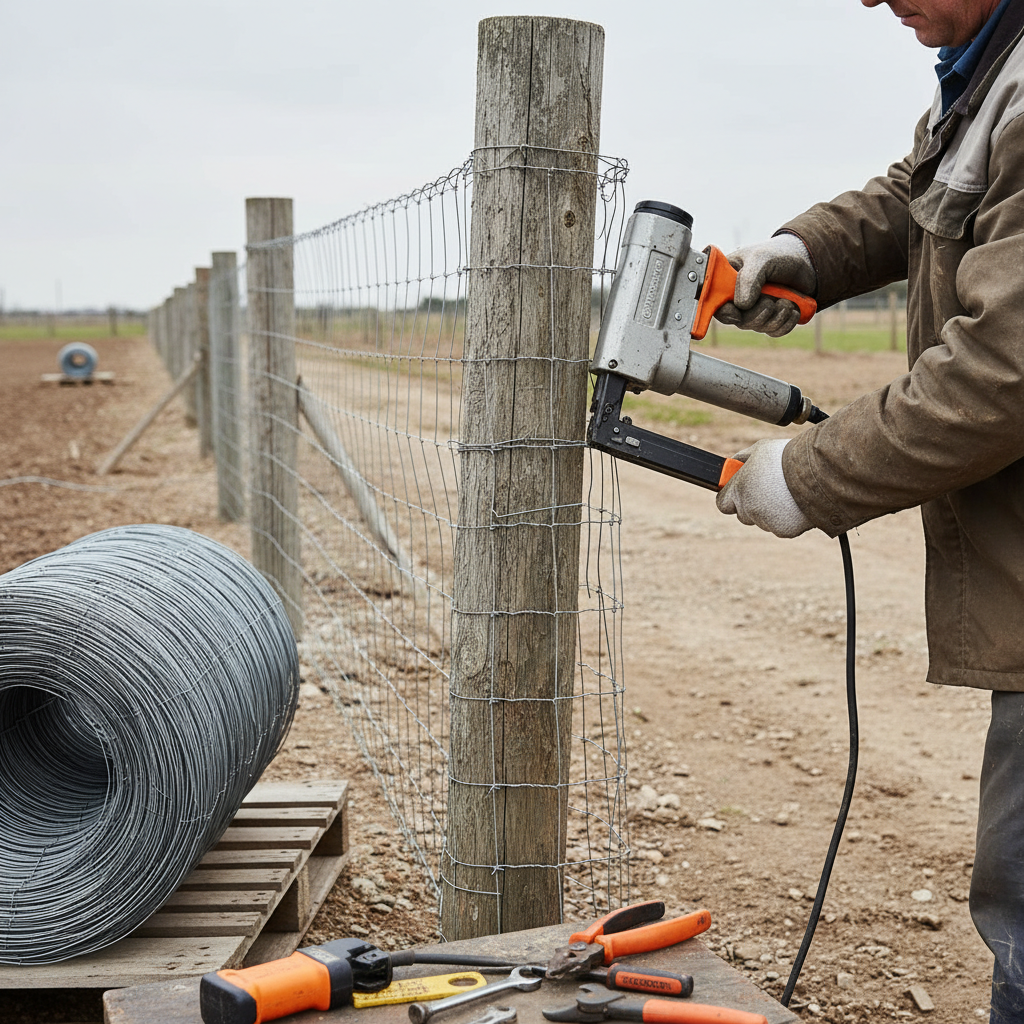
Identifying Common Fence Post Problems
Before embarking on any repair, it's crucial to accurately diagnose the problem. Common issues include rot, leaning, breakage, and loose connections. Rot typically occurs at or below ground level due to moisture exposure. Leaning posts suggest soil instability or compromised structural integrity. Breakage can result from impact or weathering. Loose connections often stem from corroded fasteners or unstable concrete footings. Addressing the root cause is essential for a lasting repair. Ignoring small issues can lead to more extensive and costly problems down the line. A careful inspection will reveal the extent of the damage and guide your repair strategy.
Key Indicators: Rot at the base, noticeable leaning, cracks or breaks in the post, loose or wobbly connections.
DIY Repair Techniques for Repairing Fence Post
Many fence post repairs can be tackled by homeowners with basic tools and skills. For minor rot, applying a wood preservative can slow down deterioration. Leaning posts can often be straightened by bracing them temporarily and re-compacting the surrounding soil. Broken posts can sometimes be reinforced with metal splints or brackets. Replacing loose fasteners with galvanized screws or bolts is a simple yet effective fix. However, always prioritize safety and wear appropriate protective gear. For extensive damage, it's best to consult a professional.
Essential Tools:
• Shovel
• Post hole digger
• Level
• Hammer/Drill
• Wood preservative
• Galvanized fasteners
Repairing Fence Post: Comparing Common Methods
Different repair methods suit different levels of damage and budgets. Here's a comparison of some common approaches:
When to Call a Professional for Repairing Fence Post
While many repairs are DIY-friendly, certain situations require professional expertise. These include extensive rot affecting a significant portion of the post, severe breakage, unstable concrete footings, or if you’re unsure about the structural integrity of the fence. A professional will have the knowledge, tools, and experience to safely and effectively address complex issues. Attempting repairs beyond your skill level can lead to further damage or even injury. Consider contacting Hylie C Fence for a comprehensive assessment and reliable repair services.
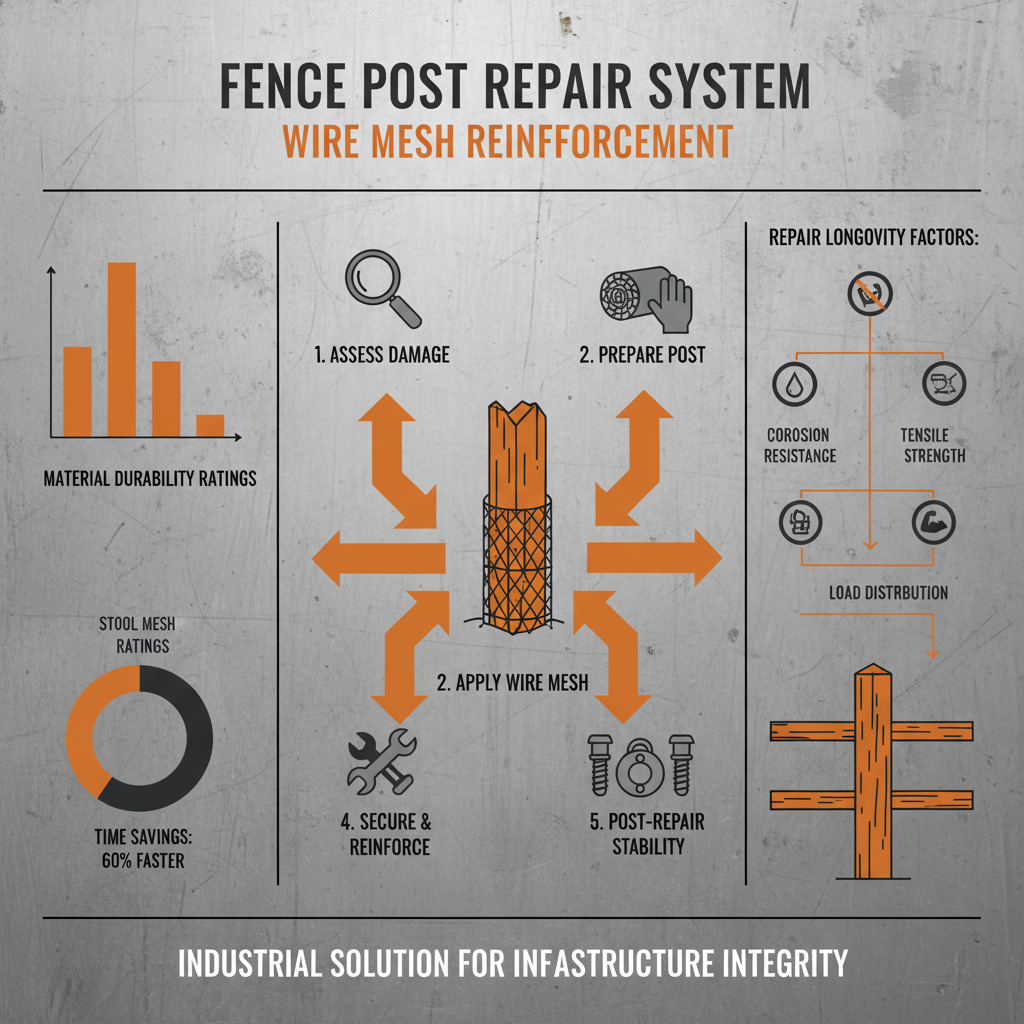
Preventative Measures to Extend Fence Post Life
Preventative maintenance can significantly extend the life of your fence. Regularly inspect posts for signs of rot or damage. Clear vegetation around the base of the posts to improve airflow and reduce moisture buildup. Apply a wood preservative every few years to protect against weathering. Ensure proper drainage around the fence line to prevent water from pooling. By taking proactive steps, you can minimize the need for frequent repairs and enjoy a beautiful, secure fence for years to come.
Conclusion: Maintaining a Strong and Secure Fence
Addressing fence post issues promptly and effectively is crucial for maintaining the security and aesthetic appeal of your property. Whether you choose a DIY repair or enlist the help of professionals like Hylie C Fence, remember that preventative maintenance is key. A well-maintained fence not only enhances your property value but also provides peace of mind.
Frequently Asked Questions (FAQs)
What type of wood is most resistant to rot for fence posts?
Cedar and redwood are naturally rot-resistant woods, making them excellent choices for fence posts. However, they are typically more expensive. Pressure-treated pine is a more affordable option and offers good protection against rot when properly treated. It's crucial to ensure that pressure-treated wood is rated for ground contact, as this indicates it has been treated with preservatives to withstand moisture and decay. Regularly applying a wood preservative can further enhance the longevity of any wood type.
How deep should a fence post be buried?
A general rule of thumb is to bury at least one-third to one-half of the post's total length below ground. For a 6-foot fence, this means burying the post 2-3 feet deep. Deeper posts provide greater stability, particularly in areas with high winds or unstable soil. The specific depth will also depend on the soil type and the height of the fence. Always check local building codes for specific requirements.
Can I repair a fence post with concrete?
Yes, concrete can be used to repair a fence post, particularly if the existing concrete footing is cracked or damaged. You can remove loose concrete and pour new concrete around the post, ensuring it's properly supported. However, this is a more involved process that requires careful preparation and the use of appropriate concrete mix. For significant concrete damage, it's often best to consult a professional for a durable and long-lasting repair.
How often should I inspect my fence posts?
It's recommended to inspect your fence posts at least twice a year – in the spring and fall. During these inspections, look for signs of rot, leaning, cracks, or loose connections. Addressing minor issues promptly can prevent them from escalating into more significant and costly problems. Regular inspection is a simple yet effective way to extend the life of your fence and ensure its continued functionality.
-
Professional Guide to fix leaning fence post and Stabilize Fences
NewsApr.16,2026
-
Professional Guide for Effective Leaning Fence Post Repair
NewsApr.09,2026
-
Comprehensive Guide to Effectively Fix Fence Post and Ensure Stability
NewsApr.07,2026
-
Comprehensive Guide to Effective and Lasting Fence Post Repair Solutions
NewsApr.04,2026
-
A Comprehensive Guide to Successfully Installing Fence Posts for Longevity
NewsMar.31,2026