
-
Email:zhao@hyliec.cn
-
Tel:+86 311 85273988
-
WhatsAPP:8613931128750
A Comprehensive Guide to Successfully Installing Fence Posts for Longevity
Installing Fence Posts: A Comprehensive Guide
Installing fence posts correctly is crucial for the longevity and stability of your fence. A properly installed fence provides security, privacy, and aesthetic appeal to your property. This guide will walk you through the process, covering everything from choosing the right materials to setting the posts securely in the ground. Whether you're a DIY enthusiast or new to fencing, understanding the fundamentals of fence post installation is essential. We'll cover different methods, common mistakes to avoid, and tips for ensuring a professional-looking result.
Choosing the Right Fence Post Material
The material you choose for your fence posts significantly impacts their durability and resistance to weathering. Common options include pressure-treated wood, steel, vinyl, and concrete. Pressure-treated wood is a popular and affordable choice, but requires regular maintenance. Steel posts are incredibly strong but can be prone to rust if not properly coated. Vinyl posts are low-maintenance and resistant to rot, but can be more expensive. Concrete posts are extremely durable but are heavy and can be challenging to install. Selecting the right material depends on your budget, climate, and the desired lifespan of your fence. Consider the soil type as well; some materials perform better in certain soil conditions.
Key Considerations: Material choice impacts durability, maintenance, cost, and suitability for your local climate and soil conditions.
Determining Post Spacing and Depth
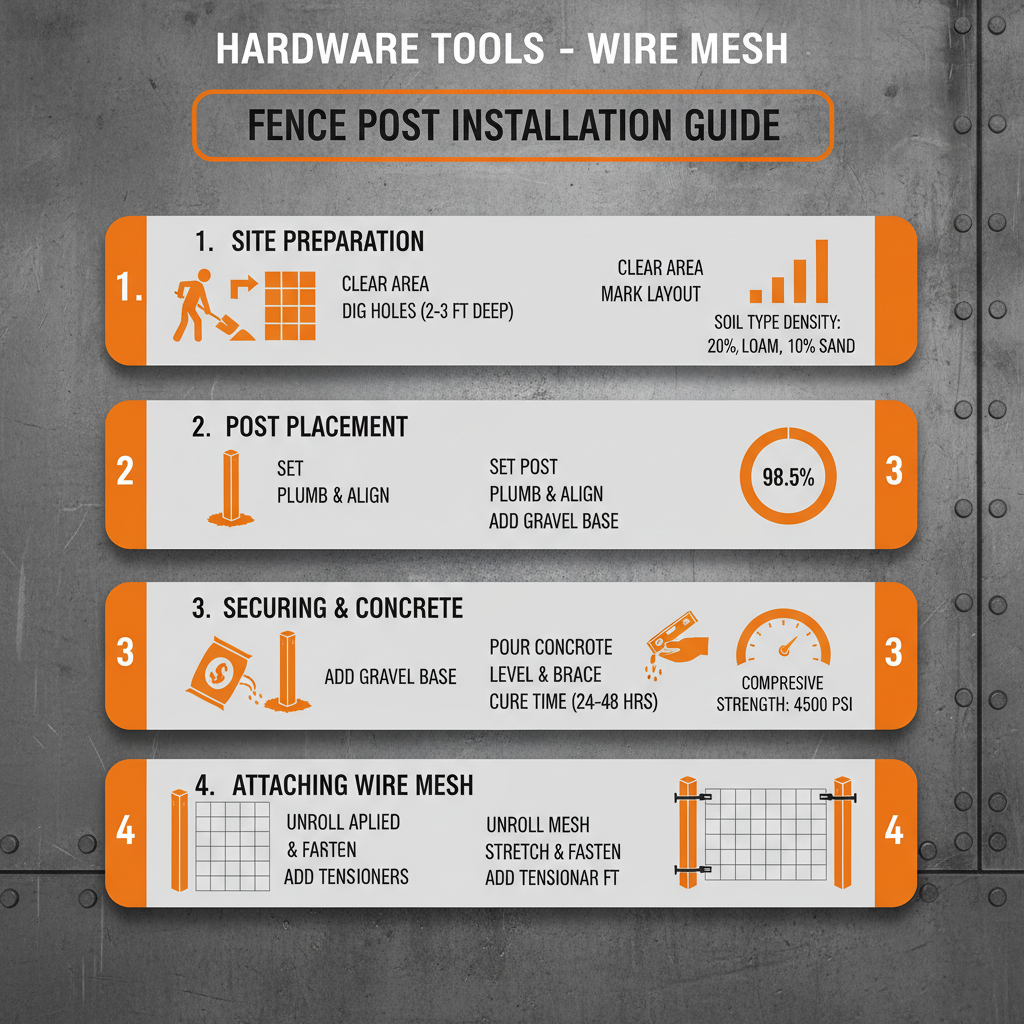
Proper post spacing and depth are essential for a stable fence. Typical post spacing ranges from 6 to 8 feet, depending on the fence height and material. Posts should be set at least 1/3 of their total height into the ground. For example, a 6-foot fence requires posts to be set at least 2 feet deep. In colder climates, you may need to increase the post depth to account for frost heave. Accurate measurements and consistent spacing will ensure a professional and structurally sound fence. Using a string line to mark post locations can help maintain alignment.
Post Depth Guidelines:
• 4-foot fence: Minimum 1.33-foot depth
• 6-foot fence: Minimum 2-foot depth
• 8-foot fence: Minimum 2.67-foot depth
Methods for Installing Fence Posts
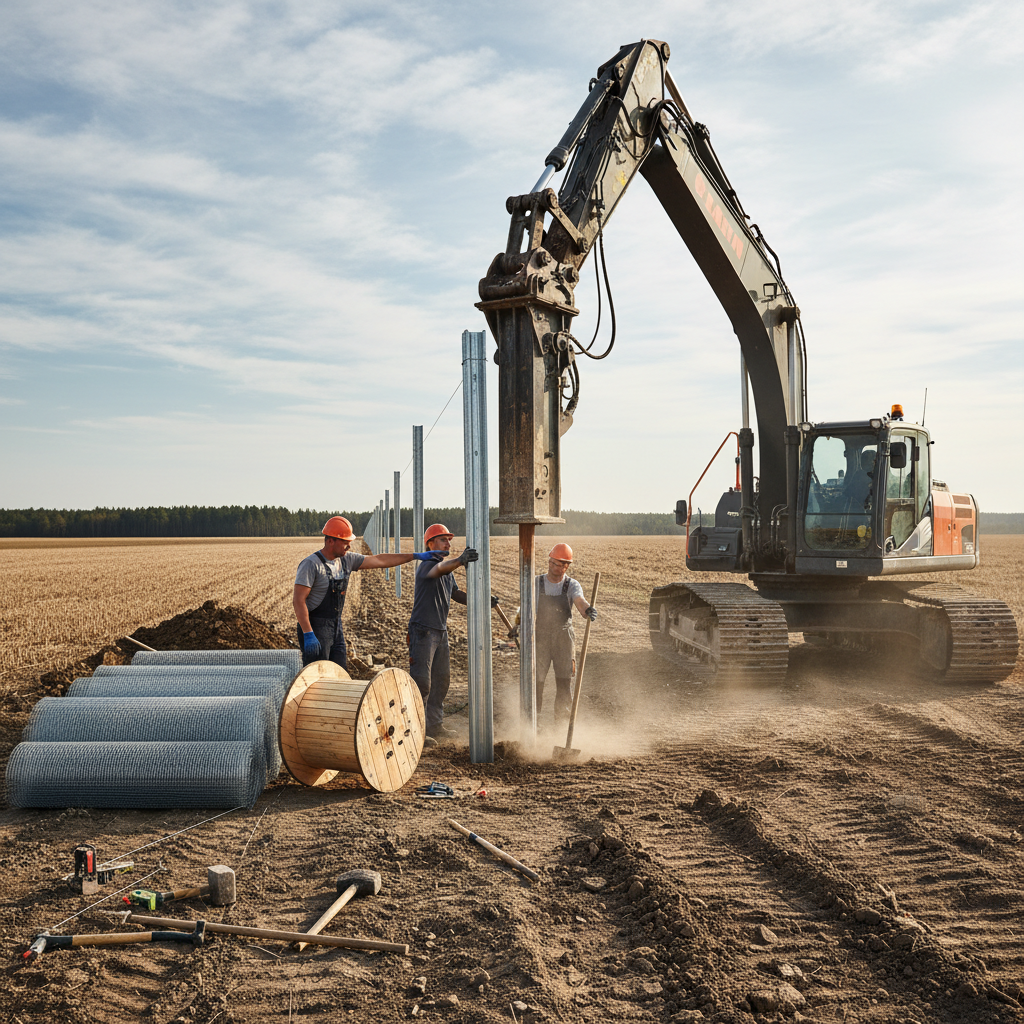
Several methods can be used to install fence posts, each with its pros and cons. The most common methods include digging holes and setting posts in concrete, using a post hole digger, and employing a mechanical auger. Digging holes is labor-intensive but effective. Post hole diggers are faster for smaller projects. Mechanical augers are ideal for large-scale installations, especially in hard soil. Another option is driving posts directly into the ground using a post driver, but this is best suited for softer soils. Remember to always call 811 before you dig to locate underground utilities.
Securing Posts with Concrete
Setting posts in concrete provides superior stability. Pour concrete around the post, ensuring it fills the hole and slopes slightly away from the post to promote water drainage. Use a level to verify the post is plumb (perfectly vertical) before the concrete sets. Allow the concrete to cure for at least 48-72 hours before attaching fence materials. Proper concrete mixing and pouring techniques are critical for maximizing the strength and longevity of the fence. Consider using a fast-setting concrete mix for quicker results. Hyliecfence can provide you with all the materials necessary for a successful fence installation.
Common Mistakes to Avoid During Fence Post Installation
Several common mistakes can compromise the integrity of your fence. Failing to check for underground utilities before digging is a major hazard. Not setting posts deep enough can lead to instability and leaning. Using improper concrete mixing ratios weakens the foundation. Ignoring proper post spacing creates an uneven and aesthetically unappealing fence. Skipping the leveling process results in a crooked fence. By avoiding these pitfalls, you can ensure a durable and professional-looking fence that will last for years to come.
Conclusion: Building a Strong Foundation for Your Fence
Successfully installing fence posts requires careful planning, the right materials, and attention to detail. By following the guidelines outlined in this article, you can build a fence that is not only aesthetically pleasing but also structurally sound and long-lasting. Don't hesitate to consult with professionals if you're unsure about any aspect of the installation process.
Frequently Asked Questions (FAQs)
How long will a properly installed fence post last?
The lifespan of a fence post varies depending on the material used and environmental conditions. Pressure-treated wood posts typically last 10-20 years with proper maintenance. Steel posts, with adequate rust protection, can last 20+ years. Vinyl and concrete posts are the most durable, often lasting 30+ years. Regular inspections and timely repairs are crucial for maximizing the lifespan of any fence post. Consider applying a sealant or preservative to wood posts every few years to protect against rot and weathering. Ensuring proper drainage around the posts also helps prevent premature deterioration.
What is frost heave, and how does it affect fence posts?
Frost heave is the upward swelling of soil during freezing conditions. When water in the soil freezes, it expands, pushing the ground upward. This can exert significant pressure on fence posts, causing them to lift or lean. To mitigate frost heave, ensure posts are installed deep enough to extend below the frost line – the maximum depth to which the ground freezes in your area. Also, consider using gravel around the posts to improve drainage and reduce the amount of water in the soil. Proper post depth is crucial for preventing frost heave damage.
Should I use quick-setting concrete for fence posts?
Quick-setting concrete can be a convenient option for fence post installation, especially if you want to complete the project quickly. It sets much faster than traditional concrete, allowing you to proceed with fence construction sooner. However, it's typically more expensive and may not be as strong as traditional concrete. If you choose quick-setting concrete, follow the manufacturer's instructions carefully to ensure proper mixing and application. For maximum strength and longevity, traditional concrete is generally recommended.
What tools are essential for installing fence posts?
Essential tools for installing fence posts include a post hole digger or auger, a shovel, a level, a measuring tape, a tamper, a concrete mixer (if using traditional concrete), and safety glasses. A string line is helpful for ensuring straight post alignment. Depending on the soil conditions, you may also need a digging bar or pry bar to loosen compacted soil. Having the right tools will make the installation process much easier and more efficient.
-
Professional Guide to fix leaning fence post and Stabilize Fences
NewsApr.16,2026
-
Professional Guide for Effective Leaning Fence Post Repair
NewsApr.09,2026
-
Comprehensive Guide to Effectively Fix Fence Post and Ensure Stability
NewsApr.07,2026
-
Comprehensive Guide to Effective and Lasting Fence Post Repair Solutions
NewsApr.04,2026
-
Comprehensive Guide to Effective and Lasting Repairing Fence Post Solutions
NewsMar.28,2026