
-
Email:zhao@hyliec.cn
-
Tel:+86 311 85273988
-
WhatsAPP:8613931128750
Choosing the Best 9ft Fence Post for Durability and Longevity
Choosing the Right 9ft Fence Post for Your Property
Selecting the appropriate 9ft fence post is crucial for creating a durable and aesthetically pleasing fence. The height, material, and treatment of the post directly impact the fence's stability and longevity. This article will guide you through the considerations for choosing the best 9ft fence post for your specific needs, covering material options, installation tips, and maintenance practices. Investing in high-quality posts will save you time and money in the long run by reducing the need for frequent repairs or replacements.
Understanding the Importance of Post Height
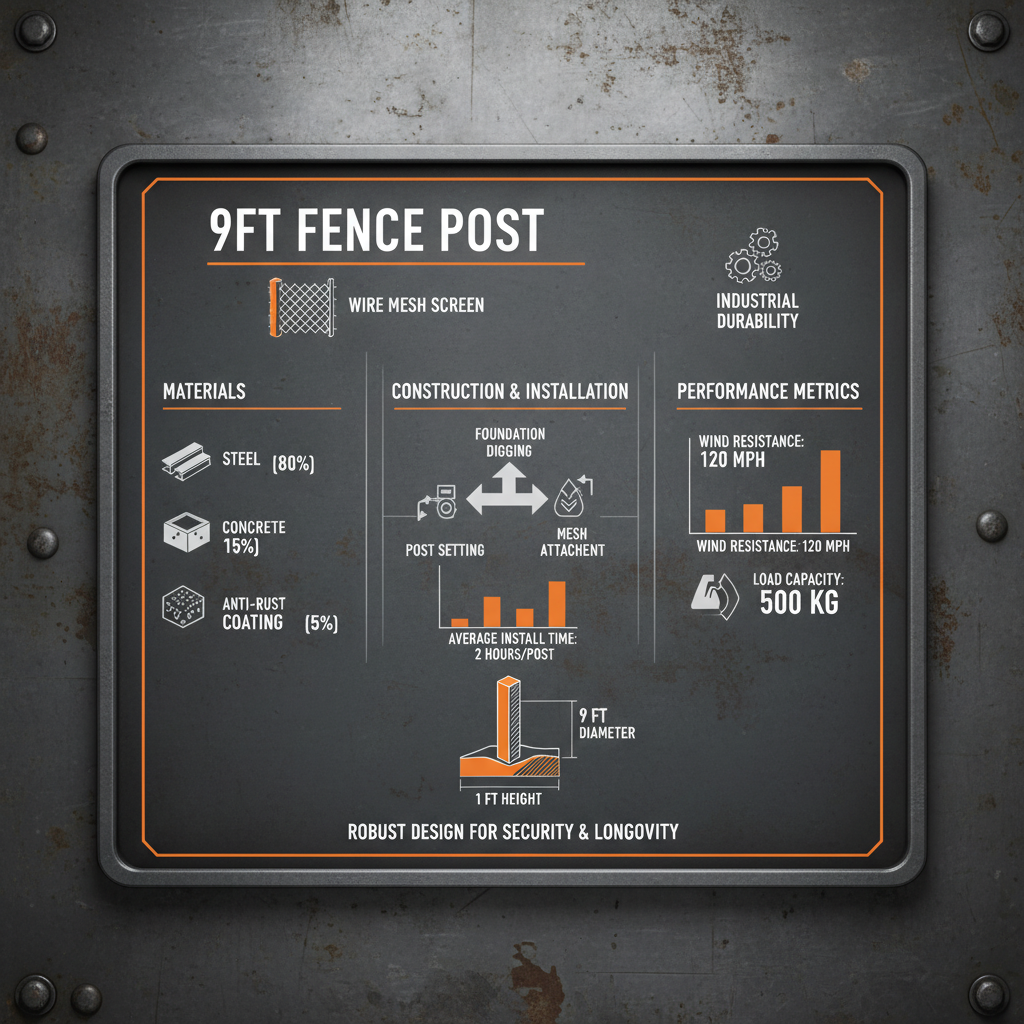
A 9ft fence post isn't simply 9ft long. It's important to consider the depth to which the post will be set into the ground. A general rule of thumb is to bury at least 3ft of the post, leaving 6ft above ground. This provides sufficient stability, especially in areas with high winds or unstable soil. Choosing a post that's slightly longer than needed allows for adjustments during installation and ensures adequate support. Insufficient post depth is a common cause of fence failure, leading to leaning posts and ultimately, a collapsed fence.
Key Takeaway: Always account for the burial depth when selecting a 9ft fence post. Aim for at least 3ft in the ground for optimal stability.
Common 9ft Fence Post Materials: A Comparison
Several materials are commonly used for 9ft fence posts, each with its own advantages and disadvantages. The most popular options include pressure-treated wood, steel, and vinyl. The best choice will depend on your budget, aesthetic preferences, and the environmental conditions in your area. Consider the long-term maintenance requirements of each material before making a decision.
Factors Influencing Post Selection
Beyond the material, several other factors should influence your choice of 9ft fence post. These include soil type, climate, and the overall design of your fence. For example, clay-rich soils require more robust posts to withstand expansion and contraction. Windy areas demand thicker posts or closer post spacing. Considering these factors will ensure your fence remains secure and stable for years to come. Don’t hesitate to consult with a fencing professional for personalized advice.
Proper Installation Techniques for 9ft Fence Posts
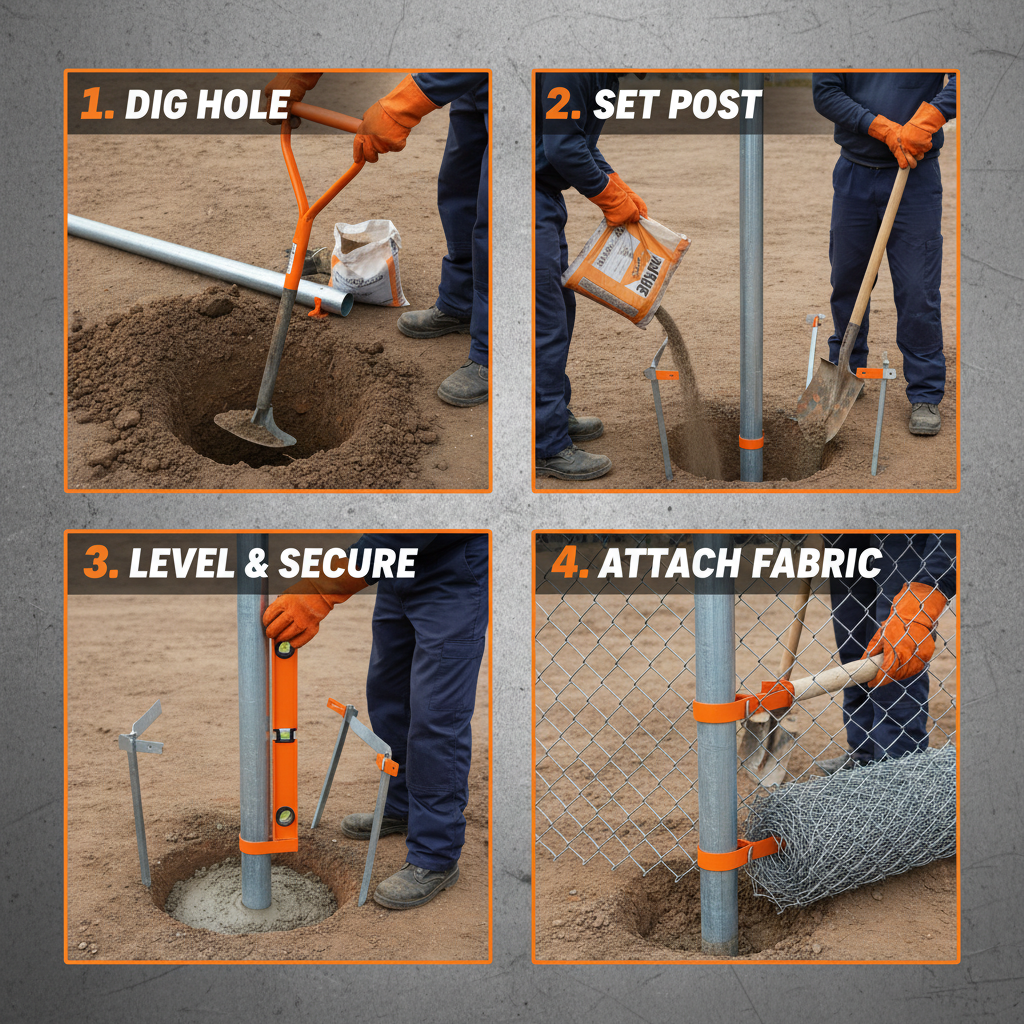
Even the best 9ft fence post will fail if not installed correctly. Digging appropriately sized holes, ensuring proper post depth, and using concrete to secure the posts are all essential steps. Using a level during installation is critical to prevent leaning. Backfilling the holes with compacted soil or gravel provides additional support. Proper installation is often best left to experienced professionals to guarantee a long-lasting fence.
Maintaining Your 9ft Fence Posts
Regular maintenance will significantly extend the life of your 9ft fence posts. For wood posts, this includes periodic staining or sealing to protect against moisture and insects. Inspecting for signs of rot or damage is crucial. Steel posts should be checked for rust and repainted as needed. Addressing any issues promptly will prevent them from escalating into more significant problems.
Conclusion: Investing in Quality and Proper Installation
Choosing the right 9ft fence post, coupled with professional installation and consistent maintenance, is the key to a durable, attractive, and long-lasting fence. Take the time to consider your needs, the environmental conditions, and the available materials. By making informed decisions, you can protect your property and enjoy a beautiful fence for years to come.
Frequently Asked Questions (FAQs)
What is the recommended post spacing for a 9ft fence?
The standard post spacing for a 9ft fence is typically 8ft. This provides sufficient support for the fence panels. However, in areas with high winds or unstable soil, you may want to reduce the spacing to 6ft to increase stability. Consider the weight and height of the fence panels when determining the appropriate spacing. Always consult local building codes for specific requirements.
How much concrete is needed per 9ft fence post?
The amount of concrete needed per 9ft fence post depends on the size of the hole and the diameter of the post. A general guideline is to use approximately 0.5 to 1 cubic foot of concrete per post. This typically translates to one or two 80lb bags of concrete mix. Ensure the concrete is thoroughly mixed with water and fills the hole around the post, providing a solid foundation.
Are treated wood posts safe for gardens?
While modern pressure-treated wood is generally considered safe, there's been debate about the chemicals used in the treatment process. Older treated wood contained arsenic, which is now largely phased out. However, it's still advisable to line the hole with plastic sheeting to prevent direct contact between the treated wood and garden soil, especially if you plan to grow edible plants nearby. Look for wood treated with newer, safer preservatives.
Can I install 9ft fence posts myself?
Yes, you can install 9ft fence posts yourself if you have the necessary tools and physical capabilities. However, it’s a physically demanding task that requires precision and attention to detail. If you're unsure about any aspect of the installation process, or if you're dealing with difficult soil conditions, it's best to hire a professional fencing contractor to ensure a secure and long-lasting fence.
-
Professional Guide to fix leaning fence post and Stabilize Fences
NewsApr.16,2026
-
Professional Guide for Effective Leaning Fence Post Repair
NewsApr.09,2026
-
Comprehensive Guide to Effectively Fix Fence Post and Ensure Stability
NewsApr.07,2026
-
Comprehensive Guide to Effective and Lasting Fence Post Repair Solutions
NewsApr.04,2026
-
A Comprehensive Guide to Successfully Installing Fence Posts for Longevity
NewsMar.31,2026
-
Comprehensive Guide to Effective and Lasting Repairing Fence Post Solutions
NewsMar.28,2026