
-
Email:zhao@hyliec.cn
-
Tel:+86 311 85273988
-
WhatsAPP:8613931128750
Field Fence-Hebei Yelang Import & Export Trade Co., Ltd.|Agricultural Fencing Solutions,Durable Customizable
Field fencing, also known as field fence, plays a critical role in modern agriculture by providing secure boundaries for farmland, livestock management, and environmental protection. Designed to withstand harsh conditions while maintaining durability, these fences are essential for farmers and agricultural professionals worldwide. This article explores the features, specifications, applications, and innovations behind field fence, manufactured by Hebei Yelang Import & Export Trade Co., Ltd..
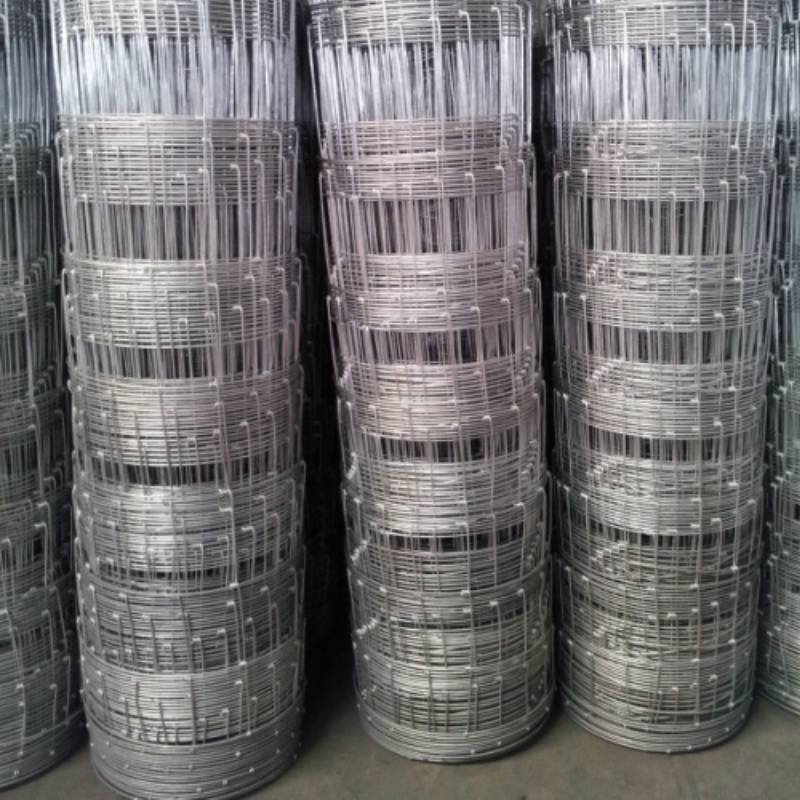
Key Features of Field Fencing
Field fencing is engineered to meet the diverse needs of agricultural operations. Its primary functions include:
- Animal Containment: Prevents livestock from wandering and protects crops from grazing animals.
- Property Security: Acts as a barrier against unauthorized access and wildlife intrusion.
- Soil Erosion Control: Reduces soil degradation by stabilizing land boundaries.
- Environmental Protection: Preserves sensitive habitats and promotes sustainable land use.
- Land Management: Facilitates organized grazing areas and livestock segregation.
These features make field fence a versatile solution for both small-scale farms and large agricultural enterprises.
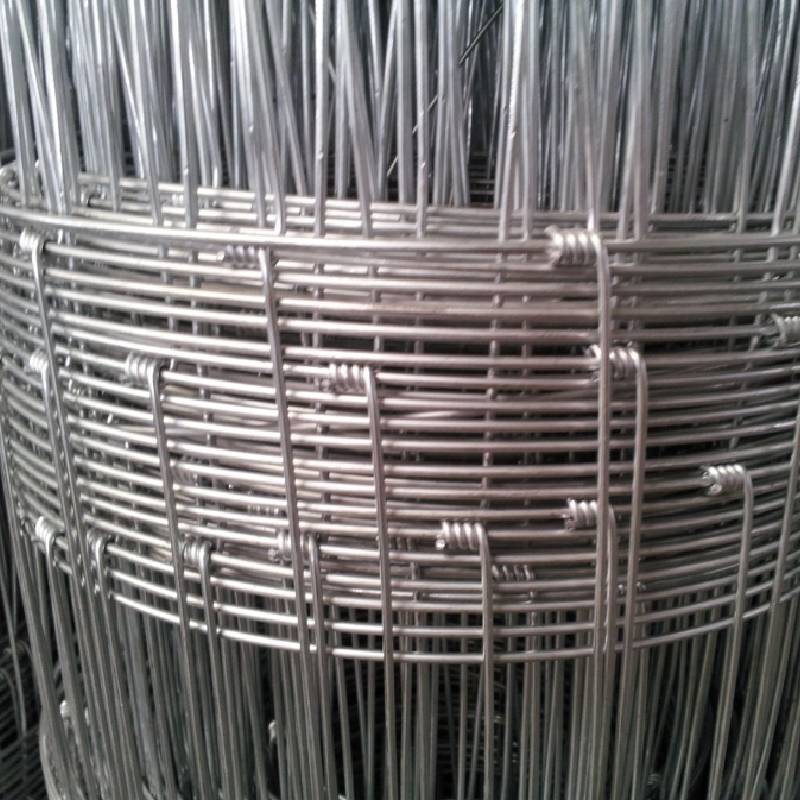
Technical Specifications and Customization Options
The field fence offered by Hebei Yelang Import & Export Trade Co., Ltd. is available in multiple configurations to suit specific agricultural requirements. Below is a detailed specification table:
| Wire Diameter (mm) | Specification | Length (m) |
|---|---|---|
| 2.0–2.5 | 8/15/81.3 89+89+102+114+127+140+152 |
50–100 |
| 2.0–2.5 | 8/15/90.2 89+102+114+127+140+152+178 |
50–100 |
| 2.0–2.5 | 10/15/100 7x100+2x150 |
50–100 |
| 2.0–2.5 | 8/15/101.6 102+114+127+140+152+178+203 |
50–100 |
| 2.0–2.5 | 8/15/114.3 114+127+140+152+178+203+229 |
50–100 |
| 2.0–2.5 | 9/15/99.1 89+89+102+114+127+140+152+178 |
50–100 |
| 2.0–2.5 | 9/15/110.5 89+102+114+127+140+152+178+203 |
50–100 |
| 2.0–2.5 | 9/15/124.5 102+114+127+140+152+178+203+229 |
50–100 |
| 2.0–2.5 | 10/15/119.4 89+89+102+114+127+140+152+178+203 |
50–100 |
| 2.0–2.5 | 10/15/133.4 89+102+114+127+140+152+178+203+229 |
50–100 |
| 2.0–2.5 | 11/15/142.2 89+89+102+114+127+140+152+178+203+229 |
50–100 |
| 2.0–2.5 | 7/15/81.3 102+114+127+140+152+178 |
50–100 |
| 2.0–2.5 | 7/15/91.4 114+127+140+152+178+203 |
50–100 |
| 2.0–2.5 | 7/15/102.9 127+140+152+178+203+229 |
50–100 |
| 2.0–2.5 | 6/15/80 127+140+152+178+203 |
50–100 |
Applications in Modern Agriculture
Field fence is widely used across various agricultural settings, including:
- Animal Husbandry: Segregating livestock such as cattle, sheep, and goats to optimize grazing patterns.
- Crop Protection: Preventing wildlife from damaging crops and ensuring controlled access to farmland.
- Landscaping: Enhancing the aesthetic appeal of rural properties while maintaining functional boundaries.
- Environmental Conservation: Protecting sensitive ecosystems from overgrazing and soil degradation.
The adaptability of field fence makes it an ideal choice for farms of all sizes, from small family-owned operations to large-scale agricultural enterprises.
Company Background: Hebei Yelang Import & Export Trade Co., Ltd.
As a leading manufacturer and supplier of farm fence manufacturers, Hebei Yelang Import & Export Trade Co., Ltd. has established itself as a trusted name in the agricultural fencing industry. With a focus on quality, innovation, and customer satisfaction, the company offers a wide range of fencing solutions tailored to meet global demands.
Hebei Yelang's commitment to excellence is reflected in its rigorous quality control processes and adherence to international standards. The company's products are designed to withstand extreme weather conditions, ensuring long-term durability and performance.
Environmental and Economic Benefits
Investing in field fence provides both environmental and economic advantages. By preventing soil erosion and protecting natural habitats, these fences contribute to sustainable agricultural practices. Additionally, they reduce the risk of livestock losses and crop damage, offering farmers a cost-effective solution for long-term land management.
According to the National Institute of Standards and Technology (NIST), effective fencing systems play a crucial role in enhancing agricultural productivity and resource conservation. NIST's research emphasizes the importance of durable, well-designed fencing in maintaining the balance between agricultural activities and environmental preservation.
Installation and Maintenance Tips
To maximize the lifespan and effectiveness of field fence, proper installation and regular maintenance are essential. Key considerations include:
- Site Assessment: Evaluate terrain, soil type, and local regulations before installation.
- Material Quality: Use high-grade wire and sturdy posts to ensure structural integrity.
- Regular Inspections: Check for wear and tear, and repair damaged sections promptly.
- Weather Resistance: Choose materials that can withstand extreme temperatures and precipitation.
Following these guidelines ensures that field fence remains a reliable and efficient solution for agricultural operations.
Conclusion
Field fence is a vital component of modern agriculture, offering a combination of durability, functionality, and environmental benefits. With its customizable specifications and robust design, it caters to the diverse needs of farmers and landowners worldwide. Hebei Yelang Import & Export Trade Co., Ltd. continues to lead the industry by delivering high-quality fencing solutions that support sustainable agricultural practices.
For more information about field fence and other agricultural products, visit Hebei Yelang Import & Export Trade Co., Ltd..
References
National Institute of Standards and Technology (NIST). (n.d.). Agricultural Fencing Standards. Retrieved from https://www.nist.gov/
-
Professional Guide to fix leaning fence post and Stabilize Fences
NewsApr.16,2026
-
Professional Guide for Effective Leaning Fence Post Repair
NewsApr.09,2026
-
Comprehensive Guide to Effectively Fix Fence Post and Ensure Stability
NewsApr.07,2026
-
Comprehensive Guide to Effective and Lasting Fence Post Repair Solutions
NewsApr.04,2026
-
A Comprehensive Guide to Successfully Installing Fence Posts for Longevity
NewsMar.31,2026
-
Comprehensive Guide to Effective and Lasting Repairing Fence Post Solutions
NewsMar.28,2026